 Fundraising Fox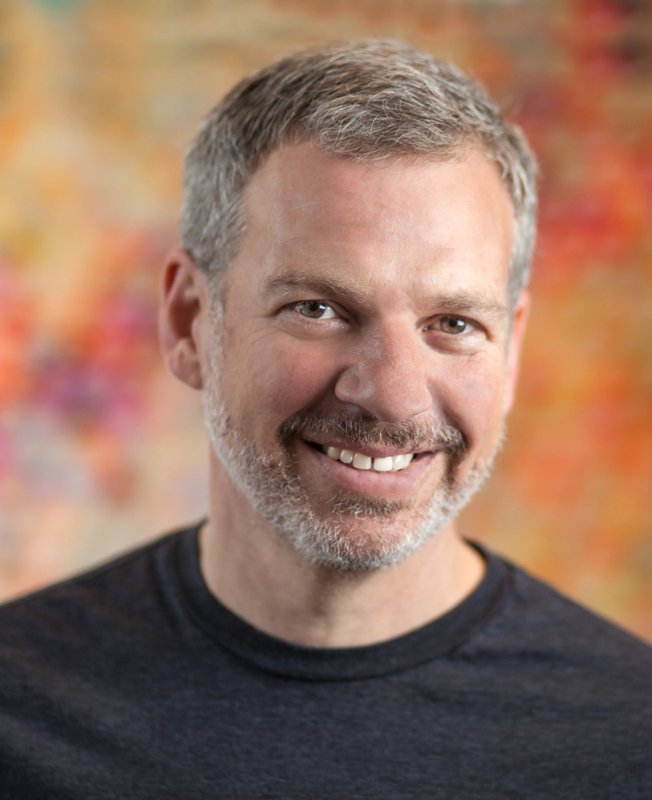
Rob Hayes
InvestorBoard Partner at First Round Capital · Advisor, First Round Capital at Screendoor · Board director at Odeko · Board director at Dishcraft Robotics · Board director at Eero
Philadelphia, Pennsylvania
Writes $100K – $5M checks · typically $1.5M
Midas 2020 · #11Midas 2019 · #15Midas 2018 · #17Midas 2017 · #21Midas 2016 · #27Midas 2015 · #45Midas 2014 · #75Midas 2013 · #97
Find your path to Rob
1,244 people in our graph can introduce you to Rob.
Each arrow is one introduction. Sign up to fill in the first one.
Ask Josh Kopelman to introduce you to Rob
You →Josh · together at First Round (2018–2026) →Rob

Ask Jamie Chen to introduce you to Rob
You →Jamie · together at First Round Capital →Rob
Ask Sam Okafor to introduce you to Rob
You →Sam · together at Barndoor AI →Rob
Sign up to find every way you can get introduced to Rob
- Your email: the people you already email who know Rob
- 2nd- and 3rd-degree connections: people you know who worked, studied or invested with Rob
- Your LinkedIn: the connections who can make the intro for you
We rank every route by how warm it is, so you raise on warm intros instead of cold emails.
About
Robert "Rob" Hayes is an early-stage technology investor and former product executive. After a 1984-1988 B.A. in Political Economy at UC Berkeley and a 1993-1995 Columbia MBA in Finance, he worked on US-Japan trade at JETRO, localized products for GO Corporation, managed products at Geoworks, and then led Palm OS product work, Palm Ventures and PalmSource business development. In 2004 he became Omidyar Network's first venture investor, built its technology investing group and was contemporaneously credited with Digg, Krugle, Wikia and Metaweb. He joined First Round in 2006 to open its San Francisco office, leading the firm's investments in Uber, Square, Mint.com, eero, Gnip and Planet Labs; institutional and company evidence also ties him to TaskRabbit, Bowery Farming, UrbanSitter, DNAnexus, SimpleGeo, Outright, BillFloat, Dishcraft Robotics and Odeko. In 2018 he moved from investment Partner to Board Partner. First Round's current roster still uses that title, and Columbia explains that he no longer leads new First Round investments but supports existing companies and invests as an angel. Publicly attributable post-transition activity includes Solo, Kinema, ShareWell, Barndoor AI and Scorbit; these are treated as personal/angel investments unless a primary source says otherwise. His founder framework favors real and deeply felt problems, execution-focused teams that can move from market narrative to product detail, healthy co-founder dynamics, distribution awareness, early culture and diversity work, world-class hiring, zero-revenue cash planning and a durable North Star. Counterweights include his admitted Dropbox miss over valuation, investments whose operating outcomes disappointed—most notably Bowery's 2024 shutdown and eero's reportedly investor-unfriendly sale—and the broader criticism that Uber's investors tolerated governance and culture failures too long; no source establishes that Hayes personally held an Uber board seat. He remains publicly associated with Columbia Business School's board, is a current vice chair of The Noguchi Museum, and has disclosed only limited family detail: a wife, two daughters, dogs, cooking and California-coast travel.
Contact· published on Rob's own website
Invests in
AgTechBiotechConsumerData & InfrastructureFintechMarketplacesRoboticsSpace Tech
Beyond investing
- Awards
- Columbia says Hayes appeared on the Forbes Midas List for several years; Forbes's profile records him as No. 11 in 2020. Rankings recognize perceived investment performance and are not audited personal-return statements.
- More
- The verified investor is the Berkeley and Columbia alumnus tied continuously to Palm, Omidyar Network and First Round. The Sharps Technology CEO, Chicago realtor, Tufts researcher and Rob Hays philanthropy podcast guest are different people and supply no facts to this dossier. He managed Palm OS across dozens of devices, started Palm Ventures and helped manage the PalmSource separation. This supports operator and hardware context, not inventor credit for Palm or Treo. Hayes contacted prior portfolio founder Garrett Camp, tried the product and led First Round's roughly $510,000 2010 seed check at a reported $4 million pre-money valuation. Uber briefly worked next to First Round; the investment later became a multi-billion-dollar firm outcome, not Hayes's personal proceeds. Hayes has said he met Dropbox early but lost the investment over a small valuation difference, teaching him not to sacrifice a potentially important founder relationship over a rounding error. Hayes wrote First Round's investment thesis and represented the firm on Bowery's board. The vertical farmer ceased operations in November 2024 after raising more than $700 million and failing to secure financing or a buyer; debt, high costs, layoffs and delayed facilities preceded the closure. The sources do not allocate the loss to Hayes personally. First Round was among preferred investors reported to have pressed Travis Kalanick to resign amid Uber's 2017 culture crisis. Industry observers also faulted investors collectively for weak oversight and founder-friendly control structures. No reviewed source places Hayes on Uber's board or attributes a specific public rebuke to him; his later interviews emphasize early culture, diversity and durable founder relationships. The 2018 announcement said Hayes would continue supporting more than forty founders, make introductions to active partners, explore teaching, angel investing, travel and nonprofit work. Current First Round pages still list him as Board Partner. Columbia's official biography says Hayes led First Round's diversity and inclusion coalition, increasing diversity in staff, events, programs and investments. His interview urges founders to build culture deliberately from the earliest hires. Hayes wrote that he grew up about ninety minutes from San Francisco in the San Joaquin Valley amid specialty agriculture and local produce; that personal context informed his Bowery thesis.
From Rob's own website — common ground for a warm intro.
Board director at OdekoYC S19
Intro paths
Odeko went through Y Combinator (Summer 2019) — Rob sits on its board, so any YC alum in your network can reach them through the company's founders.
In turn, Rob can intro founders to Odeko's investors below.
Odeko's investors · 36

.jpeg)


__Twitter.png)






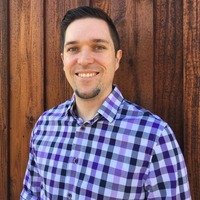
Co-founders at Odeko
Board director at Dishcraft Robotics
Intro paths
In turn, Rob can intro founders to Dishcraft Robotics's investors below.
Dishcraft Robotics's investors · 6


Co-founders at Dishcraft Robotics
Board director at Eero
Intro paths
In turn, Rob can intro founders to Eero's investors below.
Eero's investors · 9





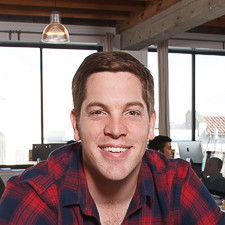
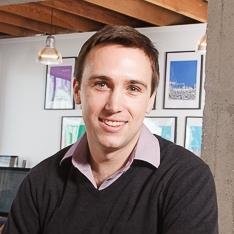
Co-founders at Eero
Experience
- Barndoor AIBoard Membercurrent2024 — present
- Philadelphia Museum of ArtMember Board of Trusteescurrent2022 — present
- Columbia Business SchoolMember, Board of Overseerscurrent2019 — presentGreater New York City Area
- First Round CapitalPartnercurrent2006 — present
- Omidyar NetworkDirector2004 — 2006



Skills & more
From Rob's professional profile.
Deals · 4

OdekoBoard seat
via First Round Capital · filed Jan 2022 · $49.5M raise
BoweryBoard seat
via First Round Capital · filed Jun 2017 · $22.7M raise
Dishcraft RoboticsBoard seat
via First Round Capital · filed May 2017 · $5.2M raise

SproutlingBoard seat
via First Round Capital · filed Jan 2015 · $8.3M raise
Attribution from SEC filings, press coverage, and firm rosters.
Other disclosed investments
Board seats
Bowery FarmingDnanexusOutrightSimplegeoSmartbiz LoansUrbanSitter
Investor
AirwareAlcoveArk BiotechBarndoor AIBlockBlockBlockBowery FarmingBreakthrough BehavioralBroader First Round portfolio and unverified directory namesCampusDigg; Krugle; Wikia; MetawebDnanexusDropboxEeroGnipHappsKinemaLobusMad RealitiesMintMintOutrightPapayaPiquePlanet LabsPlanet LabsRemindScorbitShareWellSimplegeoSolo TechnologiesTaskrabbitUberUberUrbanSitterVital
Sources: SEC Form D filings · curated public sources.
Founder fit — who Rob backs
Best fit is an execution-focused founder solving a problem customers feel strongly, with credible product depth, strategic range, healthy co-founder 'no-look pass' dynamics, distribution thinking and willingness to build a world-class team. He appears especially useful for marketplaces and communities, hardware-plus-software products, products that remix mature technologies, and founders navigating culture, early hiring, cash and hard board conversations. He values founders capable of making their own wave and maintaining conviction through regulatory or market resistance.
Founders who cannot identify a painful problem; teams whose members talk over or visibly undermine one another; product-heavy decks that ignore distribution, team and business mechanics; founders unable to move between strategy and implementation; merely good rather than world-class hiring; cash plans dependent on forecast revenue; weak mission clarity; passive community leadership; undeliberate culture and diversity; or a valuation fight that destroys a high-potential relationship. These are synthesized from public statements, not a published current exclusion policy.
How to pitch
Lead with the problem's intensity, why this team can execute and evidence of founder-product or founder-market insight. Demonstrate the product in detail, then zoom out to market creation, distribution and community dynamics. Show co-founder roles, world-class hiring criteria, an 18-month cash plan that assumes zero revenue, optional venture debt kept outside operating assumptions, and the North Star used to align the organization. Explain culture and diversity practices before scale. For hardware, identify component, manufacturing and financing realities. Ask whether Hayes is considering a personal angel check, Barndoor-related board support or only an introduction; do not treat Board Partner as an invitation to pitch him for a new First Round-led deal. Confirm current check size, vehicle, ownership, board role and follow-on capacity directly.
Stages: historical Omidyar venture investments, historical First Round seed and Series A, current personal pre-seed and seed angel activity, legacy portfolio support and board service · Sectors: fintech and payments, marketplaces and sharing economy, community-driven products, consumer internet and mobile, software and data infrastructure, consumer hardware and connected devices, space and satellite imaging, robotics and automation, agriculture and food systems, health and biotech data, artificial intelligence governance, independent media and creator distribution
Editorial inference from Rob's portfolio, writing and public record — not a published mandate.
Investment themes
12 documented themes from Rob's essays, talks and portfolio, grouped by what they say about founders.
▶Founders & company building2
Real problem, right person2018
Seed judgment begins with whether the problem is deeply felt and whether this person can execute, including creating a market when timing is uncertain.
For founders: Show lived insight, urgency and why the team can shape behavior rather than wait for consensus.
Run up and down the stack
The best CEOs can tell the category story and interrogate microscopic implementation details.
For founders: Prepare both the market narrative and a technically credible product review.
▶More themes9
Co-founders should make no-look passes2019
Founders talking over or clobbering each other in a pitch indicate unhealthy dynamics; coordinated teams anticipate one another.
For founders: Clarify decision rights and demonstrate mutual trust under questioning.
Hire world-class people continuously2015
Hiring is the first of three founder priorities; scaling requires specialists who create momentum and founders willing to surrender former core tasks.
For founders: Define world-class for each role and use expert calibration rather than merely hiring someone better than the founder.
Assume zero revenue in the cash plan2015
Founders should plan post-round spend, consider an unused venture-debt line, exclude forecast revenue and share the plan with investors for accountability.
For founders: Bring a downside runway model and financing contingencies rather than a revenue-dependent survival case.
Maintain a North Star2015
A large, important mission gives the founder energy and aligns recruiting, fundraising and daily decisions.
For founders: State the enduring purpose and show how present work advances it.
Distribution is harder than product
He treats a product-only deck that ignores distribution and team as a red flag.
For founders: Explain repeatable acquisition, marketplace liquidity or community growth—not only product features.
Build culture and diversity before scale2019
Early deliberate hiring is slower initially but compounds; waiting until thousands of employees makes change harder.
For founders: Show concrete early recruiting and inclusion choices rather than future promises.
Find the next platform or remix existing technology2019
He looks for new platforms comparable to smartphones and for combinations such as robotics, cameras, computer vision and machine learning that recently became practical.
For founders: Explain which enabling curve changed and why the system is possible now.
Reputation and founder trust outlast a deal2016
The Dropbox miss reinforced that winning a small valuation point is not worth losing a consequential company or relationship; he seeks to add value even without investing.
For founders: Diligence engagement and trust, while confirming actual economic terms and decision authority.
Software can rebuild traditional industries2017
His Bowery thesis combined personal agricultural context with software, sensors and controlled production; the later shutdown shows technical conviction did not solve capital intensity and operating economics.
For founders: Pair transformation claims with energy, debt, construction, unit-economics and financing stress tests.
▶Health, frontier & community1
Founder sets community vision2015
Community means people aligned around objectives; the founder sets tone and direction while users create value and improve resource utilization.
For founders: Identify aligned incentives, trust mechanisms and how participation strengthens the product.
Podcasts & interviews
featuring Rob HayesThe Evolution of Early-stage VC Investing
Startup Alley Podcast / Columbia Business School · startupalleypodcast.com
Rob Hayes profile
Forbes · forbes.com
Philly venture capital firm sees massive return as Uber goes public
The Philadelphia Inquirer · inquirer.com
Uber Investor
Columbia Business School · business.columbia.edu
Uber's First Investor, First Round Capital's Rob Hayes
20VC · thetwentyminutevc.libsyn.com
Here's the Advice I Give All of Our First Time Founders
First Round Review · review.firstround.com
Writing
First-person Bowery investment announcement tying San Joaquin Valley upbringing to a software-enabled agriculture thesis.
Official First Round subject/author index; currently surfaces the first-time-founder guidance rather than a broad signed archive.
Archive includes short attributable pieces or videos on Funding 101, mentorship and when to start; complete dates and authorship mechanics remain unclear.
Brief attributable advice: seek an investor genuinely passionate about the work because passion drives engagement.
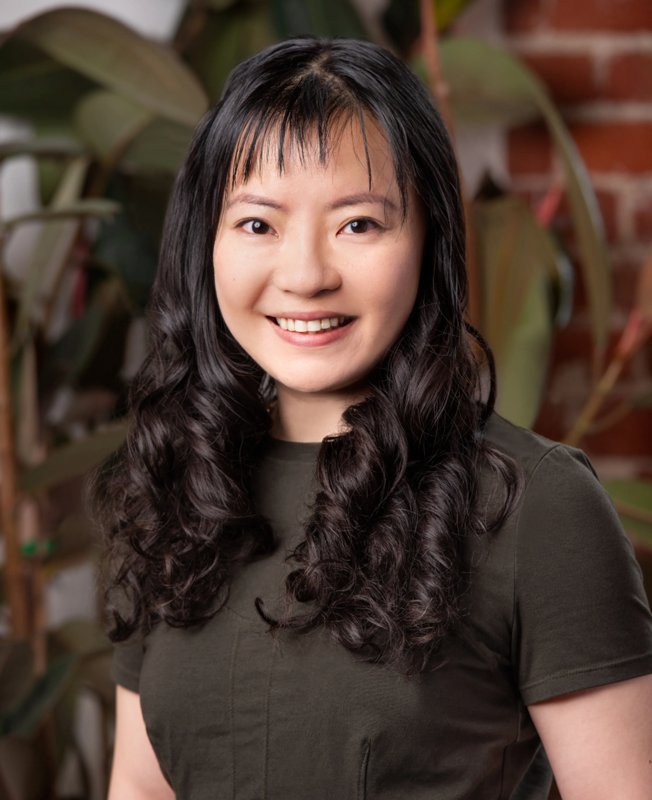
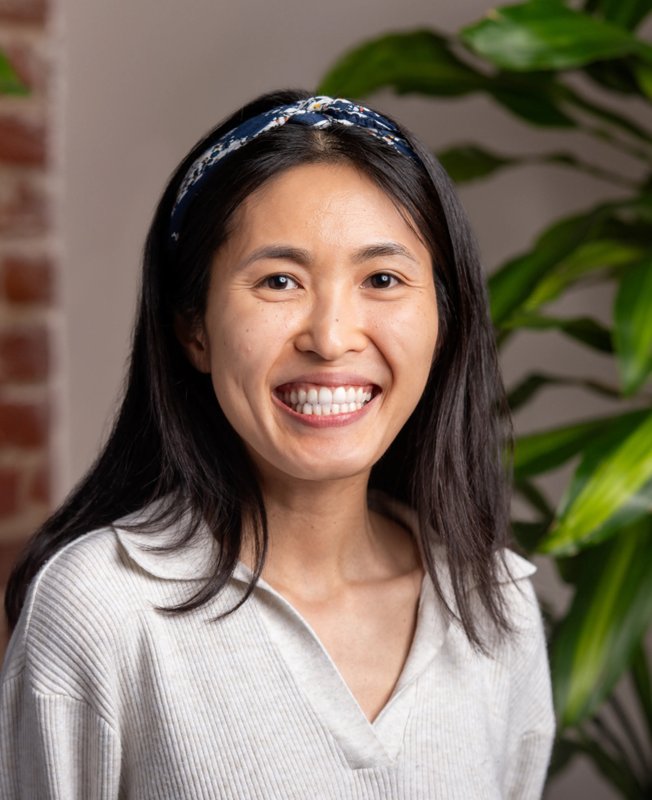
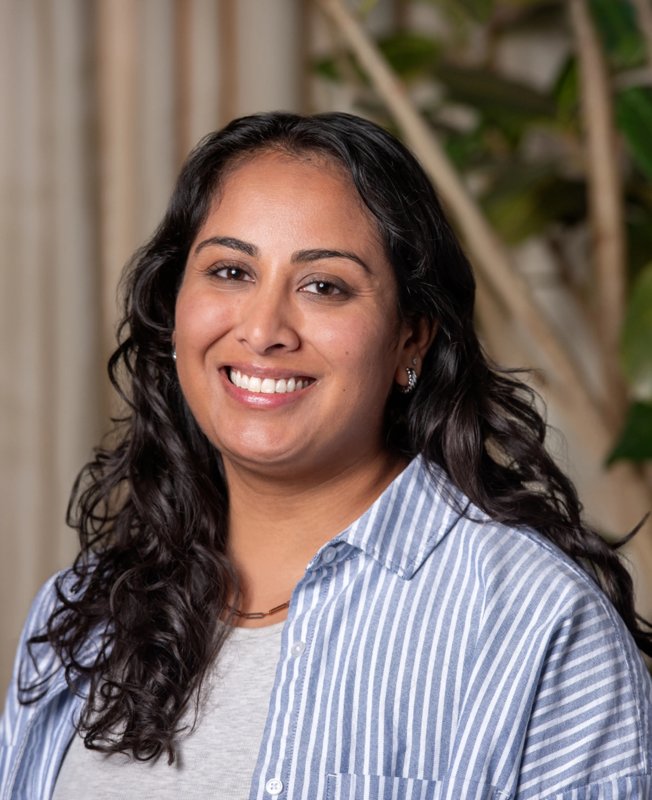
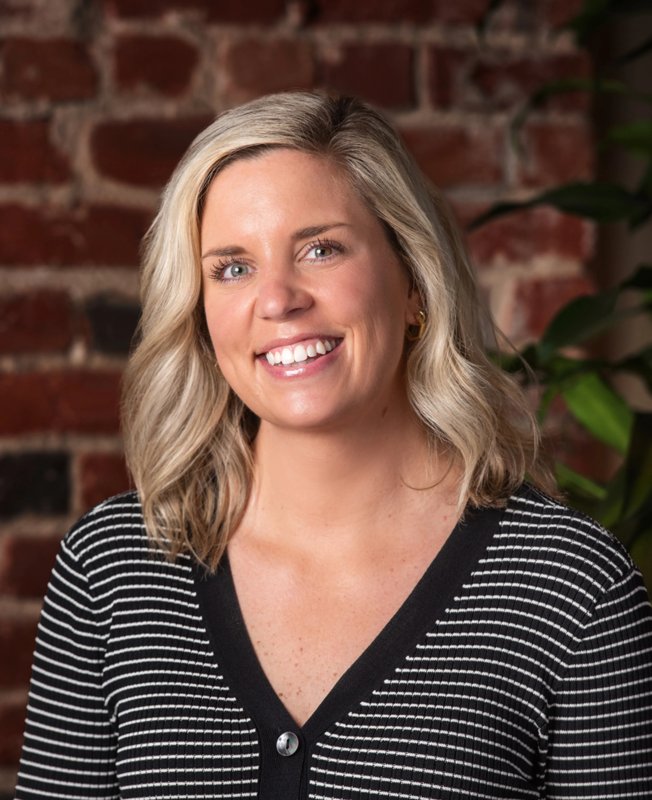
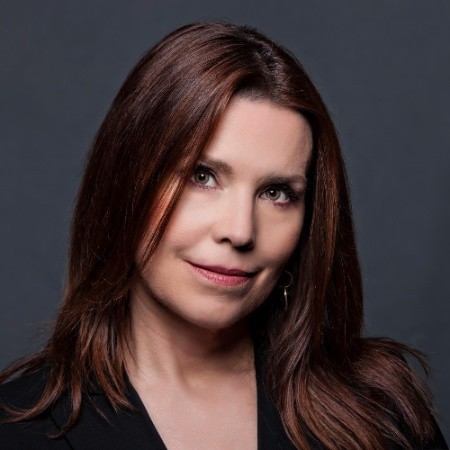
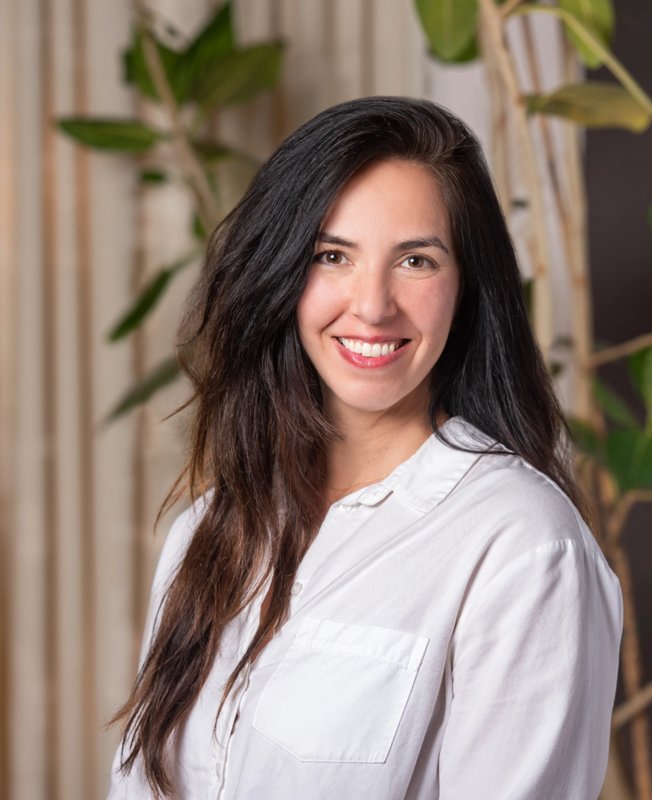
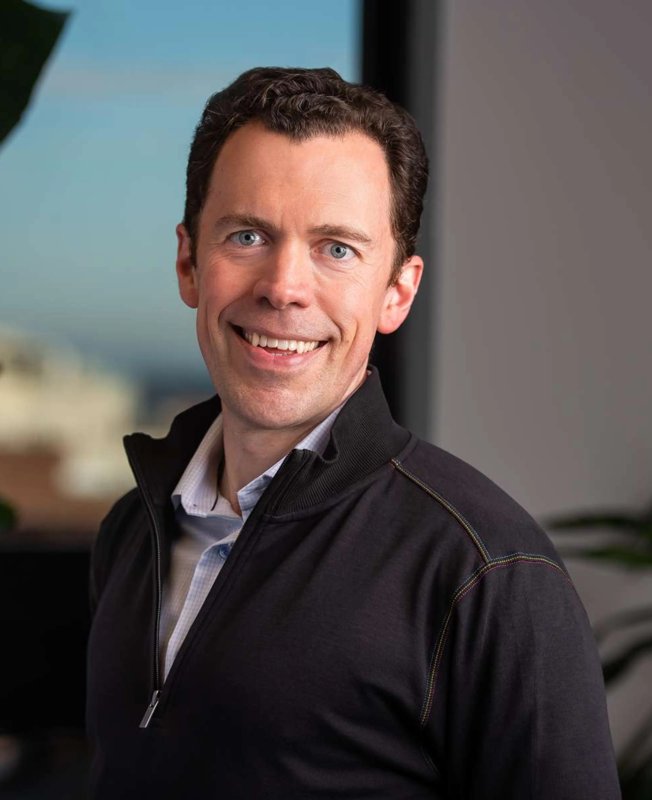
Colleagues at First Round Capital
Network5
Investors connected to Rob in public investor directories — a warm-intro map.
Frequently asked questions
- Who is Rob Hayes in venture capital?
- Robert "Rob" Hayes is the Berkeley and Columbia-trained former Palm product leader and Omidyar Network investor who opened First Round's San Francisco office in 2006 and is now a First Round Board Partner.
- Is Rob Hayes still at First Round in 2026?
- Yes. First Round's current individual page and Board Partners roster list him as Board Partner. That is not the same as an active investment Partner: Columbia says he no longer leads new First Round deals but supports existing companies and invests as an angel.
- Which Rob Hayes is this dossier about?
- The Robert Hayes associated with Palm, Omidyar Network, First Round, UC Berkeley and Columbia MBA '95. Same-name healthcare executives, real-estate investors, academics and Rob Hays without an 'e' are excluded.
- What did he do before venture capital?
- He began in US-Japan trade work, localized and product-managed software at GO and Geoworks, then managed Palm OS, formed Palm Ventures and helped manage the PalmSource separation.
- What did Rob Hayes invest in at Omidyar Network?
- Contemporaneous reporting names Digg, Krugle, Wikia and Metaweb. Those deals belong to Omidyar Network; exact checks, dates and Hayes board rights are not public.
- Which First Round investments did Hayes lead?
- First Round explicitly names Uber, Square, Mint.com, eero, Gnip and Planet Labs. Columbia also identifies his seed leadership in TaskRabbit and company evidence establishes Bowery and several board-backed investments. The entire First Round portfolio is not his personal record.
- How did he find Uber?
- He saw a tweet by prior portfolio founder Garrett Camp, sent a short email, tried UberCab and led First Round's roughly $510,000 seed investment at a reported $4 million pre-money valuation.
- Was Rob Hayes on Uber's board?
- No reliable reviewed source establishes a board seat. He was the lead seed investor and early adviser; later governance criticism should be directed at Uber's investors and board collectively unless a source identifies his individual authority.
- What failed investments or misses are public?
- Hayes admits losing Dropbox over a small valuation gap. Bowery ceased operations in 2024 after failing to finance or sell itself, and eero's acquisition was reported to impair investors and employees. Hayes also says his failures often came from backing teams unable to execute despite good products and markets.
- What does he look for in founders?
- A founder solving a deeply felt problem who can execute, create a market, move between strategic narrative and product detail, coordinate well with co-founders, understand distribution and deliberately build culture.
- What advice does he give first-time founders?
- Hire the right people, do not run out of money and maintain a North Star. His cash tactics include assuming zero revenue, arranging but not planning to use venture debt and sharing the plan with investors.
- What is his current check size?
- No reliable current Hayes-specific range is public. Historic First Round and Omidyar figures are obsolete for current angel activity; founders should ask vehicle, amount, ownership, reserves and board expectations directly.
- What current investments are directly supported?
- Post-transition public evidence supports personal participation in Solo, ShareWell, Barndoor AI and Scorbit, with Kinema supported by his own promotion and directories. None should be labeled a new First Round-led deal absent fund documentation.
- What boards does he currently hold?
- Barndoor AI, Columbia Business School's Board and vice chair of The Noguchi Museum are currently supported. SEC and company records also establish historical or not-currently-verified seats at Bowery, Odeko, Dishcraft, UrbanSitter, DNAnexus, SimpleGeo, Outright and BillFloat.
Same school
Also attended Columbia Business School1,298

+ 1,292 more
Also attended University of California, Berkeley2,000
+ 1,994 more
Shared employers
Also worked at Barndoor AI2
Also worked at Columbia Business School153
+ 147 more
Also worked at Omidyar Network61
+ 55 more