 Fundraising Fox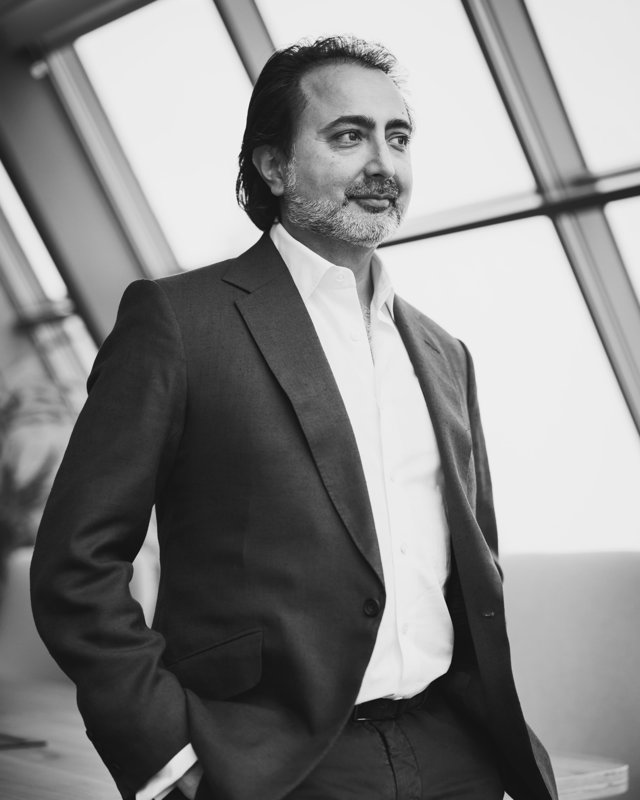
Hemant Taneja
InvestorUnicorn founderCo-founder at Hippocratic AI · General Partner at GC Venture · CEO & Managing Director, General Catalyst at Gold House Ventures · CEO at General Catalyst
San Francisco, CA
Writes $500K – $100M checks · typically $1.3M
FoundedHippocratic AI$3.5B

Midas 2017 · #70Midas 2018 · #47Midas 2019 · #32Midas 2020 · #31Midas 2021 · #32Midas 2022 · #23Midas 2023 · #51Midas 2024 · #10Midas 2025 · #8Midas 2026 · #19
Find your path to Hemant
Sign up to see every warm intro you have to Hemant
- Paths you didn't know you had: your email and LinkedIn already hold routes to Hemant. We find them for you
- 2nd- and 3rd-degree connections: the friend-of-a-friend routes that take hours to manually find through your inbox or LinkedIn
- Answers now, not in days: momentum is everything in a raise. Skip asking around whether someone knows someone
Days of research, done the moment you sign in, with every route ranked by how warm it is.
About
Hemant Taneja became CEO of General Catalyst in 2021 and has reshaped it into a global investment company focused on AI, healthcare, defense, energy, and financial services. His investments include Stripe, Samsara, Gusto, Ro, and Anduril, and he has co-written several books, most recently The Transformation Principles.
Contact· published on Hemant's own website
Invests in
AI & Machine LearningConsumerDefense TechEdTechEnergyEnterprise SoftwareFintechHealthtech
Beyond investing
- Founded
- Co-founded Commure. Co-founded Hippocratic AI. Co-founded Livongo, which was sold to Teladoc for $18.5 billion. Co-founded Transcarent.
- Education
- Holds five degrees from MIT: M.Eng. in EECS, S.M. in Operations Research, S.B. in Biology, S.B. in Mathematics, and S.B. in EECS.
- Awards
- Author of four books, including the 2025 national bestseller The Transformation Principles.
From Hemant's own website — common ground for a warm intro.
Co-founder at Hippocratic AI
Intro paths
In turn, Hemant can intro founders to Hippocratic AI's investors below.
Hippocratic AI's investors · 14





.png)



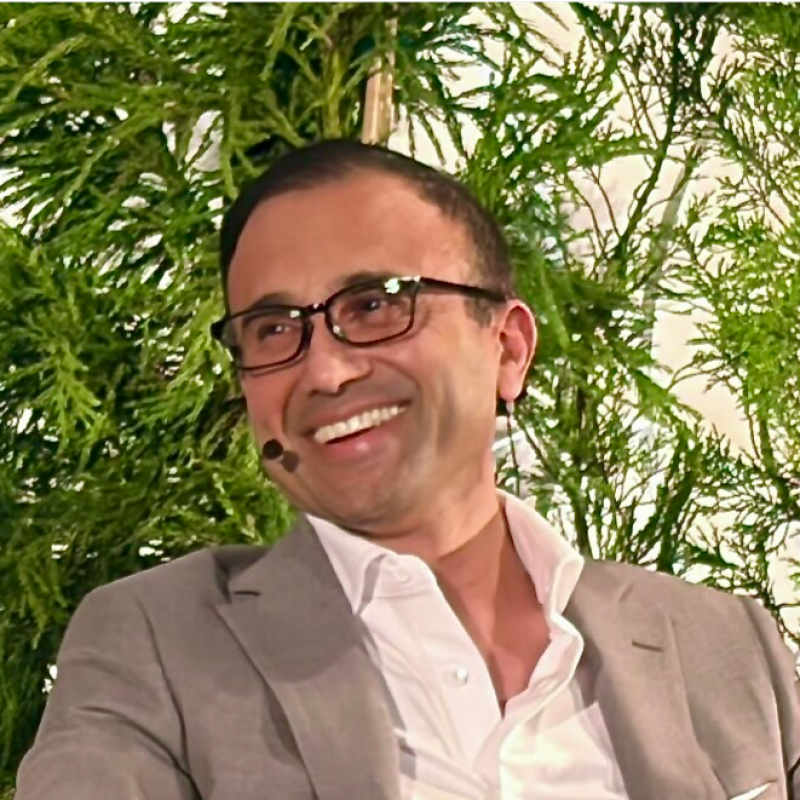
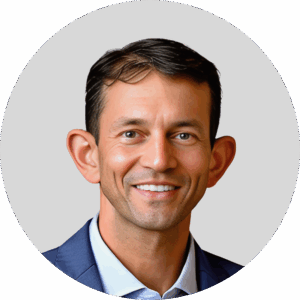
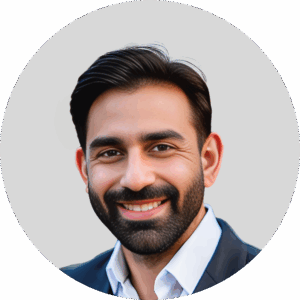
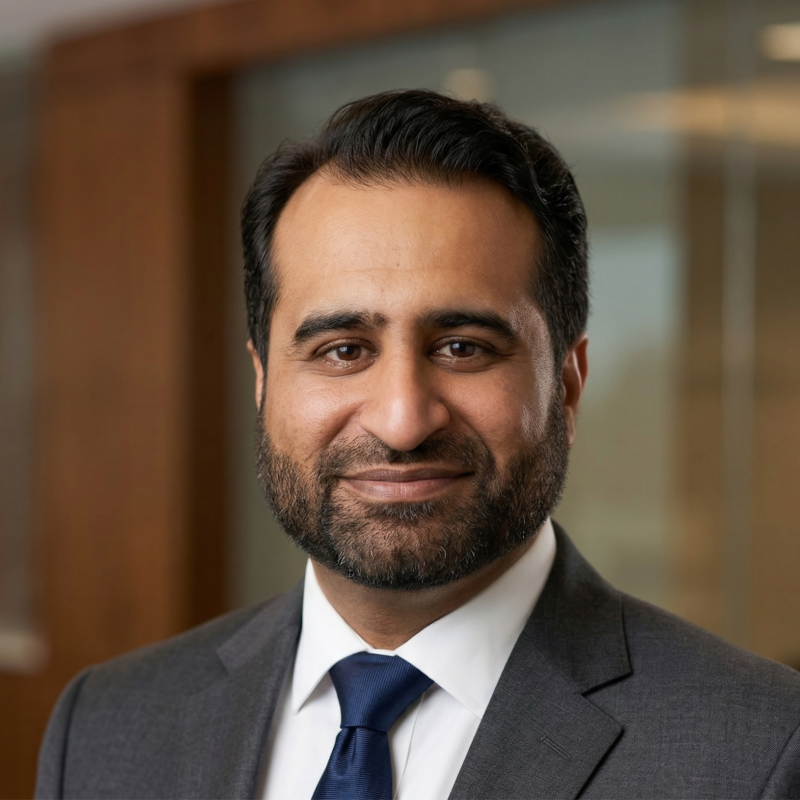
Co-founders at Hippocratic AI

Deals · 4
Hippocratic AILed round
via General Catalyst · filed Nov 2025

PatientKeeperLed round
via General Catalyst · filed Sep 2020

SamsaraLed round
via General Catalyst · filed Dec 2018
Color GenomicsLed round
via General Catalyst · filed Aug 2016
Attribution from SEC filings, press coverage, and firm rosters.
Other disclosed investments
Board seats
Investor
AatmunnAirmapAlsym EnergyAlsym Energy, Altos Labs, Aatmunn, Athelas, Bitwise, Black Ore, BrightInsight, Beacon and CadenceAltos LabsAndurilAnduril IndustriesAnthropicApplied IntuitionAthelasAtoBAvocaBeacon BiosciencesBeacon BiosciencesBetter HealthBitwiseBlack Ore TechnologiesBlack Ore TechnologiesBrightinsightCadenceCadence SolutionsCanvaCazooChai DiscoveryChalkCharm IndustrialCircleCirculo HealthCity BlockClassDojoClearesultCloakedCodaColorCommon NetworksCorvia MedicalCREDCrescendoDGP LabsDigitEight SleepElemyEngramEudiaExamediFactorialFigFlexpaFlowcarbonFourierFractyl HealthFundboxGeneral IntuitionGitlabGrammarlyGridcoGustoHelsingHeydayHighfiveHomewardHumedicaIxlayerJanus Henderson InvestorsJasper HealthJumptapKariusKopperfieldLaceworkLatchBioLatent SpaceLean TechnologiesLivongoLivongo HealthLong LakeLoopm-QubeMainspring EnergyManas AIMapsenseMaribel HealthMascomaMascoma, Stion and other first-wave clean-energy companiesMD AllyMemora HealthMeterMindstrong HealthMistral AIMoonvalleyMYSUNNirvana InsuranceNova CreditOlive AIOsanaOssium HealthPacific FusionParadigmParloaPB Healthcare ServicesPlume ClinicPolymarket Consumer GrowthPreparedPuzzle FinancialRampRe:BuildRe:Build ManufacturingRedesign HealthRelativity SpaceRiverRoSand 9Sentz GlobalSignal AdvisorsSnapSora SchoolsSpring DiscoverySprinter HealthStork ClubStory HealthStripeSubstrateSunBorne EnergySuperhuman (formerly Grammarly)SynapDxTempoTendoThe Interaction Company of CaliforniaThoughtSpotTranscarentTransfyrTruvian SciencesTuneinVialVirtanaWlevatek12Zepto
Sources: curated public sources · the firm's website · the investor's own website.
Controversies & responses
Where Hemant has drawn public criticism — with what happened, their response, and the criticism itself, side by side.
▶Defense expansion creates profit, procurement, and accountability tension2023
- What happened
- Critics of neo-defense venture argue that software lock-in, lobbying, hype, and investor return incentives can distort procurement or reward geopolitical tension. GC's deterrence and responsible-innovation rationale is substantive, but it does not eliminate conflicts created by financial exposure to Anduril, Helsing, and other defense companies.
Founder fit — who Hemant backs
Best-supported fit is an ambitious, intellectually curious founder attacking a large, consequential system with a long time horizon and the capacity to grow into leadership. Taneja values founders who are obsessed with learning, can attract exceptional teams and partners, combine technical command with go-to-market understanding, and can collaborate with incumbents, governments, clinicians, or regulated customers rather than reflexively 'disrupt' them. Strong healthcare founders align improved outcomes, access, experience, and lower cost; industrial, defense, and energy founders understand deployment, policy, procurement, manufacturing, and capital intensity. Early founders need trajectory and raw ambition, not a finished CEO persona. Weak fits include technology searching for a use case, quick-flip orientation, growth dependent on stakeholder harm, point solutions that cannot integrate, founders unwilling to examine second-order effects, or pitches that assume every GC portfolio company was personally led by Taneja.
['AI or technology for its own sake', 'Quick exit as the primary ambition', 'Hyper-engagement or growth that externalizes harm', 'Generic market-size pitch without system insight', 'Point solution that increases healthcare fragmentation', 'No plan for privacy, bias, safety, security, or misuse', 'Naive assumptions about defense procurement, regulation, or industrial scale', 'Founder resists learning or cannot grow with the company', 'Pure disruption rhetoric where trust and collaboration are required', 'Claim that a GC-wide holding proves Taneja personally led the deal', 'Short-duration venture economics imposed on decade-long infrastructure change']
How to pitch
Lead with the consequential system problem, the person or institution that benefits, and the measurable outcome—not the model or feature set. Explain why the market has been ignored, misunderstood, or treated as a commodity; why now; and why your team has both technical depth and unusual learning velocity. Show a long-term category vision, then connect it to near-term proof, distribution, procurement, and unit economics. In healthcare, quantify outcomes, affordability, access, workflow integration, trust, privacy, and reimbursement. In defense, energy, and industrials, address safety, second- and third-order effects, policy, manufacturing, customer concentration, deployment timelines, and capital needs. Present KCIs alongside KPIs and explain how incentives prevent mission drift. State which GC vehicle or capability is relevant and why. Do not ask him to validate a finished persona at seed; show trajectory, candor, recruiting power, and the ability to partner.
Stages: company creation, pre-seed, seed, Series A, growth, late-stage / endurance, structured and customer-value financing, operating-company acquisition · Sectors: applied artificial intelligence, healthcare and health assurance, defense and intelligence, industrials and manufacturing, energy and infrastructure, financial services and fintech, enterprise software, selected consumer and education platforms
Editorial inference from Hemant's portfolio, writing and public record — not a published mandate.
Investment themes
11 documented themes from Hemant's essays, talks and portfolio, grouped by what they say about founders.
▶More themes9
AI as an engine of abundance and resilience2025
AI matters when it modernizes critical systems and expands the supply of scarce expertise, not merely as a standalone technology wave.
For founders: Tie model capability to a durable system outcome, deployment path, and trust architecture.
Growth and good must be engineered together2019
Enduring companies align financial returns with broad stakeholder benefit and proactively design against unintended consequences.
For founders: Show how incentives, governance, product design, and metrics make positive impact durable rather than aspirational.
Key consequence indicators alongside KPIs2022
Taneja proposes measuring energy use, inclusion, equality of access, and whether the promised social problem is actually solved.
For founders: Bring a small auditable KCI set tied to board review and operating decisions.
Build, do not merely judge2021
Early investors should adopt a builder mindset and help unfinished founders scale themselves rather than over-index on judgment and premature governance formality.
For founders: Choose investors for active building fit and show where collaboration could change the trajectory.
Overlooked systems produce generational companies2010
Stripe, Livongo, and Samsara illustrate his attraction to markets dismissed as commodity, too complex, or outside mainstream venture fashion.
For founders: Explain the hidden structural change that makes an ignored market investable now.
Efficiency is insufficient in critical infrastructure2023
Pandemics, war, energy shocks, and supply-chain disruption justify more redundancy, patient capital, public-private coordination, and regional capability.
For founders: Quantify resilience value and identify who pays for redundancy, sovereignty, or reliability.
Capital should fit the company, not force one venture template2022
GC uses creation, early venture, growth, customer-value financing, structured capital, and operating companies to reduce dilution and support longer transformations.
For founders: Match each capital source to the asset, risk, duration, and return profile instead of raising undifferentiated equity.
Technology, policy, and capital must mature together2023
After first-wave losses, Taneja argues climate deployment requires market certainty, experienced builders, suitable duration, and radical collaboration.
For founders: Present the policy dependency, project economics, manufacturing path, and financing stack explicitly.
Deterrence and democratic resilience with limits2023
GC frames defense software as necessary for deterrence while claiming a boundary against day-one offensive systems and requiring deeper consequence analysis.
For founders: Define mission, authorized use, human oversight, export and misuse controls, civilian-harm risk, and accountability.
▶Founders & company building1
Bet on trajectory, learning, and excellence2025
He favors founders with raw ambition, learning obsession, magnetic recruiting, and the capacity to become global leaders.
For founders: Demonstrate fast learning, evolving leadership, talent density, and a high standard of execution.
▶Health, frontier & community1
Health assurance over episodic sick care2020
The health-assurance thesis aims for proactive, affordable, accessible care through data, consumer design, integrated platforms, aligned risk, and health-system collaboration.
For founders: Show improved health and lower cost together, not engagement or billing efficiency alone.
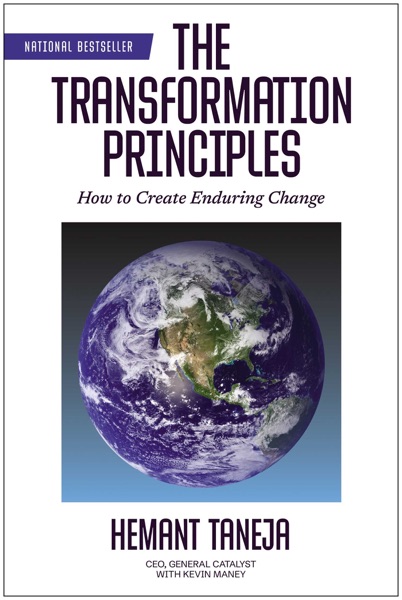
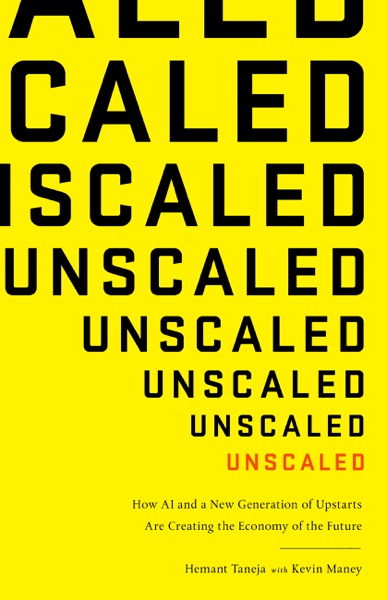
Books by Hemant Taneja
Podcasts & interviews
featuring Hemant TanejaGeneral Catalyst CEO, Hemant Taneja: Lessons Scaling GC to $40BN in AUM
20VC with Harry Stebbings
General Catalyst's First-Ever Quarterly Review | CEO Hemant Taneja
Sourcery with Molly O'Shea
General Catalyst CEO Hemant Taneja explains how India can catch-up to US & China in AI
ANI News
Deal Talk with Hemant Taneja
Moonfare · moonfare.com
Deal Talk: Hemant Taneja, CEO of General Catalyst – Great founders always strive for excellence
Moonfare
The AI opportunity is the energy opportunity, says General Catalyst CEO Hemant Taneja
CNBC Television
6 more appearances
- 20VC: General Catalyst CEO Hemant Taneja2025-09-22
- Inside General Catalyst’s $1B+ Bet on Fixing Healthcare | Hemant Taneja (CEO and Managing Partner)2025-08-12
- General Catalyst CEO Hemant Taneja on the investing landscape, impact of AI technology2024-10-24
- Engineering Global Resilience2024-07-31
- Hemant Taneja, Managing Partner and CEO of General Catalyst2024-05-08
- Why General Catalyst is Bullish on Climate Tech2023-01-01
Writing
Book with Kevin Maney presenting nine principles for investors, company builders, and careers amid AI and geopolitical change.
First-person transaction rationale, health-assurance ecosystem strategy, leadership transition, and executive-chair role.
GC-wide strategy paper connecting healthcare, industrial policy, defense, deterrence, public partnership, and responsible innovation.
Investment retrospective on founder selection, overlooked markets, follow-on conviction, stakeholders, and the IPO.
First-person definition of growth-and-good alignment and announcement of Responsible Innovation Labs.
Practical extension of the responsible-innovation framework.
5 more posts
Colleagues at GC Venture
Network14






▶2 more connections
Investors connected to Hemant in public investor directories — a warm-intro map.
Frequently asked questions
- What is Hemant Taneja's current role?
- He is General Catalyst's CEO and Managing Director. He became the firm's sole managing partner in early 2021, while GC continued to operate as a partnership.
- When did he join General Catalyst?
- The strongest chronology says 2002 as an entrepreneur-in-residence, managing director from September 2007, Palo Alto expansion around 2010-2011, and CEO/sole managing partner from 2021. Some later biographies round the join date to 2001 or April 2003.
- What does he invest in?
- His current focus is applied AI across healthcare, defense, industrials, energy, and financial services, with older and selective work in enterprise, consumer, education, and climate. He invests from company creation and seed through growth and structured capital.
- Which investments are most directly attributable to him?
- Stripe, Snap, Livongo, Samsara, Gusto, Grammarly, Anduril, Applied Intuition, Ro, Fundbox, Commure, Transcarent, Hippocratic AI, Anthropic, and Helsing have the strongest official, first-person, board, or transaction support, with differing degrees of lead attribution.
- Are those personal investments?
- Generally no. They are principally General Catalyst fund, creation, growth, customer-value, or affiliated-company activities. Reviewed public sources did not establish a broad personal angel portfolio, and fund commitments or filing-reported institutional holdings should not be treated as his personal checks.
- Which companies did he co-found?
- GC's current profile names Commure, Hippocratic AI, Livongo, and Transcarent. He also founded Isovia and co-founded nonprofit or operating institutions including Advanced Energy Economy, Responsible Innovation Labs, and HATCo. 'Co-created' does not mean he was each startup's day-to-day CEO.
- What does responsible innovation mean in his framework?
- Build business models, governance, culture, and metrics for both growth and societal benefit; ask who benefits or is excluded; anticipate unintended consequences; and track key consequence indicators alongside financial KPIs.
- What should a founder emphasize in a pitch?
- Lead with a consequential end-user outcome, an overlooked system insight, founder learning trajectory, technical and go-to-market depth, a long-term mission, and near-term evidence. Explain capital, deployment, regulation, safety, stakeholders, and consequence metrics—especially in healthcare, defense, energy, and industrials.
- What failures are material to his record?
- He says GC's first climate-tech strategy lost more than $100 million. Olive AI later shut down after rapid growth, layoffs, and lack of focus. GC also missed the lead rounds in important companies such as Snap before investing later. Exact fund-level losses and returns are not public.
- How does defense investing fit his responsible-innovation claims?
- GC argues that modern software and autonomous systems improve deterrence, precision, democratic resilience, and troop safety, and says it avoids day-one offensive systems. Critics answer that financial incentives, lobbying, procurement lock-in, and battlefield risk demand stronger external oversight. The tension is real and the published GC limits are self-described, not independently audited.
- What is controversial about GC's healthcare strategy?
- HATCo's move to acquire nonprofit Summa Health drew concerns about valuation, private benefit, patient care, and using a health system as a technology proving ground. Ohio conditionally approved the deal with added consideration, local governance, service protections, reporting, and state oversight.
- What is his education?
- He holds five MIT degrees: S.B.s in EECS, Mathematics, and Biology; an M.Eng. in EECS; and an S.M. in Operations Research. MIT alumni materials indicate the undergraduate degrees were completed in 1997 and graduate degrees in 1999.
- What books has he written?
- Unscaled (2018), UnHealthcare (2020), Intended Consequences (2022), and The Transformation Principles (2025), all developed with writer Kevin Maney; Stephen Klasko also co-authored UnHealthcare.
- What public family and philanthropic background is verified?
- He is married to Jessica Schantz Taneja and they have three children. They support education, including MIT.nano and Khan Lab School, and joined the Giving Pledge in 2024. His parents are publicly named Shiv and Santosh Taneja; more private family details are excluded.
Founder mafias
Massachusetts Institute of Technology mafia1,487
Also came through, then founded or led a company.



MIT Sloan School of Management mafia446
Also came through, then founded or led a company.

Stripe mafia157
Also came through, then founded or led a company.

General Catalyst mafia41
Also came through, then founded or led a company.

Gusto mafia28
Also came through, then founded or led a company.


About this profile. Compiled from public sources — GC Venture's own website, regulatory filings, press coverage and public professional profiles — and summarised by Fundraising Fox; every fact is kept with where it came from. Spotted an error, or would rather not be listed? Email privacy@fundraisingfox.com · How we build profiles · Your rights