 Fundraising Fox
Brad Feld
InvestorFounderInvestor at Techstars · General Partner at High Alpha · General Partner at Foundry
Boulder, CO
Writes $5M – $15M checks
FoundedTechstars
Find your path to Brad
Sign up to see every warm intro you have to Brad
- Paths you didn't know you had: your email and LinkedIn already hold routes to Brad. We find them for you
- 2nd- and 3rd-degree connections: the friend-of-a-friend routes that take hours to manually find through your inbox or LinkedIn
- Answers now, not in days: momentum is everything in a raise. Skip asking around whether someone knows someone
Days of research, done the moment you sign in, with every route ranked by how warm it is.
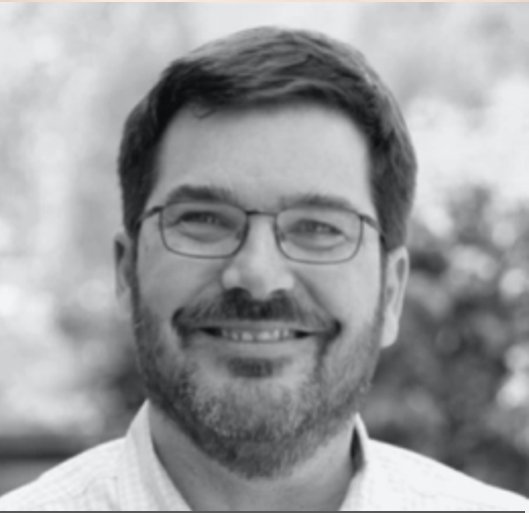
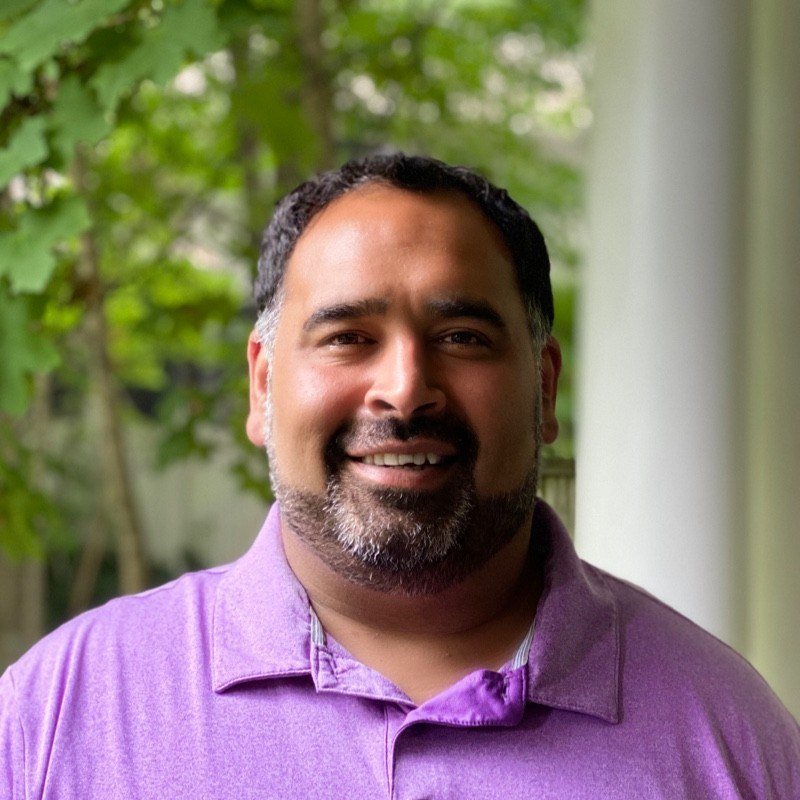
Photo: A.b.s, CC BY-SA 3.0, via Wikimedia Commons ↗
About
Brad Feld co-founded the Boulder venture firm Foundry and the accelerator Techstars, after earlier partnerships at Mobius Venture Capital and years of angel investing. He is equally known for his writing, including Venture Deals, the standard reference on term sheets, and a long-running blog on startups, community building, and mental health.
Contact· published on Brad's own website
Invests in
Cloud ComputingConsumerCrypto & Web3Deep TechDeveloper ToolsFuture of WorkHardwareMarketplacesRoboticsWellness & Fitness
Beyond investing
- Founded
- Feld co-founded Feld Technologies, a custom software development startup, in 1987 while a student at MIT. Feld co-founded the accelerator and early-stage fund Techstars in 2006 with David Cohen, David Brown, and Jared Polis. Feld founded Intensity Ventures and co-founded Mobius Venture Capital before Foundry Group. Feld dates practical operations to 1985 and formalization with Dave Jilk to 1987. Their one-page agreement and nominal $10 capitalization supported a profitable business sold in 1993.
- Education
- Studied at Massachusetts Institute of Technology (BS, Management Science) Studied at MIT
- Boards
- Feld has served on the board of the nonprofit National Center for Women & Information Technology and is its chair. Feld has served on the board of the nonprofit Startup Colorado. Feld is chair of the Global EIR Coalition. Feld is on the board of Path Forward. Feld is on the board of the Kauffman Fellows. Feld is on the board of Defy Ventures. Feld has been an advisor to the Global EIR Program.
- Charities
- Boulder Community Health credits Batchelor and Feld with its Mental Health Endowment and documents a $2 million 2022 caregiver-wellness gift.
- Communities
- Feld has written the Feld Thoughts technology venture blog since 2005 and is a member of the Xconomists, editorial advisors for Xconomy.
- Hobbies
- Feld is an art collector and long-distance runner who has completed 24 marathons in a mission to run one in each of the 50 states.
- Family
- Feld is married to Amy Batchelor, with whom he has co-authored a book and lived in Boulder since 1995. They met in college in 1984, became a couple in 1990, married in 1993, and nearly separated in 2000. They co-authored Startup Life, run Anchor Point, and have publicly said they have no children.
- More
- Feld was born in Arkansas and grew up in Dallas, Texas, moving to Cambridge in 1983 to attend MIT. Sage Alerting Systems acquired Feld Technologies in November 1993 and became AmeriData; GE Capital later acquired AmeriData. Intensity Ventures is Feld's later personal vehicle. No reviewed primary source supports an Intuit connection. Feld says he invested much of his sale proceeds into roughly forty startups in 1994-1995, at one point leaving under $100,000 liquid. This aggregate does not establish a complete attributable list. Feld calls the 1997 fund successful, the 1999 fund a disaster, and the 2000 fund initially rocky. He reports more than twenty-five boards, thousands of layoffs, and over a dozen shutdowns. These are first-person assessments, not audited returns. The Feld-co-founded, co-chaired hosting company went public in 1999 and reached roughly $3 billion in market capitalization, but its approximately $200 million revenue base was losing about $5 million monthly before collapse. The four founders raised their first fund in 2007 after ending new Mobius fundraising. Foundry says it did not intend a multigenerational franchise and made Foundry 2022 its final fund. Feld said he contributed his founder interest around 2010 as Foundry increasingly backed Techstars companies, reducing conflict discomfort. Exact legal terms remain private. Feld says he was diagnosed with OCD in his twenties, experienced a hidden two-year depression around the company sale, and had later episodes including 2013. He speaks to reduce stigma and rejects calling OCD a superpower. Feld identifies as an art collector and long-distance runner and has completed at least twenty-five marathons toward a fifty-state goal. He periodically reduces work, media, and public obligations to restore energy.
Mentioned above: the Techstars mafia → · the Massachusetts Institute of Technology mafia →
From Brad's own website — common ground for a warm intro.
Co-founder at Techstars
Intro paths
In turn, Brad can intro founders to Techstars's investors below.
Techstars's investors · 12


Co-founders at Techstars
Investments
Investor
AderoAnything WorldApproximately forty early startupsAvidXchange, Inc.BigDoorBolsterBoltBoundlessCheezburgerCloudtagsCodesparkCohero HealthConnectDataPowerEVELO.EventVueFeedBurnerFideo IntelligenceFilamentFitbitGistGnipHarmonix Music SystemsHarmonixmusicInterliantJumpCloudKabila Founder Mental Health FundKatoKuli KulilittleBits ElectronicsLooking Glass FactoryLOOMIAMadKastMakerBotMarkup AIMighty AIMobileDayModular RoboticsMozNetGenesisNew MoonNimaOblong IndustriesOneRiotOnTheGo PlatformsPioneer Square LabsPLANETARIANSPumpkinHeadRally SoftwareRealWearReturn PathRoverRover GroupSendGridServiceMagicShelfariSitrionSpheroSpheroStanding CloudStreamTaoWeaveTauntTechstarsTechstars accelerator portfolioTrustifyVendastaVengoWallStripWanderuXometryYeswareZynga
Per curated public sources.
Controversies & responses
Where Brad has drawn public criticism — with what happened, their response, and the criticism itself, side by side.
▶Techstars faced culture and strategy criticism2023
- What happened
- 2024 reporting described complaints about culture, centralization, layoffs, corporate-program dependence, and closures under CEO Maëlle Gavet. Feld was a founder, director, and Foundry-affiliated owner, but reporting centered on executives and established no personal misconduct by Feld.
Founder fit — who Brad backs
Best-supported fit is a technically curious, self-aware founder with a working product, real users, a non-obvious view of a durable technology shift, willingness to discuss hard facts directly, and an ambition to build a lasting company and community. Feld is especially aligned with founders who value transparent venture mechanics, active but non-controlling boards, mentorship, and giving before taking. Weak fit includes pure science without deployable technology, vanity metrics without customer learning, opaque financing, transactional networking, founders who hide bad news, and teams seeking only capital rather than a long-duration relationship.
['Pure science with no deployable product', 'Slideware unsupported by users or learning', 'Short-term trend chasing', 'Opaque cap table or unnecessarily complex terms', 'Founder who hides bad news', 'Transactional networking with immediate expected return', 'Capital-first relationship with no interest in partnership', 'Unbounded scaling before economics or customer evidence', 'Attempt to exploit Techstars affiliation as automatic Foundry access']
How to pitch
Lead with the product, customer, problem, and evidence. Explain the long technology arc and why now; show how the product gives users a new capability; state what is known, unknown, and recently learned; identify the next financing milestones; and be candid about risks. Keep terms and ownership expectations legible. Describe why the specific Foundry network or Feld's experience is useful, not merely prestigious. Do not imply that Techstars participation guarantees investment. Foundry's final-fund status also matters: the firm continues investing from Foundry 2022, but founders should verify current capacity, responsible partner, and timing.
Stages: angel, seed, Series A, Series B, select growth and follow-on, venture-fund commitments · Sectors: software and internet, developer and data infrastructure, future of work, B2B technology for underserved industries, consumer networks, human-computer interaction, robotics and connected devices, marketplaces, health and wellness technology, startup infrastructure and venture funds
Editorial inference from Brad's portfolio, writing and public record — not a published mandate.
Investment themes
8 documented themes from Brad's essays, talks and portfolio, grouped by what they say about founders.
▶More themes5
Long technology arcs and thematic investing2008
Foundry builds deep views around technologies and markets that can generate clusters of opportunities over years.
For founders: Explain the durable shift and why the product is native to it.
Network-driven investing2016
Foundry institutionalized investment in seed managers and used those relationships as a source of company opportunities.
For founders: Warm network evidence helps, but does not replace product proof.
Trust and simple deals2012
Feld uses his one-page founding agreement to argue for clear terms, trusted counsel, and focus on material issues.
For founders: Present a clean cap table, explicit terms, and trustworthy behavior.
Give First without transactional expectation2006
Give First means helping without immediate expectation of return; Feld also discusses boundaries and potential misuse.
For founders: Seek and provide specific help without treating relationships as transactions.
Survival, obligation, and learning after collapse2001
Mobius and Interliant failures anchor Feld's emphasis on confronting reality, supporting people, and honoring LP obligations.
For founders: Bring bad news early, preserve runway, and define shutdown or pivot decisions.
▶Governance & network states1
Boards as active founder resources2013
Startup Boards and decades of board work frame governance as a working relationship, not ceremonial oversight.
For founders: Show willingness to communicate bad news and use independent judgment.
▶Health, frontier & community2
Entrepreneur-led startup communities2012
Feld argues durable ecosystems are led by entrepreneurs, inclusive, long-term, and animated by continual activities.
For founders: Demonstrate contribution to the ecosystem beyond extracting capital.
Mental health is part of founder health2013
Feld discusses depression, anxiety, and OCD to reduce stigma and rejects glamorizing illness.
For founders: Build support systems and treat mental health as operating reality.
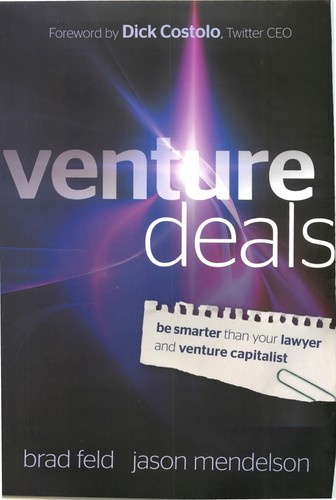
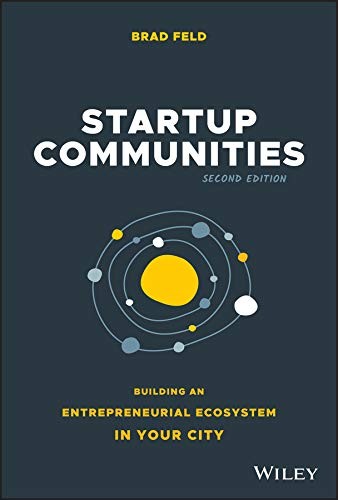
Books by Brad Feld
Podcasts & interviews
featuring Brad FeldColorado Innovators: Brad Feld, Partner at Foundry Group
The Bear Roars
Rebooting The Founders' Journey, Brad Feld - Partner at Foundry
The Reboot Chronicles with Dean DeBiase
Tech Scenes Unplugged with Brad Feld, Partner at Foundry and Co-founder of Techstars
Collective Genius
Co-Founder of Foundry Group Brad Feld on The Shades of Entrepreneurship
The Shades of Entrepreneurship
Why Foundry Isn't Raising a New Fund
The Full Ratchet · fullratchet.net
Episode #44 Brad Feld, MD of Foundry Group, VC fund with nearly $3 billion of AUM
Andrew Romans
6 more appearances
- Investing in the Future: Brad Feld, co-founder, Foundry Group and Techstars2021-01-20
- The Startup Community Way with Brad Feld (Foundry Group)2020-09-03
- New Normal: Conversation with Brad Feld of Foundry Group2020-08-05
- The Tim Ferriss Show #4482020-07-24
- Brad Feld, Foundry Group: Apoyando a la siguiente generación de inversores y emprendedores. Ep, 52020-01-31
- Brad Feld Profile
Writing
Mentorship philosophy, boundaries, leadership, and startup-community practice.
With Amy Batchelor; candid relationship guidance for entrepreneurial lives.
With David Cohen; Techstars lessons on ideas, people, execution, product, fundraising, structure, and balance.
Colleagues at Techstars
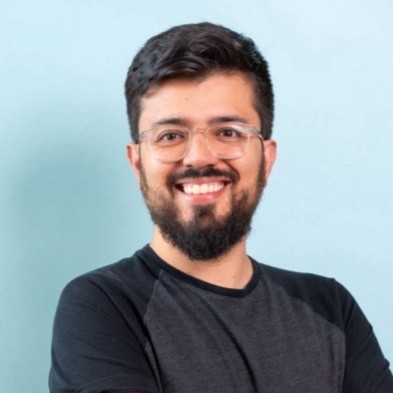
Network15
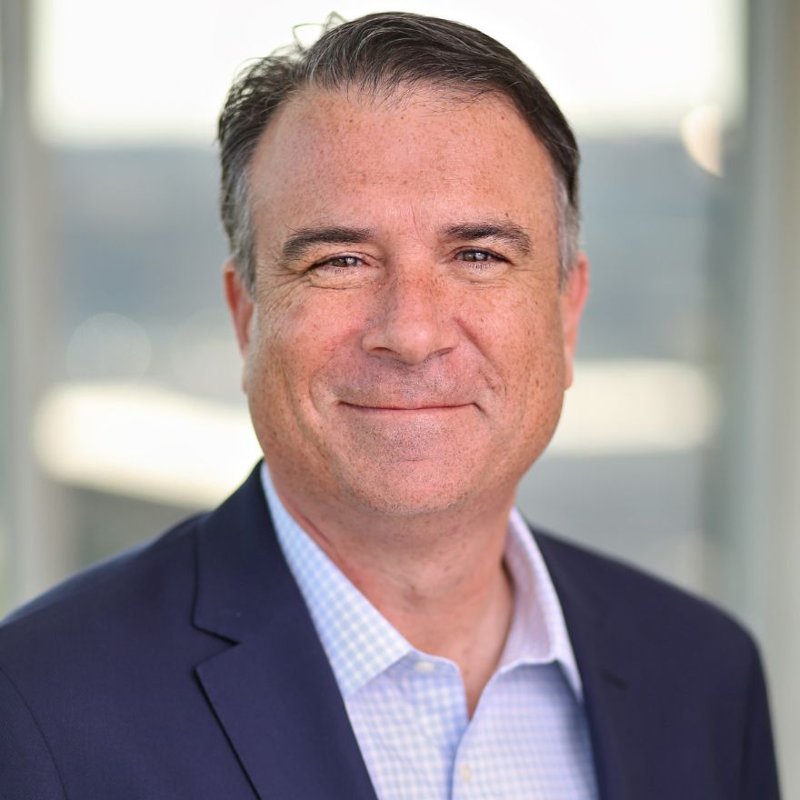
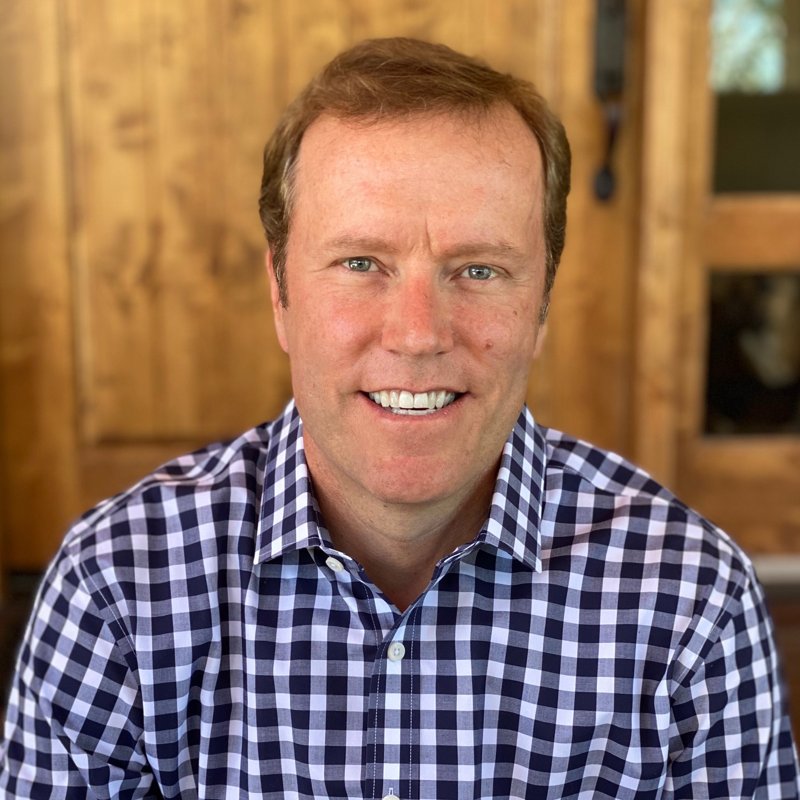
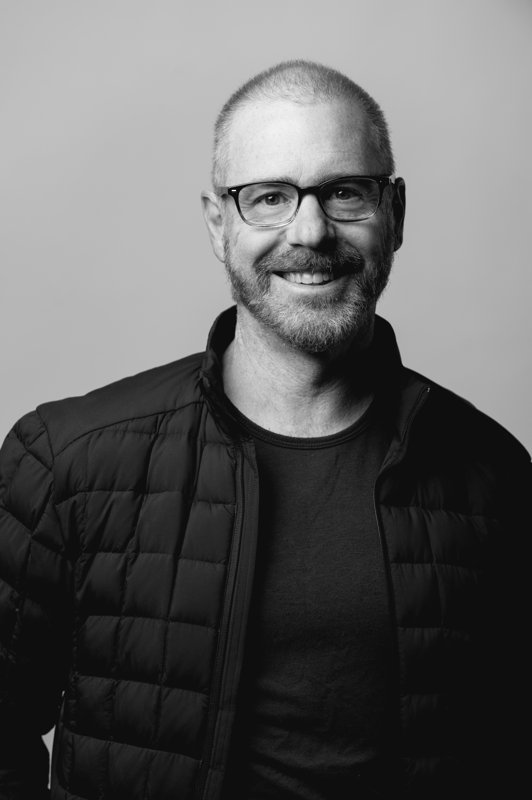
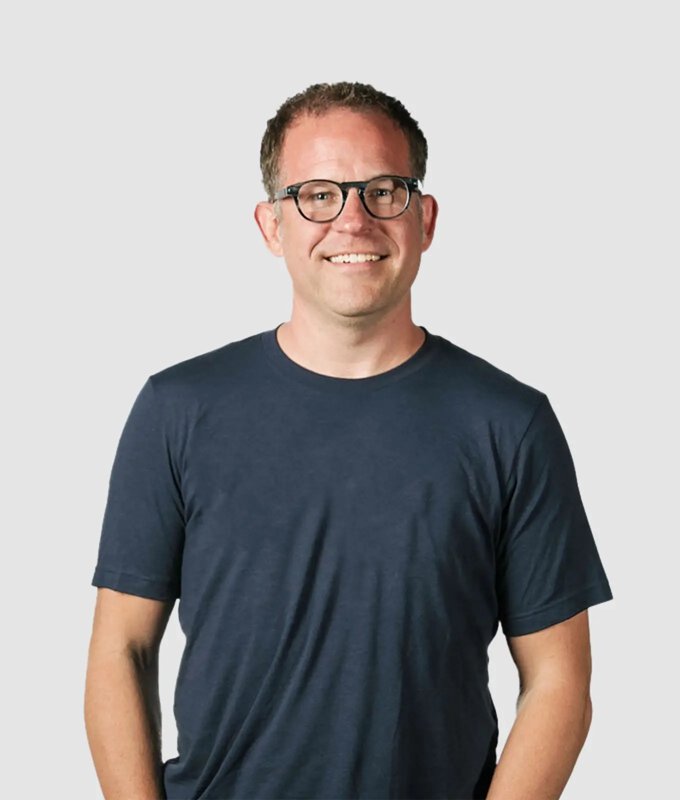
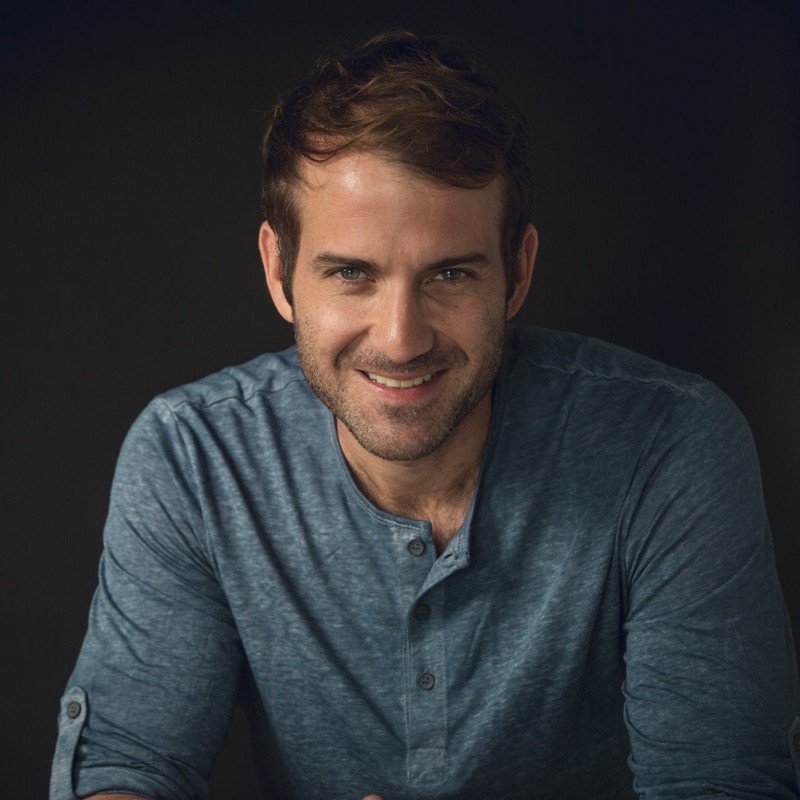
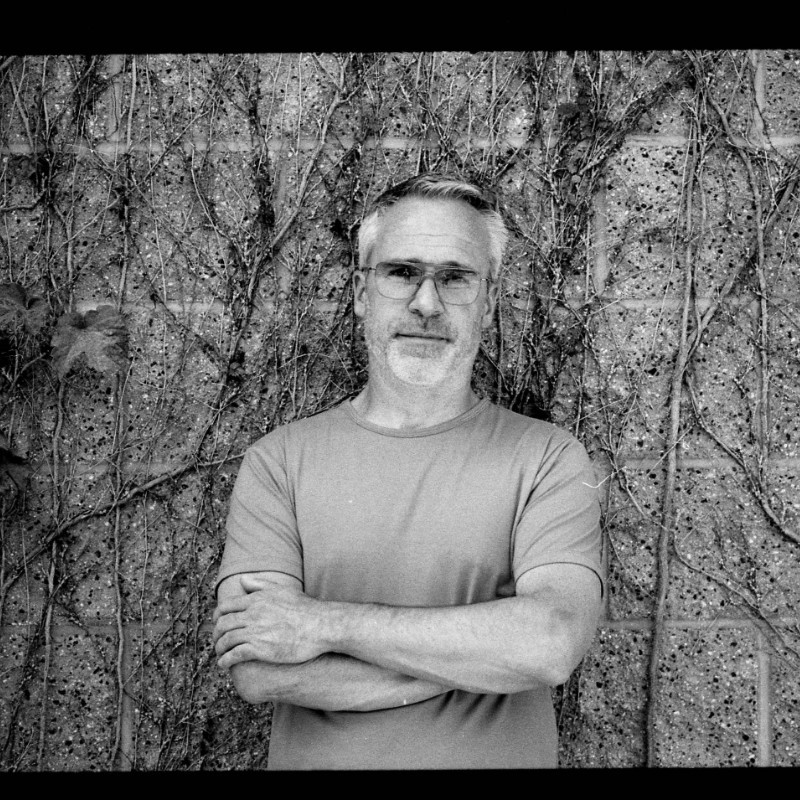
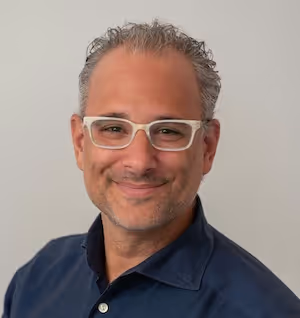
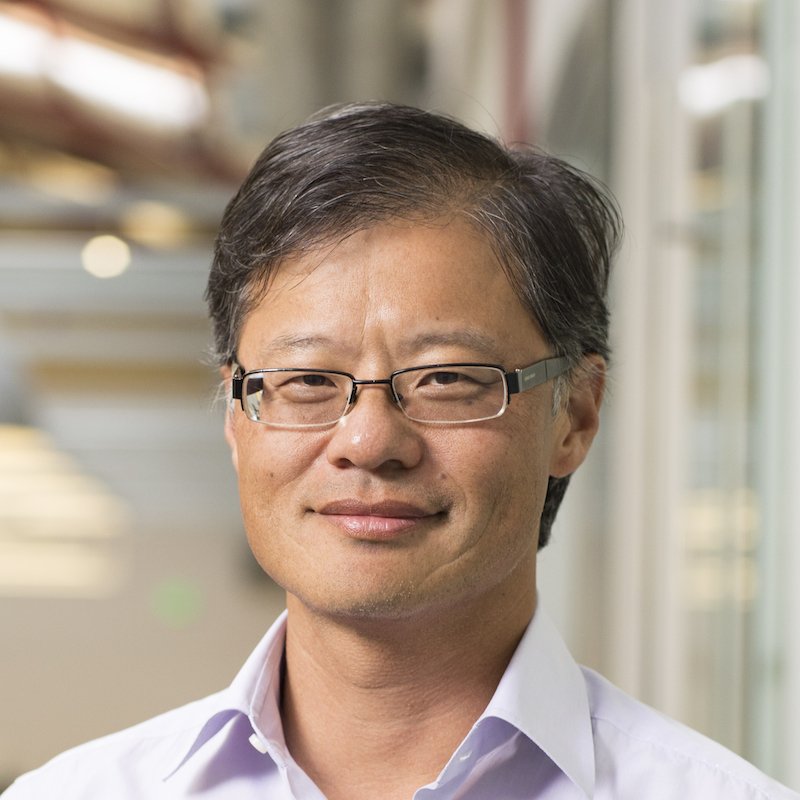
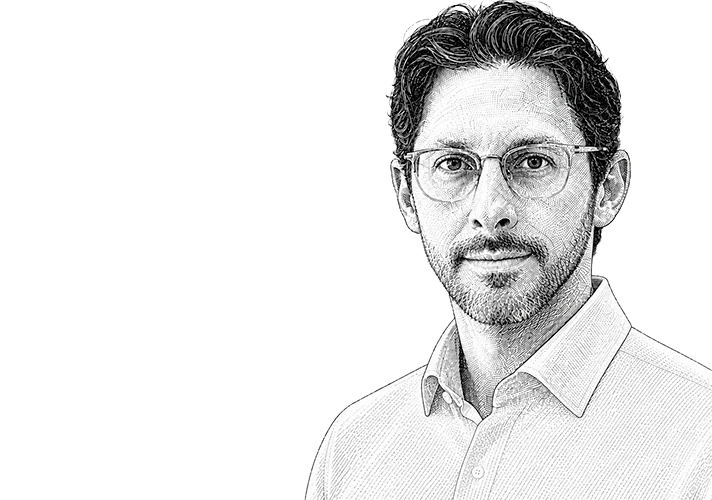
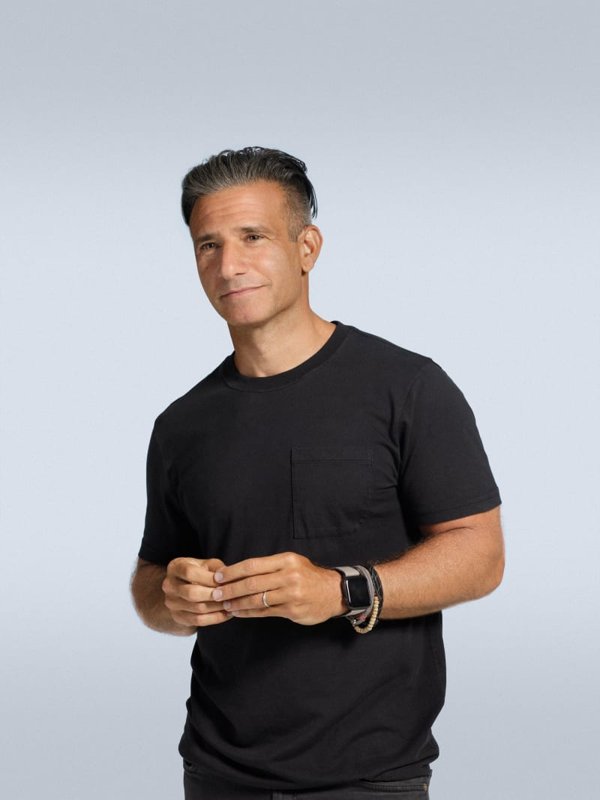
▶3 more connections
Investors connected to Brad in public investor directories — a warm-intro map.
Frequently asked questions
- Did Brad Feld work at Intuit?
- No reviewed primary source supports that claim. Feld Technologies was acquired by Sage Alerting Systems/AmeriData in 1993; Intensity Ventures was Feld's personal investment vehicle.
- Is Brad Feld still investing through Foundry?
- Yes, within a finite runway. Foundry 2022 is the final fund, but Foundry said it would continue initial investments from it and support the portfolio for at least a decade.
- Are all Foundry portfolio companies Brad Feld investments?
- No. Foundry is an equal collaborative partnership. Strong Feld attribution requires a board role, authored account, filing, or direct statement; fund ownership is not automatically personal ownership.
- Are all Techstars companies Brad Feld investments?
- No. Feld co-founded and serves on the board of Techstars, but accelerator vehicles made the investments. Foundry also invested in Techstars and selected alumni; those are separate layers.
- What happened to Mobius Venture Capital?
- The dot-com crash damaged later funds. The partners chose in 2006 not to raise another fund, while Feld and Jason Mendelson continued managing legacy assets for LPs.
- What does Feld look for in founders?
- His writing and Foundry guidance support technically curious, trustworthy founders with a working product, live customers, early product-market evidence, a durable technology view, and willingness to discuss bad news directly.
- How should a founder pitch Feld or Foundry?
- Lead with product, customer evidence, market shift, learning, risks, and milestones. Explain why Foundry is specifically useful, keep terms clear, and verify current final-fund capacity.
- What failures are material?
- Interliant went public and then failed; Feld says Mobius's second fund was a disaster, later funds struggled, and more than a dozen companies shut down. He treats these as formative rather than minimizing them.
- What controversy is documented?
- Techstars faced 2023-2024 criticism over culture, centralization, layoffs, corporate partnerships, and closures. Feld had founder, board, and investor connections, but reporting did not establish personal misconduct by him.
- What has Feld disclosed about mental health?
- He has discussed OCD diagnosed in his twenties, anxiety, and multiple depressive episodes, including a hidden depression around the 1993 sale and another in 2013.
- What books has he written?
- His nine books are Do More Faster, Venture Deals, Startup Communities, Startup Life, Startup Boards, Startup Opportunities, The Startup Community Way, The Entrepreneur's Weekly Nietzsche, and Give First.
- What awards has he received?
- No major formal personal award was verified in reviewed primary sources. Current official biographies emphasize roles, books, nonprofit service, running, and investing rather than awards.
- Who is Brad Feld?
- Brad Feld co-founded the Boulder venture firm Foundry and the accelerator Techstars, after earlier partnerships at Mobius Venture Capital and years of angel investing. He is equally known for his writing, including Venture Deals, the standard reference on term sheets, and a long-running blog on startups, community building, and mental health.
- Where does Brad Feld work?
- Brad Feld is Co-founder of Techstars and at Techstars and General Partner at High Alpha and General Partner at Foundry.
Founder mafias
Techstars mafia2,500
Also came through, then founded or led a company.

Massachusetts Institute of Technology mafia1,485
Also came through, then founded or led a company.

MIT Sloan School of Management mafia445
Also came through, then founded or led a company.
Formlabs mafia12
Also came through, then founded or led a company.


High Alpha mafia10
Also came through, then founded or led a company.
About this profile. Compiled from public sources — Techstars's own website, press coverage and public professional profiles — and summarised by Fundraising Fox; every fact is kept with where it came from. Spotted an error, or would rather not be listed? Email privacy@fundraisingfox.com · How we build profiles · Your rights