 Fundraising Fox
Lyft
NASDAQ: LYFTSan Francisco, US · Incorporated in Delaware · Public · 66 known investors
Find your way into Lyft
Sign up to see every warm intro you have to Lyft
- Paths you didn't know you had: your email and LinkedIn already hold routes to the Lyft team. We find them for you
- 2nd- and 3rd-degree connections: the friend-of-a-friend routes that take hours to manually find through your inbox or LinkedIn
- Answers now, not in days: momentum is everything in a raise. Skip asking around whether someone knows someone
Days of research, done the moment you sign in, with every route ranked by how warm it is.
Lyft is an on-demand ridesharing platform that connects passengers with drivers for various ride types, including standard rides, premium options, and other transportation services. The company also offers membership programs, business solutions, and community-focused services.
Also known as Lyft, Inc. · Zimride
Founders & leadership


Investors · 66

How we know: the VCSheet dataset · open dataset · 5k.vc investor directory · Not right? Tell us
How we know: Aliya Capital Partners's portfolio page · Not right? Tell us
How we know: Alpha Wave Global's portfolio page · Not right? Tell us

How we know: a16z's portfolio · the S-1 prospectus · research · en.wikipedia.org · open dataset · 5k.vc investor directory · Not right? Tell us
How we know: a partner's Signal profile · Not right? Tell us

How we know: Bling Capital's portfolio page · the VCSheet dataset · Not right? Tell us

How we know: a partner's Signal profile · Not right? Tell us

How we know: open dataset · 5k.vc investor directory · Not right? Tell us

How we know: Collaborative Fund's portfolio page · the VCSheet dataset · open dataset · 5k.vc investor directory · Not right? Tell us

How we know: Comcast Ventures's portfolio page · the VCSheet dataset · Not right? Tell us

How we know: craftventures.com · open dataset · 5k.vc investor directory · Not right? Tell us

How we know: EQUIAM's portfolio page · Not right? Tell us

How we know: Felicis Ventures's portfolio page · Not right? Tell us

How we know: Floodgate's portfolio page · the VCSheet dataset · open dataset · 5k.vc investor directory · Not right? Tell us
How we know: Fontinalis Partners's portfolio page · a partner's Signal profile · the VCSheet dataset · Not right? Tell us

How we know: Founders Fund's portfolio page · Wikidata · open dataset · 5k.vc investor directory · Not right? Tell us


How we know: Graphene Ventures's portfolio page · open dataset · 5k.vc investor directory · Not right? Tell us
How we know: Green Sands Equity's portfolio page · Not right? Tell us


How we know: InMotion Ventures's portfolio page · Not right? Tell us

How we know: K5 Global's portfolio page · Not right? Tell us
How we know: K9 Ventures's portfolio page · the VCSheet dataset · Not right? Tell us
How we know: Kortschak Investments L.P.'s portfolio page · Not right? Tell us

How we know: M13's portfolio page · open dataset · 5k.vc investor directory · Not right? Tell us

How we know: Manhattan Venture Partners's portfolio page · Not right? Tell us

How we know: Mayfield Fund's portfolio page · a partner's Signal profile · the VCSheet dataset · open dataset · 5k.vc investor directory · Not right? Tell us
How we know: Milliways Ventures's portfolio page · Not right? Tell us
How we know: NextEquity Partners's portfolio page · Not right? Tell us

How we know: Oceanic Partners's portfolio page · Not right? Tell us
How we know: Olympus Partners's portfolio page · Not right? Tell us

How we know: Parkway Venture Capital's portfolio page · Not right? Tell us

How we know: the VCSheet dataset · open dataset · 5k.vc investor directory · Not right? Tell us

How we know: Rakuten Capital's portfolio page · techcrunch.com · open dataset · 5k.vc investor directory · Not right? Tell us

How we know: Rocketship.vc's portfolio page · Not right? Tell us
How we know: Sampac Tech Fund's portfolio page · Not right? Tell us

How we know: SparkLabs Korea's portfolio page · Not right? Tell us
How we know: STARTUP IGNITION VENTURES's portfolio page · Not right? Tell us

How we know: Studio VC's portfolio page · Not right? Tell us
How we know: Temerity Capital Partners's portfolio page · Not right? Tell us
How we know: Tenaya Capital's portfolio page · Not right? Tell us
How we know: Third Point Ventures's portfolio page · Not right? Tell us
How we know: Time Zero Capital's portfolio page · Not right? Tell us
How we know: UTA Ventures's portfolio page · Not right? Tell us
How we know: Valia Ventures's portfolio page · the VCSheet dataset · Not right? Tell us

How we know: Ventura Capital's portfolio page · Not right? Tell us

How we know: the S-1 prospectus · Not right? Tell us
How we know: techcrunch.com · Not right? Tell us
How we know: the VCSheet dataset · Not right? Tell us

How we know: funding news · techcrunch.com · Not right? Tell us

How we know: the VCSheet dataset · Not right? Tell us

How we know: the VCSheet dataset · Not right? Tell us

How we know: the VCSheet dataset · Not right? Tell us
How we know: the VCSheet dataset · Not right? Tell us
Also in the syndicate · 4
Funding
SEC filings, press & company announcements- Undisclosed amountSeries IJun 2018
Fidelity Management & Research Company (lead), AllianceBernstein, Baillie Gifford, Janus CapitalG, KKR, Ontario Teachers’ Pension Plan, Rakuten, Senator Investment Group LP
Source ↗
Source: company announcements and press reports — follow each round's link for the claim.
Valuation · disclosed
Disclosed eventsSource: SEC prospectus filings, and round valuations the company or its investors disclosed — follow each entry's link for the claim.
Company profile
researched Aug 2026Lyft, Inc. is an American transportation company offering ride-hailing services, e-scooters and bicycle-sharing systems in the United States and Canada, and mobility services in Europe through its Freenow mobile app. It is the second-largest ridesharing company in the United States after Uber, with 25 million active riders and approximately 9 million rides coordinated per day, and service in more than 650 cities across the U.S. and Canada.
The consumer product is an on-demand app that matches riders with drivers, with scheduling ahead of time and access to nearby bikes and scooters where available. Ride tiers include Wait & Save, Standard, Priority Pickup, Extra Comfort, XL (up to six passengers), Black and Black SUV; availability varies by region. Lyft Pink is a paid membership offering complimentary Priority Pickup upgrades, 5% off Extra Comfort and XL rides, cancellation forgiveness up to three times per month, free classic bike rides and member pricing, with the company stating that members save an average of $23 per month. Lyft Silver targets older adults with easier-to-enter vehicles, a simplified app and live support. Additional offerings include a business travel product for employee and client transportation, gift cards, loyalty and savings partnerships with Alaska Airlines, Bilt, Chase, DoorDash, Hilton, Mastercard and United Airlines, and the LyftUp access program aimed at affordable transportation to jobs, polling places, healthcare facilities and grocery stores.
On the supply side, drivers are positioned as independent operators who set their own schedules, keep 100% of tips and can cash out instantly. Subsidiaries listed for the company include Lyft Urban Solutions, Motivate and Freenow.
Founding story
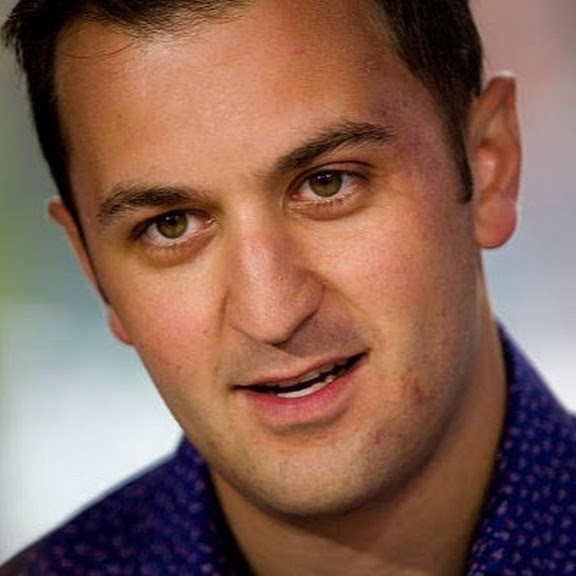
Logan Green and John Zimmer founded Zimride in 2007 as a long-distance intercity carpooling service focused on college transport, after Green sought an easier way to share rides between the UC Santa Barbara campus and Los Angeles and Zimmer, then a Cornell Hotel Administration graduate working as a real estate finance analyst at Lehman Brothers, looked to fill empty seats on trips home. Zimride launched first at Cornell, signing up 20% of the student body within six months, then expanded to UCSB. Zimmer left Lehman Brothers to work on the company full time and moved to Silicon Valley, where he and Green worked out of a shared apartment; Zimmer took no salary for the company's first three years.
Business model
Lyft operates a two-sided marketplace matching riders with independent drivers via mobile apps, taking a share of ride transactions while drivers retain 100% of tips. It supplements the core ride-hailing marketplace with micromobility (bike-share and e-scooters), a paid consumer subscription (Lyft Pink), business/enterprise travel accounts, gift cards, rental car referrals via commission arrangements, and in-vehicle digital advertising acquired through Halo Cars.
Revenue is generated from ride transactions on the marketplace, micromobility and bike-share operations, Lyft Pink subscription fees, business travel solutions, commissions from partners such as rental car provider Sixt, and advertising. Reported revenue was $6.32 billion in 2025, with an operating loss of $118 million and net income of $2.84 billion; the company posted its first GAAP profit in the second quarter of 2024.
Traction
25 million active riders and roughly 9 million rides per day, service in over 650 U.S. and Canadian cities, 3,913 employees, and 2025 revenue of $6.32 billion with net income of $2.84 billion. The company recorded its first GAAP profit in Q2 2024.
Latest developments
In 2025 Lyft acquired Free Now for €175 million to expand in Europe and TBR Global Chauffeuring for £83 million, and formed autonomous vehicle partnerships with Waymo (Nashville) and May Mobility (Atlanta). In 2026 it acquired the Serveo bikeshare business in Spain. Its 2025 Form 10-K, filed February 11, 2026, reported $6.32 billion in revenue.
▸Full profile — market position, technology, go-to-market, geography, history, risks & controversies
Market position
Lyft is the second-largest ridesharing company in the United States, behind Uber. It is a Nasdaq-listed component of the Russell 1000 and S&P 600 indices.
Lyft differentiates through multimodal coverage (cars, bikes and scooters, including ownership of bike-share operator Motivate and equipment supplier PBSC Urban Solutions), a membership tier with quantified savings, segment-specific products such as Lyft Silver for older adults, driver-favorable terms including 100% of tips and instant cash-out, and an access-oriented LyftUp program.
Technology
The company runs mobile rider and driver applications that perform real-time driver matching, advance scheduling, route sharing with friends or family, driver and vehicle detail display, and in-app emergency assistance, plus location of nearby bikes and scooters. Lyft previously operated a self-driving car division with partnerships spanning General Motors, NuTonomy, Ford, GoMentum Station and Magna International, and owned London augmented-reality startup Blue Vision Labs; that division was sold to Toyota in April 2021. Autonomous capability is now accessed through partners, including Waymo in Nashville and May Mobility in Atlanta.
Go-to-market
Lyft acquires riders and drivers directly through its mobile apps and website sign-up flows, supported by loyalty and co-marketing partnerships with airlines, hotels, card networks and consumer apps (Alaska Airlines, Bilt, Chase, DoorDash, Hilton, Mastercard, United Airlines), a business solutions sales motion, and access programs under LyftUp. Early marketing was distinguished by large pink furry mustaches attached to drivers' cars, replaced in January 2015 by a smaller glowing dashboard "glowstache," and by encouraging riders to sit up front and fist bump drivers, a practice the company distanced itself from in November 2014.
Consumer riders taking commutes, airport trips, nightlife and everyday errands; older adults via Lyft Silver; businesses arranging travel for employees, clients, conferences and training; healthcare providers arranging patient transportation; and drivers seeking flexible earnings.
Geography
Headquartered in San Francisco, California. Service spans more than 650 cities across the United States and Canada, with Canadian operations beginning in December 2017 in Toronto, Hamilton and Ottawa. European presence comes through the Freenow app, the July 2025 acquisition of Free Now, U.K.-based TBR Global Chauffeuring, and bike-share assets in Spain including Bilbaobizi and Serveo.
History
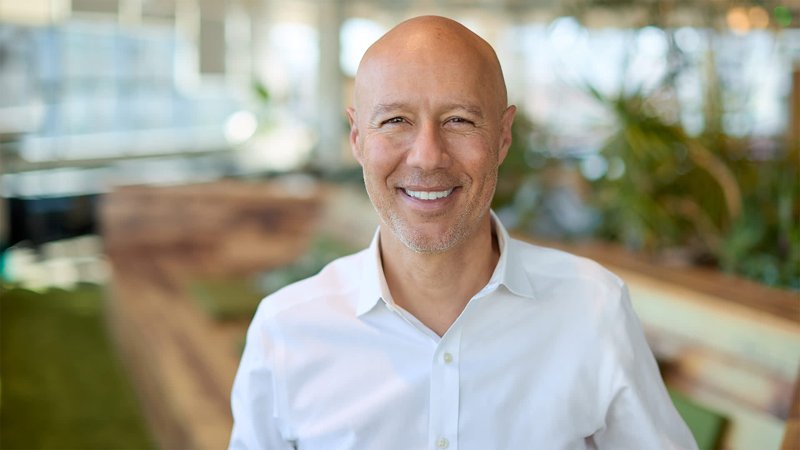
The company was founded June 9, 2012 as Zimride, having originated as a campus carpooling service started by Green and Zimmer in 2007; by April 2012 it had raised $7.5 million and was active at over 125 universities. Lyft launched in summer 2012 as a service of Zimride, and the company renamed itself Lyft in May 2013, selling the original Zimride service to Enterprise Holdings in July 2013. Andreessen Horowitz invested during early growth-stage rounds in 2013. Shared rides launched in 2014, Canada in 2017, and the company IPO'd on Nasdaq in March 2019, raising $2.34 billion at a $24.3 billion valuation. Acquisitions include Motivate (2018), Blue Vision Labs (2018, $72 million), Halo Cars (2020), PBSC Urban Solutions (2022), Free Now (2025, €175 million), TBR Global Chauffeuring (2025, £83 million) and Serveo (2026). The self-driving division was sold to Toyota for $550 million in 2021. Following pandemic-era and 2022 layoffs, David Risher became CEO in March 2023 and a further 1,076 corporate roles were cut in April 2023; John Zimmer stepped down as president in June 2023 to become board vice-chair.
Risks & controversies
Lyft has undergone repeated workforce reductions, including 982 layoffs and 288 furloughs in April 2020, about 700 roles (13%) in November 2022, and 1,076 corporate roles (26%) in April 2023, plus earlier cuts in July 2022. It settled a 2014 class action alleging unwanted commercial text messages in November 2018, including $4 million in consumer payments. In early 2025, Detroit rapper Dajua Blanding (Dank Demoss) sued Lyft alleging a driver refused her a ride because of her size, citing Michigan weight-discrimination law; the suit was settled out of court. Operationally, the company discontinued Lyft Rentals in September 2023 and faced local restrictions such as Miami asking it to halt scooter operations during the pandemic, and it operates as the second player in a market led by Uber.
Compiled by commissioned research from 8 cited public sources — announcements, filings, and press listed under research sources below.
Key figures
latest reportedCompany-reported or press-reported figures, each dated to when it was claimed — not independently audited.
Founder mafia
101 people who came through Lyft went on to found or lead other companies.










+ 89 more
Related companies · 5



Companies working in the same space as Lyft.
Timeline · 24
launches, deals, and filingsLyft partnered with Waymo to use self-driving cars in Nashville and with May Mobility to launch self-driving cars in Atlanta.
European ride-hailing app acquisition expanding Lyft's presence in Europe.
About 26% of staff, following job cuts announced in July and November 2022.
Co-founder John Zimmer announced in March 2023 that he would step down as president in June and become vice-chair of the board.
Canadian bike-share equipment and technology supplier.
Lyft sold its self-driving car division to Toyota for $550 million; the division had partnerships with General Motors, NuTonomy, Ford, GoMentum Station and Magna International.
$550M source ↗
Partnership giving users access to rental cars in exchange for a commission; most cars owned and operated by Sixt across 85 U.S. locations.
Lyft laid off 982 employees and furloughed an additional 288 to reduce operating expenses during the COVID-19 pandemic.
Halo Cars pays drivers to display digital advertisements on their vehicles.
Lyft became a public company, raising $2.34 billion at a valuation of $24.3 billion, and set aside some shares for long-time drivers.
$2.3B source ↗
Lyft acquired Motivate, the operator of Capital Bikeshare and Citi Bike, and announced plans to add 28,000 Citi Bikes.
Lyft settled a class action alleging it sent unwanted commercial text messages, including $4 million in payments to consumers; plaintiffs sought $1 million in legal fees.
$4M source ↗
Platform allowing healthcare providers to arrange rides for patients lacking transportation to appointments, with plans to reach 2,500 hospitals, 180,000 physicians and about 7 million patients.
Former Tesla president of global sales and service Jon McNeill joined Lyft as COO.
London-based augmented reality startup acquired for $72 million; it was owned by Lyft's self-driving car division.
$72M source ↗
Lyft began operations in the Toronto, Hamilton and Ottawa metropolitan areas.
Lyft sold the original Zimride intercity carpooling service to Enterprise Holdings, parent of Enterprise Rent-A-Car.
The company changed its name from Zimride to Lyft, following the summer 2012 launch of Lyft as a service of Zimride.
Dated company events from announcements, filings, and press; legal rows summarize public dockets and regulator releases.
▸Research sources · 8
primary sources listed
- Lyftlyft.com · web
8 public sources were cited for this profile; the first-party ones are listed here.
Frequently asked questions
- What does Lyft do?
- Lyft is a publicly traded U.S. ride-hailing company that also operates bike-share, scooters and, via Freenow, European mobility services.
- Who founded Lyft?
- Lyft was founded by Logan Green, John Zimmer.
- Who are Lyft's investors?
- Lyft's investors include Aglae Ventures, Aidenlair Capital, Aliya Capital Partners, Allied Venture Partners, Alpha Wave Global, Andreessen Horowitz, Autotech Ventures, Bling Capital and 54 more.
- Is Lyft publicly traded?
- Yes — Lyft trades on NASDAQ under the ticker LYFT.
- Where is Lyft headquartered?
- Lyft is headquartered in San Francisco, US.