 Fundraising Fox
DoorDash
NASDAQ: DASHYC S13YC Top CompanyTop employer of YC founders · 36San Francisco, US · Founded 2013 · 8,600 employees · Public · Hiring · 46 known investors
Find your way into DoorDash
Sign up to see every warm intro you have to DoorDash
- Paths you didn't know you had: your email and LinkedIn already hold routes to the DoorDash team. We find them for you
- 2nd- and 3rd-degree connections: the friend-of-a-friend routes that take hours to manually find through your inbox or LinkedIn
- Answers now, not in days: momentum is everything in a raise. Skip asking around whether someone knows someone
Days of research, done the moment you sign in, with every route ranked by how warm it is.
DoorDash operates a restaurant delivery platform that connects customers with dining establishments across hundreds of cities in North America through a logistics network.
Also known as Palo Alto Delivery, Inc. · DoorDash, Inc.
Founders & leadership· Y Combinator alumni (S13)
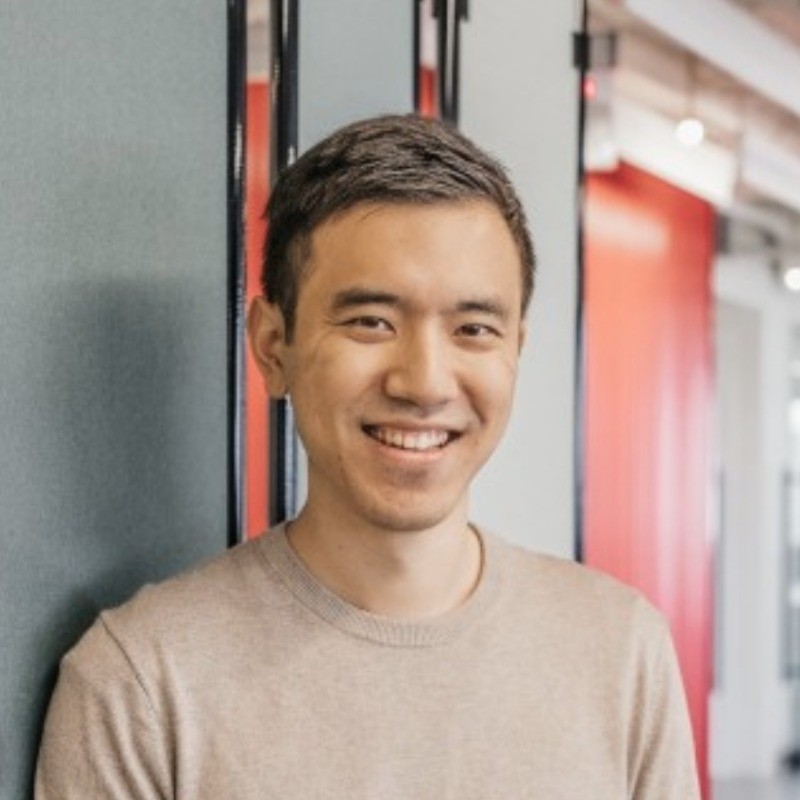
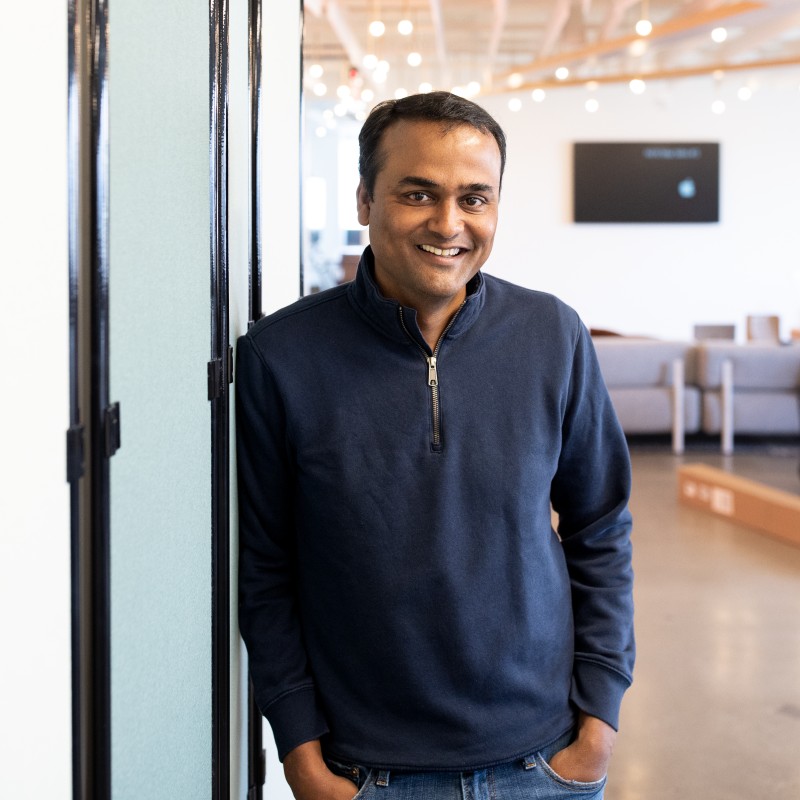
DoorDash was founded in 2013 by Tony Xu, Andy Fang, Stanley Tang, and Evan Moore.






Investors · 46

How we know: A*'s portfolio page · the VCSheet dataset · open dataset · 5k.vc investor directory · Not right? Tell us

How we know: Blue Owl Capital's portfolio page · Not right? Tell us

How we know: BoxGroup's portfolio page · Not right? Tell us

How we know: Brave Capital's portfolio page · Not right? Tell us

How we know: Coatue Management's portfolio page · finance.yahoo.com · the VCSheet dataset · deep research dossier: philippe-laffont · open dataset · 5k.vc investor directory · Y Combinator's founder network · Not right? Tell us

How we know: CRV (Charles River Ventures)'s portfolio page · open dataset · 5k.vc investor directory · Y Combinator's founder network · Not right? Tell us

How we know: Day One Ventures's portfolio page · the VCSheet dataset · open dataset · 5k.vc investor directory · Not right? Tell us

How we know: EQUIAM's portfolio page · Not right? Tell us

How we know: Felicis Ventures's portfolio page · Not right? Tell us

How we know: Founders Circle Capital's portfolio page · a partner's Signal profile · the VCSheet dataset · open dataset · 5k.vc investor directory · Not right? Tell us

How we know: FundersClub's portfolio page · Not right? Tell us

How we know: Haystack's portfolio page · the VCSheet dataset · open dataset · 5k.vc investor directory · Y Combinator's founder network · Not right? Tell us

How we know: Khosla Ventures's portfolio page · the VCSheet dataset · open dataset · 5k.vc investor directory · Y Combinator's founder network · Not right? Tell us

How we know: Kleiner Perkins's portfolio page · the VCSheet dataset · open dataset · 5k.vc investor directory · Y Combinator's founder network · Not right? Tell us
How we know: Night Capital's portfolio page · Not right? Tell us

How we know: Nimble Partners's portfolio page · Not right? Tell us

How we know: Pear VC's portfolio page · the VCSheet dataset · open dataset · 5k.vc investor directory · Y Combinator's founder network · Not right? Tell us


How we know: Sequoia Capital's portfolio page · Wikidata · techcrunch.com · the VCSheet dataset · open dataset · 5k.vc investor directory · Y Combinator's founder network · Not right? Tell us

How we know: Silver Lake Partners's portfolio page · Not right? Tell us
How we know: techcrunch.com · Y Combinator's founder network · Not right? Tell us

How we know: Standard Capital's portfolio page · Not right? Tell us

How we know: Streamlined Ventures's portfolio page · the VCSheet dataset · Y Combinator's founder network · Not right? Tell us
How we know: SV Angel's portfolio page · open dataset · 5k.vc investor directory · Not right? Tell us
How we know: the VCSheet dataset · Not right? Tell us

How we know: Vintage Investment Partners's portfolio page · Not right? Tell us

How we know: Winklevoss Capital's portfolio page · Not right? Tell us

How we know: Y Combinator's portfolio page · the Y Combinator directory · techcrunch.com · open dataset · 5k.vc investor directory · Not right? Tell us
How we know: Y Combinator's founder network · Not right? Tell us

How we know: open dataset · 5k.vc investor directory · Not right? Tell us
How we know: techcrunch.com · Y Combinator's founder network · Not right? Tell us
How we know: funding news · finance.yahoo.com · open dataset · 5k.vc investor directory · Y Combinator's founder network · Not right? Tell us
How we know: funding news · Not right? Tell us
How we know: techcrunch.com · Y Combinator's founder network · Not right? Tell us

How we know: open dataset · 5k.vc investor directory · Not right? Tell us
How we know: Y Combinator's founder network · Not right? Tell us
How we know: open dataset · 5k.vc investor directory · Not right? Tell us
How we know: Y Combinator's founder network · Not right? Tell us
How we know: techcrunch.com · Not right? Tell us
How we know: techcrunch.com · Y Combinator's founder network · Not right? Tell us
How we know: techcrunch.com · Y Combinator's founder network · Not right? Tell us
Also in the syndicate · 1
Funding
SEC filings, press & company announcements- Undisclosed amountSeries FFeb 2019
Dragoneer Investment Group (lead), Temasek (lead), Coatue Management, DST Global, GIC, Sequoia Capital, SoftBank Vision Fund, Y Combinator
Source ↗ - Undisclosed amountSeries DMar 2018
SoftBank Group (lead), GIC, Sequoia Capital, Wellcome Trust
Source ↗
Source: company announcements and press reports — follow each round's link for the claim.
Valuation · disclosed
Disclosed eventsSource: SEC prospectus filings, and round valuations the company or its investors disclosed — follow each entry's link for the claim.
The YC application· Summer 2013 batch
DoorDash's Application Video for YC S13
Y Combinator
DoorDash at YC Summer 2013 Demo Day
Y Combinator
Company profile
researched Aug 2026DoorDash operates an on-demand local commerce platform that connects consumers with restaurants, grocery stores, convenience stores and other retailers, fulfilled by a network of independent contract couriers the company calls Dashers. Customers order through the DoorDash app or website, a Dasher collects the order from the merchant, and the order is tracked in real time until drop-off. Beyond restaurant food, the company lists grocery, convenience, retail, alcohol (in legally permissible markets, with 21+ ID verification), flowers and pet-supply categories, plus a Package Pickup service in which a Dasher takes prepaid consumer packages to carriers such as UPS, FedEx and USPS.
The company also operates first-party retail through DashMart, its own convenience and grocery store format inside the DoorDash app, and sells a consumer subscription, DashPass, which provides $0 delivery fees and reduced service fees on eligible orders. Product features include DoubleDash, which lets a customer add items from a second nearby store to an existing order without an additional delivery fee or order minimum, and SNAP/EBT payment acceptance for grocery delivery in certain locations. Named merchant partners across categories include Target, ALDI, Safeway, Food Lion, Meijer, ShopRite, Albertsons and Wegmans in grocery; Dollar General, 7-Eleven, CVS and Walgreens in convenience; and The Home Depot, Best Buy, Lowe's, Sally Beauty, Ulta Beauty, Tractor Supply Co, Dick's Sporting Goods and Sephora in retail.
On the supply side, DoorDash recruits Dashers who set their own schedules and can deliver by car, bike, scooter or motorcycle. Dasher pay is structured as base pay (varying with estimated time, distance and desirability of an offer, or a minimum guaranteed hourly rate when earning by time), promotions such as Challenges and Peak Pay, and tips, with instant cash-out available via the DoorDash Crimson Visa debit card. Minimum age requirements vary by state (18 generally, 19 in a list of states, 21 in California). In select markets Dashers can also accept orders from Caviar.
Founding story
According to co-founder Stanley Tang, DoorDash grew out of a Stanford entrepreneurship and design class project. Tang and Andy Fang were undergraduates who met in the same freshman dorm; they met Tony Xu, then at Stanford Graduate School of Business, through class. The three shared an interest in building software for local small businesses and interviewed owners of restaurants, retailers, flower shops and furniture stores near Stanford. At a macaron store on University Avenue in Palo Alto, an owner showed them a thick booklet of canceled orders, nearly all delivery requests she lacked drivers to fulfill. Repeated conversations confirmed that small merchants saw delivery as a growth channel but had only the option of hiring their own drivers. One source states the company was started in 2013 by Tang, Xu, Andy Fang and Evan Moore, with Moore departing after 17 months.
Business model
DoorDash runs a three-sided marketplace linking merchants, consumers and independent contractor couriers. Merchants gain delivery reach without operating their own fleets, consumers pay delivery and service fees on orders, and Dashers are paid per delivery. The company also operates its own DashMart convenience/grocery stores within the app and sells a consumer subscription (DashPass).
Sources describe consumer-facing delivery fees and service fees on orders, a DashPass subscription priced at $9.99 per month or $96 per year ($8/month), and gift card sales. Fortune reports the company was on track to generate more than $13 billion in annual revenue in 2025.
Traction
Fortune reports roughly 60% U.S. restaurant delivery market share, more than $13 billion in expected 2025 annual revenue and an $85 billion market capitalization. The Dasher Android app has over 10 million downloads and a 4.6 rating from about 631,000 reviews. A separate source cites 450,000 merchants, 20 million consumers and 1 million deliverers as of December 31, 2020.
Latest developments
A December 1, 2025 Fortune profile put DoorDash's market capitalization at about $85 billion and its 2025 revenue trajectory above $13 billion, and described ongoing expansion into new retail categories and geographies. The Dasher Android listing was updated in August 2026 with minor fixes and stability improvements.
▸Full profile — market position, technology, go-to-market, geography, history, risks & controversies
Market position
Fortune (December 2025) reports DoorDash holds roughly 60% share of the U.S. restaurant delivery market, more than double the share of its nearest competitor Uber Eats, with Grubhub and its Seamless subsidiary a distant third at under 10%. Multiple sources describe DoorDash as the largest food delivery company in the United States. One source cites a 60% share of the convenience delivery category as of December 31, 2020.
Company leaders attribute DoorDash's position to accumulated operational detail — batching, parking and entrance guidance, late-order triage, and other incremental improvements — rather than a single technology advantage. Xu frames the ambition as mastering "the last 100 feet" rather than the last mile, and as becoming a merchant's first call for any business issue. All U.S. salaried employees, including the CEO, are required to complete four delivery shifts per year.
Technology
The platform comprises consumer and Dasher mobile apps with real-time order tracking and algorithmic dispatch. Fortune describes in-house mapping technology that advises Dashers on where to park and which building entrance to use, order-batching, and automated triage that offers to unassign a Dasher from an order predicted to run late so other orders are not jeopardized; desserts are flagged for Dashers because they are the items most often forgotten. CEO Tony Xu describes the effort as building a "catalog for the physical world" — a repository of last-100-feet location data not present in existing map or AI services.
Go-to-market
DoorDash acquires consumers through its app and website with promotions such as $0 delivery fee on a first order, in-app deals and email offers, gift cards, and the DashPass subscription. Merchant supply is built through partnerships with national grocery, convenience and retail chains alongside local businesses. Courier supply is recruited via a self-serve signup funnel promising approval and first earnings within days, an activation kit (insulated bag and Red Card), and explicit outreach to workers from other gig platforms.
Consumers ordering food, groceries, alcohol, convenience and retail items for delivery or pickup; local and national merchants (restaurants, grocers, convenience stores, retailers) seeking delivery capability; and individuals seeking flexible gig earnings as Dashers.
Geography
Headquartered in San Francisco (offices listed at 303 2nd St Fl 8 and 901 Market St). DoorDash states availability in over 7,000 cities across all 50 U.S. states including Washington, D.C. and Puerto Rico, over 80 cities in Canada, and Melbourne, Australia; the Dasher app also lists availability in Australia, Canada, Japan and Germany. Y Combinator's profile text cites more than 600 cities across the United States and Canada.
History
Founded in 2013 and based in San Francisco, DoorDash went through Y Combinator's Summer 2013 batch. Y Combinator's news listing records a $400 million round in February 2019 at a $7.1 billion valuation, an IPO filing in November 2020, and a market debut in December 2020 at a $71 billion valuation. By late 2025, Fortune described DoorDash as a roughly $85 billion company twelve years after founding.
Risks & controversies
Fortune identifies competitive displacement risk from Uber or an AI-native entrant, the possibility that category and geographic expansion proves distracting, and existential exposure to an economic downturn if cash-strapped consumers abandon delivery given fees and meal markups; it also notes that no lead in food delivery is safe. Google Play reviews of the Dasher app raise complaints about app crashes and dashes ending prematurely, pressure from acceptance-rate metrics on offers drivers consider poorly paid, missed or delayed order notifications, and support quality.
Compiled by commissioned research from 8 cited public sources — announcements, filings, and press listed under research sources below.
Key figures
latest reportedCompany-reported or press-reported figures, each dated to when it was claimed — not independently audited.
Founder mafia
The DoorDash mafia →51 people who came through DoorDash went on to found or lead other companies.






Related companies · 10






Companies working in the same space as DoorDash.
Timeline · 4
launches, deals, and filingsFortune reports DoorDash is pursuing expansions into new retail categories as well as new geographies.
DoorDash was valued at $71 billion in its market debut in December 2020, according to a Reuters item listed on its Y Combinator profile; a separate account dates the IPO to December 2020.
$71B source ↗
News item listed on DoorDash's Y Combinator company page reporting the company's IPO filing.
DoorDash was founded in 2013 and went through Y Combinator's Summer 2013 batch.
Dated company events from announcements, filings, and press; legal rows summarize public dockets and regulator releases.
Legal entities · 2
corporate structureIn the news
▸Research sources · 8
primary sources listed
- Products | DoorDashabout.doordash.com · web
8 public sources were cited for this profile; the first-party ones are listed here.
Frequently asked questions
- What does DoorDash do?
- DoorDash is a public U.S. on-demand local delivery platform connecting consumers with restaurants, grocers and retailers.
- Who founded DoorDash?
- DoorDash was founded by Tony Xu, Andy Fang, Stanley Tang, Evan Moore in 2013.
- Who are DoorDash's investors?
- DoorDash's investors include A*, Blue Owl Capital, BoxGroup, Brave Capital, Coatue Management, CRV (Charles River Ventures), Day One Ventures, EQUIAM and 37 more.
- Is DoorDash publicly traded?
- Yes — DoorDash trades on NASDAQ under the ticker DASH.
- Where is DoorDash headquartered?
- DoorDash is headquartered in San Francisco, US.