 Fundraising Fox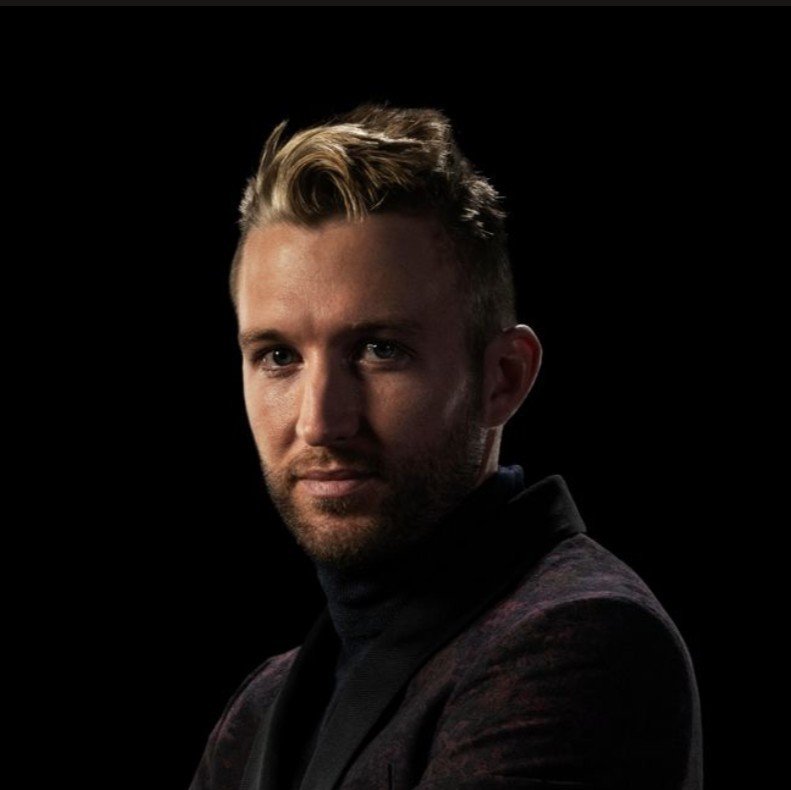
Find your path to Devon
Sign up to see every warm intro you have to Devon
- Paths you didn't know you had: your email and LinkedIn already hold routes to Devon. We find them for you
- 2nd- and 3rd-degree connections: the friend-of-a-friend routes that take hours to manually find through your inbox or LinkedIn
- Answers now, not in days: momentum is everything in a raise. Skip asking around whether someone knows someone
Days of research, done the moment you sign in, with every route ranked by how warm it is.
About
American product and engineering founder whose career joins software, comedy, and creator economics. After Duke, Microsoft, and a year traveling and coding with friend Cody Ko while their Vine account drew a large audience, Townsend learned firsthand that internet creators had intense fan demand but weak monetization tools. Steven Galanis and Martin Blencowe recruited him as Cameo's technical cofounder; he built the first Powermove.io landing-page MVP, added internet creators to an initially sports-led marketplace, served as first CTO, and later led product. Cameo grew from one athlete and a manually fulfilled $20 request into a pandemic-era marketplace reporting roughly $100 million in 2020 GMV and a $1 billion 2021 valuation, then endured sharp post-lockdown contraction, repeated layoffs, a 2024 down round, and an endorsement-disclosure settlement. Townsend's public operating themes are delight, authentic and deliberately polarizing brands, transparent metrics, low-friction creator monetization, broad eligibility for anyone with fans, and progressively richer direct fan interaction.
Invests in
ConsumerCreator EconomyEdTech
Beyond investing
- Founded
- After a Cassius Marsh video delighted a new father, Galanis and Blencowe recruited Townsend as technical cofounder. He built a landing-page MVP called Powermove.io: customers entered instructions, the team emailed talent, and returned phone-recorded videos manually. The first $20 Marsh offer initially drew almost no traffic before one order validated the experience. Blencowe supplied the first athlete relationships and Galanis led the business; Townsend built the site and persuaded the team to include YouTube and social-media comedians. That supply expansion connected his own creator experience to a broader thesis: fame can be niche, and anyone with real fans may have monetizable demand.
- Awards
- Selected for Inc.'s 2019 30 Under 30 coverage for building Cameo. Named to Forbes' 2020 Consumer Technology class at age 29 for Cameo.
- More
- Inc. identifies Townsend as a software engineer from Middletown, Connecticut. Forbes listed him as 29 in December 2019, supporting a birth year around 1990, but no reviewed primary record established a full birth date. He later said he chose Cameo over pursuing a YouTube comedy career because the company let him combine programming and difficult technical work with products that make people laugh, scream, or cry. In 2014 Townsend and friend Cody Ko left software jobs, traveled for about a year, supported themselves by coding independent sites and apps, and posted comedy on the Vine account “Devon and Cody Go to Whitecastle.” Townsend later tied this direct experience—and recurring fan requests for personalized clips—to Cameo's product insight. By April 2019 Cameo reported more than 10,000 talent, over 200,000 completed bookings, and about 1,000 videos per day. Townsend explained that early price guidance divided a talent's annual earnings by estimated working minutes, while emphasizing that fast one-minute fulfillment could make even modest prices attractive; Cameo retained 25%. Cameo reported approximately $100 million in 2020 GMV, 4.5-times year-over-year growth, roughly 1.3 million fulfilled messages that year, and more than 150 talent earning at least $100,000. A $100 million Series C in March 2021 put the company-reported valuation just above $1 billion and cumulative funding above $165 million. These are company-reported marketplace and financing figures, not Townsend's personal proceeds or investments. Cameo acquired celebrity merchandising platform Represent in October 2021 to add merchandise, fundraising, and direct-to-fan commerce. Terms were undisclosed. The transaction was a Cameo corporate acquisition, not a documented personal investment or exit for Townsend. As Chief Product Officer, Townsend was the named product spokesperson for Cameo Live, a 2022 upgrade from prerecorded clips and shorter calls to scheduled 10-minute one-to-one or small-group video conversations. He framed the goal as preserving personalization and fast turnaround while deepening interaction. After headcount grew from just over 100 to nearly 400 during pandemic demand, Cameo cut 87 roles—about one quarter of staff—in May 2022, followed by further reductions that reportedly left fewer than 50 employees in July 2023. Townsend publicly said helping affected colleagues find work would be his full-time focus for the next two months after the first cut. Reports that the chief product officer was laid off referred to Nundu Janakiram, not Townsend. Reporting described Cameo's March 2024 financing as a $28 million cramdown at under $100 million, at least 90% below its 2021 valuation. Later in 2024, 30 state attorneys general settled allegations that paid Cameo endorsements lacked required disclosures; a $600,000 judgment was suspended to a $100,000 payment after Cameo documented financial constraints. The reviewed record does not attribute either event personally to Townsend.
From Devon's own website — common ground for a warm intro.
Founder at Cameo
Intro paths
In turn, Devon can intro founders to Cameo's investors below.
Cameo's investors · 33



















Co-founders at Cameo
Investments
Per curated public sources.
Founder fit — who Devon backs
Inference from documented deals and operating history: product-led founders building direct audience relationships, creator monetization, participatory entertainment, or consumer marketplaces where technical execution and community authenticity matter.
['Claims based only on investor databases', 'Capital-intensive sectors unrelated to his documented operating or investment record', 'Pitches requiring a disclosed institutional mandate or large check']
How to pitch
Treat him as a selective operator-angel, not a fund. A credible approach would connect product mechanics, creator or community insight, and rapid validation to his Cameo experience; no public evidence supports a preferred inbound channel.
Stages: Seed, Series A · Sectors: Creator economy, Consumer data, Gaming education, Consumer software
Editorial inference from Devon's portfolio, writing and public record — not a published mandate.
Investment themes
6 documented themes from Devon's essays, talks and portfolio, grouped by what they say about founders.
▶More themes6
Delight before pure monetization2019
Townsend said his original goal was to make the supply-side experience so enjoyable that talent would participate for free; payment also acts as a demand-limiting mechanism that keeps requests fulfillable.
For founders: Direct operating principle: build a marketplace transaction that is intrinsically rewarding to both sides.
Operational transparency and no surprises2019
He described “no surprises” as a company value and said Cameo's full-company daily stand-up shared revenue, completed-order, and talent-onboarding metrics so employees worked from the same information.
For founders: Shows a preference for high-context teams and unusually broad metric visibility.
Authenticity with useful polarization2019
Townsend argues that founders should build brands that represent what they naturally find funny, useful, and exciting. A clear point of view will repel some users, but avoids wasting time on lukewarm demand and gives the team an execution advantage.
For founders: A direct founder lesson relevant to consumer products, positioning, and founder-market fit.
Anyone with fans can be talent2019
Rather than limiting supply to conventional A-list celebrity, he described a broad marketplace—from locally famous coaches to global actors—bounded primarily by safety rules against nudity and inciting violence.
For founders: Reflects a long-tail supply thesis and creator-economy view of fame.
Compress work to unlock creator income2019
His early pricing logic focused on the value of a talent's minute and a workflow simple enough to complete quickly, letting even lower-priced creators earn meaningful hourly economics.
For founders: Relevant to tools that turn scarce attention or expertise into low-friction paid interactions.
Richer direct fan connection2022
Cameo evolved from asynchronous personalized videos toward direct messages, live calls, group experiences, business use, and commerce. Townsend's Cameo Live comments emphasized making interaction two-way without losing personalization or speed.
For founders: A documented product direction; not evidence of a personal investment mandate.
Podcasts & interviews
featuring Devon Spinnler TownsendCameo conducts layoffs a year after hitting unicorn status
TechCrunch · techcrunch.com
080 Devon Townsend | Influencer to Cofounder
Redirected / Apple Podcasts · podcasts.apple.com
Cameo Cofounder Devon Townsend's Video Messaging Platform Puts Celebrities In Your Inbox
Forbes · forbes.com
Ep015 — Devon Townsend, Co-Founder, Cameo
FINIEN / Hitting The Mark · finien.com
How a Former Vine Comedian and His Frat Brother Created the Ultimate Birthday Wish
Inc. · inc.com
Duke grads' Cameo app lets fans pay for celebrity video greetings
The News & Observer · newsobserver.com
Writing
First-person team announcement identifying Cameo for Business as an active product-design priority.
Brief recruiting post for Cameo's design organization, useful as evidence of continued product leadership after the restructuring rather than as substantive independent writing.
First-person post saying his full-time focus for the next two months would be helping colleagues affected by Cameo's layoffs find new roles.
Frequently asked questions
- Is Cameo cofounder Devon Townsend the musician Devin Townsend?
- No. Cameo's cofounder is American product engineer Devon Spinnler Townsend, a Duke graduate and former Microsoft engineer. Devin Townsend is a separate Canadian musician.
- What did Devon Townsend do before Cameo?
- He studied computer science at Duke, served as a Red Bull student brand manager, worked at Microsoft in engineering/product, spent about a year traveling, coding, and making Vines with Cody Ko, and then worked in engineering at CollegeBand.
- How did Cameo start?
- A short Cassius Marsh video for a friend exposed the emotional value of personalized celebrity messages. Galanis and Blencowe brought the idea and initial talent relationship; Townsend built a manually operated Powermove.io MVP. A first $20 order helped validate what became Cameo.
- How were the Cameo founders' roles divided?
- Public accounts consistently cast Steven Galanis as CEO, fundraising/business and PR lead; Martin Blencowe as the early sports and entertainment connector; and Townsend as technical/product cofounder, first CTO, builder of the initial site, and advocate for adding internet creators. The boundaries evolved as the company hired executives.
- What product milestones are specifically attributable to Devon Townsend?
- He built the first website, helped broaden supply from athletes to internet creators, publicly explained early pricing logic and marketplace openness, and as Chief Product Officer was the named product voice for Cameo Live's 10-minute group-capable video calls.
- Is Devon Townsend still at Cameo?
- Yes according to his publicly indexed professional profile reviewed in August 2026, which lists him as current cofounder and Chief Product Officer. Public 2024 hiring posts also show him actively building Cameo's design and business-product teams.
- What happened to Cameo after its pandemic growth?
- After reporting roughly $100 million in 2020 GMV and raising at a valuation above $1 billion in 2021, Cameo faced post-lockdown demand and financing pressure, cut staff repeatedly in 2022–2023, raised a 2024 down round reportedly below $100 million, and settled state allegations over paid-endorsement disclosures. Those are company events and are not attributed personally to Townsend.
- Does Devon Townsend invest personally?
- Yes. Portfolio-company and reputable round announcements name him as an angel in Surf/Trufan's 2021 seed extension and Metafy's 2022 Series A. No reliable first-person thesis, individual check sizes, or complete portfolio was found; Cameo's own investors are not Townsend investments.
- Has Devon Townsend had an investment exit?
- Datacy acquired Surf's browser-extension assets in August 2024, but terms and Townsend's ownership or proceeds were not disclosed. It should be treated as a portfolio-company transaction, not a verified realized personal return.
- Who is Devon Spinnler Townsend?
- American product and engineering founder whose career joins software, comedy, and creator economics. After Duke, Microsoft, and a year traveling and coding with friend Cody Ko while their Vine account drew a large audience, Townsend learned firsthand that internet creators had intense fan demand but weak monetization tools. Steven Galanis and Martin Blencowe recruited him as Cameo's technical cofounder; he built the first Powermove.io landing-page MVP, added internet creators to an initially sports-led marketplace, served as first CTO, and later led product. Cameo grew from one athlete and a manually fulfilled $20 request into a pandemic-era marketplace reporting roughly $100 million in 2020 GMV and a $1 billion 2021 valuation, then endured sharp post-lockdown contraction, repeated layoffs, a 2024 down round, and an endorsement-disclosure settlement. Townsend's public operating themes are delight, authentic and deliberately polarizing brands, transparent metrics, low-friction creator monetization, broad eligibility for anyone with fans, and progressively richer direct fan interaction.
- Where does Devon Spinnler Townsend work?
- Devon Spinnler Townsend is Founder of Cameo.
- What does Devon Spinnler Townsend invest in?
- Devon Spinnler Townsend invests in Consumer, Creator Economy, EdTech.
- What companies did Devon Spinnler Townsend found?
- Devon Spinnler Townsend founded Cameo.
- What boards does Devon Spinnler Townsend sit on?
- Devon Spinnler Townsend holds tracked board seats at Cameo.
Founder mafias
Microsoft mafia1,488
Also came through, then founded or led a company.






Duke University mafia368
Also came through, then founded or led a company.





About this profile. Compiled from public sources — Cameo's own website, press coverage and public professional profiles — and summarised by Fundraising Fox; every fact is kept with where it came from. Spotted an error, or would rather not be listed? Email privacy@fundraisingfox.com · How we build profiles · Your rights