 Fundraising Fox
KawiSafi Ventures
Impact investorOperating companyActively deployingNairobi · Growth · 12 people tracked
Also known as KawiSafi
Find your way into KawiSafi Ventures
Sign up to see every warm intro you have to KawiSafi Ventures
- Paths you didn't know you had: your email and LinkedIn already hold routes to the KawiSafi Ventures team. We find them for you
- 2nd- and 3rd-degree connections: the friend-of-a-friend routes that take hours to manually find through your inbox or LinkedIn
- Answers now, not in days: momentum is everything in a raise. Skip asking around whether someone knows someone
Days of research, done the moment you sign in, with every route ranked by how warm it is.
Investment thesis
KawiSafi Ventures targets sub-Saharan Africa, where hundreds of millions live off-grid and rely on polluting fuels like diesel and kerosene. The firm believes decentralized renewable energy paired with mobile payments can rapidly and affordably deliver energy access while building a low-carbon economy. It invests in fast-growing, innovative companies across the off-grid energy value chain, deploying patient capital to catalyze sector growth. Beyond funding, KawiSafi collaborates with entrepreneurs to build talent, deepen markets, and attract additional capital, seeking competitive high-impact businesses that address major social and environmental challenges.
Source: firm website, verified Aug 3, 2026.
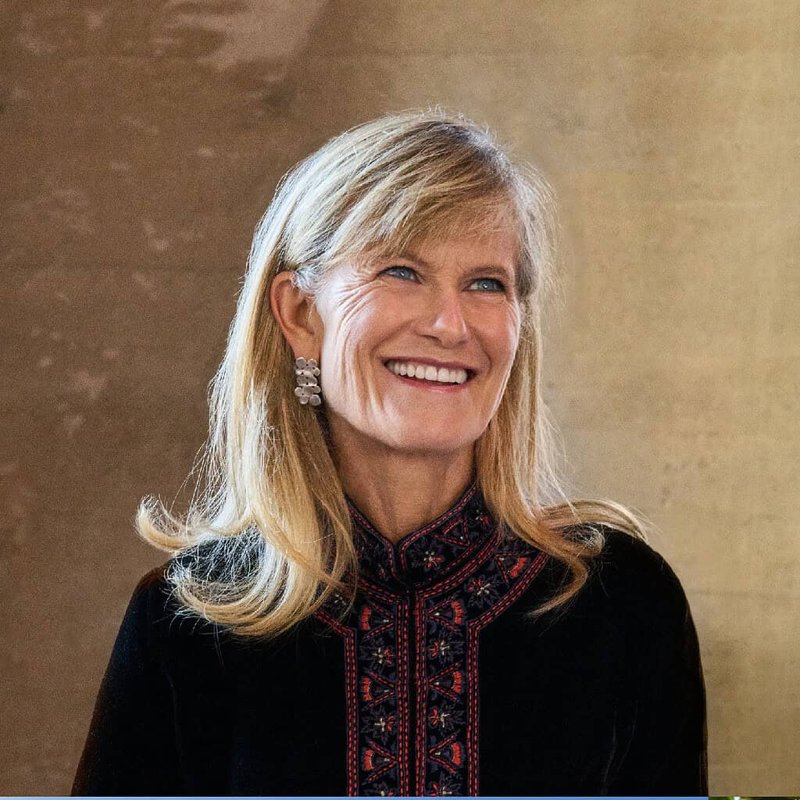
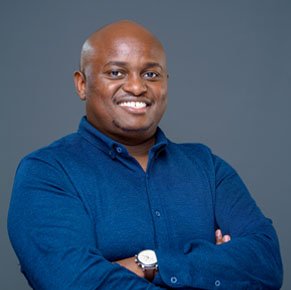
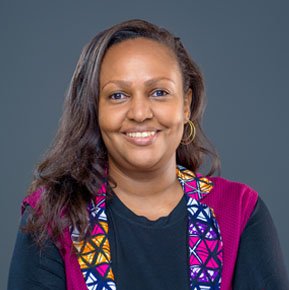
Team · 12 people
from the firm's website






What they invest in
from 3 of 3 portfolio companiesCleantech ×2Advanced Manufacturing ×1AgTech ×1Climate Tech ×1Energy ×1Fintech ×1FoodTech ×1Hardware ×1
HQs:Kenya×1Nigeria×1
Investments · 3 tracked
founders shown can be your intro pathInspiraFarms Cooling provides cold chain infrastructure and cooling technology solutions to African agribusinesses, farmers, and exporters to reduce food losses and improve access to higher-value markets.
Advanced ManufacturingAgTechCleantechClimate TechFoodTechLogistics & Supply Chain
Co-investorsShell FoundationPymwymicAster CapitalE3 Capital
GoCab operates a vehicle rent-to-own platform for professional drivers (VTC, taxi, and independent drivers), providing cars with flexible daily payment plans that lead to full vehicle ownership over a 3-4 year contract.
FintechMarketplacesMobility & Transportation
Co-investorsE3 CapitalCur8 CapitalJANNGO Capital

Koolboks manufactures solar-powered ice makers and freezers designed for businesses in Africa, offering financing options and integrated battery storage technology to reduce electricity costs.
CleantechEnergyHardwareIoTLagos, NG
Co-investorsAruwa CapitalCascadorThird DerivativeAcumenAll OnBlue Earth Capital AG+2 more


Frequently asked questions
- What stage does KawiSafi Ventures invest at?
- KawiSafi Ventures invests at the Growth stage.
- What sectors does KawiSafi Ventures focus on?
- KawiSafi Ventures focuses on Cleantech, Climate Tech, Energy, Fintech, Impact & Social Good, Sector Agnostic.
- Where is KawiSafi Ventures located?
- KawiSafi Ventures is headquartered in Nairobi, KE.
Similar investors
Heliad is a publicly listed evergreen investment firm that backs founders from early stage through IPO and beyond, providing access to capital markets via its balance sheet and its early-stage vehicle Collective Ventures.

The Ireland Strategic Investment Fund (ISIF) is a sovereign development fund managed and controlled by Ireland's National Treasury Management Agency, mandated to invest on a commercial basis to support economic activity and employment in Ireland.
Oltre Impact is Italy's first impact investment fund, investing in innovative companies that address major social and environmental challenges aligned with the UN SDGs.
Advantage Partners is a Japanese private equity firm engaged in buyouts, growth support for listed companies, renewable energy and sustainability investment, and real estate investment across Japan and Asia.
FMO is the Dutch entrepreneurial development bank that finances and invests in entrepreneurs across developing economies and emerging markets to promote inclusive and sustainable prosperity.