 Fundraising Fox
Sana Biotechnology
Seattle, US · Founded 2018 · 250 employees on LinkedIn · 19 known investors
Find your way into Sana Biotechnology
Sign up to see every warm intro you have to Sana Biotechnology
- Paths you didn't know you had: your email and LinkedIn already hold routes to the Sana Biotechnology team. We find them for you
- 2nd- and 3rd-degree connections: the friend-of-a-friend routes that take hours to manually find through your inbox or LinkedIn
- Answers now, not in days: momentum is everything in a raise. Skip asking around whether someone knows someone
Days of research, done the moment you sign in, with every route ranked by how warm it is.
Sana is a biotech company developing engineered cell medicines, including gene therapies for gene modification and delivery, cell replacement therapies using stem cell biology, and manufacturing solutions to improve patient access to these treatments.
Also known as Sana · Sana Biotechnology, Inc.
Founders & leadership
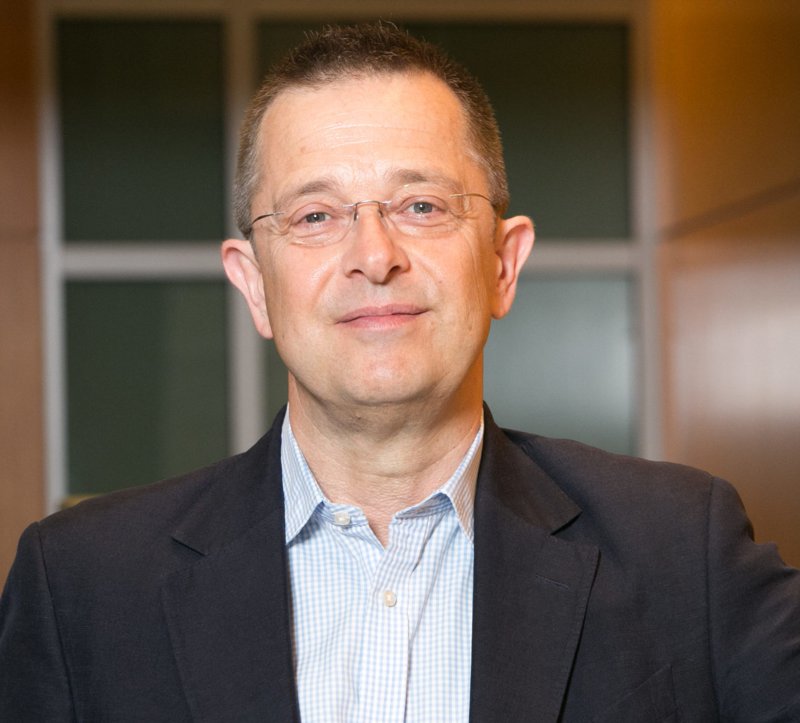
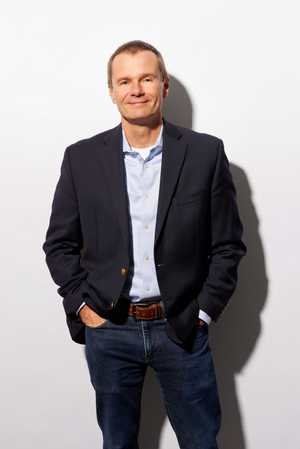
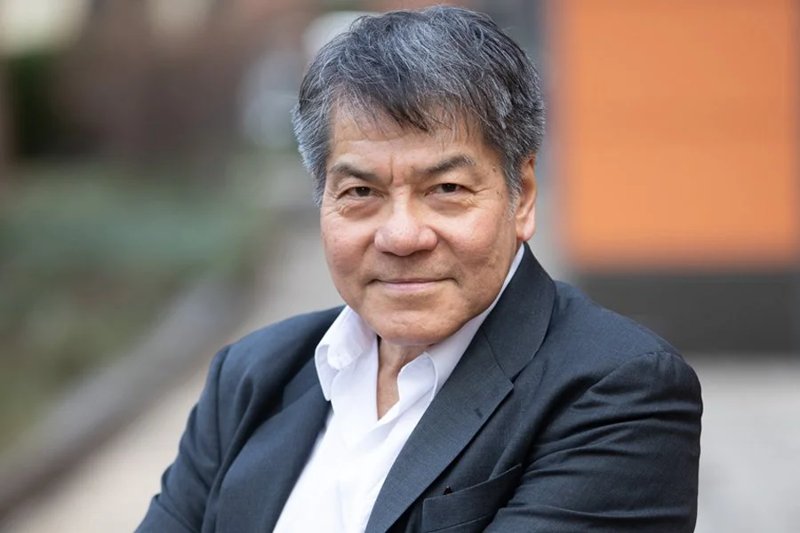
Sana Biotechnology was founded in 2018 by Richard Mulligan and Hans Bishop.


.jpg?itok=YnNGtnt9)

Board
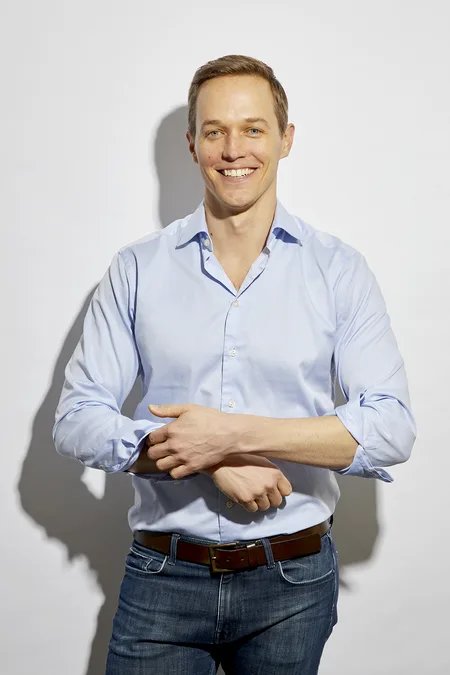
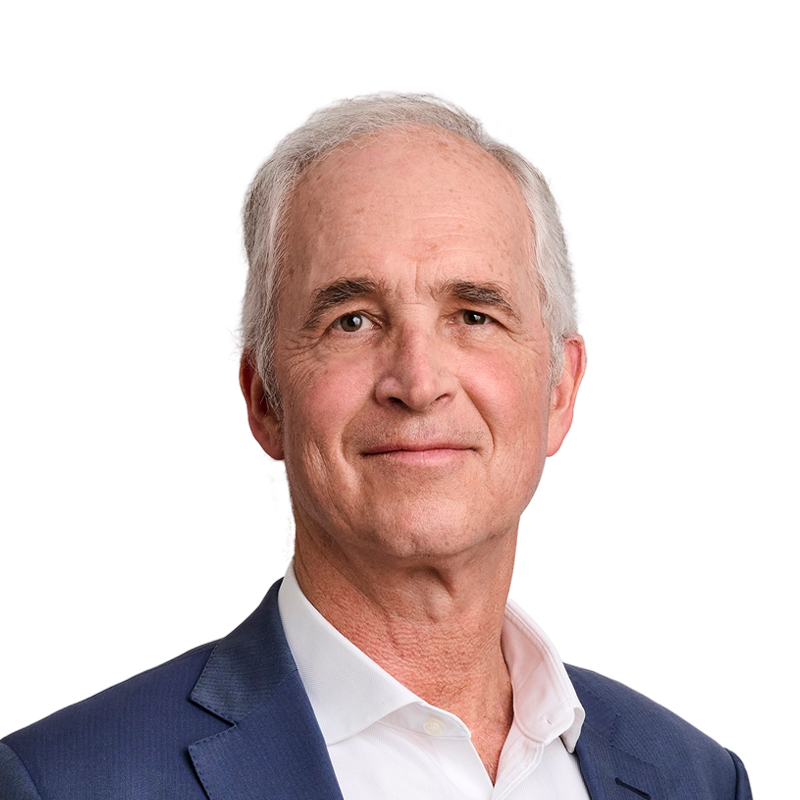


Investors · 19

How we know: funding news · Not right? Tell us

How we know: ARCH Venture Partners's portfolio page · board seat on SEC Form D · the VCSheet dataset · research · sana.com · open dataset · 5k.vc investor directory · Not right? Tell us
How we know: Catalytic Impact Foundation's portfolio page · Not right? Tell us

How we know: F-Prime Capital's portfolio page · research · sana.com · open dataset · 5k.vc investor directory · Not right? Tell us

How we know: Flagship Pioneering's portfolio page · board seat on SEC Form D · research · sana.com · Not right? Tell us

How we know: GV (Google Ventures)'s portfolio page · research · sana.com · open dataset · 5k.vc investor directory · Not right? Tell us

How we know: the VCSheet dataset · Not right? Tell us
How we know: Manta Ray Ventures's portfolio page · Not right? Tell us
How we know: Menlo Ventures's portfolio page · Not right? Tell us

How we know: OUP (Osage University Partners)'s portfolio page · Not right? Tell us
How we know: research · sana.com · Not right? Tell us
How we know: research · sana.com · Not right? Tell us
Also in the syndicate · 4
Funding
SEC filings, press & company announcements$866.9M disclosed across 2 of 7 rounds · 2018–2026
- Undisclosed amountSeries A extensionOct 2021Source ↗
▶$821.1MraisedJun 2020 · 40 investors · BiotechnologyRule 506(b)
- Geoffrey von MaltzahnDirector
- Donald PayanDirector
- Douglas ColeDirector
- Richard MulliganDirector
- Patrick YangDirector
- Stephen KnightDirector
- James J. MacDonaldExecutive Officer
- Nathan HardyExecutive Officer
- Robert NelsenDirector
- Mary Agnes WilderotterDirector
- Hans BishopDirector
- Steven D. HarrExecutive Officer, Director
- Offering amount
- $821.1M
- Amount sold
- $821.1M
- First sale
- Feb 2019
- Incorporated
- Corporation, Delaware, 2018
- Federal exemptions
- 06b
▶$45.9MraisedJun 2020 · 8 investors · BiotechnologyRule 506(b)
- Robert NelsenDirector
- Mary Agnes WilderotterDirector
- Douglas ColeDirector
- Richard MulliganDirector
- Geoffrey von MaltzahnDirector
- James J. MacDonaldExecutive Officer
- Hans BishopDirector
- Steven D. HarrExecutive Officer, Director
- Stephen KnightDirector
- Nathan HardyExecutive Officer
- Patrick YangDirector
- Donald PayanDirector
- Offering amount
- $45.9M
- Amount sold
- $45.9M
- First sale
- Oct 2018
- Incorporated
- Corporation, Delaware, 2018
- Federal exemptions
- 06b
Source: SEC EDGAR Form D. Amounts as filed; amended filings shown once at their latest values.
Company profile
researched Aug 2026Sana Biotechnology is a Seattle-headquartered company focused on engineering cells as medicines. Its work is organized around three stated aspirations: repairing and controlling genes in any cell in the body (the field classically described as gene therapy), replacing missing or damaged cells using the convergence of stem cell biology and immunology, and building scalable, cost-conscious manufacturing and stakeholder alignment to broaden patient access to the resulting therapies.
The company describes two principal technology areas. Its ex vivo cell replacement work aims to differentiate stem cells into clinically needed cell types—for example pancreatic islet cells for type 1 diabetes—and addresses what Sana frames as the field's core challenges: manufacturing cells at scale and ensuring they engraft, function, and persist, including overcoming immune rejection. Its in vivo Cell Engineering platform targets delivery of payloads (DNA, RNA, proteins) to specific cell types, gene modification (gene editing, base editing, gene insertion, and control of gene expression), and execution in manufacturing and clinical development. Sana states it builds some capabilities internally and partners for others.
Sana's disclosed pipeline focus areas include diabetes, B-cell cancers, and B-cell related autoimmune disorders. The company maintains sites in Seattle (188 East Blaine Street), South San Francisco, and Cambridge, Massachusetts.
Founding story
Sana Biotechnology was founded by former Juno Therapeutics executives Hans Bishop and Steve Harr, along with other executives, and became publicly known on January 4, 2019; the earliest public trace cited is a trademark application filed in August 2018. Harr, previously Juno's chief financial officer, became CEO, and Bishop, previously Juno's CEO, was a co-founder. The company is described as a spin-out from Flagship Pioneering. Harr said he chose Seattle as headquarters to be near talent and the local entrepreneurial environment in gene therapy and cellular engineering, relocating from New York. The founding executive team also included Sunil Agarwal (Chief Development Officer and Head of Portfolio Strategy), Chad Cowan (Chief Scientific Officer), Andy May (Chief Technology Officer), Robin Andrulevich (Chief People Officer), Nate Hardy (Chief Financial Officer), Christian Hordo (Chief Business Officer), and James MacDonald (General Counsel).
Traction
As of mid-2020 the company reported approximately 230 employees across Seattle, San Francisco and Cambridge, of which about 10% came from Juno Therapeutics. It had raised over $700 million in its initial financing (reported as $821 million in SEC filings) and has published platform data in peer-reviewed journals through 2025, including New England Journal of Medicine reports on transplanted allogeneic beta cells.
Latest developments
Publications listed by the company include an August 2025 New England Journal of Medicine paper on survival of transplanted allogeneic beta cells with no immunosuppression, a September 2025 NEJM piece on replacement of beta cells for type 1 diabetes, an October 2025 Nature Reviews Drug Discovery article on in vivo CAR-T cell therapy, and a December 2025 Nature Biotechnology paper on in vivo gene editing of human hematopoietic stem and progenitor cells using envelope-engineered virus-like particles.
▸Full profile — market position, technology, go-to-market, geography, history, risks & controversies
Market position
Sana was characterized at launch as a new entrant in regenerative medicine whose founders' Juno Therapeutics track record drove unusual investor interest; its initial raise was described as one of the largest in recent memory for a Seattle-area biotech startup, compared with the $264-265 million Juno raised in its 2014 IPO before being acquired by Celgene for $9 billion in 2018.
Technology
Sana describes two platform areas. The Hypoimmune platform underpins ex vivo cell replacement, engineering cells to avoid immune rejection; associated publications report survival of transplanted allogeneic beta cells without immunosuppression, hypoimmune islets achieving insulin independence in a fully immunocompetent non-human primate, long-term survival of hypoimmune induced pluripotent stem cells in allogeneic rhesus macaques, human hypoimmune primary pancreatic islets avoiding rejection and autoimmunity in humanized mice, and hypoimmune anti-CD19 CAR T cells providing tumor control in allogeneic humanized mice. The Fusogen platform supports in vivo cell engineering, with publications on in vivo CAR-T cell therapy and in vivo gene editing of human hematopoietic stem and progenitor cells using envelope-engineered virus-like particles. Stated core capabilities also include making cells at scale ex vivo, in vivo delivery of DNA, RNA and protein payloads to specific cell types, immunology approaches to hide allogeneic cells from the immune system, controllable gene and protein expression systems, and scaled, cost-efficient manufacturing.
Go-to-market
Patients with diseases including type 1 diabetes, B-cell cancers, and B-cell related autoimmune disorders; the company also references working with partners and stakeholders across the cell and gene therapy field.
Geography
Headquarters in Seattle, Washington (188 East Blaine Street, Suite 350), with additional offices in South San Francisco, California (1 Tower Place, Suite 500) and Cambridge, Massachusetts (300 Technology Square, Suite 700).
History
Founded by ex-Juno Therapeutics leaders and publicly identified in January 2019, Sana announced in June 2020 the funding of all tranches of its initial financing, raising over $700 million; SEC documents reported at the time indicated $821 million in the initial funding round, with most of the money secured roughly a year earlier. Company press announcements listed on its site include the acquisition of Oscine, board of directors appointments, and additions to its senior research and regulatory leadership (Ed Rebar, Terry Fry, and Ke Liu). Published research tied to its Hypoimmune and Fusogen platforms appeared through 2023-2025 in journals including the New England Journal of Medicine, Nature Biotechnology, Cell Stem Cell, Science Translational Medicine, Nature Communications, and Nature Reviews Drug Discovery.
Risks & controversies
The company itself notes that achieving its goals will take decades of commitment and that there will be setbacks and even failures, and that it cannot achieve them alone. Its CEO has publicly criticized industry practices of running experiments primarily to justify raising more capital. Sources contain differing figures for the initial financing ("more than $700 million" per the company versus $821 million per SEC documents cited by press).
Compiled by commissioned research from 8 cited public sources — announcements, filings, and press listed under research sources below.
Key figures
latest reportedCompany-reported or press-reported figures, each dated to when it was claimed — not independently audited.
Founder mafia
The Sana Biotechnology mafia →9 people who came through Sana Biotechnology went on to found or lead other companies.



Related companies · 5




Companies working in the same space as Sana Biotechnology.
Timeline · 6
launches, deals, and filingsSana announced funding of all tranches of its initial financing, raising over $700 million; investors included ARCH Venture Partners, Flagship Pioneering, Canada Pension Plan Investment Board, Baillie Gifford, F-Prime Capital, Alaska Permanent Fund and the Public Sector Pension Investment Board. Press reporting citing SEC documents put the initial round at $821 million and added Bezos Expeditions, Altitude Life Science Investors, GV and Omega Funds as investors.
$700M source ↗
Company press release listed among recent posts announcing Sana's acquisition of Oscine. No date or terms disclosed in the source.
Company press release announcing appointments to Sana's board of directors. No date or names given in the source.
Company press release announcing that Ed Rebar, Ph.D., and Terry Fry, M.D., strengthened Sana's senior research leadership team. No date given in the source.
Company press release announcing that Ke Liu, M.D., Ph.D., joined Sana's senior leadership team, building key regulatory capabilities. No date given in the source.
Sana Biotechnology entered the marketplace, founded by former Juno Therapeutics executives Hans Bishop and Steve Harr among others, as a spin-out from Flagship Pioneering with operations in Seattle, Cambridge and San Francisco. The earliest public mention cited is a trademark application filed in August 2018.
Dated company events from announcements, filings, and press; legal rows summarize public dockets and regulator releases.
▸Research sources · 8
primary sources listed
- Sana Biotechnologysana.com · web
8 public sources were cited for this profile; the first-party ones are listed here.
Frequently asked questions
- What does Sana Biotechnology do?
- Seattle-based biotech developing engineered cell medicines across in vivo gene delivery and ex vivo cell replacement.
- Who founded Sana Biotechnology?
- Sana Biotechnology was founded by Richard Mulligan, Hans Bishop in 2018.
- Who are Sana Biotechnology's investors?
- Sana Biotechnology's investors include American Family Ventures, ARCH Venture Partners, Catalytic Impact Foundation, F-Prime Capital, Flagship Pioneering, GV (Google Ventures), Innovating Capital, JDRF T1D Fund and 7 more.
- How much funding has Sana Biotechnology raised?
- Sana Biotechnology has disclosed $866.9M raised across 2 of its 7 known rounds.
- Where is Sana Biotechnology headquartered?
- Sana Biotechnology is headquartered in Seattle, US.