 Fundraising Fox
Mammoth Biosciences
Unicorn · $1BBrisbane, US · Founded 2017 · Delaware corporation · 158 employees on LinkedIn · 20 known investors
Find your way into Mammoth Biosciences
2,179 people in our graph share verified history with the Mammoth Biosciences team — schools, employers, funds. One of them is your warm intro.

Mammoth Bio develops technology to read and write the code of life, operating in the biotechnology sector.
Also known as Apheleia Diagnostics · Mammoth Bio · Mammoth Biosciences, Inc.
Founders & leadership
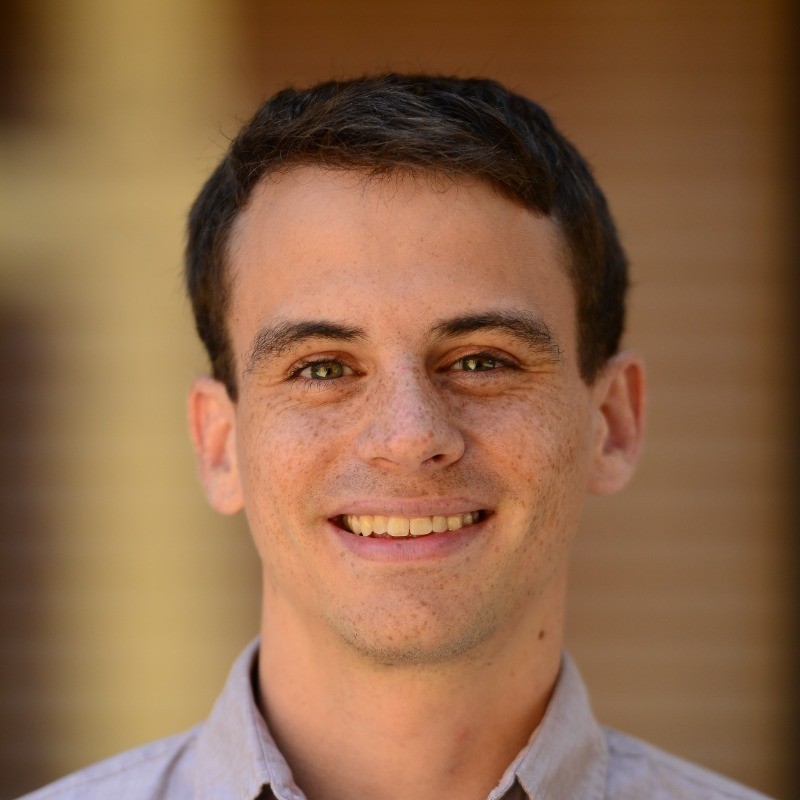
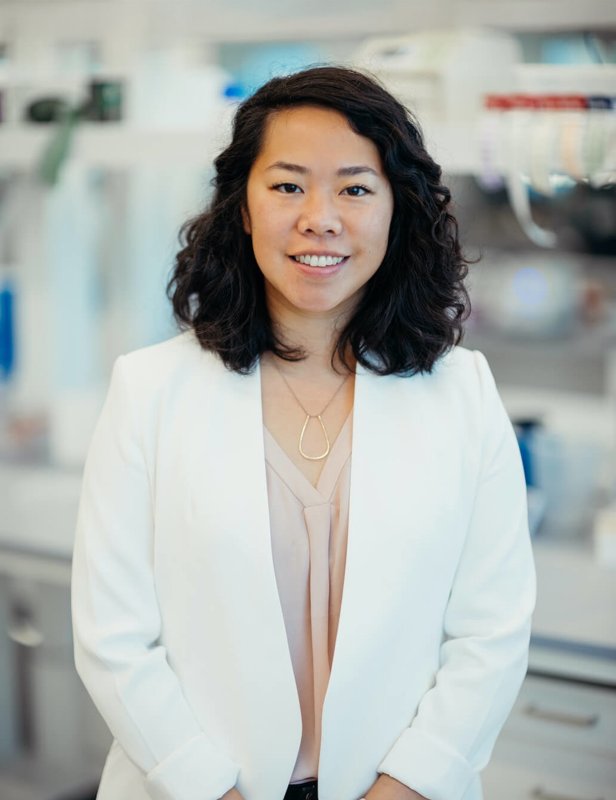
Mammoth Biosciences was founded in 2017 by Jennifer Doudna, Trevor Martin, Janice Chen, Lucas Harrington, and Ashley Tehranchi.



Board
Investors · 20

How we know: 8VC's portfolio page · the VCSheet dataset · Not right? Tell us
How we know: the VCSheet dataset · Not right? Tell us
How we know: CALIFORNIA INNOVATION's portfolio page · Not right? Tell us
How we know: Decheng Capital's portfolio page · funding news · press coverage · the VCSheet dataset · research · forbes.com · Not right? Tell us

How we know: Foresite Capital's portfolio page · research · forbes.com · Not right? Tell us

How we know: Mayfield Fund's portfolio page · a partner's Signal profile · the VCSheet dataset · Not right? Tell us

How we know: Mission Biocapital's portfolio page · the VCSheet dataset · Not right? Tell us

How we know: NFX's portfolio page · funding news · press coverage · Not right? Tell us

How we know: Plum Alley Investments's portfolio page · a partner's Signal profile · the VCSheet dataset · Not right? Tell us

How we know: Wireframe Ventures's portfolio page · the VCSheet dataset · Not right? Tell us
How we know: the VCSheet dataset · Not right? Tell us

How we know: the VCSheet dataset · Not right? Tell us
Also in the syndicate · 3
Funding
SEC filings, press & company announcements$20.6M disclosed across 2 of 11 rounds · 2017–2022
- Undisclosed amountSeries BJan 2020Source ↗
▶$13.2MraisedAug 2018 · 28 investors · BiotechnologyRule 506(b)
- Urshit ParikhDirector
- Ashley TehranchiExecutive Officer, Director
- Janice ChenExecutive Officer
- Trevor MartinExecutive Officer, Director
- Lucas HarringtonExecutive Officer
- Offering amount
- $13.2M
- Amount sold
- $13.2M
- First sale
- May 2018
- Incorporated
- Corporation, Delaware, 2017
- Federal exemptions
- 06b
▶$7.4MraisedAug 2018 · 4 investors · BiotechnologyRule 506(b)
- Lucas HarringtonExecutive Officer
- Urshit ParikhDirector
- Trevor MartinExecutive Officer, Director
- Ashley TehranchiExecutive Officer, Director
- Janice ChenExecutive Officer
- Offering amount
- $7.4M
- Amount sold
- $7.4M
- First sale
- Aug 2018
- Incorporated
- Corporation, Delaware, 2017
- Federal exemptions
- 06b
Source: SEC EDGAR Form D. Amounts as filed; amended filings shown once at their latest values.
Valuation · disclosed
Disclosed eventsSource: SEC prospectus filings, and round valuations the company or its investors disclosed — follow each entry's link for the claim.
Company profile
researched Aug 2026Mammoth Biosciences is a biotechnology company headquartered at 1000 Marina Blvd., Brisbane, California, that develops therapeutics and diagnostics based on CRISPR technology. Its core scientific asset is a portfolio of proprietary ultracompact CRISPR-Cas systems — including NanoCas and CasPhi (CasΦ) and the Cas14 family — discovered through a metagenomics-based protein discovery and engineering platform. These enzymes are described as a third or less the size of Cas9, which the company states allows all-in-one packaging into adeno-associated virus (AAV) vectors and more efficient packaging into lipid nanoparticles (LNP), addressing delivery constraints for in vivo editing in tissues beyond the liver. The company also reports less restrictive or shorter protospacer adjacent motif (PAM) requirements and allele-specific editing capability relative to Cas9.
Beyond nuclease knockouts, Mammoth is developing additional editing modalities including base editing, reverse transcriptase editing (gene writing), and epigenetic editing, positioned as compatible with single-AAV delivery. Its disclosed pipeline includes MB-111, a wholly owned liver program using an ultracompact nuclease knockout delivered by LNP to inactivate the APOC3 gene and lower apoC-III protein and plasma triglycerides, targeting familial chylomicronemia syndrome (FCS) and severe hypertriglyceridemia (sHTG). Additional undisclosed programs span neuromuscular and CNS targets (AAV delivery) and other tissues, run internally or with partners.
Historically, Mammoth also built a CRISPR-Cas12a-based molecular diagnostics platform (DETECTR, and DETECTR BOOST), which received FDA emergency use authorization for a COVID-19 test and was pursued with partners including GlaxoSmithKline, MilliporeSigma, Hamilton Company, Agilent Technologies, Horizon Discovery and Merck & Co., plus DARPA and NIH RADx funding. In 2023 the company announced it would refocus on CRISPR-based therapeutics, with reported layoffs of 35 staff on the testing team.
Founding story
Mammoth Biosciences was founded in 2017 by Trevor Martin, a recent Stanford PhD, together with UC Berkeley scientists Janice Chen and Lucas Harrington and their advisor, CRISPR co-inventor and Nobel laureate Jennifer Doudna. According to Mayfield, Martin initially incorporated the company as Apheleia Diagnostics around a CRISPR diagnostic technology licensed from UC Berkeley; Mayfield partner Ursheet Parikh, who met Martin through managing partner Navin Chaddha in 2017, invested at seed stage and helped bring Doudna and her students Chen and Harrington into the company, after which the four co-founded Mammoth Biosciences around the concept of a broad CRISPR platform (described internally as "Mammoth Inside").
Business model
Mammoth combines a wholly owned therapeutic pipeline with platform licensing and partnership deals. Partnership economics disclosed for Regeneron include $100 million in upfront payment and equity investment, $370 million per target in development, regulatory and commercial milestones, royalties from single digits to mid-teens on net sales, and an option to co-fund and share profits on a majority of collaboration programs. The Vertex agreement covers two in vivo indications with $40 million in upfront payments and investments, up to $650 million in potential future payments, and tiered royalties on net sales.
Reported revenue sources are collaboration-derived: upfront payments, equity investments, development/regulatory/commercial milestone payments and tiered royalties on future net sales from pharma partnerships (Regeneron, Vertex), plus historical government contracts and diagnostics partnerships. No product sales revenue is disclosed in the sources.
Traction
Mammoth reports raising over $465 million from investors in the US and internationally, including $195 million announced in September 2021 at a valuation above $1 billion. Headcount grew from 35 in 2020 to more than 100 in 2021, with one secondary source citing 190 employees. Pipeline traction includes nomination of MB-111 as first development candidate, non-human primate skeletal muscle editing data with AAV-delivered NanoCas presented at ASGCT 2025, and MB-111 preclinical data at the ESGCT 32nd Annual Congress. Commercial traction includes multi-hundred-million-dollar partnership frameworks with Regeneron and Vertex and, historically, FDA emergency use authorization for its COVID-19 DETECTR test and DARPA/NIH/DoD awards.
Latest developments
Recent announcements include the nomination of MB-111 as Mammoth's first development candidate and the appointment of genetic medicines veteran Bob D. Brown (former EVP of R&D and President at Dicerna) to the board of directors; new results on NanoCas described as the first efficient ultracompact extrahepatic gene editor; presentation of non-human primate skeletal muscle in vivo editing data at ASGCT 2025; MB-111 preclinical data at the ESGCT 32nd Annual Congress; a Regeneron collaboration on next-generation CRISPR-based gene editing across multiple diseases; a California Life Sciences Pantheon Award; and scheduled presentations at the 41st, 43rd and 44th Annual J.P. Morgan Healthcare Conferences.
▸Full profile — market position, technology, go-to-market, geography, history, risks & controversies
Market position
Mammoth is described as a CRISPR platform company that reached unicorn status (valuation above $1 billion) in September 2021, distinguished from single-asset biotechs by a toolbox of diverse CRISPR proteins applicable across therapeutics and diagnostics. Sources position it against gene editing peers such as CRISPR Therapeutics, Intellia and Editas, and alongside Sherlock Biosciences in CRISPR diagnostics.
Differentiation rests on the ultracompact size of its proprietary Cas nucleases (NanoCas, CasPhi, Cas14), which the company says overcomes viral and non-viral delivery limits of legacy Cas9; alternative and shorter PAM requirements that expand targetable sequences with improved specificity; a range of editing modalities compatible with single-AAV delivery; and a broad intellectual property portfolio covering ultracompact nucleases and novel modalities. Co-founder involvement of Nobel laureate Jennifer Doudna, who chairs the scientific advisory board, is also cited.
Technology
The platform centers on metagenomics-based discovery and protein engineering of novel CRISPR-Cas enzymes, notably the ultracompact NanoCas, CasΦ (CasPhi) and Cas14 families, which are substantially smaller than Cas9. Small size enables all-in-one AAV packaging and more efficient LNP formulation of shorter mRNAs, supporting editing in extrahepatic tissues; the company reports NanoCas as the first efficient ultracompact extrahepatic gene editor and has shown AAV-delivered NanoCas editing of skeletal muscle in non-human primates. Editing modalities include nuclease knockout, base editing, reverse transcriptase/gene writing and epigenetic editing. Underlying publications include Harrington et al. on Cas14 (Science, 2018), Chen et al. on Cas9 proofreading (Nature, 2017) and Pausch et al. on CasΦ (Science, 2020). A separate CRISPR-Cas12-based DETECTR diagnostics platform detects specific nucleic acid sequences.
Go-to-market
The company advances wholly owned programs internally while broadening platform reach through partnerships with large pharmaceutical and biotechnology companies (Regeneron, Vertex, Bayer, and historically GSK, MilliporeSigma, Hamilton, Agilent and Horizon Discovery). It maintains visibility through scientific conference presentations (ASGCT, ESGCT) and investor events such as the J.P. Morgan Healthcare Conference, and solicits collaborations via a partnerships contact channel.
Therapeutically, patients with life-threatening and debilitating genetic diseases, including familial chylomicronemia syndrome and severe hypertriglyceridemia, plus undisclosed neuromuscular and CNS indications; commercially, pharmaceutical and biotechnology partners licensing or co-developing the CRISPR platform. Diagnostics historically served healthcare providers and laboratories.
Geography
Headquartered in Brisbane, California (1000 Marina Blvd., Brisbane, CA 94005), with earlier operations in the San Francisco Bay Area (Dogpatch office; described in 2021 as South San Francisco-based). Investors and partners span the US and internationally, including Bayer (Germany) and MilliporeSigma/Merck KGaA.
History
Founded in 2017 in California, the company raised a Mayfield-led $23 million Series A that included seed and angel investors such as Tim Cook. It signed CRISPR tool development agreements with Horizon Discovery in December 2019 and January 2020 covering Chinese hamster ovary cell applications. During the COVID-19 pandemic Mammoth developed CRISPR-based SARS-CoV-2 tests, obtained FDA emergency use authorization for its DETECTR platform in 2020, was selected for the NIH RADx program, won Department of Defense and DARPA contracts, and worked with GlaxoSmithKline and MilliporeSigma; DETECTR BOOST manufacturing was contracted to Merck & Co. Headcount grew from 35 in 2020 to over 100 by 2021, when it opened a facility in Brisbane, California and reached unicorn valuation with $195 million in combined Series C and D financing. Therapeutic partnerships followed with Vertex Pharmaceuticals (2021), Bayer (2022) and Regeneron. In 2023 Mammoth announced a strategic shift to focus on CRISPR-based therapeutics, cutting 35 diagnostics-team roles. In 2025 it reported NanoCas in vivo editing of skeletal muscle in non-human primates and nominated MB-111 as its first development candidate.
Risks & controversies
In 2023 Mammoth deprioritized diagnostics research and laid off 35 employees on its testing team to focus on therapeutics, per Endpoints News reporting cited by Wikipedia. Its pipeline remains preclinical, with no clinical-stage program disclosed; MB-111 was only recently nominated as a development candidate. Source data on the company is inconsistent: a startup directory lists total funding of $303.1 million across six rounds and implausible employee figures, while the company itself states over $465 million raised, and titles for co-founders Chen and Harrington differ between sources.
Compiled by commissioned research from 8 cited public sources — announcements, filings, and press listed under research sources below.
Key figures
latest reportedCompany-reported or press-reported figures, each dated to when it was claimed — not independently audited.
Founder mafia
3 people who came through Mammoth Biosciences went on to found or lead other companies.

Competitors · 1
by search overlap
Companies competing with Mammoth Biosciences for the same Google search keywords, organic and paid, via search-intersection analysis.
Timeline · 14
launches, deals, and filingsNamed a winner in the 21st Annual Pantheon Awards.
Preclinical data on in vivo gene editing of skeletal muscle in non-human primates using an AAV-delivered ultracompact NanoCas CRISPR system.
MB-111 is a wholly owned LNP-delivered ultracompact nuclease knockout program targeting APOC3 in the liver for familial chylomicronemia syndrome and severe hypertriglyceridemia. Bob D. Brown, former EVP of R&D and President at Dicerna, joined the board of directors.
Company announced it would focus on developing CRISPR-based therapies, backing off diagnostics research and laying off 35 employees on the testing team.
Collaboration across multiple in vivo indications; terms include $100M upfront and equity investment, $370M per target in milestones, single-digit to mid-teens royalties, and opt-in co-funding/profit sharing on a majority of programs.
$100M source ↗
Partnership announced to research ultra-small CRISPR systems for in vivo editing.
Announced $195 million of financing at a valuation of more than $1 billion, comprising a $150M Series D led by Redmile Group and a $45M Series C led by Redmile Group and Foresite Capital, with participation from Sixth Street, Decheng Capital, Mayfield and Amazon.
$195M source ↗
Former Genentech and Sangamo executive joined as general counsel.
Collaboration covering two in vivo indications with $40M in upfront payments and investments and up to $650M in potential future payments plus tiered royalties; reported by Forbes as a $691 million deal.
$691M source ↗
Developed CRISPR-Cas12-based SARS-CoV-2 detection; received FDA emergency use authorization for the DETECTR platform for COVID-19 and was selected for the NIH RADx program and a Department of Defense contract.
Agreement combining Mammoth's CRISPR intellectual property with Horizon Discovery's expertise in Chinese hamster ovary cells.
Dated company events from announcements, filings, and press; legal rows summarize public dockets and regulator releases.
Legal entities · 1
corporate structure▸Research sources · 8
primary sources listed
- Mammoth Biosciencesmammoth.bio · web
8 public sources were cited for this profile; the first-party ones are listed here.
Frequently asked questions
- What does Mammoth Biosciences do?
- CRISPR biotechnology company developing in vivo gene editing therapeutics based on ultracompact Cas systems.
- Who founded Mammoth Biosciences?
- Mammoth Biosciences was founded by Jennifer Doudna, Trevor Martin, Janice Chen, Lucas Harrington, Ashley Tehranchi in 2017.
- Who are Mammoth Biosciences's investors?
- Mammoth Biosciences's investors include 8VC, Berkeley Frontier, CALIFORNIA INNOVATION, Decheng Capital, Foresite Capital, Mayfield Fund, Mission Bay Capital, Mission Biocapital and 9 more.
- How much funding has Mammoth Biosciences raised?
- Mammoth Biosciences has disclosed $20.6M raised across 2 of its 11 known rounds.
- Where is Mammoth Biosciences headquartered?
- Mammoth Biosciences is headquartered in Brisbane, US.