 Fundraising Fox
Cartography Biosciences
South San Francisco, US · 68 employees on LinkedIn · 21 known investors
Find your way into Cartography Biosciences
Sign up to see every warm intro you have to Cartography Biosciences
- Paths you didn't know you had: your email and LinkedIn already hold routes to the Cartography Biosciences team. We find them for you
- 2nd- and 3rd-degree connections: the friend-of-a-friend routes that take hours to manually find through your inbox or LinkedIn
- Answers now, not in days: momentum is everything in a raise. Skip asking around whether someone knows someone
Days of research, done the moment you sign in, with every route ranked by how warm it is.
Cartography develops antibody-based cancer therapies using single-cell sequencing and computational biology to identify precise cellular targets. The company combines genomics data analysis with therapeutic design to create more targeted treatments for cancer patients.
Also known as Cartography · Cartography Biosciences, Inc.
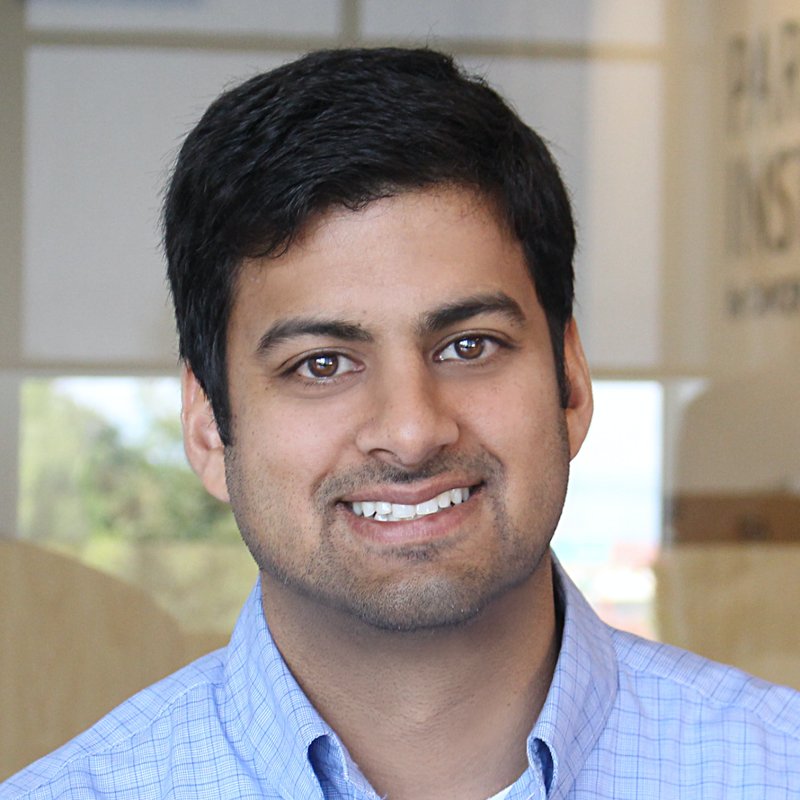
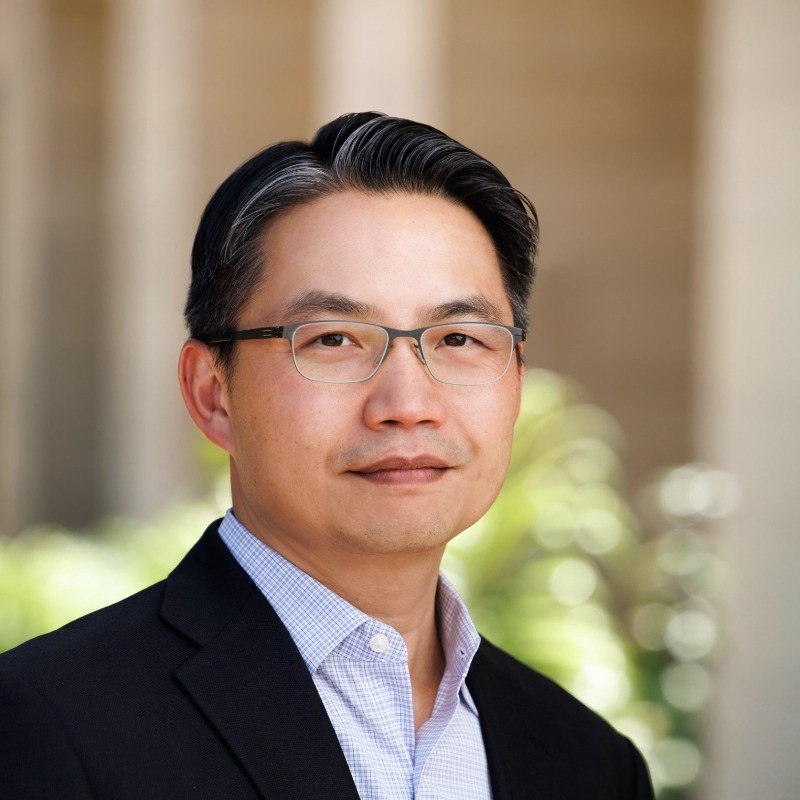
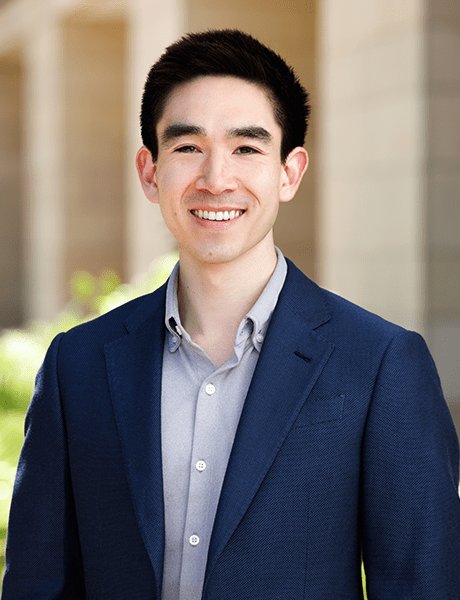
Founders & leadership
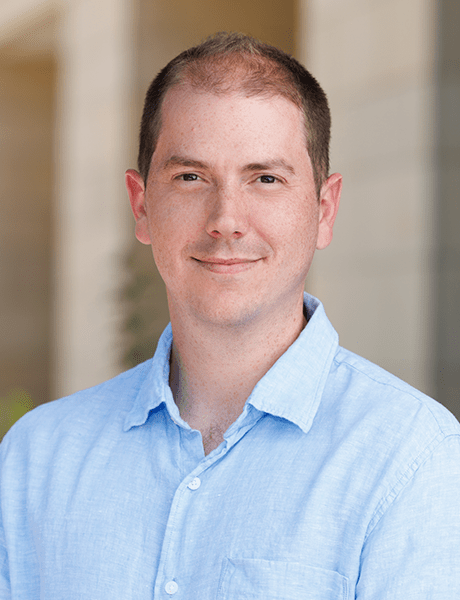
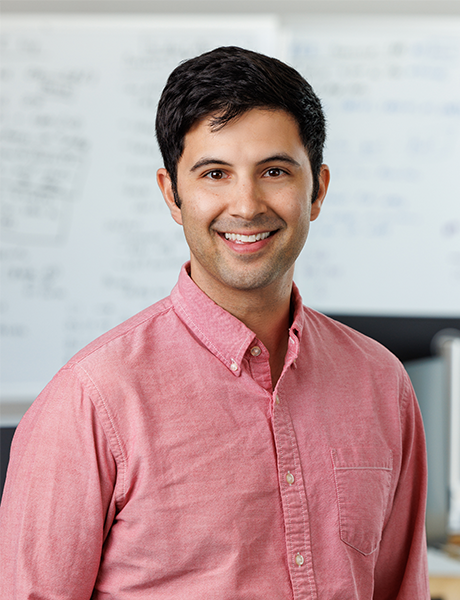
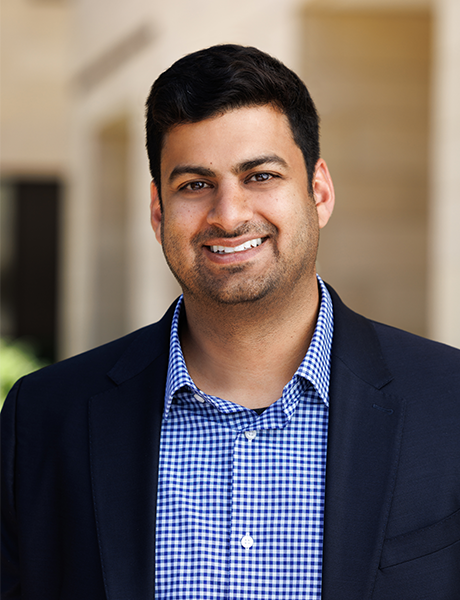
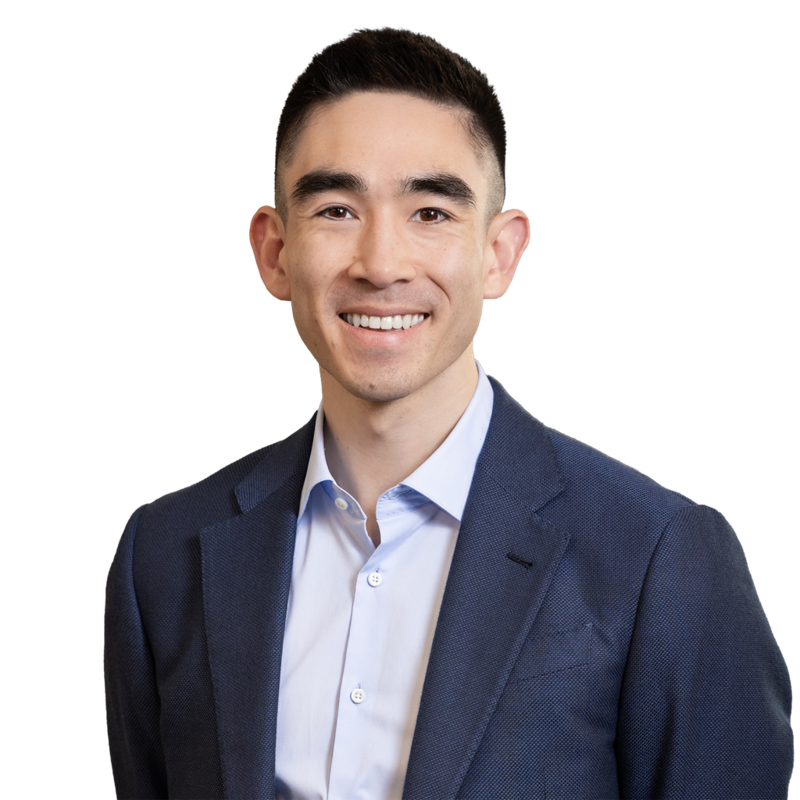
Investors · 21

How we know: 8VC's portfolio page · a partner's Signal profile · precisionmedicineonline.com · the VCSheet dataset · open dataset · 5k.vc investor directory · Not right? Tell us

How we know: a16z's portfolio · a partner's Signal profile · excedr.com · Not right? Tell us
How we know: Artis Ventures's portfolio page · precisionmedicineonline.com · open dataset · 5k.vc investor directory · Not right? Tell us

How we know: Catalio Capital Management, LP's portfolio page · Not right? Tell us
How we know: Finchley Healthcare Ventures's portfolio page · Not right? Tell us
__Twitter.png)
How we know: precisionmedicineonline.com · gaingels.com · Not right? Tell us
How we know: precisionmedicineonline.com · Not right? Tell us
How we know: Pfizer Venture Investments's portfolio page · the VCSheet dataset · Not right? Tell us

How we know: Wing's portfolio page · precisionmedicineonline.com · the VCSheet dataset · open dataset · 5k.vc investor directory · Not right? Tell us

How we know: precisionmedicineonline.com · Not right? Tell us
How we know: precisionmedicineonline.com · Not right? Tell us

How we know: open dataset · 5k.vc investor directory · Not right? Tell us
How we know: excedr.com · Not right? Tell us
How we know: funding news · press coverage · Not right? Tell us
Also in the syndicate · 5
Funding
SEC filings, press & company announcements$67M disclosed across 1 of 2 rounds · 2025
- $67MSeries BOct 2025 · 4 sources
Pfizer Ventures (lead), 8VC, a16z Bio and Health, AME Cloud Ventures, Amgen Ventures, Andreessen Horowitz, Andreessen Horowitz (a16z) Bio + Health, ARTIS Ventures, Catalio Capital Management, Finchley H.V., Gaingels, Global BioAccess Fund, LG Corp, Lotte Holdings CVC, Wing Venture Capital
Source ↗
Source: company announcements and press reports — follow each round's link for the claim.
Company profile
researched Aug 2026Cartography Biosciences is an oncology company based in South San Francisco, California, advancing a pipeline of T-cell-engaging bispecific and multi-specific antibody therapeutics directed at novel, highly tumor-specific antigens. The company was founded in 2020 by Stanford scientists Kevin Parker, Ansu Satpathy and Howard Chang, who observed that most new cancer therapies were built around a small set of broadly expressed targets, limiting both efficacy and safety. Its central premise is that better immunotherapies depend on higher-resolution target identification — finding antigens, or combinations of antigens, present on malignant cells but largely absent from healthy tissue.
The company operates two connected platforms. ATLAS is a curated, integrated dataset of single-cell RNA sequencing data spanning hundreds of thousands of cell states across thousands of healthy human cell types, combined with large-scale profiling of individual cells from patient tumors. SUMMIT applies machine learning and multi-omic analysis to those petabyte-scale datasets to identify single-protein antigens and antigen pairs that distinguish tumors from normal tissue. Discovery work pairs single-cell sequencing, spatial transcriptomics and high-throughput proteomics with automated sample preparation, sequencing and bioinformatics pipelines that feed directly into computational modeling.
The lead candidate, CBI-1214 (also referenced as CB21), is a T cell engager targeting LY6G6D and CD3. Company data indicate LY6G6D is enriched in microsatellite stable (MSS) and microsatellity instability-low (MSI-L) colorectal cancer, subtypes that respond poorly to existing immunotherapies. Preclinical work reported at AACR 2025 described dose-dependent tumor growth inhibition in endogenous LY6G6D-expressing xenograft models and a non-human primate PK/tolerability study in which exposures well above predicted clinical levels produced no significant cytokine release; an accelerated Phase 1 plan was outlined. Additional earlier-stage programs cover solid tumors and non-small cell lung cancer.
Founding story
Cartography Biosciences was founded by Kevin Parker, Ansu Satpathy and Howard Chang, academics from Stanford, who identified a gap in drug discovery: despite advances in genomics and biology, most new therapies continued to be built around the same broadly expressed targets, producing limited efficacy and safety. They began constructing proprietary single-cell atlases from human tissues to map healthy and tumor biology at large scale, and that discovery effort became the ATLAS and SUMMIT platforms.
Business model
Cartography develops its own pipeline of antibody-based oncology therapeutics discovered in-house, and also monetizes its discovery platforms through partnerships with larger pharmaceutical companies. In its 2024 Gilead Sciences collaboration, Cartography performs target discovery and validation while the partner takes responsibility for downstream development and commercialization, with Cartography receiving an upfront payment and eligibility for milestone and royalty payments on optioned targets.
Revenue to date has come from partnership economics rather than product sales: the Gilead Sciences collaboration provided a $20 million upfront payment with eligibility for milestone and royalty payments tied to each optioned target. Internal programs are pre-commercial.
Traction
Cartography has disclosed a $20 million upfront payment from its 2024 Gilead Sciences collaboration, a $67 million Series B in October 2025, preclinical and non-human primate data on its lead CD3 x LY6G6D T cell engager presented at AACR 2025 with an accelerated Phase 1 plan, and additional discovery-stage programs in solid tumors and non-small cell lung cancer. Third-party data listed the company at 10-50 employees as of May 2025.
Latest developments
In October 2025, Cartography raised $67 million in Series B funding led by Pfizer Ventures, with new investors LG Corp, Amgen Ventures, Finchley H.V., Global BioAccess Fund and Lotte Holdings CVC, and existing investors Andreessen Horowitz (a16z) Bio + Health, 8VC, Wing Venture Capital, Catalio Capital Management, AME Cloud Ventures, ARTIS Ventures and Gaingels. Michael Baran of Pfizer Ventures joined the Board of Directors in connection with the financing. Proceeds are directed to moving CBI-1214 into the clinic, scaling data infrastructure and accelerating additional programs from the ATLAS and SUMMIT platforms.
▸Full profile — market position, technology, go-to-market, geography, history
Market position
Cartography competes in precision immuno-oncology, specifically the development of T-cell-engaging bispecific and multi-specific antibodies for solid tumors. Its validation to date includes a target discovery collaboration with Gilead Sciences and investment from the venture arms of Pfizer and Amgen. Its lead indication, microsatellite stable and MSI-low colorectal cancer, is a segment where current immunotherapies show limited response.
Cartography's stated point of difference is the resolution and scale of the data underlying its target selection. Rather than relying on bulk sequencing and animal models, which can miss low-level expression of a target in healthy tissue and thus underestimate toxicity risk, the company builds proprietary single-cell atlases of healthy and tumor tissue and uses computational analysis to find targets and target pairs restricted to malignant cells. The platform is designed as a closed loop between automated wet-lab data generation and computational modeling, and it supports combination-antigen targeting for cases where no single antigen is sufficiently tumor-specific.
Technology
Two integrated platforms underpin the company. ATLAS is a curated single-cell RNA sequencing resource covering thousands of healthy human cell types integrated with tumor datasets from patient samples, generated via automated sequencing pipelines and standardized bioinformatics workflows. SUMMIT applies machine learning and multi-omic analysis to these datasets to identify tumor-specific single antigens and antigen pairs. Discovery inputs include single-cell sequencing, spatial transcriptomics and high-throughput proteomics. Antibody engineering uses in-silico modeling, automated protein-engineering pipelines and high-throughput binding assays, followed by cell-based cytotoxicity assays and flow-cytometry screens.
Go-to-market
The company advances internal programs toward the clinic while forming partnerships with large pharmaceutical companies that license or option targets from its platforms; business development is led by a dedicated senior BD function. Investor syndicates include corporate venture arms of pharmaceutical companies, including Pfizer Ventures and Amgen Ventures.
Ultimately cancer patients, with an initial focus on microsatellite stable and MSI-low colorectal cancer and additional programs in solid tumors and non-small cell lung cancer; near-term commercial counterparties are large pharmaceutical companies seeking novel oncology targets, such as Gilead Sciences.
Geography
Headquartered in South San Francisco, California, United States.
History
The company was founded in 2020 and is based in South San Francisco, California. What began as a discovery effort to build proprietary single-cell atlases of human tissue evolved into the ATLAS and SUMMIT platforms. In 2024 Cartography entered a multi-year target discovery collaboration with Gilead Sciences covering triple-negative breast cancer and lung adenocarcinoma, including a $20 million upfront payment. In April 2025 company scientists presented preclinical data on its LY6G6D-directed T cell engager at the AACR Annual Meeting, and in October 2025 it raised a $67 million Series B led by Pfizer Ventures to move the lead program into the clinic.
Compiled by commissioned research from 6 cited public sources — announcements, filings, and press listed under research sources below.
Key figures
latest reportedCompany-reported or press-reported figures, each dated to when it was claimed — not independently audited.
Founder mafia
3 people who came through Cartography Biosciences went on to found or lead other companies.
Timeline · 4
launches, deals, and filingsProceeds are earmarked for advancing lead program CBI-1214 into clinical trials and accelerating additional oncology programs from the ATLAS and SUMMIT platforms.
$67M source ↗
As part of the Series B financing, Michael Baran, MBA, PhD, Partner at Pfizer Ventures, joined Cartography's Board of Directors.
Company scientists presented preclinical data (Abstract 2126, AACR Annual Meeting 2025; Cancer Res 2025) on CB21, a CD3 x LY6G6D T cell engager for microsatellite stable colorectal cancer, reporting dose-dependent tumor growth inhibition in xenograft models and a non-human primate PK/tolerability study with no significant cytokine release, alongside an accelerated Phase 1 plan.
Cartography announced a multi-year collaboration with Gilead Sciences to identify new immunotherapy targets in triple-negative breast cancer and lung adenocarcinoma. Cartography's platforms handle target discovery and validation while Gilead manages downstream development and commercialization. The agreement included a $20 million upfront payment plus eligibility for milestone and royalty payments tied to each optioned target.
$20M source ↗
Dated company events from announcements, filings, and press; legal rows summarize public dockets and regulator releases.
In the news
▸Research sources · 6
primary sources listed
- Cartography Biosciencescartography.bio · web
6 public sources were cited for this profile; the first-party ones are listed here.
Frequently asked questions
- What does Cartography Biosciences do?
- Oncology company using single-cell data platforms to discover tumor-specific targets for T-cell-engaging bispecific antibodies.
- Who founded Cartography Biosciences?
- Cartography Biosciences was founded by Max Mumbach, Jeffrey Verboon, Ansu Satpathy, Kevin Parker, PhD, Ansuman Satpathy, MD, PhD, Howard Chang.
- Who are Cartography Biosciences's investors?
- Cartography Biosciences's investors include 8VC, Andreessen Horowitz, Artis Ventures, Catalio Capital Management, LP, Finchley Healthcare Ventures, Gaingels, Global BioAccess Fund, HAWKTAIL and 8 more.
- How much funding has Cartography Biosciences raised?
- Cartography Biosciences has disclosed $67M raised across 1 of its 2 known rounds.
- Where is Cartography Biosciences headquartered?
- Cartography Biosciences is headquartered in South San Francisco, US.