 Fundraising Fox
Bluebird Bio
AcquiredCambridge, US · Delaware corporation · 153 employees on LinkedIn · 7 known investors
Find your way into Bluebird Bio
Each arrow is one introduction. Sign up to fill in the first one.
Ask Gerard Rivera to introduce you to David Meek
You →Gerard · together at USC Alfred E. Mann School of Pharmacy and Pharmaceutical Sciences →David

Ask Jamie Chen to introduce you to Adrian Chaisson
You →Jamie · together at Be Biopharma →Adrian
Ask Sam Okafor to introduce you to Wendy DiCicco
You →Sam · together at Danforth Advisors →Wendy
- Joanne Lager15 people can intro you
Sign up to find every way you can get introduced to Bluebird Bio
- Your email: who you already know at Bluebird Bio, and who your contacts know
- 2nd- and 3rd-degree connections: people you know who worked, studied or invested with the Bluebird Bio team
- Your LinkedIn: the connections who can make the intro for you
We rank every route by how warm it is, so you raise on warm intros instead of cold emails.
Genetix Biotherapeutics (formerly bluebird bio) develops gene therapies for patients with rare genetic diseases including sickle cell disease, beta-thalassemia, and cerebral adrenoleukodystrophy. The therapies use modified blood stem cells to restore function of affected genes and offer potential cures rather than symptom management.
Also known as BLUE · bluebird bio, Inc. · Genetix Biotherapeutics · Genetix Pharmaceuticals, Inc.
Founders & leadership

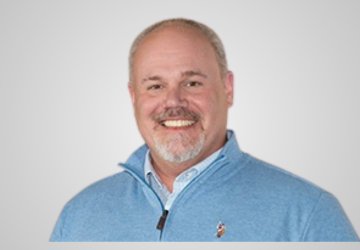
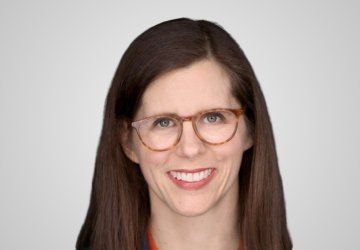
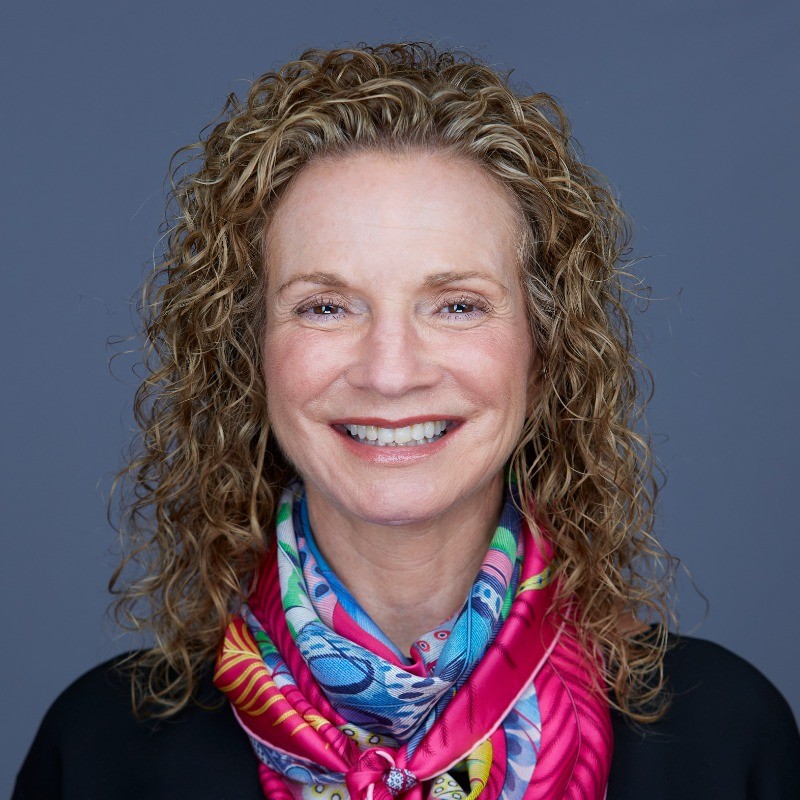



Board
Investors · 7

How we know: ARCH Venture Partners's portfolio page · the VCSheet dataset · Not right? Tell us


How we know: Sanofi Ventures's portfolio page · the VCSheet dataset · Not right? Tell us
Also in the syndicate · 1
Reported raises · per SEC filings
Form D private placements$75M disclosed across 1 of 3 rounds · 2013–2024
▶$75MraisedSep 2021 · 2 investors · BiotechnologyRule 506(b)
- Daniel S. LynchDirector
- Ramy IbrahimDirector
- Jason ColeExecutive Officer
- Mark VachonDirector
- Chip BairdExecutive Officer
- John AgwunobiDirector
- Denice TorresDirector
- William R. SellersDirector
- Nick LeschlyExecutive Officer, Director
- Wendy DixonDirector
- Offering amount
- $75M
- Amount sold
- $75M
- First sale
- Sep 2021
- Incorporated
- Corporation, Delaware
- Federal exemptions
- 06b
Source: SEC EDGAR Form D. Amounts as filed; amended filings shown once at their latest values.
Company profile
researched Aug 2026bluebird bio, Inc. — rebranded as Genetix Biotherapeutics following its June 2025 take-private — is a commercial-stage biotherapeutics company developing and delivering ex vivo gene therapies for severe inherited genetic diseases. Its focus areas are sickle cell disease, transfusion-dependent beta-thalassemia, and cerebral adrenoleukodystrophy (CALD), a disease of boys caused by a defective ABCD1 gene. The company markets three FDA-approved, one-time administered therapies: LYFGENIA (lovotibeglogene autotemcel) for sickle cell disease, ZYNTEGLO (betibeglogene autotemcel) for beta-thalassemia, and SKYSONA (elivaldogene autotemcel) for CALD.
The therapeutic approach collects a patient's own blood stem cells, modifies them outside the body to add working copies of the affected gene, and reinfuses them to restore gene function, treating the underlying cause of disease rather than managing symptoms. The company also runs long-term follow-up studies monitoring both trial participants and post-approval patients for up to 15 years, and operates an expanded access (compassionate use) program evaluated case by case.
Historically the company also pursued oncology, including BCMA-directed CAR-T (ide-cel, with Celgene/BMS) and T-cell candidates for acute myeloid leukemia, Merkel-cell carcinoma, diffuse large B-cell lymphoma and MAGEA4 solid tumors; the oncology business was spun off as 2seventy bio in November 2021. Earlier-stage work described in SBIR records included lentiviral vector gene therapy, retroviral packaging cell lines and gene expression enhancer elements.
Founding story
The company was founded on April 16, 1992 in Cambridge, Massachusetts as Genetix Pharmaceuticals, Inc. by MIT faculty members Philippe Leboulch and Irving London, stemming from their association with MIT and the Whitehead Institute and their work on gene therapy for severe genetic disorders. Its early focus was Lentiglobin for sickle cell disease and thalassemia major, and it established the foundational lentiviral vector technology later used across its programs.
Business model
Commercial-stage biotherapeutics company that develops, manufactures and sells one-time-administered autologous gene therapies for rare severe genetic diseases, supported by patient services, treatment-center coordination and payer contracting. Following the 2025 take-private, stated priorities are commercial execution, expanding manufacturing capacity, scaling patient access and improving the treatment experience for patients and providers.
Revenue derives from sales of its approved gene therapies at high per-patient prices — Lyfgenia carries an announced wholesale acquisition cost of $3.1 million and Zynteglo has been reported at $1.8 million — reimbursed through payer agreements, including outcomes-based contracts for Lyfgenia with a three-year patient monitoring period under which payers are not required to pay the full price if a patient is hospitalized for sickle-cell vaso-occlusive events.
Traction
Three FDA-approved therapies and clinical data from hundreds of treated patients. First-quarter 2025 revenue reached $38.7 million, up over 108% year over year, against a Q1 2025 net loss of $29.1 million; full-year 2024 revenue was $83.8 million. Two payer reimbursement agreements collectively cover approximately 200 million people in the U.S.
Latest developments
Carlyle and SK Capital Partners completed their acquisition of bluebird bio on June 2, 2025 at $3.00 per share plus $6.84 per share in contingent value rights payable if combined net sales of Zynteglo, Lyfgenia and Skysona reach $600 million over any 12-month period by the end of 2027. The stock was delisted the same day. A new management team took over, led by CEO David Meek, with Wendy DiCicco as CFO; the June 2025 announcement also named Tom Klima as Chief Commercial & Operating Officer, Debasish Roychowdhury as Chief Medical Officer and Ellen Forest as Chief People Officer. The company has since rebranded as Genetix Biotherapeutics, with its patient support website still bluebird-branded.
▸Full profile — market position, technology, go-to-market, geography, history, risks & controversies
Market position
One of the pioneers of gene therapy for severe genetic disease, with three FDA-approved products and more than a decade of scientific leadership, but financially strained: the company reported an accumulated deficit of $4.5 billion and $83.8 million in total 2024 revenue, and was once valued at about $10 billion before being sold for roughly $29 million in upfront equity value.
Positions its products as first-in-class, one-time administered therapies that address the underlying genetic cause of disease rather than managing symptoms, backed by more than 30 years of research, FDA approvals across three indications, and long-term follow-up studies of up to 15 years.
Technology
Ex vivo autologous hematopoietic stem cell gene therapy: a patient's blood stem cells are collected, genetically modified outside the body using lentiviral vectors to add functional copies of the affected gene, and reinfused. Earlier disclosed core technology included a proprietary retroviral packaging cell line and gene expression enhancer elements. Approved products are betibeglogene autotemcel (Zynteglo), elivaldogene autotemcel (Skysona) and lovotibeglogene autotemcel (Lyfgenia).
Go-to-market
Direct commercialization through qualified treatment centers, a patient services program providing insurance navigation and treatment-center coordination, payer partnerships including outcomes-based contracts, and expanded access requests considered case by case. Since Lyfgenia's approval the company secured two reimbursement agreements covering roughly 200 million people in the United States.
Patients with sickle cell disease, transfusion-dependent beta-thalassemia and cerebral adrenoleukodystrophy, along with the qualified treatment centers, prescribing physicians and public and commercial payers that fund these therapies.
Geography
Headquartered in Somerville, Massachusetts (455 Grand Union Boulevard), originally founded and formerly headquartered in Cambridge, Massachusetts (60 Binney Street), with historical facilities also cited in Seattle, Washington. Products are approved in the United States, and Zynteglo and Skysona received European Commission marketing authorization.
History
Walter Ogier served as CEO of Genetix from 2001 to 2005. In September 2010, preliminary Lentiglobin trial results from Hôpital Necker in Paris were published in Nature by Marina Cavazzana and founder Philippe Leboulch, reporting 21 months of transfusion independence in a patient with severe beta-thalassemia. That same month the company was renamed bluebird bio and Nick Leschly was appointed CEO. It went public in June 2013, raising $116 million, and acquired Precision Genome Engineering in June 2014 for up to $156 million. Collaborations followed with Celgene/BMS on bb2121 anti-BCMA CAR-T (November 2017) and Regeneron on cancer cell therapies (August 2018). The EU approved Zynteglo in June 2019 and Skysona in July 2021; the FDA approved Zynteglo in August 2022 and Lyfgenia in December 2023. The oncology business was spun off as 2seventy bio in November 2021, and the company laid off 25–30% of staff in both 2022 and 2024. After a sale process announced February 21, 2025 and several extensions, Carlyle and SK Capital Partners completed the acquisition on June 2, 2025, taking the company private; it subsequently rebranded as Genetix Biotherapeutics.
Risks & controversies
The company has been criticized over drug pricing, including the $1.8 million cost of Zynteglo, described as the second most expensive drug in the world, and the $3.1 million wholesale acquisition cost of Lyfgenia. Lyfgenia carries a boxed warning for potential hematologic malignancy risk. The FDA issued a refusal-to-file letter for the ide-cel marketing application in May 2020 (accepted in September 2020 with a March 27, 2021 PDUFA date). The company cut 25–30% of staff in 2022 and 2024, carried a $4.5 billion accumulated deficit, and in May 2025 warned investors that failure to complete the sale would risk default on its Hercules Capital loan agreements and likely bankruptcy or liquidation with no stockholder recovery. Shareholder tendering was slow, forcing multiple extensions, and a competing bid from Ayrmid at $4.50 per share failed to produce a binding, financed proposal.
Compiled by commissioned research from 8 cited public sources — announcements, filings, and press listed under research sources below.
Key figures
latest reportedCompany-reported or press-reported figures, each dated to when it was claimed — not independently audited.
Founder mafia
The Bluebird Bio mafia →6 people who came through Bluebird Bio went on to found or lead other companies.




Related companies · 3


Companies working in the same space as Bluebird Bio.
Timeline · 20
launches, deals, and filingsbluebird bio completed its sale to funds managed by Carlyle and SK Capital Partners via Beacon Parent Holdings, L.P.; common stock ceased trading and was delisted from the Nasdaq Global Select Market.
David Meek became CEO at close, joined by Tom Klima (Chief Commercial & Operating Officer), Debasish Roychowdhury (Chief Medical Officer), Wendy DiCicco (CFO) and Ellen Forest (Chief People Officer).
With only about 2.5 million of roughly 9.8 million shares tendered (25.6%), the buyers extended the deadline to May 28; bluebird warned that the alternative to the sale was bankruptcy or liquidation and risk of default on its Hercules Capital loans. Regulatory approvals had been secured May 5. A rival $4.50-per-share bid from Ayrmid did not become a binding, financed proposal.
Offer of $3.00 per share in cash plus $6.84 per share in contingent value rights tied to $600 million in combined gene therapy sales over any 12-month period by the end of 2027; approximately $29 million upfront value.
$29M source ↗
Following the take-private, the company rebranded as Genetix Biotherapeutics, referencing its original Genetix name; the patient support website remained bluebird-branded.
Five-year term loan facility funded in tranches, expected to extend cash runway beyond 24 months.
$175M source ↗
Approved for patients 12 years and older with a history of vaso-occlusive events; announced wholesale acquisition cost of $3.1 million; carries a boxed warning for potential hematologic malignancy.
Zynteglo had received FDA orphan drug and breakthrough therapy designations for TDT.
Completed corporate spin-off of the oncology business, narrowing focus to severe genetic diseases.
EU marketing approval for treatment of adrenoleukodystrophy.
FDA issued a refusal to file letter to BMS and bluebird bio for the ide-cel marketing application in relapsed and refractory multiple myeloma.
EU marketing approval for treatment of the beta thalassemia group of inherited blood disorders.
Agreement to discover, develop and commercialize new cell therapies for cancer.
bluebird bio acquired the privately held gene-editing company Precision Genome Engineering for up to $156 million; announced July 30, 2014.
$156M source ↗
bluebird bio became a public company on Nasdaq, raising $116 million; the IPO closed June 25, 2013.
$116M source ↗
Preliminary results from trials at Hôpital Necker, Paris, published in Nature by Marina Cavazzana and Philippe Leboulch, reporting 21 months of transfusion independence in a severe beta-thalassemia patient.
Genetix Pharmaceuticals rebranded to bluebird bio and named Nick Leschly chief executive officer.
Founded by MIT faculty members Philippe Leboulch and Irving London to develop gene therapies for severe genetic disorders.
Dated company events from announcements, filings, and press; legal rows summarize public dockets and regulator releases.
Legal entities · 1
corporate structure▸Research sources · 8
primary sources listed
- Bluebird Biobluebirdbio.com · web
8 public sources were cited for this profile; the first-party ones are listed here.
Frequently asked questions
- What does Bluebird Bio do?
- Gene therapy company with three FDA-approved therapies for sickle cell disease, beta-thalassemia and CALD; now private as Genetix Biotherapeutics.
- Who are Bluebird Bio's investors?
- Bluebird Bio's investors include ARCH Venture Partners, Easton Capital, RA Capital, Sanofi Ventures, Think+ Ventures Management, Llc, Wakestream Ventures.
- How much funding has Bluebird Bio raised?
- Bluebird Bio has disclosed $75M raised across 1 of its 3 known rounds.
- Where is Bluebird Bio headquartered?
- Bluebird Bio is headquartered in Cambridge, US.