 Fundraising Fox
Development Bank of Nigeria
Government fundAbuja · Growth–Late Stage · 19 people tracked
Find your way into Development Bank of Nigeria
Sign up to see every warm intro you have to Development Bank of Nigeria
- Paths you didn't know you had: your email and LinkedIn already hold routes to the Development Bank of Nigeria team. We find them for you
- 2nd- and 3rd-degree connections: the friend-of-a-friend routes that take hours to manually find through your inbox or LinkedIn
- Answers now, not in days: momentum is everything in a raise. Skip asking around whether someone knows someone
Days of research, done the moment you sign in, with every route ranked by how warm it is.
Investment thesis
Development Bank of Nigeria addresses the financing gap for MSMEs and small corporates in Nigeria on a market-conforming, financially sustainable basis. Rather than lending directly, it works through Participating Financial Institutions, offering finance-to-finance on-lending, a long-term finance scheme extending up to ten years, partial credit risk guarantees to share risk with lenders, and capacity building/technical assistance for both the institutions and ultimate borrowers. Backed by partners including the African Development Bank, French Agency for Development, World Bank, European Investment Bank and KfW, it reports having disbursed ₦1.4 trillion through 84 PFIs as of December 2025.
Source: firm website, verified Sep 26, 2026.
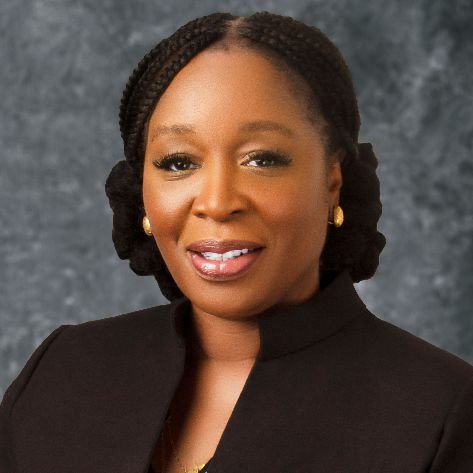
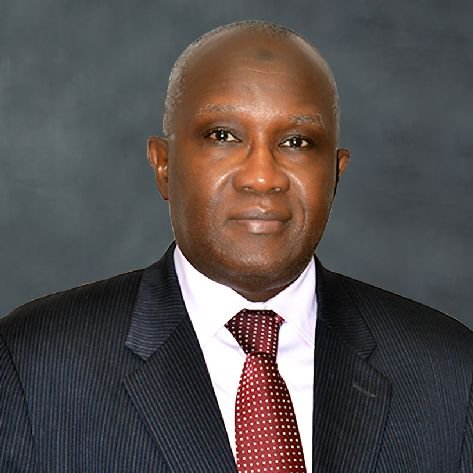
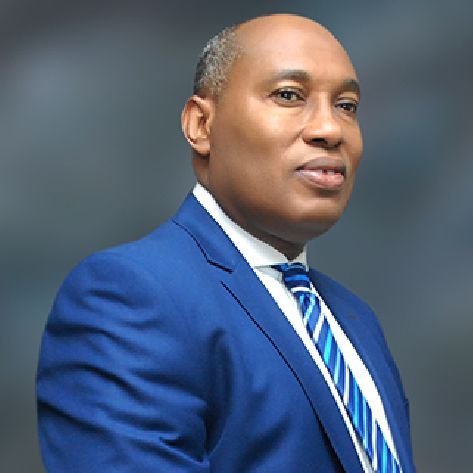
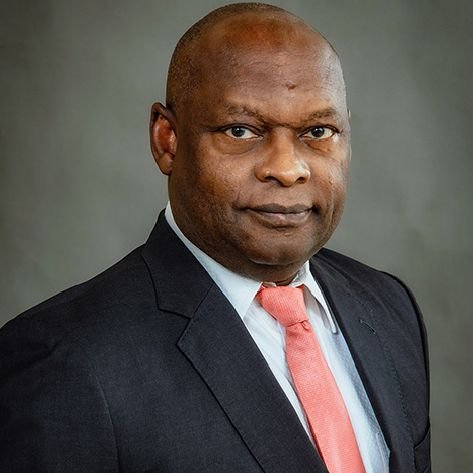
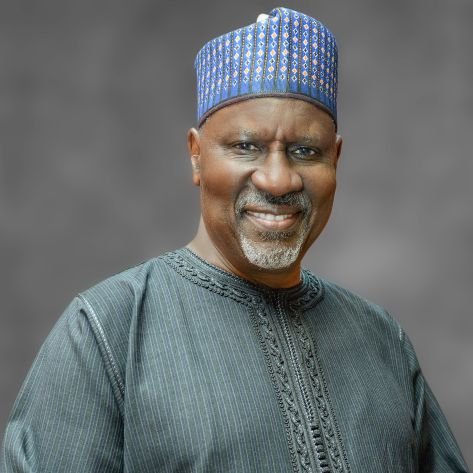
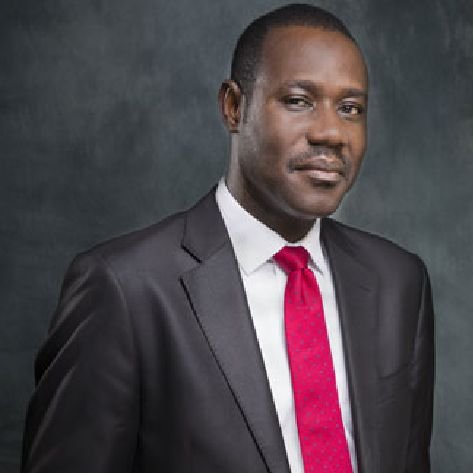
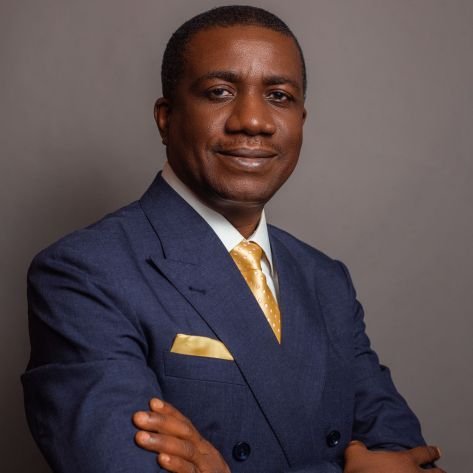
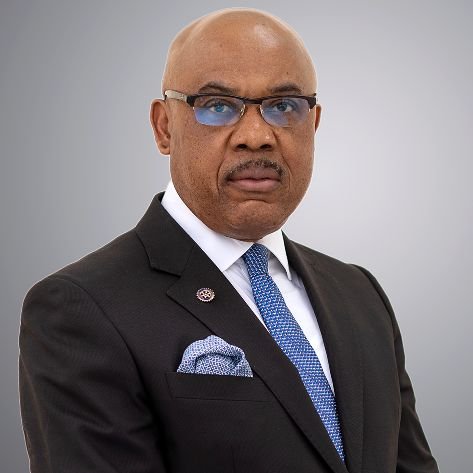
Team · 19 people
from the firm's website & curated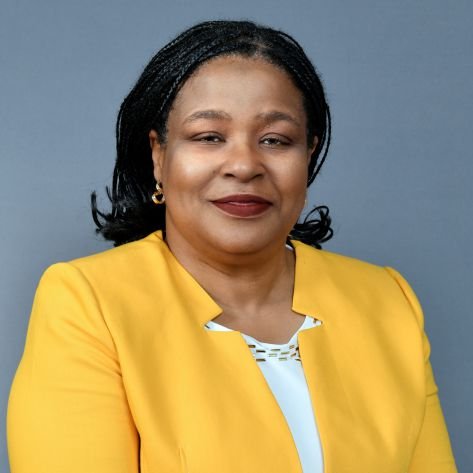









Frequently asked questions
- What stage does Development Bank of Nigeria invest at?
- Development Bank of Nigeria invests at the Growth, Late Stage stages.
- What sectors does Development Bank of Nigeria focus on?
- Development Bank of Nigeria focuses on Fintech, Impact & Social Good, Sector Agnostic.
- Where is Development Bank of Nigeria located?
- Development Bank of Nigeria is headquartered in Abuja, NG.
Media · Podcasts & interviews
featuring the teamIn Conversation with Dr. Tony Okpanachi & Lolade Awogbade of the Development Bank of Nigeria
International Finance Corporation · Tony Okpanachi
Similar investors

Wellington Management is a global institutional asset manager whose Alternative Investments platform spans liquid alternatives/hedge funds and private investing strategies, with over $53B in alternative assets under management across roughly 50 strategies.
Heliad is a publicly listed evergreen investment firm that backs founders from early stage through IPO and beyond, providing access to capital markets via its balance sheet and its early-stage vehicle Collective Ventures.
The International Finance Corporation (IFC), a member of the World Bank Group, is a global development institution that provides debt and equity financing to the private sector in emerging and developing markets to promote economic development and reduce poverty.
The Ireland Strategic Investment Fund (ISIF) is a sovereign development fund managed and controlled by Ireland's National Treasury Management Agency, mandated to invest on a commercial basis to support economic activity and employment in Ireland.
Norfund is Norway's development finance institution, investing to create jobs and improve lives in developing countries, with a development mandate across roughly 30 core countries and a climate mandate supporting the net-zero transition.