 Fundraising Fox
Wildtype
San Francisco, US · Founded 2017 · Delaware corporation · 42 known investors
Find your way into Wildtype
Sign up to see every warm intro you have to Wildtype
- Paths you didn't know you had: your email and LinkedIn already hold routes to the Wildtype team. We find them for you
- 2nd- and 3rd-degree connections: the friend-of-a-friend routes that take hours to manually find through your inbox or LinkedIn
- Answers now, not in days: momentum is everything in a raise. Skip asking around whether someone knows someone
Days of research, done the moment you sign in, with every route ranked by how warm it is.
Wildtype grows salmon directly from fish cells using cellular agriculture, allowing production of seafood without wild-caught or farmed fish. The company serves restaurants and consumers seeking sustainable seafood with reduced contaminants.
Also known as Wild Type · Wildtype Foods
Founders & leadership
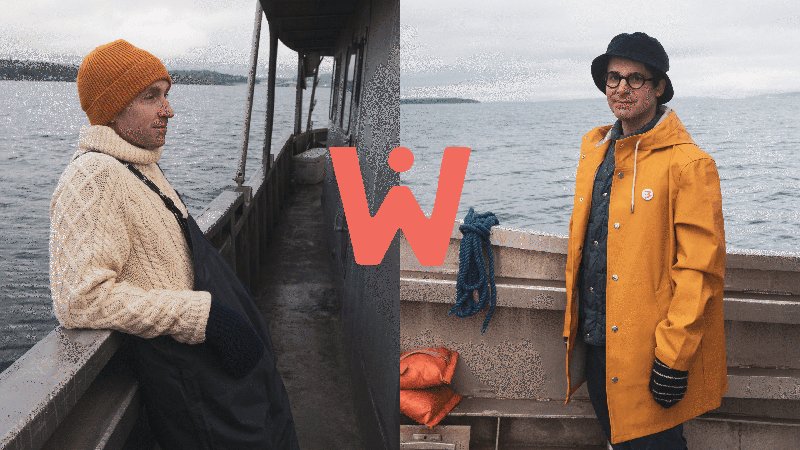
Wildtype was founded in 2017 by Justin Kolbeck and Arye Elfenbein.
Board
Investors · 42

How we know: CRV (Charles River Ventures)'s portfolio page · fooddive.com · open dataset · 5k.vc investor directory · Not right? Tell us
How we know: Maven Ventures's portfolio page · the VCSheet dataset · research · startupintros.com · Not right? Tell us

How we know: Mission Biocapital's portfolio page · the VCSheet dataset · Not right? Tell us

How we know: Root Ventures Manager, Llc's portfolio page · research · startupintros.com · Not right? Tell us

How we know: S2G Investments's portfolio page · Not right? Tell us

How we know: Spark Capital's portfolio page · funding news · press coverage · the VCSheet dataset · research · startupintros.com · open dataset · 5k.vc investor directory · Not right? Tell us

How we know: press coverage · the VCSheet dataset · research · startupintros.com · open dataset · 5k.vc investor directory · Not right? Tell us

How we know: thespoon.tech · open dataset · 5k.vc investor directory · Not right? Tell us

How we know: research · startupintros.com · Not right? Tell us
How we know: research · startupintros.com · Not right? Tell us

How we know: research · startupintros.com · Not right? Tell us



How we know: research · startupintros.com · Not right? Tell us
How we know: press coverage · research · startupintros.com · Not right? Tell us


Also in the syndicate · 16
Funding
SEC filings, press & company announcements$115.6M disclosed across 3 of 5 rounds · 2018–2026
- Undisclosed amountSeries BMar 2026Source ↗
▶$99.7MraisedFeb 2022 · 52 investors · OtherRule 506(b)
- Nabeel HyattDirector
- Arye ElfenbeinExecutive Officer, Director
- Justin KolbeckExecutive Officer, Director
- Alice RaksinDirector
- Berta StruloviciExecutive Officer, Director
- George ZacharyDirector
- Offering amount
- $100.6M
- Amount sold
- $99.7M
- Minimum investment
- $1
- First sale
- Jan 2022
- Incorporated
- Corporation, Delaware, 2017
- Federal exemptions
- 06b
▶$12.4MraisedOct 2019 · 7 investors · OtherRule 506(b)
- Arye ElfenbeinDirector
- Justin KolbeckExecutive Officer, Director
- John Melas-KyriaziDirector
- George ZacharyDirector
- Offering amount
- $12.5M
- Amount sold
- $12.4M
- Minimum investment
- $1
- First sale
- Oct 2019
- Incorporated
- Corporation, Delaware, 2017
- Federal exemptions
- 06b
▶$3.4MraisedMar 2018 · 10 investors · OtherRule 506(b)
- Justin KolbeckExecutive Officer, Director
- Arye ElfenbeinDirector
- John Melas-KyriaziDirector
- Offering amount
- $3.5M
- Amount sold
- $3.4M
- Minimum investment
- $1
- First sale
- Feb 2018
- Incorporated
- Corporation, Delaware, 2017
- Federal exemptions
- 06b
Source: SEC EDGAR Form D. Amounts as filed; amended filings shown once at their latest values.
Company profile
researched Aug 2026Wildtype is a San Francisco cellular agriculture company that grows seafood directly from fish cells rather than sourcing it from wild capture or aquaculture. Its first and lead product is sushi-grade cultivated Pacific/coho salmon, positioned as an alternative to farm-raised, wild-caught and plant-based options. The company frames the product around three claims: sensory parity with conventional salmon (buttery texture, umami flavor), retention of desirable nutrients such as omega-3s while reducing exposure to mercury, parasites and antibiotics, and reduced pressure on ocean fish stocks.
The company's headquarters is in the Dogpatch neighborhood of San Francisco and includes a converted former microbrewery that serves as its first "Fishery," where cultivated seafood is produced. Cells are grown in bioreactor systems that the company has compared to a beer brewery, fed with nutrients analogous to what fish consume in the wild. A pilot plant opened in 2021 with capacity of 50,000 pounds of salmon per year.
Wildtype received FDA clearance in May 2025 to sell cultivated coho salmon in the United States — described in sources as the first such authorization for cultivated seafood in the country — and has since pursued a restaurant-led rollout. Publicly listed venues include Kingfisher (Tucson), Robin (San Francisco), The Walrus and the Carpenter (Seattle) and barmini (Washington, DC), with earlier placements at Kann (Portland) and Otoko (Austin). The company has also engaged in litigation against Texas over a state ban on cultivated food sales.
Founding story
Wildtype was co-founded by Aryé Elfenbein, a cardiologist and microbiologist with a PhD, and Justin Kolbeck, a former diplomat. Sources place the founding in 2016 (internal records list 2017). The pair were motivated by concern over unsustainable seafood supply and marine degradation, combining scientific and global policy backgrounds. They began seeking funding in 2015; after applications for several government science grants were unsuccessful, they pursued venture capital instead, raising a seed round in 2018 that launched research and development.
Business model
Wildtype produces cultivated salmon in its own facilities and sells it as a food product, currently placed on the menus of a small number of restaurants in the United States. Sources describe the company as targeting high-end restaurants, seafood distributors and consumers; the website operates a waitlist for early access to reservations and events, indicating a controlled, allocation-based rollout rather than broad retail distribution. No pricing or revenue figures are disclosed in the available sources.
Sales of cultivated salmon to restaurants; no pricing, revenue or unit-economics figures are disclosed in the sources.
Traction
Sources report $117M raised across three disclosed rounds (a separate section of the same source cites $123M). Production capability moved from 3.5 weeks per pound in 2019 to a pilot plant capable of 50,000 pounds annually by late 2021. Following FDA clearance in May 2025, the product reached restaurant menus in Portland, Austin, Tucson, San Francisco, Seattle and Washington, DC, with four venues currently listed on the company's site.
Latest developments
In 2025 Wildtype obtained FDA clearance for its cultivated coho salmon and entered the US market, was named to TIME's Best Inventions of 2025, and joined UPSIDE Foods and the Institute for Justice in a legal challenge to Texas SB 261 after the law forced partner restaurant Otoko to stop sales. Restaurant availability expanded to Kingfisher in Tucson in November 2025 and to barmini by José Andrés in Washington, DC, beginning June 3, 2026.
▸Full profile — market position, technology, go-to-market, geography, history, risks & controversies
Market position
Wildtype is described in sources as the first startup permitted to sell cultivated seafood in the United States and is listed among cultured meat companies alongside Upside Foods, Believer Meats, Finless Foods, Mosa Meat, Aleph Farms and Eat Just. It operates in the cultivated meat and alternative protein segment, which one cited market report projects at roughly $3.25 billion by 2033. Commercial scale remains early, with availability limited to a small set of restaurants.
Sources identify Wildtype's principal differentiator as being the first company cleared by the FDA to sell cultivated seafood in the United States, giving it early market access ahead of other cultivated protein firms. Product-level differentiation rests on cell-grown real salmon that is neither farmed, wild-caught nor plant-based, marketed as sushi-grade and as avoiding contaminants associated with conventional seafood such as mercury, parasites and antibiotics. The company also emphasizes brewery-like bioreactor production and a consumer-facing brand developed to counter negative perceptions of lab-grown food.
Technology
Cellular agriculture: fish cells are cultivated in bioreactor systems that the company likens to a beer brewery, supplied with nutrients comparable to those fish consume in the wild. Production takes place in a converted former microbrewery in San Francisco's Dogpatch neighborhood, described as the company's first Fishery, and in a pilot plant opened in 2021 rated at 50,000 pounds of salmon per year with claimed scalability to 200,000 pounds. The company's cultivated salmon is grown from roe-derived cells, and the resulting product is positioned as sushi-grade with the nutritional profile of conventional salmon minus mercury, parasites and antibiotics. One source notes a bioreactor technology partnership with Solaris Biotech.
Go-to-market
Wildtype has pursued a chef- and restaurant-led launch strategy, seeding its cultivated salmon at notable independent and award-winning restaurants city by city, supported by press coverage and a consumer waitlist for early access to reservations and events. Branding and positioning work by PA Consulting targeted early adopters including chefs, food tastemakers and discerning consumers, and included naming, packaging concepts and social media guidelines intended to counter stereotypes about lab-created food. The company also engages publicly on regulatory issues, including litigation against state-level bans on cultivated food sales.
High-end and chef-driven restaurants, seafood distributors, and environmentally and health-conscious consumers seeking premium seafood without wild capture or farming; sushi applications are the primary culinary use case highlighted.
Geography
Headquartered in San Francisco, California, in the Dogpatch neighborhood, where the company also operates its first production "Fishery" and pilot plant. Commercial availability is US-only and concentrated in a handful of cities: Tucson (Kingfisher), San Francisco (Robin), Seattle (The Walrus and the Carpenter) and Washington, DC (barmini), with prior placements in Portland, Oregon (Kann) and Austin, Texas (Otoko, halted by state law).
History
Sources date the founding to 2016, when Elfenbein and Kolbeck co-founded the company (internal records list 2017). The founders explored government science grants in 2015 without success and turned to venture capital, raising a $3.5 million seed round in 2018 that funded initial R&D. In June 2019 Wildtype staged a tasting at a Portland, Oregon restaurant using its first cultivated salmon prototype, at a time when producing one pound took roughly 3.5 weeks and a single spicy salmon roll cost about $200 to make. A pilot production plant in San Francisco opened on June 24, 2021, when total funding stood at $16 million; by October 2021 the plant could produce 50,000 pounds of salmon annually with claimed scalability to 200,000 pounds. On May 28, 2025 the FDA cleared Wildtype's cultivated coho salmon for US sale, and the product appeared days later at Kann in Portland. In September 2025 Texas SB 261 banned cultivated food sales in the state, prompting partner restaurant Otoko to stop serving Wildtype and the company to sue alongside UPSIDE Foods and the Institute for Justice. Restaurant placements followed at Kingfisher in Tucson (November 2025) and barmini in Washington, DC (June 2026).
Risks & controversies
State-level regulation is a direct commercial risk: Texas SB 261, effective September 2025, banned the sale of cultivated foods in the state and forced partner restaurant Otoko to stop serving Wildtype salmon, prompting the company to sue. Production economics remain a challenge — early prototypes cost roughly $200 per spicy salmon roll and the company has stated it is working to reach cost parity with conventional wild and farmed salmon. Consumer perception of lab-grown food is another acknowledged obstacle, which the company addressed through a dedicated branding effort. Sources also conflict on basic facts: founding year is given as 2016 in public sources versus 2017 internally, total funding is reported variously as $117M and $123M, and one aggregator lists implausible employee counts and unrelated industry tags.
Compiled by commissioned research from 8 cited public sources — announcements, filings, and press listed under research sources below.
Key figures
latest reportedCompany-reported or press-reported figures, each dated to when it was claimed — not independently audited.
Related companies · 4

Companies working in the same space as Wildtype.
Timeline · 9
launches, deals, and filingsAfter Texas SB 261 took effect banning the sale of cultivated foods in the state, Wildtype's restaurant partner Otoko stopped serving Wildtype salmon. Wildtype filed suit, joined by UPSIDE Foods and the Institute for Justice, challenging the ban.
Days after FDA clearance, Wildtype salmon appeared on the menu at Gregory Gourdet's Kann restaurant in Portland, Oregon.
Wildtype received regulatory approval from the US Food and Drug Administration for its cultivated coho salmon (Oncorhynchus kisutch), making it the first company permitted to sell cultivated seafood in the United States.
Wildtype Salmon was named one of TIME's Best Inventions of 2025.
Wildtype opened its pilot cell-cultured seafood production facility in San Francisco; the company had raised $16 million in funding at that point. As of October 2021 the plant could produce 50,000 pounds of salmon per year, which the company said was scalable to 200,000 pounds per year.
PA Consulting's brand strategy project for Wildtype was a finalist in the Graphic Design category and received honorable mentions in the General Excellence and Branding categories.
Wildtype held a tasting at a Portland, Oregon restaurant where guests were served dishes (poke, ceviche, sushi rolls) made from its first cultivated salmon prototype. At the time it took about 3.5 weeks to produce the pound of salmon consumed, and producing a single spicy salmon roll cost roughly $200.
Dated company events from announcements, filings, and press; legal rows summarize public dockets and regulator releases.
Legal entities · 1
corporate structureIn the news
▸Research sources · 8
primary sources listed
- Wildtypewildtypefoods.com · web
8 public sources were cited for this profile; the first-party ones are listed here.
Frequently asked questions
- What does Wildtype do?
- Wildtype grows sushi-grade salmon from fish cells in San Francisco bioreactors and was first cleared by the FDA to sell cultivated seafood in the US.
- Who founded Wildtype?
- Wildtype was founded by Justin Kolbeck, Arye Elfenbein in 2017.
- Who are Wildtype's investors?
- Wildtype's investors include Bay Bridge Ventures Climate, CRV (Charles River Ventures), Maven Ventures, Mission Biocapital, Root Ventures Manager, Llc, S2G Investments, Spark Capital, AngelPad and 18 more.
- How much funding has Wildtype raised?
- Wildtype has disclosed $115.6M raised across 3 of its 5 known rounds.
- Where is Wildtype headquartered?
- Wildtype is headquartered in San Francisco, US.