 Fundraising Fox
Verve Therapeutics
Unicorn · $1BCambridge, US · Founded 2018 · Delaware corporation · 18 known investors
Find your way into Verve Therapeutics
Sign up to see every warm intro you have to Verve Therapeutics
- Paths you didn't know you had: your email and LinkedIn already hold routes to the Verve Therapeutics team. We find them for you
- 2nd- and 3rd-degree connections: the friend-of-a-friend routes that take hours to manually find through your inbox or LinkedIn
- Answers now, not in days: momentum is everything in a raise. Skip asking around whether someone knows someone
Days of research, done the moment you sign in, with every route ranked by how warm it is.
Cambridge, MA biotech developing single-course in vivo base editing medicines to permanently lower cardiovascular disease risk.
Also known as Verve Therapeutics, Inc. · VerveTx
Founders & leadership
Verve Therapeutics was founded in 2018 by Andrew Ashe and Sekar Kathiresan.

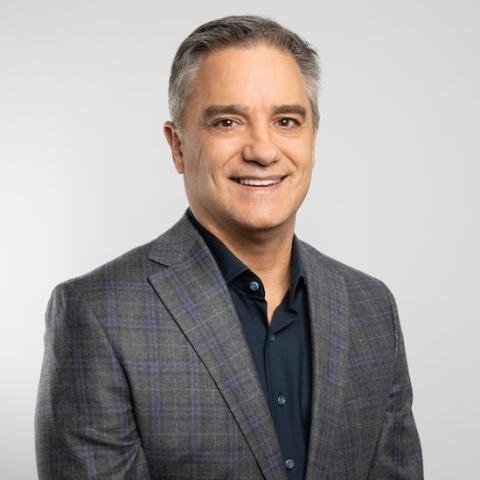
Board
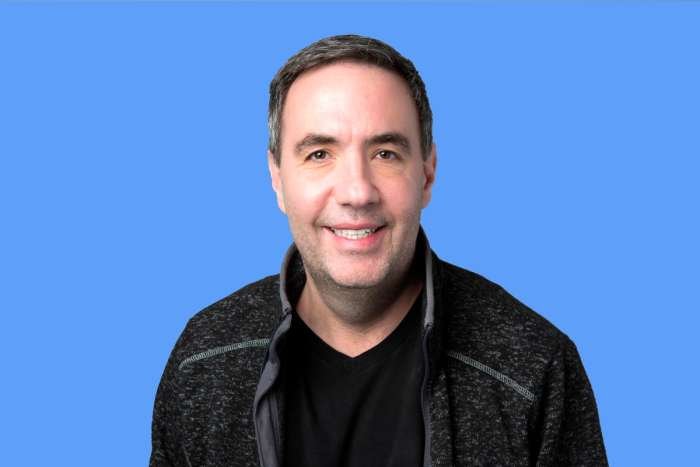

Investors · 18

How we know: ARCH Venture Partners's portfolio page · funding news · the VCSheet dataset · research · vcnewsdaily.com · open dataset · 5k.vc investor directory · Not right? Tell us

How we know: F-Prime Capital's portfolio page · research · vcnewsdaily.com · open dataset · 5k.vc investor directory · Not right? Tell us

How we know: GV (Google Ventures)'s portfolio page · a partner's Signal profile · funding news · research · vcnewsdaily.com · open dataset · 5k.vc investor directory · Not right? Tell us


How we know: venBio Partners's portfolio page · Not right? Tell us

How we know: research · vcnewsdaily.com · Not right? Tell us

How we know: a partner's Signal profile · research · vcnewsdaily.com · Not right? Tell us

How we know: funding news · research · salestools.io · Not right? Tell us
Also in the syndicate · 8
Reported raises · per SEC filings
Form D private placements$94M disclosed across 1 of 3 rounds · 2020–2024
▶$94MraisedJan 2021 · 22 investors · BiotechnologyRule 506(b)
- Andrew AsheExecutive Officer
- Burt AdelmanDirector
- John EvansDirector
- Sekar KathiresanExecutive Officer, Director
- Anthony PhilippakisDirector
- Krishna YeshwantDirector
- Andrew BellingerExecutive Officer
- Offering amount
- $94M
- Amount sold
- $94M
- First sale
- Jan 2021
- Incorporated
- Corporation, Delaware, 2018
- Federal exemptions
- 06b
Source: SEC EDGAR Form D. Amounts as filed; amended filings shown once at their latest values.
Valuation · disclosed
Disclosed eventsSource: SEC prospectus filings, and round valuations the company or its investors disclosed — follow each entry's link for the claim.
Company profile
researched Aug 2026Verve Therapeutics is a Cambridge, Massachusetts biotechnology company developing single-course in vivo gene editing medicines for atherosclerotic cardiovascular disease (ASCVD). Founded in 2018 by specialists in cardiovascular medicine, human genetics and gene editing, the company's stated aim is to shift ASCVD treatment away from the chronic care model of daily therapies toward one-time treatments that permanently alter genes in the liver that drive cardiovascular risk.
The pipeline targets genes validated by human genetics and human pharmacology as drivers of blood lipid levels. VERVE-102 uses base editing with a GalNAc-LNP delivery system to permanently inactivate PCSK9 in the liver to lower LDL-C, addressed to heterozygous familial hypercholesterolemia (HeFH) and ASCVD. VERVE-201 uses the same delivery approach to inactivate ANGPTL3 to lower LDL-C and triglycerides in homozygous familial hypercholesterolemia (HoFH) and refractory hypercholesterolemia. VERVE-301 targets the LPA gene to reduce lipoprotein(a) in ASCVD patients with elevated Lp(a) and is at the research stage, alongside two additional undisclosed research programs using novel editors, one in ASCVD and one in liver disease. An earlier lead candidate, VERVE-101, combined a messenger RNA encoding an adenine base editor with a guide RNA targeting PCSK9, packaged in a lipid nanoparticle.
Clinical strategy is stepwise: begin in adults with familial hypercholesterolemia, then expand to patients with established ASCVD at high risk of future cardiovascular events, and ultimately to the broader population of adults with elevated LDL-C as a preventative measure. Verve states that all of its edits are made in adult somatic cells and that it does not edit embryos, sperm or egg cells, and that it follows safety protocols for detecting off-target effects consistent with frameworks set by professional societies, regulators and bioethicists.
Founding story
Verve was founded in 2018 by world-leading experts in cardiovascular medicine, human genetics and gene editing, with the mission of addressing cardiovascular disease, described by the company as the leading cause of death worldwide. Sekar Kathiresan serves as co-founder and chief executive officer. The company launched publicly in May 2019.
Business model
Verve is a clinical-stage biotechnology company that develops proprietary therapeutic candidates in-house rather than selling a product today. It funds research and development through venture and institutional equity financing, advancing gene editing medicines through nonclinical and IND-enabling studies into human clinical trials with the intent of commercializing single-course treatments for cardiovascular disease.
No revenue model is described in the sources; the company is developing therapeutic candidates and is financed by equity investment.
Traction
Verve reports advancing multiple programs from nonclinical studies into clinical development, including first-in-human trials for its PCSK9 and ANGPTL3 programs, and published proof-of-concept data for its PCSK9 base editors. Earlier non-human primate data showed that a single intravenous dose produced liver base editing that shut down PCSK9 protein production and substantially lowered LDL cholesterol. Reported headcount is 200+.
Latest developments
According to the company, it has advanced multiple gene editing medicines from nonclinical studies into clinical development, launched first-in-human trials for its PCSK9 and ANGPTL3 programs, and published proof-of-concept data for its PCSK9 base editors. Its current pipeline lists VERVE-102 (PCSK9) and VERVE-201 (ANGPTL3) at IND-enabling stage and VERVE-301 (LPA) plus two undisclosed programs in research. A third-party report describes a $213 million Series C at a $1 billion valuation announced in October 2024.
▸Full profile — market position, technology, go-to-market, geography, history, risks & controversies
Market position
Verve positions itself as seeking to be the preeminent company developing gene editing medicines for atherosclerotic cardiovascular disease. It is backed by a syndicate that includes GV, ARCH Venture Partners, F-Prime Capital, Biomatics Capital, Wellington Management, Casdin Capital and Partners Innovation Fund, and was named to the Endpoints 11 list of promising biotech startups in 2020.
Verve's stated point of differentiation is replacing chronic lipid-lowering therapy with a single-course treatment that permanently inactivates a disease-driving gene in the liver, using base editing to make single-base 'spelling' changes rather than double-strand breaks, combined with a proprietary GalNAc-LNP delivery system. The company points to published human proof-of-concept data for its PCSK9 base editors as evidence that one DNA spelling change in the liver can produce a clinical effect.
Technology
The core technology is in vivo base editing, a gene editing approach that changes a single base in the genome. Candidates are delivered to the liver; VERVE-102, VERVE-201 and VERVE-301 use a GalNAc-LNP delivery system, while the earlier VERVE-101 consisted of an mRNA encoding an adenine base editor plus a PCSK9-targeting guide RNA packaged in a lipid nanoparticle. Additional research programs use undisclosed novel editors.
Go-to-market
As a preclinical-to-clinical stage therapeutics developer, Verve advances candidates through IND-enabling studies and company-sponsored clinical trials, engaging physicians and patients through trial participation and communicating with the medical community via publications and scientific presentations.
Adults with familial hypercholesterolemia (heterozygous and homozygous), patients with established atherosclerotic cardiovascular disease including those with refractory hypercholesterolemia or elevated Lp(a), and eventually the broader adult population at risk of ASCVD due to high LDL-C; treating physicians and cardiovascular specialists are the immediate professional audience.
Geography
Headquartered at 26 Landsdowne Street, Cambridge, Massachusetts. The company describes working with medical professionals worldwide and frames its target indications in terms of U.S., European Union and global patient populations.
History
Verve was founded in 2018 by experts in cardiology, human genetics, gene editing and drug development, and publicly launched in May 2019. It raised a $63 million Series A2 in June 2020 led by GV, bringing total funding at that point to $123 million, followed by a $94 million Series B in January 2021 led by Wellington Management and co-led by Casdin Capital. In 2020 the company was recognized as a Boston Business Journal Best Places to Work and named to the Endpoints 11 list. Its lead PCSK9 program, VERVE-101, generated non-human primate proof-of-concept data and was in IND-enabling studies as of early 2021, with clinical development planned for 2022. The company subsequently moved multiple programs into clinical development, launching first-in-human trials for its PCSK9 and ANGPTL3 programs and publishing proof-of-concept data for its PCSK9 base editors. One source reports a $213 million Series C at a $1 billion valuation dated October 2024.
Risks & controversies
The sources note ethical scrutiny inherent to human gene editing; Verve states it edits only adult somatic cells, does not edit embryos, sperm or egg cells, and uses available technologies to detect potential off-target effects. Standard clinical-stage development risk applies: the lead programs are listed at IND-enabling or research stage and no approved product is described.
Compiled by commissioned research from 8 cited public sources — announcements, filings, and press listed under research sources below.
Key figures
latest reportedCompany-reported or press-reported figures, each dated to when it was claimed — not independently audited.
Related companies · 2

Companies working in the same space as Verve Therapeutics.
Timeline · 6
launches, deals, and filingsReported Series C financing of $213 million at a $1 billion valuation, with investors listed as Foresite Capital, GV, F-Prime Capital, ARCH Venture Partners and Biomatics Capital.
$213M source ↗
As of the Series B announcement, VERVE-101 was in IND-enabling studies and the company planned to begin clinical development in patients with heterozygous familial hypercholesterolemia in 2022.
Series B led by Wellington Management Company and co-led by Casdin Capital, with new investors Redmile Group, Janus Henderson Investors, Cormorant Asset Management, Rock Springs Capital, Novo Holdings A/S, Logos Capital, Surveyor Capital, RA Capital Management and an unnamed U.S. healthcare-focused fund, plus existing investors GV and Biomatics.
$94M source ↗
Company-announced preclinical data showed that a one-time intravenous administration of the gene editing treatment produced in vivo liver DNA editing via a single A-to-G change, shutting down PCSK9 protein production and substantially lowering blood LDL cholesterol.
Verve raised $63 million in a Series A2 round led by existing investor GV, with participation from ARCH Venture Partners, F-Prime Capital, Biomatics Capital and new investors Wellington Management and Casdin Capital; proceeds earmarked for IND-enabling studies of the lead program and follow-on pipeline programs.
$63M source ↗
In 2020 Verve was selected as a Best Places to Work by the Boston Business Journal and named one of the Endpoints 11, a list recognizing promising biotech startups.
Dated company events from announcements, filings, and press; legal rows summarize public dockets and regulator releases.
Legal entities · 1
corporate structure▸Research sources · 8
primary sources listed
- Our Story | Verve Therapeuticsvervetx.com · web
8 public sources were cited for this profile; the first-party ones are listed here.
Frequently asked questions
- What does Verve Therapeutics do?
- Cambridge, MA biotech developing single-course in vivo base editing medicines to permanently lower cardiovascular disease risk.
- Who founded Verve Therapeutics?
- Verve Therapeutics was founded by Andrew Ashe, Sekar Kathiresan in 2018.
- Who are Verve Therapeutics's investors?
- Verve Therapeutics's investors include ARCH Venture Partners, F-Prime Capital, GV (Google Ventures), RA Capital, venBio Partners, Wellington Management, Casdin Capital, Foresite Capital and 2 more.
- How much funding has Verve Therapeutics raised?
- Verve Therapeutics has disclosed $94M raised across 1 of its 3 known rounds.
- Where is Verve Therapeutics headquartered?
- Verve Therapeutics is headquartered in Cambridge, US.