 Fundraising Fox
Kadeya
Techstars '22Chicago, US · Founded 2020 · Delaware corporation · 16 employees on LinkedIn · 13 known investors
Find your way into Kadeya
Sign up to see every warm intro you have to Kadeya
- Paths you didn't know you had: your email and LinkedIn already hold routes to the Kadeya team. We find them for you
- 2nd- and 3rd-degree connections: the friend-of-a-friend routes that take hours to manually find through your inbox or LinkedIn
- Answers now, not in days: momentum is everything in a raise. Skip asking around whether someone knows someone
Days of research, done the moment you sign in, with every route ranked by how warm it is.
Kadeya operates a closed-loop beverage system that autonomously bottles filtered water and flavored, sparkling, or branded drinks on demand at vending stations, then collects the reusable glass and stainless steel bottles for cleaning and reuse. It targets workplaces, including construction sites, to improve worker hydration and safety while eliminating single-use plastic waste.
Founders & leadership
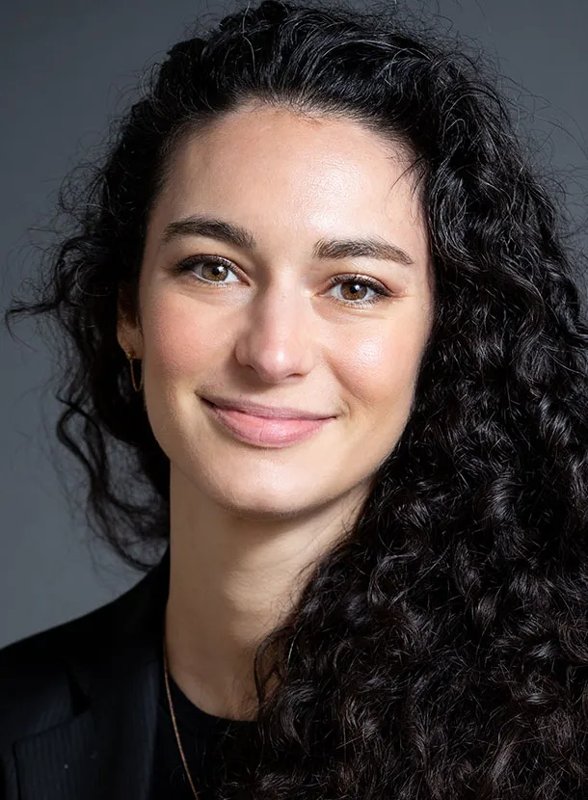
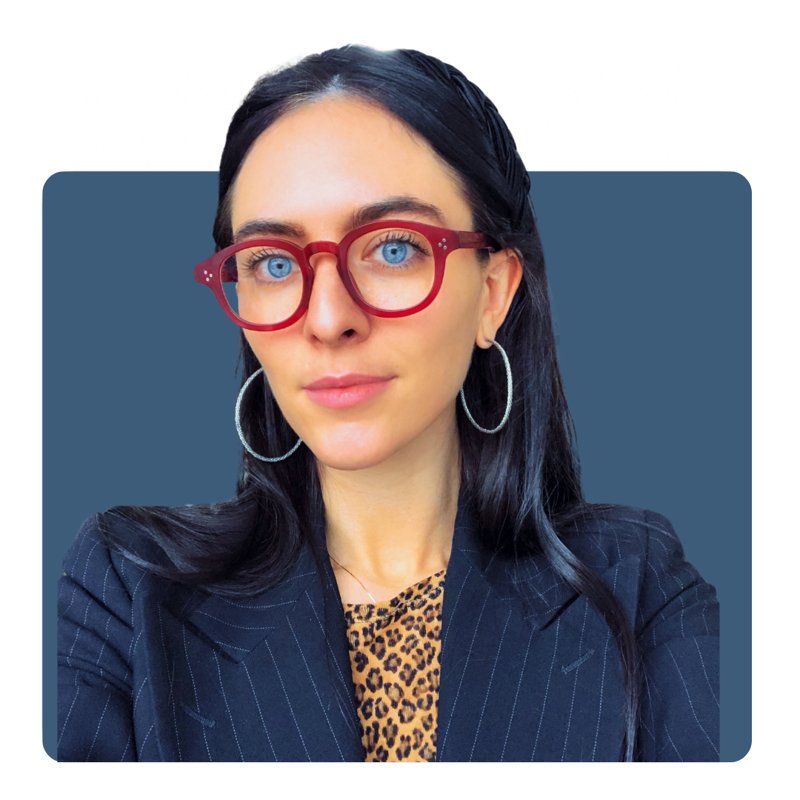
Kadeya was founded in 2020 by Manuela Zoninsein and Ali Rose van Overbeke.
Board
Investors · 13

How we know: Clocktower Ventures's portfolio page · open dataset · 5k.vc investor directory · Not right? Tell us
How we know: Dipalo Ventures's portfolio page · open dataset · 5k.vc investor directory · Not right? Tell us
How we know: Evergreen Climate Innovations's portfolio page · the VCSheet dataset · open dataset · 5k.vc investor directory · Not right? Tell us
How we know: GROOVE CAPITAL's portfolio page · the VCSheet dataset · open dataset · 5k.vc investor directory · Not right? Tell us
How we know: the VCSheet dataset · Not right? Tell us
How we know: the VCSheet dataset · Not right? Tell us
How we know: REFASHIOND Ventures's portfolio page · the VCSheet dataset · Not right? Tell us
How we know: Savia Ventures's portfolio page · Not right? Tell us
How we know: SUPPLY CHANGE CAPITAL's portfolio page · the VCSheet dataset · research · oxonianventures.com · Not right? Tell us

How we know: the Techstars portfolio · open dataset · Top 3000 Accelerator Startups (no YC) 2026-08 · open dataset · 5k.vc investor directory · Not right? Tell us
Reported raises · per SEC filings
Form D private placements$9.5M disclosed across 3 of 4 rounds · 2023–2026
▶$265KraisedJul 2026 · 2 investors · RetailingRule 506(b)
- Manuela ZoninseinExecutive Officer, Director
- Denis LussaultExecutive Officer, Director
- Zachary SmithDirector
- Andrew DunnDirector
- Amount sold
- $265K
- Proceeds to insiders
- $100K
- First sale
- Jul 2026
- Incorporated
- Corporation, Delaware
- Federal exemptions
- 06b
▶$150KraisedMay 2026 · 3 investors · RetailingRule 506(c)
- Elizabeth LinardosExecutive Officer
- Zachary SmithDirector
- Denis LussaultExecutive Officer, Director
- Manuela ZoninseinExecutive Officer, Director
- Offering amount
- $475K
- Amount sold
- $150K
- Proceeds to insiders
- $200K
- First sale
- Apr 2026
- Incorporated
- Corporation, Delaware
- Federal exemptions
- 06c
▶$9.1MraisedApr 2026 · 79 investors · RetailingRule 506(b)
- Denis LussaultExecutive Officer, Director
- Zachary SmithDirector
- Manuela ZoninseinExecutive Officer, Director
- Elizabeth LinardosExecutive Officer
- Offering amount
- $9.6M
- Amount sold
- $9.1M
- Proceeds to insiders
- $200K
- First sale
- Oct 2025
- Incorporated
- Corporation, Delaware
- Federal exemptions
- 06b
Source: SEC EDGAR Form D. Amounts as filed; amended filings shown once at their latest values.
Company profile
researched Sep 2026Kadeya operates what it describes as the world's first closed-loop beverage system: self-contained vending kiosks that fill reusable glass and stainless steel "infinite bottles" on demand at the point of service, then accept the bottles back for automated cleaning, sanitizing and refilling. Stations tap into the local water line, run water through advanced filtration, and dispense still filtered water as well as carbonated, flavored and branded drinks; where plumbed water is unavailable, the system can run from water tanks or delivered water. Units require 220V power and are ruggedized for outdoor-adjacent use, though the company notes they work best under cover. Users scan a QR code at the station to order, receive a chilled pre-filled bottle in under five seconds (or a bottle filled on demand in under seven seconds), and return the bottle to any station [0][2][4][6].
Alongside the hardware, Kadeya provides an employee web app and corporate dashboard that track individual hydration and impact metrics, supply hydration data for OSHA reporting and carbon data for ESG accounting. The company positions the system against single-use bottled water, water coolers, fountains and conventional vending machines, arguing it removes on-site plastic waste and associated clean-up labor while remaining at or below the cost of single-use bottles. The founder frames the company not as a beverage brand but as a distribution platform — a new route to market for drinks that decentralizes the linear beverage supply chain to the point of use [0][1][2][4][6].
Founding story
Founder and CEO Manuela Zoninsein began her career as a climate correspondent in China, where she launched her first company, and later started a second venture in Brazil that became an online marketplace for smallholder farmers. Observing both countries shift from reuse to single-use packaging, and while later working a corporate technology job at Palantir in the US, she questioned why a new container is manufactured for every bottle of water consumed. Drawing an analogy to bike-sharing networks, she designed Kadeya around reusable bottles, optimized climate impact and broad access to drinking water. She holds an MSc in Modern Chinese Studies from St Hilda's College, Oxford (matriculated 2010). Kadeya was founded in June 2020 [1][4].
Business model
Kadeya places its vending stations at customer worksites and sells beverages on a "hydration as a service", pay-as-you-go basis, with pricing quoted per environment and positioned at or below the cost of single-use bottled water. Bottles remain part of the service loop; a 1% bottle loss rate is factored into the fee, and sites are responsible for purchasing additional bottles if losses exceed that threshold [4][6].
Recurring pay-as-you-go service fees for beverages dispensed at installed stations, marketed as hydration-as-a-service rather than equipment sale [4][6].
Traction
In a pilot on one of the largest construction sites in the US, Kadeya started with 20 employees over several months, reported a 99% bottle return rate, moved from a prototype to full closed-loop stations, deployed seven stations on the job site, and eliminated more than 250 single-use plastic bottles; the company cites a 75-77% reduction in carbon emissions versus PET bottles. It also reports a 41% increase in employee hydration and that 52% of employees felt more connected to sustainability goals. The website states availability is sold out through 2025 with pre-orders open for 2026 [0][2][4][6].
Latest developments
The company reports being sold out of station capacity through 2025 and taking pre-orders for 2026, while serving a waitlist of construction, manufacturing, military and fulfillment customers [4][5].
▸Full profile — market position, technology, go-to-market, geography, history, risks & controversies
Market position
Kadeya describes itself as the first closed-loop beverage vending system and the only packaged beverage solution that both bottles on demand at the point of service and takes containers back for cleaning and reuse. An investor characterizes the addressable global packaged beverage market as roughly $2 trillion. The company frames its alternatives as single-use bottles, water coolers, fountains and standard vending machines [0][1][2][4].
Combines grab-and-go convenience with reusable packaging, offering still, flavored, sparkling and branded drinks in glass and stainless steel bottles that are cleaned and refilled inside the machine, alongside intake and impact tracking — a combination the company contrasts with coolers, fountains and conventional vending. The model also removes bottle shipping from the supply chain by sourcing and filtering water locally [0][2][4][6].
Technology
Patent-pending vending kiosk that combines point-of-use water filtration, on-demand bottling into glass and stainless steel containers, and an in-machine industrial-grade bottle cleaning and sanitizing system developed with input from industry suppliers including Ecolab. A companion worker web app and corporate dashboard capture hydration intake, reminders, and carbon-reduction statistics [0][1][4][6].
Go-to-market
Direct enterprise sales via "talk to sales" and consultation booking on the website, organized by industry vertical, with prospects entering a waitlist; the site states capacity is sold out through 2025 and that the company is taking pre-orders for 2026. Pilot deployments at customer sites are used to demonstrate adoption and impact before wider rollout [0][4][5].
Employers that must supply drinking water to workers, with a current focus on construction sites, manufacturing and industrial facilities, fulfillment centers and military sites; the company also identifies offices, universities and gyms/fitness centers as addressable environments [0][1][4][5].
Geography
United States-focused operations, with the founder citing the US as the market where the single-use problem is largest; earlier ventures by the founder were launched in China and Brazil [1][4].
History
Founded in June 2020, Kadeya moved from prototype units to full closed-loop stations through construction-site pilots, and received a Fast Company World Changing Ideas award in 2023. It reached a seed stage in March 2023 with investors including Supply Change Capital, and by the period covered on its website was serving a waitlist across construction, manufacturing, military and fulfillment customers [1][4][5][6].
Risks & controversies
The founder has cited fundraising as the company's biggest struggle, pointing to limited investor appetite for the risk profile. Deployment is constrained by site requirements including a water line connection, 220V power and preferably covered placement, and the service model assumes bottle loss rates stay near 1%, with sites bearing the cost of replacements above that [1][4][6].
Compiled by commissioned research from 9 cited public sources — announcements, filings, and press listed under research sources below.
Key figures
latest reportedCompany-reported or press-reported figures, each dated to when it was claimed — not independently audited.
Related companies · 1

Companies working in the same space as Kadeya.
Timeline · 2
launches, deals, and filingsKadeya states it worked with industry leaders including Ecolab to develop its patent-pending in-machine bottle cleaning and sanitizing system.
Kadeya cites a 2023 Fast Company World Changing Ideas award on its website.
Dated company events from announcements, filings, and press; legal rows summarize public dockets and regulator releases.
Legal entities · 1
corporate structure▸Research sources · 9
primary sources listed
- Kadeyakadeya.com · web
9 public sources were cited for this profile; the first-party ones are listed here.
Frequently asked questions
- What does Kadeya do?
- Kadeya runs closed-loop vending stations that bottle drinks on demand into reusable bottles and clean them on site for reuse.
- Who founded Kadeya?
- Kadeya was founded by Manuela Zoninsein, Ali Rose van Overbeke in 2020.
- Who are Kadeya's investors?
- Kadeya's investors include Chicago Early Growth Ventures (CEGV), Clocktower Ventures, Dipalo Ventures, Evergreen Climate Innovations, GROOVE CAPITAL, Humans Of The Internet, Josephine Collective, Oxonian Ventures and 5 more.
- How much funding has Kadeya raised?
- Kadeya has disclosed $9.5M raised across 3 of its 4 known rounds.
- Where is Kadeya headquartered?
- Kadeya is headquartered in Chicago, US.