 Fundraising Fox
Denali Therapeutics
NASDAQ: DNLISan Francisco, US · Delaware corporation · Public · 11 known investors
Find your way into Denali Therapeutics
Sign up to see every warm intro you have to Denali Therapeutics
- Paths you didn't know you had: your email and LinkedIn already hold routes to the Denali Therapeutics team. We find them for you
- 2nd- and 3rd-degree connections: the friend-of-a-friend routes that take hours to manually find through your inbox or LinkedIn
- Answers now, not in days: momentum is everything in a raise. Skip asking around whether someone knows someone
Days of research, done the moment you sign in, with every route ranked by how warm it is.
Denali Therapeutics develops therapeutics for neurodegenerative diseases. The company focuses on discovering and developing novel drug candidates targeting specific neurological conditions.
Also known as Denali Therapeutics Inc. · DNLI
Founders & leadership
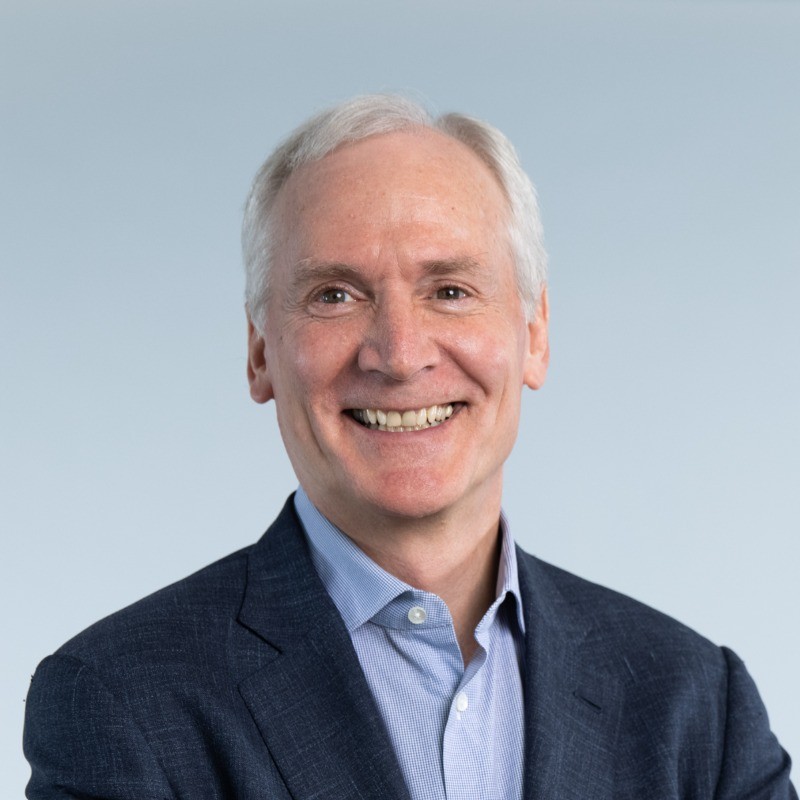
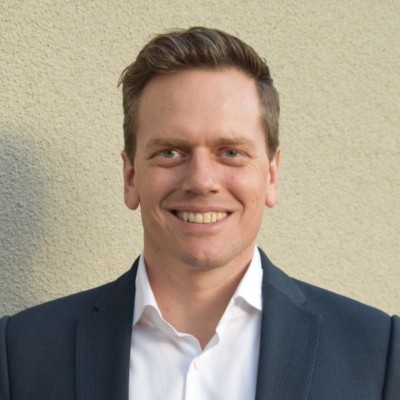
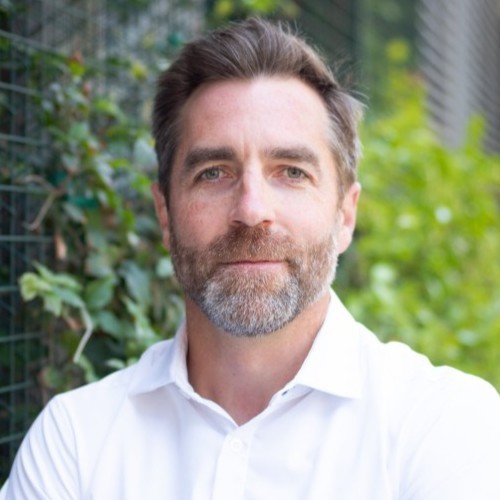
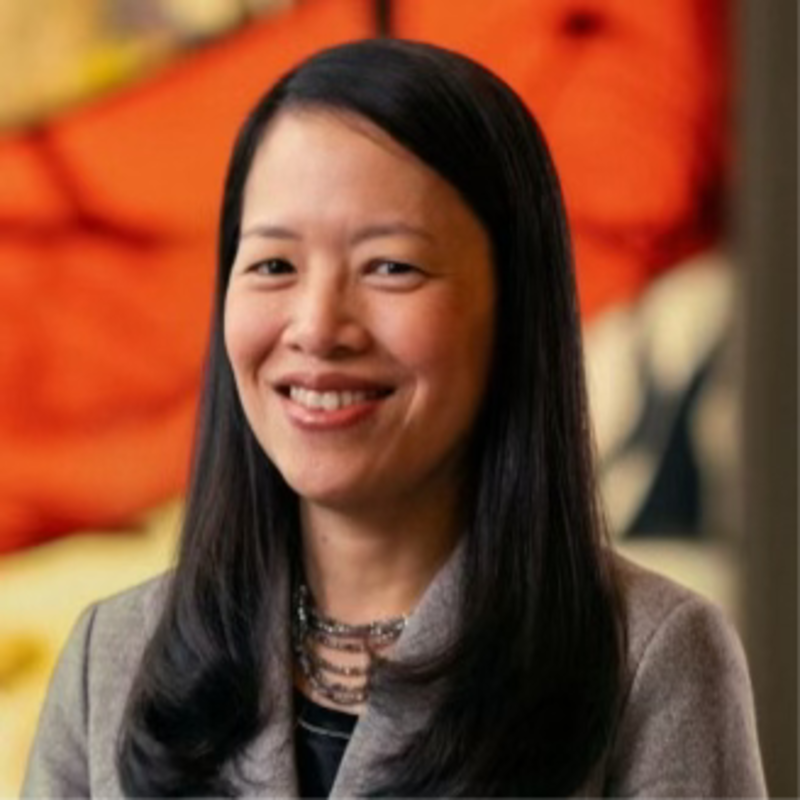
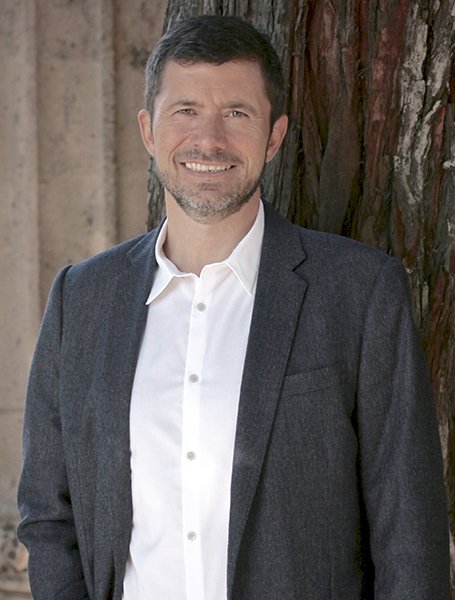
Board
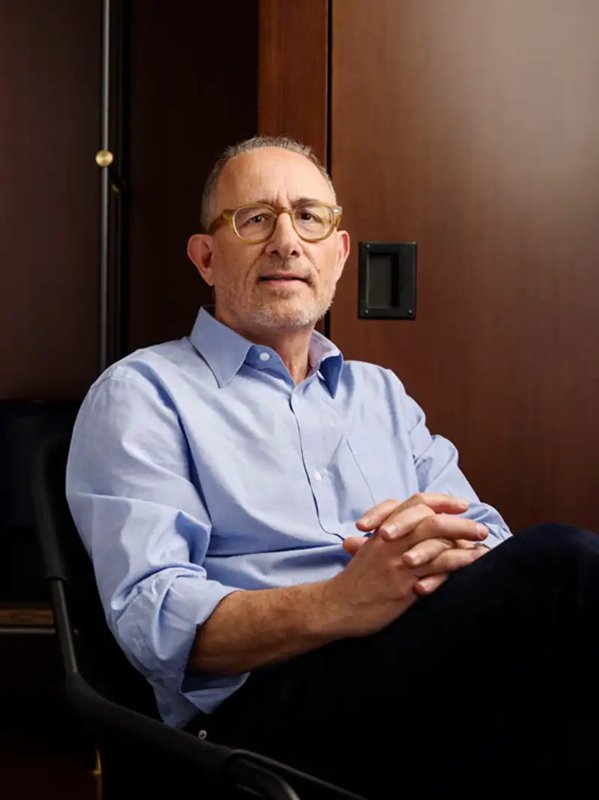

Investors · 11

How we know: ARCH Venture Partners's portfolio page · the VCSheet dataset · research · matrixbcg.com · open dataset · 5k.vc investor directory · Not right? Tell us

How we know: F-Prime Capital's portfolio page · a partner's Signal profile · open dataset · 5k.vc investor directory · Not right? Tell us

How we know: Foresite Capital's portfolio page · open dataset · 5k.vc investor directory · Not right? Tell us

How we know: GV (Google Ventures)'s portfolio page · board seat on SEC Form D · open dataset · 5k.vc investor directory · Not right? Tell us

How we know: a partner's Signal profile · Not right? Tell us
How we know: the S-1 prospectus · research · matrixbcg.com · Not right? Tell us
Also in the syndicate · 4
Reported raises · per SEC filings
Form D private placements$499.7M disclosed across 1 of 6 rounds · 2015–2026
▶$499.7MraisedMar 2024 · 11 investors · BiotechnologyRule 506(b)
- Carole HoExecutive Officer
- Vicki L. SatoDirector
- Nancy A. ThornberryDirector
- Peter S. KleinDirector
- Marc Tessier-LavigneDirector
- Jay T. FlatleyDirector
- David P. SchenkeinDirector
- Erik HarrisDirector
- Steve E. KrognesDirector
- Jennifer CookDirector
- Ryan WattsExecutive Officer, Director
- Alexander O. SchuthExecutive Officer
- Offering amount
- $499.7M
- Amount sold
- $499.7M
- First sale
- Feb 2024
- Incorporated
- Corporation, Delaware
- Federal exemptions
- 06b
Source: SEC EDGAR Form D. Amounts as filed; amended filings shown once at their latest values.
Valuation · disclosed
Disclosed eventsSource: SEC prospectus filings, and round valuations the company or its investors disclosed — follow each entry's link for the claim.
Company profile
researched Aug 2026Denali Therapeutics Inc. is a clinical-stage biotechnology company headquartered in South San Francisco, California, focused on neurodegenerative diseases, lysosomal storage disorders and other serious diseases. Its central scientific premise is that delivery across the blood-brain barrier is the principal bottleneck in central nervous system drug development, and it has built its portfolio around a proprietary set of delivery technologies it calls the TransportVehicle (TV) platform, designed to carry enzymes, proteins, antibodies and oligonucleotides into the brain more effectively than conventional approaches.
The company's pipeline spans multiple modalities (enzymes, proteins, antibodies, oligonucleotides and selected small molecules) and disease areas including Hunter syndrome (mucopolysaccharidosis type II) and Parkinson's disease. Its lead candidate, tividenofusp alfa (DNL310), is an engineered version of the iduronate 2-sulfatase enzyme designed to cross the blood-brain barrier by binding transferrin receptor 1. It received FDA Breakthrough Therapy Designation in January 2025 and is the subject of a Biologics License Application submitted under the accelerated approval pathway; the FDA's decision date was extended to April 2026 after an October 2025 major-amendment classification.
As of 2024 public materials, Denali had no approved products and one reportable business segment, with economics driven by research and development spending, collaboration and license activity, and cash management rather than product sales. The company reported nearly $873 million in cash at the end of September 2025.
Founding story
Denali Therapeutics Inc. was established on May 14, 2015 in South San Francisco, California by three former Genentech leaders: Ryan Watts, PhD, former director of Genentech's Department of Neuroscience, who became CEO, chief scientific officer and board member; Alexander Schuth, MD, former head of Genentech's Neuroscience Partnering, as chief operating officer; and Marc Tessier-Lavigne, PhD, then president of Rockefeller University and previously head of Genentech's drug research, as board chairman. The founders identified the blood-brain barrier as the central obstacle in treating degenerative brain disease and set out to combine newly discovered disease-linked genes ('degenogenes'), neuroinflammation biology and rigorous translational medicine. The name references North America's highest peak, chosen to signal the difficulty of the undertaking.
Business model
Denali operates as a research- and development-driven clinical-stage biopharmaceutical company without marketed products as of 2024. It funds operations from equity capital markets, collaboration and license revenue from larger biopharma partners, and non-dilutive royalty financing. Portfolio design combines wholly owned programs, where the company retains greater strategic and economic control, with partnered programs that share cost, extend modality reach and reduce portfolio risk.
Revenue to date derives from collaboration and licensing activity rather than commercial drug sales; fiscal 2024 revenue was not reported in the available sources. In December 2025 Denali added a royalty-monetization arrangement with Royalty Pharma providing $200 million upon FDA approval of tividenofusp alfa and $75 million upon European approval, in exchange for a 9.25% royalty on worldwide sales subject to capped return multiples.
Traction
Denali advanced from launch in 2015 to a Nasdaq IPO in December 2017 and a clinical-stage pipeline with a lead asset under FDA review. Milestones include the first European CTA and Phase 1 start for a small molecule RIP1 inhibitor in August 2016, Breakthrough Therapy Designation for tividenofusp alfa in January 2025, a BLA submission under accelerated approval, and nearly $873 million in cash at September 30, 2025. No products were approved as of the most recent sources.
Latest developments
In October 2025 the FDA extended the tividenofusp alfa decision date by three months, to April 2026, after classifying Denali's submission of updated clinical pharmacology information as a major amendment; Denali stated the information did not concern efficacy, safety or biomarkers and added no clinical data. On December 4, 2025 Denali announced a royalty financing with Royalty Pharma worth up to $275 million contingent on US and European approvals, with CEO Ryan Watts framing the proceeds as support for development programs and preparation for a tividenofusp alfa launch. Separately, the FDA placed a hold on Denali's plans for a phase 1 rare disease trial.
▸Full profile — market position, technology, go-to-market, geography, history, risks & controversies
Market position
Denali competes in a crowded neurodegeneration field that includes Biogen, Eli Lilly, Merck and Genentech. In Hunter syndrome it would face Takeda's Elaprase, the one approved enzyme replacement therapy, and gene therapy candidates such as Regenxbio's clemidsogene lanparvovec. Reported market capitalization figures range from $3.93 billion in a 2024-referenced profile to $1.98 billion as of July 2025. Its differentiation rests on whether the Transport Vehicle platform can repeatedly generate differentiated CNS medicines rather than a single asset.
Denali pursues differentiation rather than cost leadership: the claim that therapies engineered to reach the brain can produce clinical benefit unattainable by conventional systemic delivery. Supporting elements include disciplined target selection grounded in human genetics, biomarker-based early de-risking, and a hybrid ownership model balancing wholly owned and partnered programs.
Technology
The TransportVehicle (TV) platform engineers therapeutic molecules to cross the blood-brain barrier, for example by binding transferrin receptor 1, the receptor that normally shuttles iron into the brain. The platform is intended to be modality-agnostic, applicable to enzymes, proteins, antibodies and oligonucleotides. Development is paired with translational medicine practices emphasizing demonstration of drug activity in the brain and biomarker-defined patient selection, and with early work on 'degenogenes' - genes newly linked to degenerative brain disease - and neuroinflammation.
Go-to-market
Development and commercialization are pursued through a mix of in-house programs and alliances with large pharmaceutical partners that provide cost sharing and global reach. Sources cite collaborations with Sanofi (2018), Biogen (2020) and Takeda (dated 2018 in one source and 2022 in another). The company also engages directly with patient communities, families and advocacy groups, and runs enrolling clinical studies.
Patients with neurodegenerative diseases such as Alzheimer's, Parkinson's and ALS, patients with rare lysosomal storage disorders including Hunter syndrome, and the clinicians and specialist treatment centers serving them; large biopharmaceutical companies also act as counterparties through development collaborations.
Geography
Operations are centered in the United States, with headquarters in South San Francisco, California (internal records list San Francisco). Clinical development and partnership reach are global through alliances with multinational biopharma companies and international trial networks; regulatory activity spans the FDA and European authorities.
History
After launching in May 2015 with a $217 million Series A, Denali acquired Incro Pharmaceuticals in August 2015 to obtain a RIP1 inhibitor program. It raised a $130 million Series B in August 2016 and, that same month, filed its first European Clinical Trial Application to begin a Phase 1 study of a small molecule RIP1 inhibitor. The company completed a Nasdaq IPO on December 8, 2017 with roughly $250 million in net proceeds and returned to public markets with another offering in January 2020. Collaborations with large pharmaceutical partners followed (Sanofi, Biogen and Takeda, with sources differing on Takeda's date). In 2025 its lead program, tividenofusp alfa, received Breakthrough Therapy Designation and a BLA submission, and in December 2025 Denali signed a $275 million royalty financing agreement with Royalty Pharma ahead of an FDA decision then expected in April 2026.
Risks & controversies
Key risks include regulatory uncertainty around the lead asset: the FDA delayed the tividenofusp alfa decision to April 2026 following a major amendment to the application, and the agency placed a hold on plans for a phase 1 rare disease trial. The company had no approved products as of 2024 and no commercial cash flow, leaving it dependent on capital markets, collaboration payments and, most recently, approval-contingent royalty financing. Competition in both neurodegeneration and Hunter syndrome is significant, including an established enzyme replacement therapy (Takeda's Elaprase) and gene therapy entrants. Sources also disagree on the timing of the Takeda collaboration (2018 versus 2022) and on market capitalization figures.
Compiled by commissioned research from 7 cited public sources — announcements, filings, and press listed under research sources below.
Key figures
latest reportedCompany-reported or press-reported figures, each dated to when it was claimed — not independently audited.
Founder mafia
3 people who came through Denali Therapeutics went on to found or lead other companies.
Related companies · 3


Companies working in the same space as Denali Therapeutics.
Timeline · 15
launches, deals, and filingsRoyalty Pharma agreed to provide Denali $200 million upon FDA approval of tividenofusp alfa and a further $75 million upon European approval, in exchange for a 9.25% royalty on worldwide sales until Royalty receives three times its payment (or 2.5 times if achieved by Q1 2039).
$275M source ↗
The FDA delayed its approval decision from early January 2026 to April 2026 after classifying Denali's submission of updated clinical pharmacology information as a major amendment; Denali stated the information was unrelated to efficacy, safety or biomarkers and involved no additional clinical data.
Denali submitted a BLA for tividenofusp alfa under the accelerated approval pathway.
Referenced by Fierce Biotech as a related development: the FDA placed a hold on Denali's plans for a phase 1 rare disease trial.
Denali received FDA Breakthrough Therapy Designation for tividenofusp alfa (DNL310) in January 2025.
Major collaboration with Takeda announced in 2022 per company profile milestones.
Strategic collaboration to jointly develop therapies for neurodegenerative diseases.
Major collaboration announced with Sanofi, per company profile of major historical milestones.
Strategic collaboration to jointly develop therapies for neurodegenerative diseases. Note: source [4] instead lists a Sanofi collaboration in 2018 and a Takeda collaboration in 2022.
IPO raising approximately $250 million in net proceeds, described as one of the largest biotech capital raises at the time.
$250M source ↗
Series B equity financing with participation from founding investors and new institutional investors.
$130M source ↗
Denali submitted its first CTA in Europe to initiate a Phase 1 trial of a small molecule RIP1 inhibitor.
Denali acquired Incro Pharmaceuticals, gaining access to Incro's RIP1 inhibitor program.
Three former Genentech researchers - Ryan Watts (CEO/CSO), Alexander Schuth (COO) and Marc Tessier-Lavigne (board chairman) - launched Denali Therapeutics with $217 million in venture capital, described as one of the largest initial biotech funding rounds at the time. Investors included Fidelity Biosciences, ARCH Venture Partners, Flagship Ventures and the Alaska Permanent Fund (represented by Crestline). At launch the company was evaluating 12 undisclosed drug targets.
$217M source ↗
Dated company events from announcements, filings, and press; legal rows summarize public dockets and regulator releases.
Legal entities · 1
corporate structure▸Research sources · 7
primary sources listed
- Denali Therapeuticsdenalitherapeutics.com · web
7 public sources were cited for this profile; the first-party ones are listed here.
Frequently asked questions
- What does Denali Therapeutics do?
- Nasdaq-listed biotech developing blood-brain-barrier-crossing therapies for neurodegenerative and lysosomal storage diseases.
- Who founded Denali Therapeutics?
- Denali Therapeutics was founded by Marc Tessier-Lavigne, Alexander O. Schuth, Ryan J. Watts.
- Who are Denali Therapeutics's investors?
- Denali Therapeutics's investors include ARCH Venture Partners, EcoR1 Capital, F-Prime Capital, Foresite Capital, GV (Google Ventures), Flagship Pioneering, Flagship Ventures.
- How much funding has Denali Therapeutics raised?
- Denali Therapeutics has disclosed $499.7M raised across 1 of its 6 known rounds.
- Is Denali Therapeutics publicly traded?
- Yes — Denali Therapeutics trades on NASDAQ under the ticker DNLI.
- Where is Denali Therapeutics headquartered?
- Denali Therapeutics is headquartered in San Francisco, US.