 Fundraising Fox
Unity Biotechnology
DefunctBrisbane, US · Founded 2009 · 18 employees on LinkedIn · 20 known investors
Find your way into Unity Biotechnology
Sign up to see every warm intro you have to Unity Biotechnology
- Paths you didn't know you had: your email and LinkedIn already hold routes to the Unity Biotechnology team. We find them for you
- 2nd- and 3rd-degree connections: the friend-of-a-friend routes that take hours to manually find through your inbox or LinkedIn
- Answers now, not in days: momentum is everything in a raise. Skip asking around whether someone knows someone
Days of research, done the moment you sign in, with every route ranked by how warm it is.
Unity Biotechnology was a biotechnology company that is no longer operating. The page provides only wind-down contact information and does not describe the company's products or focus.
Also known as Forge, Inc. · UBX · Unity BioTechnologies · UNITY Biotechnology, Inc.
Founders & leadership
Unity Biotechnology was founded in 2009 by Nathaniel E. David.
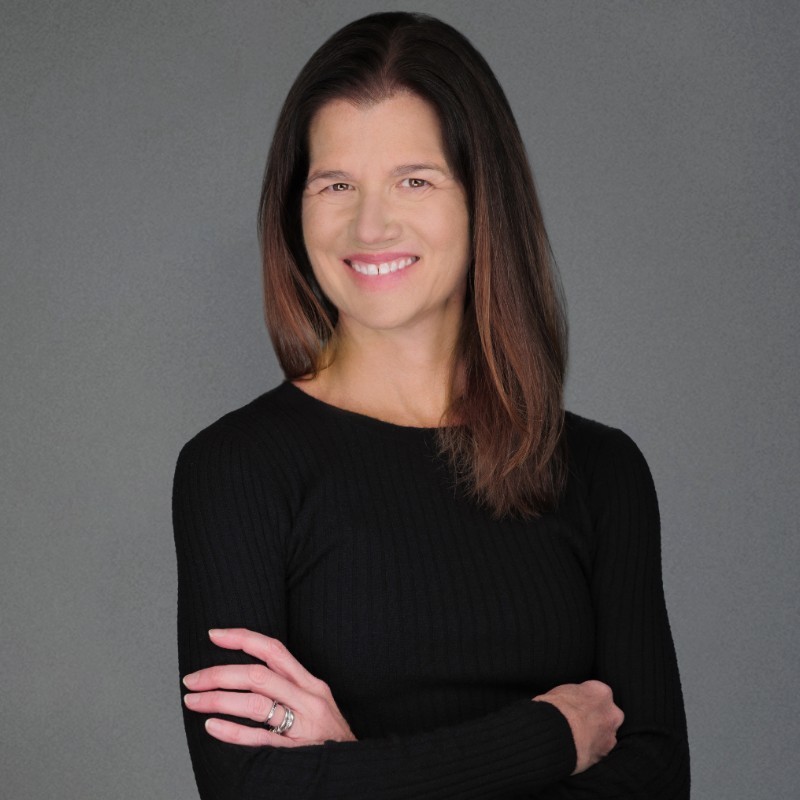
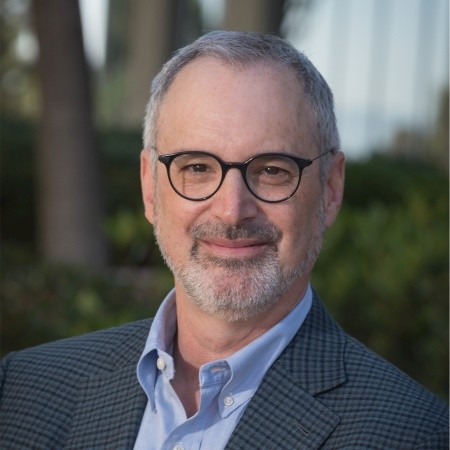
Board
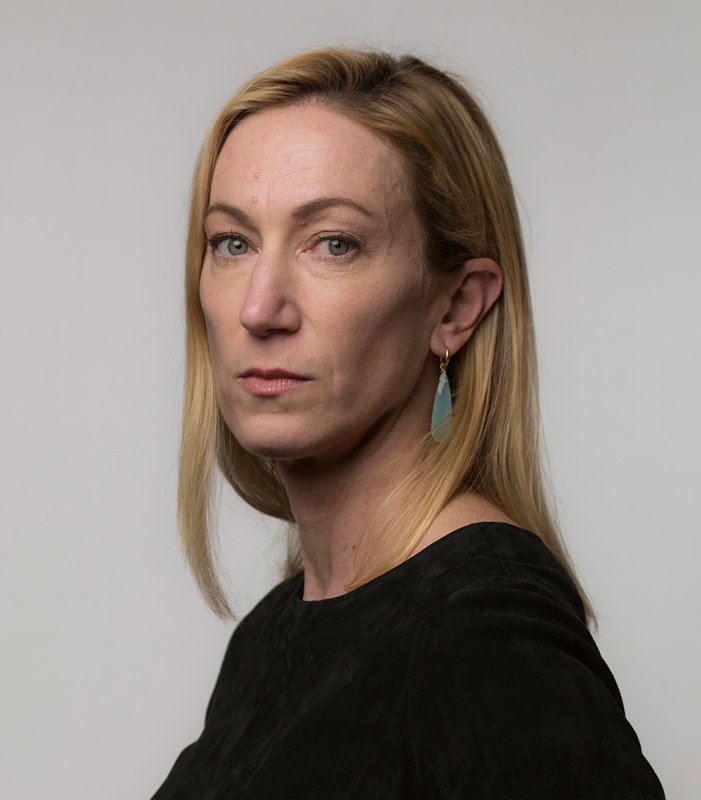
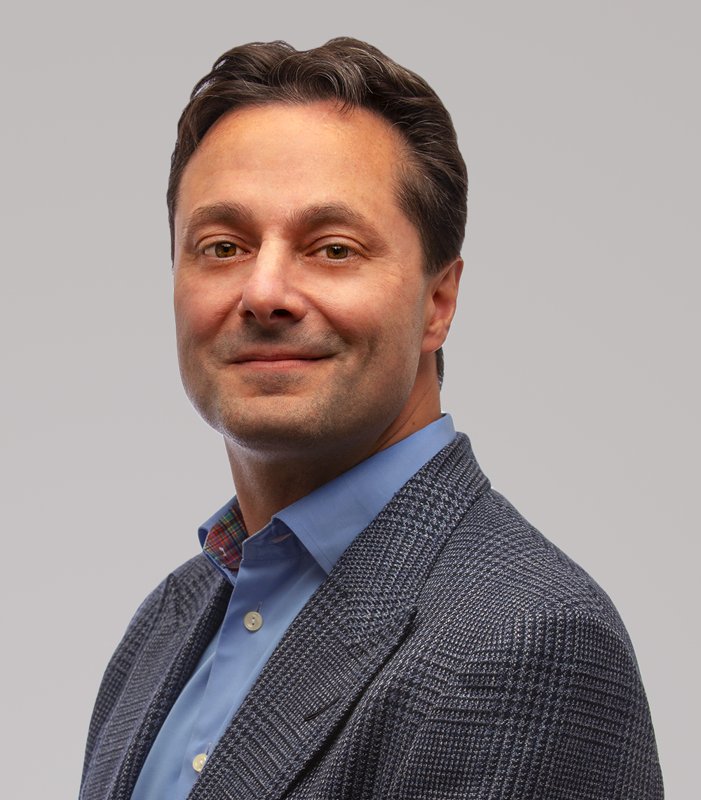
Investors · 20

How we know: age1's portfolio page · Not right? Tell us
How we know: av.vc · Not right? Tell us

How we know: ARCH Venture Partners's portfolio page · board seat on SEC Form D · press coverage · the VCSheet dataset · research · golden.com · open dataset · 5k.vc investor directory · Not right? Tell us
How we know: Cycad Group LLC's portfolio page · Not right? Tell us
How we know: Khosla Ventures's portfolio page · Not right? Tell us
How we know: research · golden.com · open dataset · 5k.vc investor directory · Not right? Tell us
How we know: research · golden.com · Not right? Tell us
How we know: research · golden.com · open dataset · 5k.vc investor directory · Not right? Tell us
How we know: research · golden.com · Not right? Tell us
How we know: research · golden.com · Not right? Tell us
Also in the syndicate · 7
Reported raises · per SEC filings
Form D private placements$206.3M disclosed across 2 of 5 rounds · 2016–2018
▶$55MraisedMar 2018 · 27 investors · PharmaceuticalsRule 506(b)
- Kristina BurowDirector
- Dan MarquessExecutive Officer
- Keith LeonardExecutive Officer, Director
- Tamara TompkinsExecutive Officer
- Paul BernsDirector
- Bob GoeltzExecutive Officer
- Robert NelsenDirector
- Camille SamuelsDirector
- Jamie DananbergExecutive Officer
- Nathaniel E. DavidExecutive Officer, Director
- Graham CooperDirector
- Offering amount
- $60M
- Amount sold
- $55M
- First sale
- Mar 2018
- Incorporated
- Corporation, Delaware
- Federal exemptions
- 06b
▶$151.2MraisedAug 2017 · 38 investors · BiotechnologyRule 506(b)
- Graham CooperDirector
- Jamie DananbergExecutive Officer
- Dan MarquessExecutive Officer
- John SmitherExecutive Officer
- Camille SamuelsDirector
- Kristina BurowDirector
- Robert NelsenDirector
- Keith LeonardExecutive Officer, Director
- Nathaniel E. DavidExecutive Officer, Director
- Offering amount
- $177.6M
- Amount sold
- $151.2M
- First sale
- Oct 2016
- Incorporated
- Corporation, Delaware
- Federal exemptions
- 06b
Source: SEC EDGAR Form D. Amounts as filed; amended filings shown once at their latest values.
Valuation · disclosed
Disclosed eventsSource: SEC prospectus filings, and round valuations the company or its investors disclosed — follow each entry's link for the claim.
Company profile
researched Aug 2026Unity Biotechnology, Inc. (legal name UNITY Biotechnology, Inc.; formerly Forge, Inc.) was an American biotechnology company that researched and developed therapeutics intended to slow, halt or reverse diseases of aging. Its scientific approach centered on senolytics — drugs designed to selectively eliminate senescent cells, which have stopped dividing but remain viable and accumulate in body tissue, contributing to conditions such as joint pain, diminished eyesight and other age-related diseases [2][3][5][6]. The company was headquartered in South San Francisco, California, at 285 East Grand Avenue, and is also associated with Brisbane, California [2][4][5][6].
The pipeline was entirely clinical- and preclinical-stage; the company never brought a drug to market [3][6]. Early lead candidate UBX0101 was a senolytic small-molecule inhibitor of the MDM2/p53 protein interaction developed for osteoarthritis [3]. Later programs focused on ophthalmology and neurology, including UBX1325, a Bcl-xL-targeting senolytic that reached Phase 2 trials for diabetic macular edema; UBX1967, a preclinical senolytic small-molecule inhibitor of Bcl-2 family apoptosis regulatory proteins for diabetic retinopathy, diabetic macular edema, glaucoma and age-related macular degeneration; UBX2050, a human anti-Tie2 agonist monoclonal antibody for age-related eye diseases; and UBX2089, an a-Klotho hormone candidate for neurology indications [2][3][5]. Earlier preclinical work also spanned pulmonary disease, cognition and kidney disease [3].
After clinical setbacks and dwindling cash, Unity's board approved a plan in May 2025 to lay off its entire remaining workforce, retain some staff as consultants and pursue strategic alternatives; Nasdaq moved to delist the stock in June 2025, and the company was recorded as defunct on 26 September 2025 with a fate of liquidation [2][6][7]. Its website now states the company is no longer operating and points visitors to prior SEC filings [0][1].
Founding story
Sources conflict on founding details. Wikipedia states the company was founded in 2011 in California and co-founded in March 2009 by Nathaniel David, Jan van Deursen, Judith Campisi and Daohong Zhou, originally under the name Forge, Inc., renamed Unity BioTechnologies in January 2015 [2]. One aggregator states the company was incorporated in 2009 and separately that it was founded in 2011 by Ned David, Robert Nelsen and Eric Denovo [5]; another lists a founding year of 2009 [4]. Nathaniel "Ned" David said he co-founded Unity in 2011 because the underlying biology was "simply the coolest biology he had ever seen"; he had previously co-founded four other biotech companies — Syrrx (acquired by Takeda), Achaogen, Kythera Biopharmaceuticals (later acquired by Allergan) and Sapphire Energy — which together raised over $1.5 billion [3][6].
Business model
Unity operated as a clinical-stage biopharmaceutical company, funding drug discovery and development through venture capital and public equity markets rather than product sales. It had no meaningful revenue and no approved products, and sought partners with existing capabilities — for example, seeking a company with eye research capabilities to advance its lead diabetic macular edema candidate [3][6][7].
No product revenue; the company had not brought any drug to market and Nasdaq cited its lack of meaningful revenue when moving to delist the stock [6][7].
Traction
The company raised $222 million in venture capital before its May 2018 IPO, which raised $85 million at a $700 million valuation [2][3]. Clinically, UBX1325 advanced to Phase 2 in diabetic macular edema, with positive Phase 1 results reported in July 2022 and April 2023 Phase 2 results reported as showing statistically significant improvement in vision through 48 weeks [2]. However, the UBX0101 osteoarthritis trial failed in 2020 and an eye disease trial flopped in 2023; cumulative losses exceeded $510 million as of 2024, with $16.9 million in cash at the end of March 2025 [6].
Latest developments
On 5 May 2025 Unity announced it would lay off all remaining employees, including the CEO, with most departures by 15 May and estimated severance costs of $3.7 million against $16.9 million of cash at the end of March 2025; some executives were to return as part-time consultants to close out a clinical trial and explore strategic alternatives such as asset sales, divestiture, merger or shutdown [6]. On 27 June 2025 Nasdaq notified Unity of its intent to delist the stock as a public shell, citing layoffs, the shutdown of the ASPIRE study and lack of revenue; the company did not appeal and trading was suspended on 9 July 2025, with shares falling nearly 49% [7]. The company is recorded as defunct on 26 September 2025 via liquidation, and its website now states it is no longer operating, directing inquiries to Unity@vlpc.com and pointing to prior SEC filings [0][1][2].
▸Full profile — market position, technology, go-to-market, geography, history, risks & controversies
Market position
Unity was among the most prominent and best-capitalized companies in the longevity and cellular senescence field, drawing attention for its $700 million IPO valuation and backing from high-profile investors including Jeff Bezos and Peter Thiel [2][3][6]. One aggregator lists ReCyte Therapeutics as a known competitor, and Wikipedia references Calico as a related aging-focused company [2][4]. Following repeated clinical setbacks the company's market capitalization fell to roughly $19 million by May 2025 and its shares traded around 25 cents by late June 2025 [6][7].
Unity's distinguishing feature was its focus on senolytic medicines that selectively clear senescent cells to address underlying drivers of age-related disease, rather than treating symptoms, combined with unusually high-profile scientific founders and investors [2][3][6].
Technology
The core technology was senolytics: small molecules and biologics designed to selectively eliminate senescent cells. UBX0101 was a senolytic small-molecule inhibitor of the MDM2/p53 protein interaction, disruption of which can trigger elimination of senescent cells. UBX1967 and UBX1325 targeted Bcl-2 family apoptosis regulatory proteins (UBX1325 targeting Bcl-xL), exploiting senescent cells' reliance on pro-survival mechanisms to persist in tissues. Later candidates included UBX2050, a human anti-Tie2 agonist monoclonal antibody, and UBX2089, an a-Klotho hormone drug candidate for neurology [2][3][5].
Go-to-market
Development-stage pharmaceutical route: IND filings and clinical trials with the FDA, with intent to partner or license programs to companies with relevant therapeutic-area capabilities; a partnership with Ascentage was referenced in trade coverage of its move into eye diseases [3][4][6].
Patients with age-related diseases, with clinical programs directed at osteoarthritis and ophthalmologic conditions including diabetic macular edema, diabetic retinopathy, age-related macular degeneration and glaucoma, plus preclinical work in pulmonary disease, cognition, kidney disease and neurology [2][3][5].
Geography
Headquartered in South San Francisco, California (285 East Grand Avenue), with association to Brisbane, California; the wind-down website lists a correspondence address at 124 Washington Street, Ste. 101, Foxboro, MA 02035 [0][1][2][4][5].
History
Founded under the name Forge, Inc., the company adopted the Unity BioTechnologies name in January 2015 [2][5]. It closed a $116 million Series B in October 2016 with backers including Arch Venture Partners, Baillie Gifford, Fidelity Management and Research Company, Partner Fund Management, Venrock, Bezos Expeditions, WuXi PharmaTech and Mayo, followed by additional financings in 2017 and 2018 [4]. By mid-2018 it had raised $222 million in venture capital and went public on Nasdaq on 3 May 2018, raising $85 million at a $700 million market capitalization [2][3]. Shares fell about 60% on 17 August 2020 after disappointing Phase 2 results for UBX0101 in moderate-to-severe painful osteoarthritis, and the program was dropped [2][6]. Anirvan Ghosh became CEO in 2020, the same year Nathaniel David stepped down as president while remaining on the board [2][4]. The company reported positive Phase 1 data for UBX1325 in July 2022 and Phase 2 results in April 2023 showing statistically significant vision improvement through 48 weeks, though an eye disease trial was reported as having flopped in 2023 [2][6]. Headcount fell from 65 at the end of 2021 to 32 in 2022, 19 in 2023 and 16 full-time employees at the end of 2024 [6]. In May 2025 the entire remaining staff, including the CEO, was laid off; Nasdaq issued a delisting notice in June 2025 and trading was suspended on 9 July 2025; the company was defunct as of 26 September 2025 via liquidation [2][6][7].
Risks & controversies
The company's valuation was noted at the time of its IPO as resting on early-stage science with no product to sell [3]. Its lead osteoarthritis program failed in 2020, causing a roughly 60% share drop, and an eye disease trial flopped in 2023 [2][6]. Unity accumulated losses of more than $510 million without bringing a drug to market, fell below Nasdaq's $10 million stockholders' equity requirement in March 2025, traded under $1 for 30 consecutive days by June 2025, and was characterized by Nasdaq as a public shell before delisting [6][7]. In its May 2025 layoff release, the CEO's announcement of the cuts was placed after promotional discussion of the lead candidate, and the company declined to answer press questions [6].
Compiled by commissioned research from 8 cited public sources — announcements, filings, and press listed under research sources below.
Key figures
latest reportedCompany-reported or press-reported figures, each dated to when it was claimed — not independently audited.
Founder mafia
The Unity Biotechnology mafia →6 people who came through Unity Biotechnology went on to found or lead other companies.
Timeline · 11
launches, deals, and filingsWikipedia records Unity Biotechnology as defunct on September 26, 2025, with fate listed as liquidation; the company's website states it is no longer operating.
Nasdaq's Listing Qualifications Department notified Unity of intent to delist, calling it a public shell citing layoffs, shutdown of the ASPIRE study and no meaningful revenue. Unity did not appeal; trading was expected to be suspended on July 9, 2025. Prior compliance failures included falling below the $10 million stockholders' equity requirement in March 2025 and trading under $1 for 30 consecutive days in June 2025.
The board approved a plan to cut all remaining employees (largely departing by May 15) and rehire some as consultants to wind down a clinical trial and explore strategic alternatives including asset sales, divestitures, merger or shutdown. Estimated severance and related costs of $3.7 million.
Reported Phase 2 results indicating a single injection of UBX1325 produced a statistically significant and clinically meaningful improvement in vision through 48 weeks; a separate account describes an eye disease trial as having flopped in 2023.
The company reported positive results from its Phase 1 study of the senolytic candidate UBX1325 in neovascular eye disease.
The company reported disappointing clinical trial results for its then lead candidate UBX0101 in moderate-to-severe painful osteoarthritis and subsequently dropped the program.
Anirvan Ghosh joined as CEO in 2020; the same year Nathaniel David stepped down as president but remained on the board.
Unity went public on the Nasdaq exchange under ticker UBX, raising $85 million at a market capitalization of $700 million.
$85M source ↗
$55M source ↗
Backers included Arch Venture Partners, Baillie Gifford, Fidelity Management and Research Company, Partner Fund Management, Venrock, Bezos Expeditions, WuXi PharmaTech and Mayo.
$116M source ↗
The company, founded under the name Forge, Inc., changed its name to Unity BioTechnologies in January 2015.
Dated company events from announcements, filings, and press; legal rows summarize public dockets and regulator releases.
▸Research sources · 8
primary sources listed
- Unity Biotechnologyunitybiotechnology.com · web
8 public sources were cited for this profile; the first-party ones are listed here.
Frequently asked questions
- What does Unity Biotechnology do?
- Unity Biotechnology was a Nasdaq-listed senolytics developer targeting age-related disease that ceased operations in 2025.
- Who founded Unity Biotechnology?
- Unity Biotechnology was founded by Nathaniel E. David in 2009.
- Who are Unity Biotechnology's investors?
- Unity Biotechnology's investors include age1, Alumni Ventures, ARCH Venture Partners, Cycad Group LLC, EcoR1 Capital, Khosla Ventures, Venrock, 6 Dimensions Capital and 5 more.
- How much funding has Unity Biotechnology raised?
- Unity Biotechnology has disclosed $206.3M raised across 2 of its 5 known rounds.
- Where is Unity Biotechnology headquartered?
- Unity Biotechnology is headquartered in Brisbane, US.