 Fundraising Fox
Sonoma Biotherapeutics
South San Francisco, US · Founded 2019 · California corporation · 62 employees on LinkedIn · 13 known investors
Find your way into Sonoma Biotherapeutics
Sonoma Biotherapeutics develops engineered regulatory T cell therapies to treat autoimmune and inflammatory diseases. The company uses proprietary platform technologies to create targeted and durable Treg cell therapies.
Also known as Sonoma Bio · Sonoma BioTherapeutics · SonomaBio
Founders & leadership
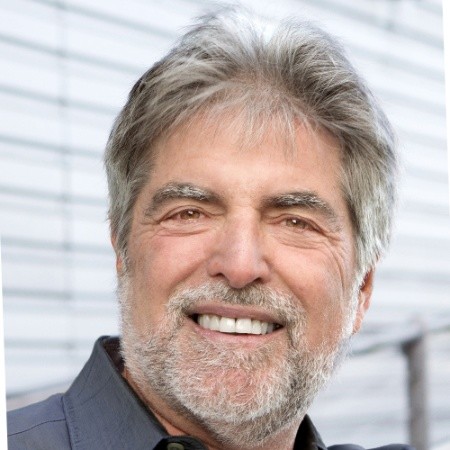
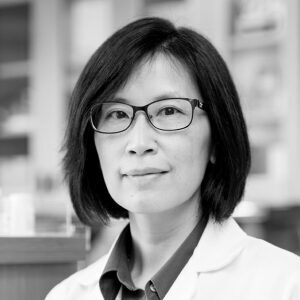
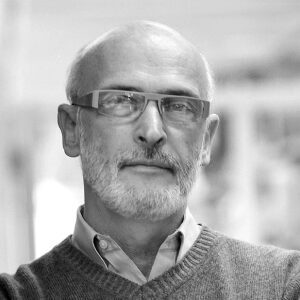
Sonoma Biotherapeutics was founded in 2019 by Jeffrey Bluestone, Jeff Bluestone, PhD, Qizhi Tang, PhD, Fred Ramsdell, PhD, and Alexander Rudensky, PhD.


Board
Investors · 13

How we know: 8VC's portfolio page · the VCSheet dataset · research · geekwire.com · Not right? Tell us

How we know: ARCH Venture Partners's portfolio page · research · geekwire.com · Not right? Tell us
How we know: Frazier Life Sciences's portfolio page · Not right? Tell us
How we know: GV (Google Ventures)'s portfolio page · research · geekwire.com · Not right? Tell us
How we know: Lifeforce Capital's portfolio page · the VCSheet dataset · Not right? Tell us

How we know: the VCSheet dataset · Not right? Tell us

How we know: OUP (Osage University Partners)'s portfolio page · Not right? Tell us


Reported raises · per SEC filings
Form D private placements$265M disclosed across 1 of 2 rounds · 2020–2021
▶$265MraisedAug 2021 · 40 investors · BiotechnologyRule 506(b)
- Fan YuDirector
- Maggie WilderotterDirector
- Toni HooverDirector
- Terry RosenDirector
- Richard KlausnerDirector
- Jeffrey BluestoneExecutive Officer, Director, Promoter
- Offering amount
- $265M
- Amount sold
- $265M
- First sale
- Jul 2021
- Incorporated
- Corporation, California, 2019
- Federal exemptions
- 06b
Source: SEC EDGAR Form D. Amounts as filed; amended filings shown once at their latest values.
Company profile
researched Aug 2026Sonoma Biotherapeutics is a clinical-stage biotechnology company developing engineered regulatory T cell (Treg) therapies intended to treat autoimmune and inflammatory diseases by restoring balance to the immune system. The company's stated strategy is to address the root cause of disease rather than broadly suppress immunity: Tregs are described as sentinel cells that detect and suppress unwanted immune responses, and the company engineers them to recognize the key antigens that drive specific autoimmune and inflammatory conditions, with the aim of durable disease control from a single treatment.
The company's approach combines engineered Treg cell therapy with effector T cell (Teff) conditioning. Its two most advanced programs described in 2021 coverage were a CAR-based Treg cell therapy for refractory rheumatoid arthritis and a Teff conditioning biologic designed to deplete active autoimmune cells and clear the inflammatory environment, potentially improving the effectiveness of Treg cell therapies; the latter was initially framed as a type 1 diabetes program usable alone or in combination. Additional disclosed pipeline areas include inflammatory bowel disease, type 1 diabetes and Crohn's disease. Manufacturing is performed through a proprietary process that isolates, expands and enhances Tregs from a patient's own immune system, and the company has described building out manufacturing capability to support initial clinical studies.
Sonoma operates from a South San Francisco headquarters with a second site in Seattle. Its leadership team includes President and CEO and Board Chair Stephen Dilly, COO Lisa Taylor Ash, CSO Joshua Beilke and Chief Financial and Business Officer Jessica Stitt. Its four scientific founders — Jeffrey Bluestone, Qizhi Tang, Fred Ramsdell and Alexander Rudensky — remain associated with the company as scientific advisors.
Founding story
Sonoma Biotherapeutics was founded in 2019 by Jeffrey Bluestone, an immunologist known for work on T-cell activation and immune tolerance, along with Alexander Rudensky (Memorial Sloan Kettering Cancer Center, co-discoverer of FOXP3), Fred Ramsdell (a biotechnology immunology veteran who led the team that discovered and characterized FoxP3 at Darwin Molecular, and former CSO of the Parker Institute for Cancer Immunotherapy) and Qizhi Tang (UCSF, among the first to grow regulatory T cells and apply them in experimental therapy). The four founders had worked together for years; Bluestone left the presidency of the Parker Institute for Cancer Immunotherapy and surrendered his tenure at UCSF to translate his laboratory research on immune tolerance into therapies, and the company launched with backing from life science investors.
Business model
Sonoma Biotherapeutics is a venture-backed, clinical-stage therapeutics developer. It funds internal R&D through private financing rounds and develops proprietary engineered Treg cell therapy products, including autologous products manufactured from a patient's own immune cells via an in-house manufacturing process. Sources describe use of financing proceeds to scale manufacturing operations to supply initial clinical studies; no product revenue or commercial arrangements are described in the sources.
No revenue model is described in the sources; the company is a clinical-stage therapeutics developer funded by private venture financing.
Traction
As of August 2021 the company was preclinical with roughly 50 employees and had raised $265 million in a Series B on top of $70 million across two Series A rounds; BioSpace reported over $335 million raised since launch. It planned to grow to 75 employees by the end of 2021. The company website subsequently describes it as clinical-stage with its lead Treg program in clinical trials.
Latest developments
The company's website describes it as clinical-stage, with its lead regulatory T cell program being evaluated in clinical trials and additional programs advancing through research toward the clinic. Leadership has changed since founding: Stephen Dilly, previously CEO of Codexis, Sierra Oncology and Aimmune Therapeutics, serves as President, CEO and Board Chair, while founder Jeffrey Bluestone is now an advisor and board member. In 2025, co-founder and former CSO Fred Ramsdell, who chairs the scientific advisory board, was named a winner of the Nobel Prize in Physiology or Medicine for the discovery of regulatory T cells and the FOXP3 gene.
▸Full profile — market position, technology, go-to-market, geography, history, risks & controversies
Market position
Sonoma is one of several companies commercializing regulatory T cell therapy, a concept long studied in academic labs. Sources identify Sangamo Therapeutics, which was expected to launch a regulatory CAR T cell trial in kidney transplant patients, and Boston-based GentiBio, which has a Seattle presence, as other players in the field. Sonoma was named to BioSpace's 'Top Life Sciences Startups to Watch in 2021.'
The company positions itself around founder expertise in Treg biology and cell therapy, including the discovery and characterization of FOXP3, the transcription factor essential to Treg identity and function, work recognized with the 2025 Nobel Prize in Physiology or Medicine awarded to co-founder Fred Ramsdell. Technically, it differentiates by engineering antigen-targeted (CAR-based) Tregs rather than relying on polyclonal cells, pairing them with an effector T cell conditioning biologic, and by using proprietary platform and manufacturing technologies intended to produce targeted, durable therapies while minimizing complications associated with other therapeutic approaches.
Technology
The core technology is engineering of regulatory T cells, including addition of chimeric antigen receptors (CARs) so that the cells localize and activate within inflamed tissue and target the key antigens that trigger a given autoimmune or inflammatory disease. Cells are taken from a patient, manipulated and returned as a therapy. A complementary effector T cell conditioning biologic is designed to deplete active autoimmune cells and clear the inflammatory environment, improving Treg therapy effectiveness, and may be used alone or in combination. Manufacturing uses a proprietary process to isolate, expand and enhance Tregs from the patient's own immune system.
Go-to-market
Not described in the sources beyond clinical development. The company advances its lead Treg product through clinical trials and other candidates through research toward the clinic, and publicizes progress via press releases and a careers/recruiting function; no commercial or partnering strategy is detailed in the available sources.
Patients with autoimmune and inflammatory diseases, including refractory rheumatoid arthritis (the lead indication), type 1 diabetes, inflammatory bowel disease and Crohn's disease, and the clinicians treating them.
Geography
Headquartered in South San Francisco, California, with a second office and laboratory site in Seattle, Washington. As of the 2021 Series B the company said it planned to maintain both locations.
History
The company was founded in 2019 by Jeffrey Bluestone together with immune-cell researchers Alexander Rudensky, Fred Ramsdell and Qizhi Tang, and launched with backing from life science investors. Bluestone, previously president and CEO of the Parker Institute for Cancer Immunotherapy, left tenure at UCSF to lead the company as president and CEO; he later became an advisor and board member, and the company is now led by President and CEO Stephen Dilly, who also serves as Board Chair. Two Series A rounds together raised $70 million, followed by an oversubscribed $265 million Series B announced in August 2021 led by Ally Bridge Group. At that time the company was preclinical with about 50 employees across Seattle and South San Francisco and expected to submit an investigational new drug application for its lead rheumatoid arthritis program by mid-2022. The company's website now describes it as clinical-stage with its lead Treg program in clinical trials. In 2025, co-founder Fred Ramsdell was named a winner of the Nobel Prize in Physiology or Medicine for the discovery of regulatory T cells and the FOXP3 gene.
Risks & controversies
No controversies are reported in the available sources. Risks implicit in the material include the company's dependence on clinical-stage, unapproved cell therapy programs; the need to scale complex autologous Treg manufacturing; and competition from other Treg-focused developers such as Sangamo Therapeutics and GentiBio. Timelines have shifted relative to earlier guidance: in August 2021 the company targeted an IND filing for its lead rheumatoid arthritis program by mid-2022 and initiation of trials for its type 1 diabetes agent by end of 2021.
Compiled by commissioned research from 8 cited public sources — announcements, filings, and press listed under research sources below.
Key figures
latest reportedCompany-reported or press-reported figures, each dated to when it was claimed — not independently audited.
Competitors · 3
by search overlap
Companies competing with Sonoma Biotherapeutics for the same Google search keywords, organic and paid, via search-intersection analysis.
Timeline · 4
launches, deals, and filingsCompany co-founder and former Chief Scientific Officer Fred Ramsdell was named a winner of the 2025 Nobel Prize in Physiology or Medicine for the discovery of regulatory T cells and the FOXP3 gene.
Sonoma announced an oversubscribed Series B financing of $265 million led by Ally Bridge Group, to advance programs toward clinical trials and scale manufacturing operations.
$265M source ↗
BioSpace included Sonoma in its list of top life sciences startups to watch in 2021.
Joshua Beilke joined SonomaBio in 2019 as Vice President of Translational Development and Seattle Site Head; he now serves as Chief Scientific Officer.
Dated company events from announcements, filings, and press; legal rows summarize public dockets and regulator releases.
Legal entities · 1
corporate structure▸Research sources · 8
primary sources listed
- Sonoma Biotherapeuticssonomabio.com · web
8 public sources were cited for this profile; the first-party ones are listed here.
Frequently asked questions
- What does Sonoma Biotherapeutics do?
- Clinical-stage biotech engineering regulatory T cell therapies to treat autoimmune and inflammatory diseases.
- Who founded Sonoma Biotherapeutics?
- Sonoma Biotherapeutics was founded by Jeffrey Bluestone, Jeff Bluestone, PhD, Qizhi Tang, PhD, Fred Ramsdell, PhD, Alexander Rudensky, PhD in 2019.
- Who are Sonoma Biotherapeutics's investors?
- Sonoma Biotherapeutics's investors include 8VC, ARCH Venture Partners, Frazier Life Sciences, GV (Google Ventures), JDRF T1D Fund, LAV, Lifeforce Capital, Lilly Asia Ventures and 5 more.
- How much funding has Sonoma Biotherapeutics raised?
- Sonoma Biotherapeutics has disclosed $265M raised across 1 of its 2 known rounds.
- Where is Sonoma Biotherapeutics headquartered?
- Sonoma Biotherapeutics is headquartered in South San Francisco, US.