 Fundraising Fox
Pheast Therapeutics
Redwood City, US · Founded 2020 · Delaware corporation · 40 employees on LinkedIn · 5 known investors
Find your way into Pheast Therapeutics
Sign up to see every warm intro you have to Pheast Therapeutics
- Paths you didn't know you had: your email and LinkedIn already hold routes to the Pheast Therapeutics team. We find them for you
- 2nd- and 3rd-degree connections: the friend-of-a-friend routes that take hours to manually find through your inbox or LinkedIn
- Answers now, not in days: momentum is everything in a raise. Skip asking around whether someone knows someone
Days of research, done the moment you sign in, with every route ranked by how warm it is.
Pheast Therapeutics develops immunotherapies targeting cancer, building on foundational research from Stanford's stem cell research institute. The company focuses on translating scientific discoveries into clinical therapies for patients.
Also known as Pheast · Pheast Therapeutics, Inc.
Founders & leadership
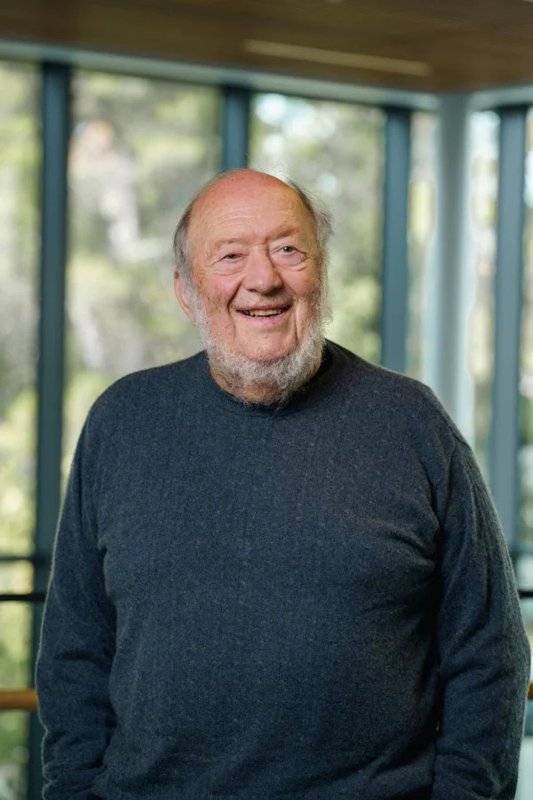
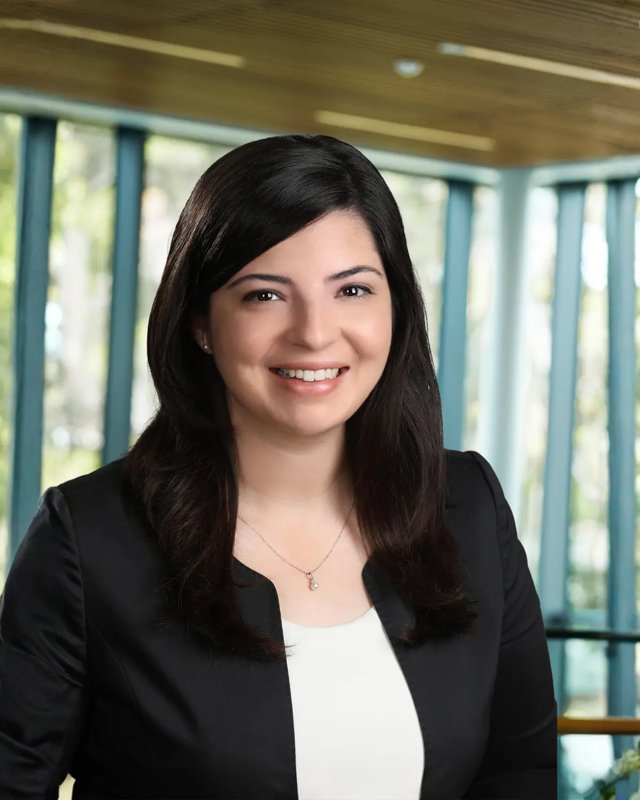
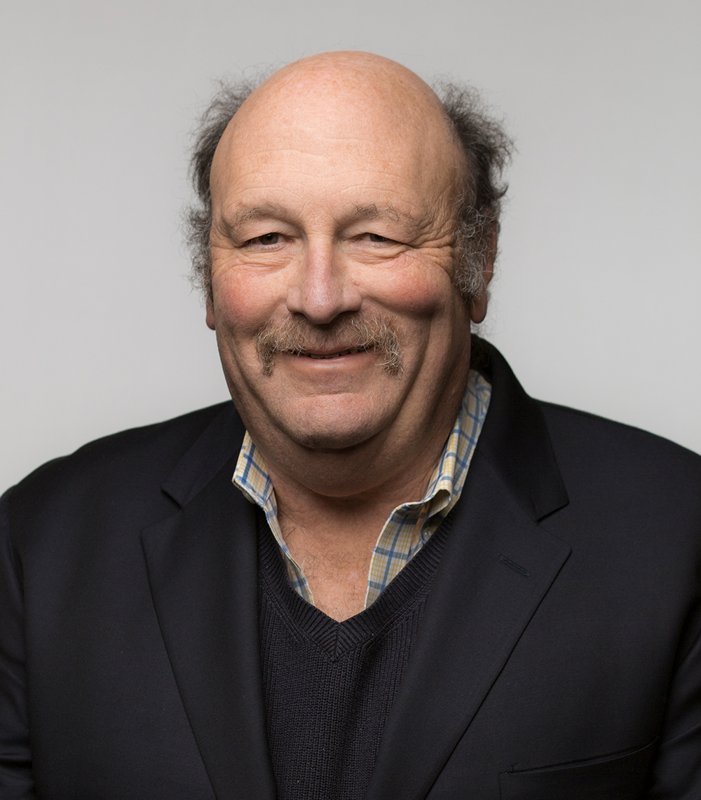
Pheast Therapeutics was founded in 2020 by Irv Weissman, Ravi Majeti, Amira Barkal, and Roy Maute.


Board

Investors · 5

How we know: ARCH Venture Partners's portfolio page · board seat on SEC Form D · funding news · prnewswire.com · the VCSheet dataset · open dataset · 5k.vc investor directory · Not right? Tell us

How we know: Catalio Capital Management, LP's portfolio page · Not right? Tell us
How we know: prnewswire.com · Not right? Tell us
How we know: a partner's Signal profile · prnewswire.com · Not right? Tell us
Also in the syndicate · 1
Reported raises · per SEC filings
Form D private placements$99.8M disclosed across 2 of 3 rounds · 2022–2025
▶$24.6MraisedOct 2025 · 7 investors · Other TechnologyRule 506(b)
- Irving WeissmanDirector
- Roy MauteExecutive Officer, Director
- Raphael RousseauExecutive Officer
- Steven GillisDirector
- Jacob VogelsteinDirector
- Amira BarkalDirector
- Thomas MartyExecutive Officer
- Offering amount
- $40M
- Amount sold
- $24.6M
- First sale
- Oct 2025
- Incorporated
- Corporation, Delaware, 2020
- Federal exemptions
- 06b
▶$75.3MraisedApr 2025 · 7 investors · Other TechnologyRule 506(b)
- Amira BarkalDirector
- Roy MauteExecutive Officer, Director
- Jacob VogelsteinDirector
- Irving WeissmanDirector
- Steven GillisDirector
- Offering amount
- $75.3M
- Amount sold
- $75.3M
- First sale
- Jan 2022
- Incorporated
- Corporation, Delaware, 2020
- Federal exemptions
- 06b
Source: SEC EDGAR Form D. Amounts as filed; amended filings shown once at their latest values.
Company profile
researched Aug 2026Pheast Therapeutics is an immuno-oncology company developing therapies that activate the innate immune system, specifically macrophages, against solid tumors. Its scientific premise is that cancer cells evade macrophage-mediated phagocytosis by expressing checkpoint or "don't eat me" signals; Pheast develops antibodies that block these signals so that tumor-infiltrating macrophages detect, engulf, and kill cancer cells. The company's founding discovery, published in Nature in 2019 (Barkal et al.), identified CD24 as a macrophage checkpoint acting through the inhibitory receptor Siglec-10, with high CD24 expression observed in ovarian and breast cancers.
The lead program, PHST001, is a humanized anti-CD24 IgG4 monoclonal antibody engineered to bind all glyco-variants of CD24 and to block the CD24–Siglec-10 interaction. Pheast describes CD24 as a potential advantage over prior macrophage checkpoint targets because it is not expressed on red blood cells and platelets, cell types that created safety challenges for other approaches. PHST001 entered a multicenter, open-label Phase 1 study in adults with advanced relapsed and/or refractory solid tumors (NCT06840886), planned to enroll up to 80 patients, with primary objectives of safety, tolerability, and establishing a recommended Phase 2 dose, and secondary endpoints covering pharmacokinetics and early anti-tumor activity. Company communications describe advancement into Phase 1b combination cohorts in 2026 and initial Phase 1a data presented at AACR 2026.
Beyond PHST001, the pipeline includes PHST677, a bispecific antibody-drug conjugate targeting CDH1 and Nectin-4 (IND-enabling), an undisclosed program PHST002 (IND-enabling), and PHST004 (discovery). Pheast states it applies the same genetic and molecular screening technologies used to find CD24 to identify additional macrophage checkpoints and tumor-specific antigens, including approaches adding cytotoxic payloads, and is exploring macrophage-directed approaches in inflammation indications beyond oncology.
Founding story
The foundational research originated in Irv Weissman's laboratory at the Stanford University Institute for Stem Cell Biology and Regenerative Medicine, where the cofounders met and trained. Amira Barkal, working on her doctoral thesis in the Weissman lab, identified CD24 as a macrophage checkpoint signaling through Siglec-10, published in Nature in 2019. Pheast was founded in 2020 as a spinout of the Weissman lab by Barkal, Weissman, Ravi Majeti, and Roy Maute.
Business model
Pheast is a therapeutics developer that discovers and advances proprietary antibody candidates through preclinical and clinical development; it is venture-funded and has no disclosed commercial products or revenue.
Traction
PHST001 is in a Phase 1 multicenter, open-label study (NCT06840886) enrolling up to 80 patients with advanced relapsed and/or refractory solid tumors; the first patient was treated in April 2025 and the trial was actively recruiting as of June 2025. FDA Fast Track designation was granted in June 2025 for platinum-resistant ovarian cancer and, in combination with chemotherapy, platinum-sensitive ovarian cancer. Three additional programs (PHST677, PHST002, PHST004) are in IND-enabling or discovery stages. The company has presented at AACR, ASCO, SITC, AACR-NCI-EORTC, and PEGS Boston, and published in Nature (2019) and Clinical Cancer Research (2026).
Latest developments
In 2026, Pheast reported advancing PHST001 into Phase 1b combination cohorts (March 2026), presented initial Phase 1a clinical data and preclinical studies at AACR 2026 (April 2026), presented preclinical data on the bispecific ADC PHST677 at the PEGS Boston Summit (May 2026), announced a Clinical Cancer Research publication on PHST001 anti-tumor activity (July 2026), and hosted a KOL webinar on macrophage checkpoint biology (August 2026).
▸Full profile — market position, technology, go-to-market, geography, history, risks & controversies
Market position
Pheast positions itself as the developer of the first CD24 macrophage checkpoint inhibitor, extending the innate immune checkpoint field beyond CD47. Several founders were involved in the CD47 work and Forty Seven Inc., which Gilead Sciences acquired in 2020. The company frames CD24 as addressing indications where existing immunotherapies and other macrophage checkpoint inhibitors have shown limited clinical impact.
Unlike T-cell-directed cancer immunotherapies, Pheast targets innate immune (macrophage) checkpoints. The company cites CD24's absence on red blood cells and platelets as a safety differentiator versus other macrophage checkpoint targets, PHST001's binding of all CD24 glyco-variants, reported strong preclinical monotherapy efficacy in solid tumor models relative to other macrophage checkpoint inhibitors, and CD24 expression as a negative prognostic marker supporting patient selection.
Technology
A proprietary discovery platform that uses screening technologies to uncover novel "don't eat me" signals and macrophage checkpoints across cancer types, paired with antibody engineering. PHST001 is a humanized anti-CD24 hIgG4 antibody designed to bind all CD24 glyco-variants and retain activity in the presence of competing IgG. The company also engineers bispecific antibody-drug conjugates (PHST677 targeting CDH1 and Nectin-4) and is developing clinical biomarker strategies for macrophage checkpoint inhibitors used alone or with immunotherapies, tumor-targeting antibodies, and chemotherapy.
Go-to-market
Development is pursued through company-sponsored clinical trials at multiple centers; the company solicits inquiries from investigators and partners regarding its Phase 1 study and maintains a compassionate use / expanded access policy. Scientific visibility is built via conference presentations (AACR, ASCO, SITC, AACR-NCI-EORTC, PEGS Boston), peer-reviewed publications, and KOL webinars.
Patients with aggressive, difficult-to-treat solid tumors that overexpress CD24, including ovarian cancer, triple-negative breast cancer, colorectal cancer, and cholangiocarcinoma; clinical investigators and oncologists are the direct trial-facing audience.
Geography
U.S.-based; press releases were issued from Palo Alto, California (2022) and Redwood City, California (2025). Clinical activity is described as a multicenter study.
History
Founded in 2020 as a Stanford spinout, Pheast raised a $76 million Series A in April 2022 while a preclinical-stage company based in Palo Alto, California. It unveiled first preclinical data for PHST001 in May 2024 and presented additional preclinical data at SITC in November 2024. Raphaël Rousseau was appointed Chief Medical Officer in February 2025. The first patient was treated in the PHST001 Phase 1 trial in April 2025, and the FDA granted Fast Track designation for PHST001 in ovarian cancer in June 2025, at which point the company described itself as clinical-stage and based in Redwood City, California. In 2026, the company reported advancing into Phase 1b combination cohorts, presented initial Phase 1a data at AACR, presented preclinical data on PHST677 at PEGS Boston, and announced a publication in Clinical Cancer Research.
Risks & controversies
The company is clinical-stage with its lead asset only in Phase 1/1b; no efficacy has been established in registrational trials. Three of four pipeline programs remain preclinical, two with undisclosed targets. Sources note that prior macrophage checkpoint targets, including CD47, encountered safety challenges in sensitive hematopoietic cell types and that other macrophage inhibitors have not yet demonstrated clinical impact in the indications Pheast is pursuing.
Compiled by commissioned research from 8 cited public sources — announcements, filings, and press listed under research sources below.
Key figures
latest reportedCompany-reported or press-reported figures, each dated to when it was claimed — not independently audited.
Related companies · 4


Companies working in the same space as Pheast Therapeutics.
Timeline · 10
launches, deals, and filingsPHST677 is a bispecific antibody-drug conjugate targeting CDH1 and Nectin-4.
Company reported early clinical activity and target engagement for PHST001.
Fast Track designation covers treatment of advanced platinum-resistant ovarian cancer and use in combination with chemotherapy in platinum-sensitive ovarian cancer.
Rousseau previously served as CMO at Gritstone Bio, Neogene Therapeutics, and Day One Biopharmaceuticals, and was global franchise head of pediatrics at Genentech/Roche.
Presentation: PHST001, a humanized anti-CD24 antibody, induces phagocytosis of human tumor cells in vitro and tumor clearance in vivo (Kahn et al., 2024).
Series A financing led by Catalio Capital Management and ARCH Venture Partners, with participation from Alexandria Venture Investments and Risk and Reward (R2), to expand teams and advance innate immune checkpoint inhibitors toward the clinic. Jacob Vogelstein of Catalio joined the board.
$76M source ↗
Dated company events from announcements, filings, and press; legal rows summarize public dockets and regulator releases.
Legal entities · 1
corporate structureIn the news
▸Research sources · 8
primary sources listed
- Pheast Therapeuticspheast.com · web
8 public sources were cited for this profile; the first-party ones are listed here.
Frequently asked questions
- What does Pheast Therapeutics do?
- Clinical-stage immuno-oncology company developing macrophage checkpoint inhibitors, led by anti-CD24 antibody PHST001.
- Who founded Pheast Therapeutics?
- Pheast Therapeutics was founded by Irv Weissman, Ravi Majeti, Amira Barkal, Roy Maute in 2020.
- Who are Pheast Therapeutics's investors?
- Pheast Therapeutics's investors include ARCH Venture Partners, Catalio Capital Management, LP, Alexandria, Catalio Capital Management.
- How much funding has Pheast Therapeutics raised?
- Pheast Therapeutics has disclosed $99.8M raised across 2 of its 3 known rounds.
- Where is Pheast Therapeutics headquartered?
- Pheast Therapeutics is headquartered in Redwood City, US.