
Persephone Biosciences
YC W18San Diego, US · Founded 2017 · Delaware corporation · 6 employees · 9 known investors
Find your way into Persephone Biosciences
132 people in our graph share verified history with the Persephone Biosciences team — schools, employers, funds. One of them is your warm intro.

Persephone Biosciences develops a synbiotic (probiotic and prebiotic combination) supplement for infants designed to replenish key beneficial gut bacteria. The product targets parents seeking to support their babies' digestive health, immune development, and overall microbiome health.
Also known as Persephone Biome · Persephone Biosciences Inc.
Founders & leadership· Y Combinator alumni (W18)
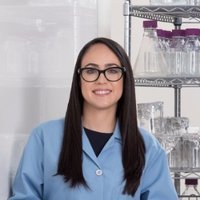
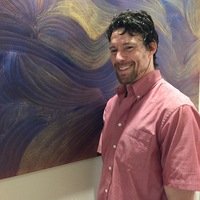
Persephone Biosciences was founded in 2017 by Stephanie Culler and Stephen Van Dien.
Investors · 9




Also in the syndicate · 1
Funding
SEC filings, press & company announcements$317K disclosed across 1 of 4 rounds · 2021–2025
▶$317KraisedMar 2021 · 24 investors · BiotechnologyRule 506(b)
- Stephen Van DienExecutive Officer, Director
- Stephanie CullerExecutive Officer, Director
- Offering amount
- $317K
- Amount sold
- $317K
- Minimum investment
- $10K
- First sale
- Feb 2021
- Incorporated
- Corporation, Delaware, 2017
- Federal exemptions
- 06b
Source: SEC EDGAR Form D. Amounts as filed; amended filings shown once at their latest values.
Company profile
researched Aug 2026Persephone Biosciences is a San Diego-based synthetic biology company that develops microbiome-based medicines and consumer health products. Its stated mission is to establish a standard of care for the human gut microbiome through research, clinically tested products, and a platform technology for engineering microbial cells. The company describes itself as building an end-to-end platform to industrialize the development of engineered cells intended to restore damaged human microbial ecosystems, with applications spanning infant health and oncology.
Its commercial products are synbiotics for infants and toddlers that combine four keystone probiotic strains, including Bifidobacterium, with a human milk oligosaccharide (HMO) prebiotic blend and vitamin D at 100% of the daily recommended value for infants. The company positions the formulation as derived from strains identified and isolated in its own My Baby Biome study, which it describes as the largest U.S. study mapping the infant gut microbiome and which reported that nine out of ten U.S. babies lack essential levels of critical gut bacteria. Products are marketed as third-party tested, screened for heavy metals and major allergens, Clean Label Project certified, DNA-sequenced by batch, and manufactured in the USA.
Alongside consumer products, Persephone runs a research program that includes the ARTEMIS synbiotic clinical trial, the ARGONAUT study (NCT04638751) mapping the gut and immune health of cancer patients, and the AMBROSIA food-as-medicine study conducted with Kroger Health.
Founding story
Co-founder and CEO Stephanie Culler, a microbiome scientist, describes having studied the microbiome for over a decade and identifying a gap in infant gut health after becoming a mother; conversations with pediatric experts and results from the company's My Baby Biome study indicated that most babies lack key gut microbes, prompting the product effort. The company was founded in the summer of 2017 by Culler and Steve Van Dien, described as synthetic and metabolic engineering specialists. The name references the Greek goddess Persephone, associated with growth and with the pomegranate, a fruit with prebiotic effects.
Business model
The company sells synbiotic supplements for infants and toddlers directly to consumers through an online storefront on its own website, while also developing microbiome-based therapeutic programs and a platform technology described as being advanced with industry partners.
Revenue is generated from sales of infant and toddler synbiotic supplement products purchased through the company's online store; third-party profiles also describe partnership- and services-oriented activity alongside the direct-to-consumer line.
Traction
The company reports completion and publication of the ARTEMIS randomized, double-blind, placebo-controlled clinical trial in Pediatric Research, finding its strains were safe, well tolerated, colonized, and persisted. It has also completed the My Baby Biome study and operates the ARGONAUT and AMBROSIA studies. Team size was listed at 6 in a Y Combinator profile and at 18 in a later third-party firmographic listing.
▸Full profile — market position, technology, go-to-market, geography, history
Market position
The company positions its product as the first complete synbiotic for infants and toddlers and as clinically validated in a randomized, double-blind, placebo-controlled study. Third-party listings identify comparable companies including Kanvas Biosciences, BiomeSense, and Microbiotica. Press coverage of the company's infant microbiome research has appeared in Scientific American, Gizmodo, and Axios, the latter framing baby probiotics as an emerging category in baby products.
Technology
Persephone applies synthetic and systems biology to the gut microbiome, developing live biotherapeutic products that modulate the metabolism of gut microbes and engineered cells intended to restore human microbial ecosystems. Its consumer formulation pairs isolated keystone Bifidobacterium and other probiotic strains with human milk oligosaccharide prebiotics selected to support colonization and persistence. Research inputs include large cohort studies of the infant gut microbiome and of the gut-immune axis in cancer patients; third-party profiles also describe use of artificial intelligence, computational biology, and multi-omics in its work.
Go-to-market
Direct-to-consumer e-commerce for infant and toddler synbiotic products, supported by published clinical research, third-party certifications, endorsements from pediatricians and microbiome scientists, media coverage, social channels, and a newsletter; research collaborations with pharmaceutical and retail partners support its clinical programs.
Parents of infants and toddlers purchasing gut health supplements, together with pharmaceutical, research, and retail partners for its clinical and food-as-medicine studies.
Geography
Headquartered in San Diego, California, with research studies conducted in the United States and probiotic blend manufacturing stated to be in the USA.
History
The company was founded in the summer of 2017 by Stephanie Culler, Ph.D., and Steve Van Dien, Ph.D., and participated in Y Combinator's Winter 2018 batch. It initially focused on live biotherapeutic products for the gut microbiome with applications in cancer, launching the ARGONAUT trial and, in December 2021, a collaboration with Janssen Biotech on the study's colorectal cancer arm. In April 2022 it announced a collaboration with Ginkgo Bioworks on synthetic biology tooling, and in July 2022 it closed a $15 million seed round. It subsequently conducted the My Baby Biome study and commercialized an infant and toddler synbiotic, with results from its ARTEMIS trial published in Pediatric Research.
Compiled by commissioned research from 8 cited public sources — announcements, filings, and press listed under research sources below.
Key figures
latest reportedCompany-reported or press-reported figures, each dated to when it was claimed — not independently audited.
Founder mafia
2 people who came through Persephone Biosciences went on to found or lead other companies.
Competitors · 3
by search overlap

Companies competing with Persephone Biosciences for the same Google search keywords, organic and paid, via search-intersection analysis.
Timeline · 6
launches, deals, and filingsResults of the company's randomized, double-blind, placebo-controlled ARTEMIS trial of its infant synbiotic were published in Pediatric Research, a Nature Portfolio journal; the company reports the product was safe and well tolerated versus placebo and that its Bifidobacterium strains colonized and persisted.
ARGONAUT (NCT04638751) is described by the company as the largest study conducted in the U.S. to identify biomarkers for cancer treatment and prevention by mapping the gut-immune axis.
Persephone announced a collaboration with Ginkgo Bioworks to enable the synthetic biology tools needed to develop the next generation of microbial therapies.
Persephone announced a collaboration with Kroger Health to launch the AMBROSIA study researching how diet and lifestyle impact the gut microbiome.
Persephone announced that Janssen Biotech, one of the Janssen Pharmaceutical Companies of Johnson & Johnson, would collaborate on the colorectal cancer patient arm of the ARGONAUT study and on an arm of additional healthy individuals with varying cancer risk.
Persephone Biosciences participated in Y Combinator's Winter 2018 batch.
Dated company events from announcements, filings, and press; legal rows summarize public dockets and regulator releases.
Legal entities · 1
corporate structureIn the news
▸Research sources · 8
primary sources listed
- Persephone Biosciencespersephonebiosciences.com · web
8 public sources were cited for this profile; the first-party ones are listed here.
Frequently asked questions
- What does Persephone Biosciences do?
- Persephone Biosciences is a San Diego synthetic biology company developing microbiome-based products for infant and patient health.
- Who founded Persephone Biosciences?
- Persephone Biosciences was founded by Stephanie Culler, Stephen Van Dien in 2017.
- Who are Persephone Biosciences's investors?
- Persephone Biosciences's investors include BioBrit, Fifty Years, First Bight Ventures, Hemi Ventures, Llc, Ocampo Capital, Y Combinator, DCVC (Data Collective), Susa Ventures.
- How much funding has Persephone Biosciences raised?
- Persephone Biosciences has disclosed $317K raised across 1 of its 4 known rounds.
- Where is Persephone Biosciences headquartered?
- Persephone Biosciences is headquartered in San Diego, US.