 Fundraising Fox
Hepta
San Francisco, US · 6 employees on LinkedIn · 5 known investors
Find your way into Hepta
Sign up to see every warm intro you have to Hepta
- Paths you didn't know you had: your email and LinkedIn already hold routes to the Hepta team. We find them for you
- 2nd- and 3rd-degree connections: the friend-of-a-friend routes that take hours to manually find through your inbox or LinkedIn
- Answers now, not in days: momentum is everything in a raise. Skip asking around whether someone knows someone
Days of research, done the moment you sign in, with every route ranked by how warm it is.
Hepta develops LiquidTransformer, an AI platform for analyzing cell-free DNA fragments in blood to detect chronic disease molecular signals. The platform uses transformer-based models with attention mechanisms to identify disease biomarkers from liquid biopsy samples.
Also known as Hepta Bio · Hepta Bio, Inc
Founders & leadership
Investors · 5

How we know: press coverage · research · hepta.bio · av.vc · Not right? Tell us
How we know: Illumina Ventures's portfolio page · press coverage · the VCSheet dataset · research · hepta.bio · Not right? Tell us

How we know: press coverage · research · hepta.bio · Not right? Tell us

How we know: funding news · press coverage · research · hepta.bio · Not right? Tell us

How we know: press coverage · research · hepta.bio · Not right? Tell us
Company profile
researched Aug 2026Hepta (Hepta Bio, Inc.) is a US biotechnology company developing non-invasive liquid biopsy diagnostics for chronic disease, beginning with metabolic dysfunction-associated steatohepatitis (MASH). Its platform, LiquidTransformer, applies transformer-based AI with attention mechanisms to epigenetic (methylation) patterns in cell-free DNA in plasma, assessing the significance of individual fragments at the single-molecule level in order to infer tissue-level biology — for MASH, liver inflammation and fibrosis — from a standard blood draw. The company frames the technical problem as distinct from oncology liquid biopsy: rather than rare, distinct mutations or copy-number changes, chronic diseases produce subtle methylation shifts across millions of genomic sites, which the company says it addresses by processing large numbers of molecular interactions simultaneously rather than analyzing the genome in smaller segments.
Three application areas are described. The foundational platform was validated in the company's MASH Atlas, a paired plasma-tissue multiomics study developed with researchers at Duke University and other hepatology centers, which the company says shows concordance between cfDNA methylation and liver tissue methylation and gene expression. A diagnostic application aims to identify patients with clinically significant MASH fibrosis (F2-F3) who are eligible for current and emerging therapies; the company reported a diagnostic area under the curve of 0.86 for significant fibrosis, which it says would cut false positives threefold relative to existing blood tests and outperform guideline tests such as FIB-4. A therapy-response application uses differentially methylated pathways to distinguish MASH patients who respond to GLP-1 therapy from those who do not before treatment begins, and to support response monitoring and mechanism-of-action analysis.
The company positions MASH as a large diagnostic gap, citing roughly 20 million Americans affected, about 7 million eligible for treatment, and fewer than 10 percent diagnosed today, against a current pathway of invasive biopsy, scarce specialized imaging, and legacy blood scores that misclassify patients. Its stated model is patented. Beyond MASH, secondary sources report plans to extend the platform to other chronic diseases sharing similar biology.
Founding story
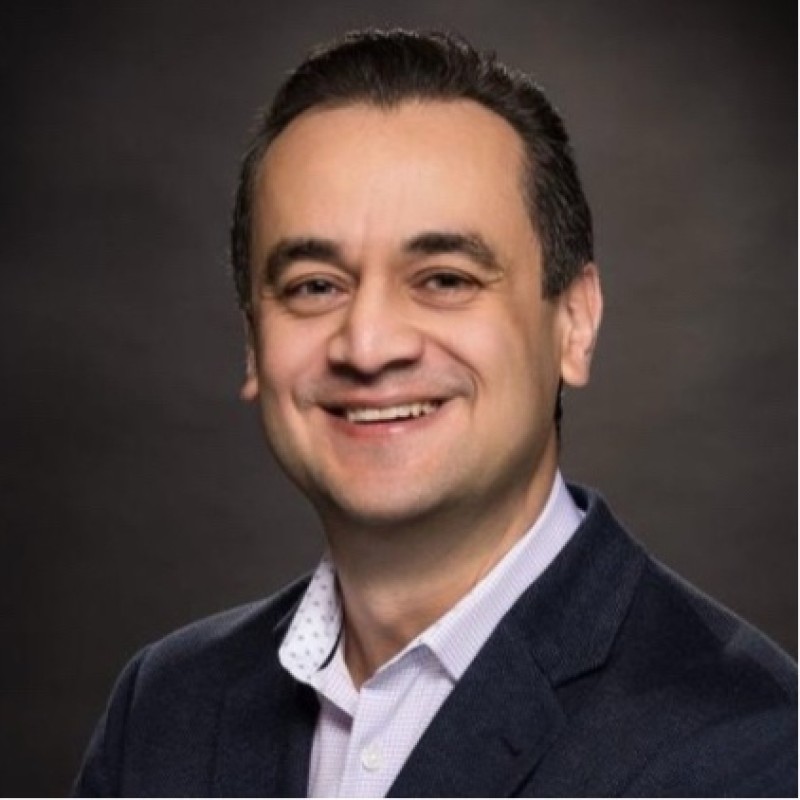
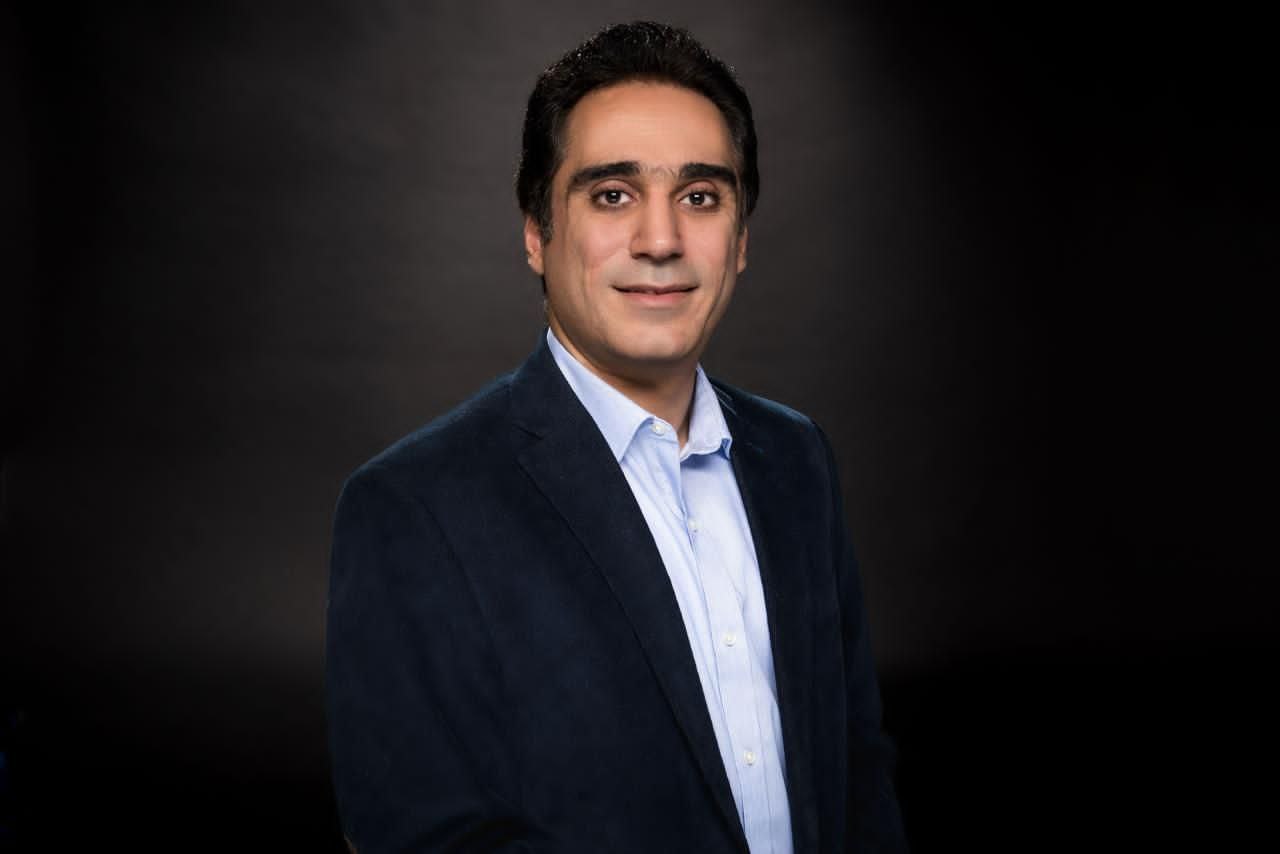
Hepta was co-founded by CEO Hamed Amini, PhD, formerly director of bioinformatics and data science at Grail, and CTO Soheil Damangir, PhD, formerly a principal scientist at Grail; one source describes Damangir as previously with Google and Amini as formerly of Grail and Illumina, and coverage characterizes the team as Illumina, GRAIL and Google veterans. Rohit Loomba, MD MHSc, chief of the Division of Gastroenterology and Hepatology and director of the MASLD Research Center at UC San Diego, serves as chief medical and scientific advisor. Sources disagree on the founding year, citing either 2021 or 2022.
Business model
Hepta is described as a B2B diagnostics business: clinical laboratories and healthcare institutions would incorporate its blood-based testing into services delivered to patients, with providers paying per test performed as part of standard care workflows. The company is pre-commercial, with seed proceeds allocated to regulatory milestones and commercialization work rather than existing product revenue. Secondary sources also list clinical trial diagnostics and data-oriented services among its verticals.
No revenue is disclosed in the sources. A third-party profile describes an expected per-test, B2B model in which clinical laboratories and healthcare institutions pay for each test performed, with pricing reflecting the technology and insights provided; the MASH diagnostic is described as the flagship service intended to generate a sustainable revenue stream.
Traction
Traction is scientific and financial rather than commercial: a $6.7 million seed round announced 5 November 2025; a paired plasma-tissue MASH Atlas built with Duke University and other hepatology centers; reported diagnostic AUC of 0.86 for significant MASH fibrosis with a claimed threefold reduction in false positives versus existing blood tests; validation described across multiple biopsy-confirmed cohorts; five listed conference presentations from EASL 2025 through DDW 2026, several as oral podium talks, with manuscripts in submission or preparation; a 15-member external advisory group of hepatology specialists; and media coverage in Endpoints News, GenomeWeb, The Scientist, Diagnostics World, Fortune, WSJ Pro, Axios and the San Francisco Business Times.
Latest developments
In May 2026 Hepta announced blood-based epigenetic signatures of GLP-1 response, reporting that cfDNA methylation patterns distinguish responders from non-responders in obesity and MASH before treatment starts, with related work slated for oral presentation at Digestive Disease Week 2026. Additional 2026 oral podium presentations are listed for EASL Congress 2026 (multi-cohort validation of AI-powered cfDNA methylation profiling to identify treatment-eligible MASLD patients) and MASH-TAG 2026 (plasma cfDNA methylation for 'virtual pathology' of MASH validated against liver methylation, gene expression, and single-cell multi-omics). Market-signal data reported headcount growth from three to six employees as of May 2026. Secondary reporting indicates plans to launch products addressing additional chronic diseases in 2026.
▸Full profile — market position, technology, go-to-market, geography, history, risks & controversies
Market position
Hepta is an early-stage, seed-funded private company positioning itself in the gap between invasive liver biopsy, scarce specialized imaging, and existing non-invasive blood scores such as FIB-4 for MASH diagnosis and treatment selection. It frames MASH as the largest chronic disease diagnostic gap in the US and argues that the arrival of approved MASH therapies increases the need for an accurate blood-based triage test. Third-party datasets classify it as angel/seed stage in biotechnology, healthcare IT and medical AI, and list comparable companies including AGED Diagnostics, Glycotest and EarlyDiagnostics.
Hepta describes LiquidTransformer as the first liquid biopsy-native AI platform built specifically for the faint molecular signal regime of chronic disease, in contrast to cancer-oriented liquid biopsy methods that look for rare, distinct mutations, copy-number variation, or unique epigenetic changes. Technical differentiators cited are single-molecule attention-based weighting of cfDNA fragments, simultaneous processing of very large numbers of molecular interactions rather than segment-by-segment genome analysis, and a patented model architecture. Clinically, the company points to a reported AUC of 0.86 for significant MASH fibrosis with a threefold reduction in false positives versus existing blood tests, validation across multiple biopsy-confirmed cohorts, and validation of blood signals against paired liver tissue methylation, gene expression, and single-cell multi-omics.
Technology
LiquidTransformer is a patented transformer-based model that reads epigenetic (methylation) patterns in cell-free DNA from plasma. It uses attention to determine the significance of individual cfDNA fragments at single-molecule level and, according to the CTO, processes all molecular interactions simultaneously rather than analyzing the genome in smaller segments, in order to detect subtle methylation shifts distributed across millions of genomic sites — the signal regime characteristic of chronic disease rather than cancer. Outputs are intended to reflect the molecular state of the source tissue, enabling inference of liver pathway activation, inflammation and fibrosis from blood. Validation rests on the MASH Atlas, an ultra-deep paired liver-tissue and plasma cfDNA methylation sequencing study combined with gene expression and single-cell multi-omics, plus multiple biopsy-confirmed cohorts.
Go-to-market
The company's near-term go-to-market is evidence generation and clinical validation: peer-reviewed conference presentations (EASL 2025, AASLD The Liver Meeting 2025, MASH-TAG 2026, EASL 2026, DDW 2026), manuscripts in submission or preparation, and collaborations with academic hepatology centers and a large scientific advisory board of hepatology key opinion leaders. Seed funding is designated for dataset expansion, platform scaling, regulatory milestones, and commercialization to bring the assay into clinical use. The company also solicits collaborations with clinicians, researchers, and partners via its website.
Clinicians and healthcare providers managing patients with suspected MASH or MASLD, including primary and non-tertiary care settings where liver biopsy and specialized imaging are unavailable; clinical laboratories and healthcare institutions as purchasers; and, indirectly, drug developers and researchers, given the therapy-response and mechanism-of-action applications and clinical-trial diagnostics vertical.
Geography
Headquarters are reported in the San Francisco Bay Area, California (San Francisco per several sources; Preqin lists 'California City, CA'). Clinical and academic collaborators span the United States (Duke, UCSD, Mayo Clinic, Mount Sinai, Cleveland Clinic, UCSF, University of Chicago, Virginia Commonwealth, Saint Louis University, Houston Methodist) and Europe and Asia (Saarland University in Germany, Newcastle University in the UK, Sorbonne University in France, KTH in Sweden, and the Chinese University of Hong Kong). One secondary source reports an intention to expand into international markets in Europe and Asia in coming years.
History
Sources give conflicting founding years: Preqin and GenomeWeb state 2022, while Caplight and Startup Intros state 2021. The company operated in stealth before announcing its $6.7 million seed round and public launch on 5 November 2025 (one aggregator instead says it emerged from stealth in 2023). Around the launch it published a multi-omic MASH atlas (10 November 2025) and presented the paired liver-tissue/plasma cfDNA methylation atlas at AASLD The Liver Meeting 2025. Subsequent milestones listed on its site include EASL Congress 2025 and 2026 presentations, MASH-TAG 2026, DDW 2026, and a 5 May 2026 release on epigenetic signatures of GLP-1 response.
Risks & controversies
No controversies are reported in the sources. Risk-relevant observations: the company is pre-commercial with a single disclosed seed round of $6.7 million and a headcount reported at six; regulatory pathways and commercialization are stated goals rather than achievements; key clinical claims (AUC 0.86, threefold false-positive reduction, GLP-1 response prediction) originate from company statements with manuscripts still in submission or preparation rather than published peer-reviewed papers. Source records also conflict on basic firmographics — founding year (2021 vs. 2022), stealth exit year, headquarters designation (San Francisco vs. 'California City, CA'), and employee count (6 vs. an implausible '10000+' listing) — indicating limited third-party verification.
Compiled by commissioned research from 8 cited public sources — announcements, filings, and press listed under research sources below.
Key figures
latest reportedCompany-reported or press-reported figures, each dated to when it was claimed — not independently audited.
Related companies · 6


Companies working in the same space as Hepta.
Timeline · 6
launches, deals, and filingsPress release stating that differentially methylated pathways in cfDNA distinguish MASH patients who respond to GLP-1 therapy from non-responders before treatment begins, presented as enabling precision medicine in obesity and MASH.
Scheduled presentations: a multi-cohort validation study of AI-powered cfDNA methylation profiling for identifying treatment-eligible MASLD patients (Prof. Jörn Schattenberg, EASL 2026) and a cfDNA methylation liquid biopsy for semaglutide weight-loss response in at-risk MASH (Prof. Rohit Loomba, DDW 2026).
Press release describing a multi-omic MASH atlas linking liver pathway biology to cell-free DNA methylation in blood.
Hepta Bio announced $6.7 million in seed financing co-led by Felicis Ventures and Illumina Ventures, with participation from SeaX Ventures, Alumni Ventures, and AME Cloud Ventures. Proceeds are earmarked for dataset expansion, platform scaling, regulatory milestones, and commercialization.
$6.7M source ↗
Press release announcing the launch of Hepta with what the company describes as the first liquid-biopsy-native AI platform for detecting liver disease with tissue-level biological insights.
Presentation by Prof. Anna Mae Diehl (Duke University): 'An Epigenetic Atlas of MASH: Ultra-Deep Paired Liver Tissue and Plasma cfDNA Methylation Sequencing Enables Non Invasive Measurement of Pathways Activation.'
Dated company events from announcements, filings, and press; legal rows summarize public dockets and regulator releases.
In the news
▸Research sources · 8
primary sources listed
- Heptahepta.bio · web
8 public sources were cited for this profile; the first-party ones are listed here.
Frequently asked questions
- What does Hepta do?
- Hepta builds LiquidTransformer, an AI cfDNA-methylation liquid biopsy platform for MASH and other chronic diseases.
- Who founded Hepta?
- Hepta was founded by Hamed Amini, Soheil Damangir.
- Who are Hepta's investors?
- Hepta's investors include Alumni Ventures, Illumina Ventures, AME Cloud Ventures, Felicis Ventures, SeaX Ventures.
- Where is Hepta headquartered?
- Hepta is headquartered in San Francisco, US.