 Fundraising Fox
Curology
Unicorn · $1.1BFounded 2014 · 222 employees on LinkedIn · 6 known investors
Find your way into Curology
Sign up to see every warm intro you have to Curology
- Paths you didn't know you had: your email and LinkedIn already hold routes to the Curology team. We find them for you
- 2nd- and 3rd-degree connections: the friend-of-a-friend routes that take hours to manually find through your inbox or LinkedIn
- Answers now, not in days: momentum is everything in a raise. Skip asking around whether someone knows someone
Days of research, done the moment you sign in, with every route ranked by how warm it is.
Curology offers personalized prescription skincare, connecting customers with licensed dermatology providers who prescribe custom-strength formulas of up to three active ingredients to treat acne and other skin concerns. The service is direct-to-consumer, delivering prescribed treatments and non-prescription products based on an online skin consultation.
Also known as PocketDerm
Founders & leadership
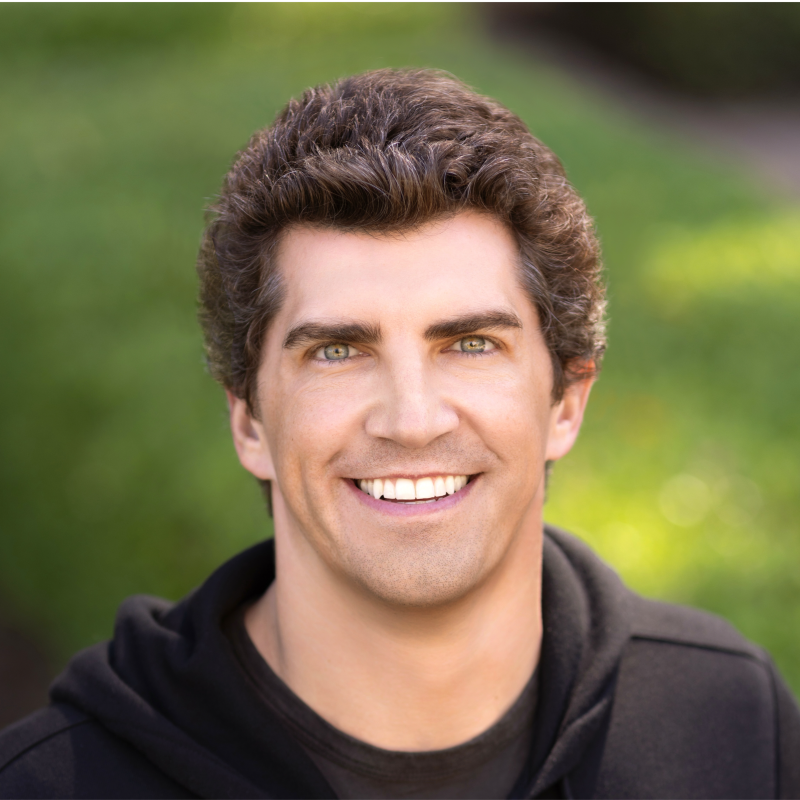
Curology was founded in 2014 by David Lortscher, MD.
Investors · 6

How we know: open dataset · 5k.vc investor directory · Not right? Tell us
How we know: a partner's Signal profile · the VCSheet dataset · research · prnewswire.com · Not right? Tell us
How we know: Advance Venture Partners's portfolio page · a partner's Signal profile · open dataset · 5k.vc investor directory · Not right? Tell us


Also in the syndicate · 1
Funding
SEC filings, press & company announcements$30M disclosed across 2 of 6 rounds · 2016–2021
Source: company announcements and press reports — follow each round's link for the claim.
Valuation · disclosed
Disclosed eventsSource: SEC prospectus filings, and round valuations the company or its investors disclosed — follow each entry's link for the claim.
Company profile
researched Aug 2026Curology is a personalized skincare company that combines asynchronous teledermatology with compounded prescription products. Patients complete an online consultation and upload photos of their skin; a dermatology provider licensed in the patient's state reviews the case and, where appropriate, prescribes a custom topical formula built from clinically studied active ingredients such as tretinoin, azelaic acid and clindamycin. Formulas are shipped on a recurring schedule and can be adjusted over time, and subscribers can message their provider for ongoing support.
The prescription line includes Custom Formula Rx (acne, rosacea, dark spots and related concerns), DayPrime Rx (an acne treatment and makeup primer), HydroTret Rx (a hydrating tretinoin-based treatment for texture), Body Cleanse Rx (an in-shower body acne wash) and Hair Formula Rx for hair growth. Alongside prescriptions, Curology sells non-prescription routine items — cleansers, gel and cream moisturizers, hydration serums and eye gel, vitamin C and dark spot serums, SPF lotion, acne body wash, spot patches, lip balms and bundled kits — priced from roughly $6 to $60. Coverage extends to all 50 states, supported by a network of more than 100 licensed dermatology providers.
One secondary account describes Curology as having launched in 2014 under the name PocketDerm and rebranded to Curology in 2015, initially focused narrowly on acne for teens and young adults, before expanding into anti-aging and hair loss; the same account describes the company as having since become a hybrid of the telemedicine prescription business and a national over-the-counter skincare brand distributed through Target, CVS, Walmart and Amazon.
Founding story
Founder David Lortscher, MD, a dermatologist from a dermatology family, was practicing in New Mexico when he observed that combining multiple topical actives produced strong results for acne patients, while access was the limiting factor — patients drove hours for appointments and faced insurance friction and pharmacy costs. Volunteer work with the teledermatology nonprofit AccessDerm convinced him that many cases could be handled asynchronously via photos, leading him to found the company in 2014 to make dermatologist-level prescription skincare accessible nationwide.
Business model
Subscription-based direct-to-consumer sales of compounded prescription skincare, paired with à la carte and bundled over-the-counter products. Prescription formulas are sold on 30-day supply subscriptions (Custom Formula Rx and HydroTret Rx at $34.95, DayPrime Rx at $29.95, AM-to-PM two-formula routines at $59.90), with introductory offers giving a first 30-day box for a $5.45 shipping and handling charge, subject to a medical consultation. A 2016 announcement described one-on-one dermatology care with prescription-strength treatment at $20 per month. A secondary account describes an added retail channel selling non-prescription products through national chains.
Recurring subscription revenue from prescription formula shipments, supplemented by direct sales of non-prescription skincare products and kits, and, per a secondary account, wholesale/retail distribution of OTC products.
Traction
The company's site reports more than 1 million patients treated and over 5,000 five-star reviews on its homepage, and more than 5.5 million treated on its "Why Curology" page, supported by a network of more than 100 licensed dermatology providers. Self-reported outcome figures include 89% of 856 customers subscribed three or more months reporting the service effective, and 90.5% of 150 patients in a clinical trial reporting acne improvement at three weeks using Custom Formula Rx. The 2016 Series B announcement stated the business had grown 5x in the prior year. A secondary account cites approximately $180M revenue in 2020 and $200M+ in 2021.
Latest developments
Curology has announced a retail partnership with Walmart described as first-of-its-kind, intended to expand nationwide access to prescription acne care, and has launched DayPrime Rx, described as the first prescription acne treatment and makeup primer. Current product assortment includes Hair Formula Rx, HydroTret Rx, Body Cleanse Rx and seasonal kits, plus a licensed JOLLY RANCHER Blue Raspberry lip treatment.
▸Full profile — market position, technology, go-to-market, geography, history, risks & controversies
Market position
Positioned as a dermatologist-founded personalized prescription skincare provider operating in all 50 states, contrasting its prescription-strength, provider-selected formulas against one-size-fits-all over-the-counter skincare. A secondary account describes it as having become one of the largest DTC skincare businesses and, at its peak, a unicorn-valued telehealth company, before core prescription revenue declined as in-person dermatology returned post-pandemic.
Custom compounded prescription formulas combining up to three clinically studied actives selected per patient, access to prescription-only ingredients such as tretinoin, one-to-one messaging with a licensed dermatology provider, and iterative formula adjustment as skin changes, delivered without in-office visits or co-pays.
Technology
An asynchronous telehealth platform that collects a structured intake questionnaire and patient photos, routes cases to a state-licensed dermatology provider for review and prescribing, and supports ongoing provider messaging and formula adjustment. Fulfillment relies on compounded, individually labeled prescription formulas combining up to three active ingredients. A secondary account describes the requirements underpinning the model: state-by-state provider licensure, multiple professional medical entities, a licensed compounding pharmacy under FDA, state pharmacy board and USP standards, HIPAA-compliant handling of photos and records, and telehealth consent flows.
Go-to-market
Direct-to-consumer online acquisition funneling into an online skin consultation and photo upload. A secondary account describes early growth driven by provider-written educational content and SEO, free treatments given to skincare creators on YouTube and Instagram, before-and-after proof, referral credits concentrated in high-school and college networks, and press positioning as the "Warby Parker of skincare"; it also describes a later shift toward retail shelf distribution. The company has announced a retail partnership with Walmart to broaden access to prescription acne care.
Consumers seeking treatment for acne, hormonal and fungal acne, oiliness, rosacea, dark spots, hyperpigmentation, skin texture, fine lines and hair loss, particularly those with limited access to in-person dermatology. A secondary account notes the initial focus was acne among teens and young adults.
Geography
United States, with service available in all 50 states; headquartered in San Francisco, California, with an earlier San Diego presence reflected in a 2016 announcement.
History
Founded in 2014 by David Lortscher, MD. Per a secondary account, it launched as PocketDerm with a single acne-focused custom cream and rebranded to Curology in 2015, raised a $4.2M Series A from Forerunner, expanded from 36 states to all 50, and moved to a roughly $20/month subscription. A $15M Series B led by Advance Vixeid Partners was announced in August 2016, with further funding reported in 2018. The same secondary account describes revenue of roughly $180M in 2020 and over $200M in 2021 alongside a $50M Series D at a reported ~$1.15B valuation, followed by declining core prescription revenue as telehealth usage normalized and a repositioning into a hybrid telemedicine and national OTC retail brand.
Risks & controversies
A secondary account describes structural pressure on the model: high fixed costs from a 50-state provider network, compounding operations and regulatory compliance that did not contract as quickly as post-pandemic telehealth demand, leading to declining core prescription revenue and characterizing the period as a possible missed exit window. Operating in a heavily regulated category exposes the company to medical licensure, compounding pharmacy, privacy and prescription-advertising requirements. Efficacy statistics published on the company's site are self-reported by customers.
Compiled by commissioned research from 8 cited public sources — announcements, filings, and press listed under research sources below.
Key figures
latest reportedCompany-reported or press-reported figures, each dated to when it was claimed — not independently audited.
Founder mafia
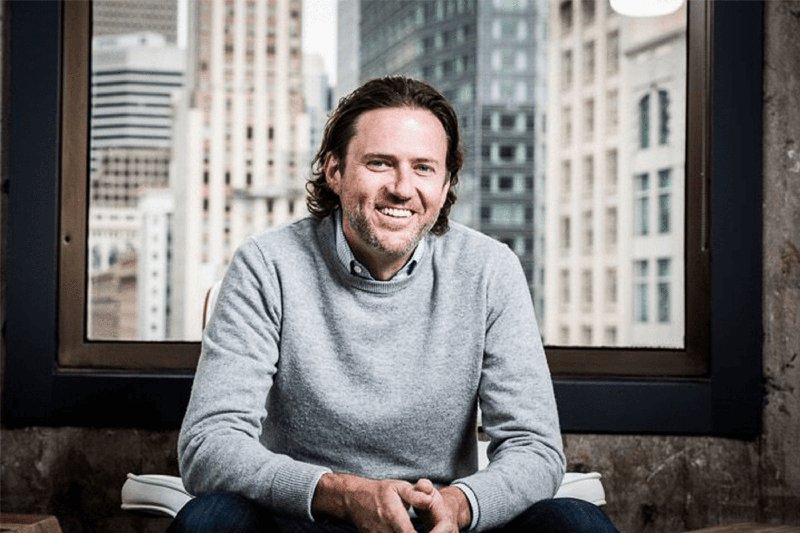
3 people who came through Curology went on to found or lead other companies.

Timeline · 6
launches, deals, and filingsA secondary account describes Curology operating as a hybrid of a telemedicine prescription business and a national over-the-counter skincare brand sold at Target, CVS, Walmart and Amazon.
Curology announced a retail partnership with Walmart, described as first-of-its-kind, to expand nationwide access to prescription acne care.
Product catalog includes Hair Formula Rx for hair growth, HydroTret Rx hydrating tretinoin treatment, and Body Cleanse Rx in-shower body acne treatment.
Curology launched DayPrime Rx, described as the first prescription acne treatment and makeup primer; the announcement referenced more than five and a half million patients.
Curology announced the completion of a $15 million Series B financing led by Advance Vixeid Partners with participation from prior investors Sherpa Capital and Forerunner Ventures, to scale its direct-to-consumer subscription prescription skincare business.
$15M source ↗
Per a secondary account, the company launched in 2014 as PocketDerm and rebranded to Curology in 2015.
Dated company events from announcements, filings, and press; legal rows summarize public dockets and regulator releases.
In the news
▸Research sources · 8
primary sources listed
- Curologycurology.com · web
8 public sources were cited for this profile; the first-party ones are listed here.
Frequently asked questions
- What does Curology do?
- Curology is a direct-to-consumer telederm service selling personalized prescription skincare formulas by subscription.
- Who founded Curology?
- Curology was founded by David Lortscher, MD in 2014.
- Who are Curology's investors?
- Curology's investors include 137 Ventures, ACME Capital, Advance Venture Partners, Forerunner Ventures, IVP (Institutional Venture Partners).
- How much funding has Curology raised?
- Curology has disclosed $30M raised across 2 of its 6 known rounds.