Teal Health
San Francisco, US · 8 known investors
Cervical cancer prevention platform enabling routine at-home self-collection.
Also known as getteal.com · Teal
Founders & leadership


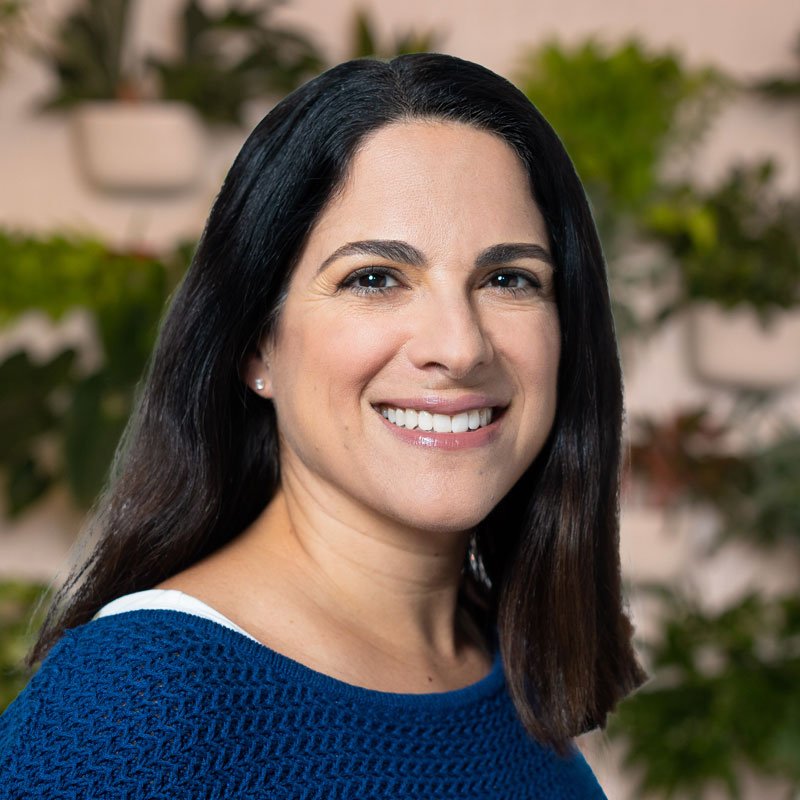
Board

Investors · 8



Also in the syndicate · 4
Reported raises · per SEC filings
Form D private placements$44.7M disclosed across 2 of 3 rounds · 2024–2026
▶$21.3MraisedAug 2026 · 40 investors · OtherRule 506(b)
- Kara EganExecutive Officer, Director
- Avnesh ThakorDirector
- Joseph DeSimoneDirector
- Matthew BettonvilleDirector
- Nicole JohnsonDirector
- Kathryn Taylor ReddyDirector
- Sarah RoseExecutive Officer
- Offering amount
- $23M
- Amount sold
- $21.3M
- First sale
- Aug 2026
- Incorporated
- Corporation, Delaware
- Federal exemptions
- 06b
▶$23.5MraisedJan 2025 · 74 investors · OtherRule 506(b)
- Avnesh ThakorDirector
- Joseph DeSimoneDirector
- Kara EganExecutive Officer, Director
- Matthew BettonvilleDirector
- Nicole JohnsonDirector
- Offering amount
- $23.5M
- Amount sold
- $23.5M
- First sale
- Nov 2024
- Incorporated
- Corporation, Delaware
- Federal exemptions
- 06b
Source: SEC EDGAR Form D. Amounts as filed; amended filings shown once at their latest values.
Company profile
researched Aug 2026Teal Health is a San Francisco-based women's health company focused on cervical cancer screening. Its product, the Teal Wand, is a self-collection device that a user inserts herself — described as working much like a tampon applicator with a large swab — to collect a vaginal sample that is mailed to a laboratory and run on the same FDA-approved primary HPV test used in clinics. The FDA authorized the device in May 2025, making it the first at-home cervical cancer screening self-collection option cleared in the United States; it had previously received FDA Breakthrough Device designation.
The device is paired with a telehealth service: patients complete an eligibility form, order a kit, and meet virtually with a provider from the Teal Medical practice before collecting a sample. Results are returned through a secure portal in about a week, reviewed by a Teal provider, with virtual follow-up visits and coordination of in-person referral care when results indicate additional steps are needed. The company states the workflow takes roughly 15 minutes for collection versus 45+ minutes for an in-clinic exam and requires no outside physician referral.
Teal Health positions the offering against the barriers of speculum-based in-clinic screening — comfort, privacy, scheduling and time off work — and markets specifically to first-time screeners, people with a history of trauma or vaginismus, people in menopause, and varied body types. The company cites its own framing of the market: 92 million U.S. women and people with a cervix are of screening age, with 1 in 4 not screening routinely.
Founding story
Teal Health was co-founded by Kara Egan, who serves as CEO, and Dr. Avnesh (Ave) Thakor. The company describes the pairing as combining Thakor's medical research with Egan's roughly two decades of health-technology leadership, addressing the fact that cervical cancer screening methods had not substantially changed in more than 80 years. Egan, who previously worked in investing and product marketing, has said the company began developing the Teal Wand prototype just over five years before its May 2025 FDA authorization, and that the COVID-19 pandemic demonstrated consumer willingness to use telehealth and at-home testing.
Business model
Teal Health combines a regulated medical device (the Teal Wand self-collection kit) with an in-house telehealth medical practice. Kits are shipped to the patient's home, samples are mailed to a laboratory for HPV testing, and results and follow-up are delivered virtually by Teal Medical providers. The company also works with health systems to make at-home screening available within their patient populations.
Screening is billed through insurance where possible — the company states it works with major plans including Cigna, Aetna, Anthem Blue Cross, Blue Cross Blue Shield and United Healthcare — and is also available as a cash-pay purchase or paid with HSA/FSA funds. Medicaid and Medi-Cal patients are not served at present, including on a self-pay basis.
Traction
The SELF-CERV trial enrolled more than 600 participants across 16 sites, finished two months early and was 20% oversubscribed, with an 80% acceptance rate among women invited to participate. The company reports a 4.95/5 average user rating on its website. It received FDA marketing authorization in May 2025 and, per J.P. Morgan reporting in November 2025, scaled from authorization toward nationwide availability. Recognition in 2025 included TIME Best Inventions, Fast Company Next Big Thing in Tech, Inc. Best in Business (Health Services) and Business Insider Most Promising Healthcare Startups.
Latest developments
Following FDA authorization in May 2025 and the California launch in June 2025, Teal Health expanded availability and pursued insurance coverage. In 2026 it announced collaborations with UC Davis Health and WashU Medicine to advance at-home cervical cancer screening within health systems, and it references updated 2026 screening guidelines that include at-home self-collection for primary HPV testing.
▸Full profile — market position, technology, go-to-market, geography, history, risks & controversies
Market position
Teal Health describes the Teal Wand as the first and most accurate FDA-authorized self-collection device for at-home cervical cancer screening in the U.S. market. Its authorization arrived as the USPSTF included self-collection in draft recommendations and as the industry shifted toward primary HPV testing; the company notes that 2026 screening guidance was updated to include at-home self-collection for primary HPV testing. Coverage of the company situates it within growing investor interest in women's health technology, an area that saw roughly $680 million invested across 30 deals in 2024 per Deloitte data.
The company differentiates on the combination of FDA authorization for at-home self-collection, clinical equivalence to clinician-collected samples (96% detection of cervical precancer; relative sensitivity of 1.00 for CIN2+ versus clinician collection), consumer-grade product and instruction design, and a bundled telehealth care pathway rather than a standalone test kit. In its clinical study, 94% of participants preferred the Teal Wand to in-clinic screening.
Technology
The Teal Wand is an ergonomic self-collection device, operating similarly to a tampon applicator with a large swab, designed to work across varying body weights, vaginal lengths and uterine orientations. Samples are analyzed using the same FDA-approved primary high-risk HPV test used in clinical settings. Supporting technology includes a telehealth platform with virtual visits, provider messaging, a secure results portal, and consumer-oriented printed and video instructions for use developed with illustrated, plain-language guidance.
Go-to-market
Direct-to-consumer online ordering through the company's website with virtual clinical visits, launched first in California in June 2025 and extended to additional states. The company pursued insurance coverage discussions with carriers to have the screening covered as preventive care, and has announced collaborations with academic health systems (UC Davis Health, WashU Medicine) to embed at-home screening in health system workflows. Marketing leans on peer-reviewed publication, clinician endorsements, and awards recognition.
People aged 25-65 with a cervix who are due for routine cervical cancer screening, with emphasis on those who are behind on screening due to access, scheduling or discomfort barriers, including first-time screeners, patients with past trauma or vaginismus, menopausal patients, and women in rural areas. The company also sells into health systems seeking to reach under-screened patients.
Geography
Headquartered in San Francisco, California, operating in the United States. The product launched in California in June 2025 with expansion across multiple states; the SELF-CERV trial spanned 16 sites nationwide.
History
The company developed the Teal Wand prototype starting roughly five years before 2025 and validated it through SELF-CERV, a nationwide clinical trial run across 16 academic and community sites with more than 600 participants. It received a $1.68 million Small Business Innovation Research grant from the National Cancer Institute and FDA Breakthrough Device designation, then closed an additional $10 million in seed funding in January 2025 while its FDA submission was under review, bringing total disclosed funding at that point to $23 million. The FDA granted marketing authorization in May 2025, and the company began rolling out the product in California in June 2025 before expanding across additional states. Clinical validation results were published in JAMA Network Open in May 2025. In 2026 the company announced work with health systems including UC Davis Health and WashU Medicine.
Risks & controversies
The business depends on regulatory authorization and on payer coverage decisions; the company notes it cannot currently serve Medicaid or Medi-Cal patients, even as cash-pay, and that insurance network coverage is still expanding. Operating a regulated device across multiple states introduces state-by-state commercialization and reimbursement complexity.
Compiled by commissioned research from 7 cited public sources — announcements, filings, and press listed under research sources below.
Key figures
latest reportedCompany-reported or press-reported figures, each dated to when it was claimed — not independently audited.
Competitors · 3
by search overlap


Companies competing with Teal Health for the same Google search keywords, organic and paid, via search-intersection analysis.
Timeline · 11
launches, deals, and filingsTeal Health announced work with UC Davis Health to advance at-home cervical cancer screening within health systems.
Teal Health planned to make the Teal Wand available in California first, starting in June 2025, ordered online and paired with a telehealth visit.
The FDA granted marketing authorization for Teal Health's Teal Wand self-collection device, the first at-home cervical cancer screening test in the U.S. The device had previously received FDA Breakthrough Device designation.
Fitzpatrick MB, Behrens CM, Hibler K, et al. 'Clinical Validation of a Vaginal Cervical Cancer Screening Self-Collection Method for At-Home Use.' JAMA Network Open. 2025;8(5):e2511081.
Teal Health announced an additional $10 million in seed funding led by Emerson Collective and Forerunner, with continued support from Serena Ventures and Metrodora and new investor Labcorp, bringing total funding to $23 million to date.
$10M source ↗
Teal Health received a $1.68 million Small Business Innovation Research grant from the National Cancer Institute, cited as a recent achievement at the time of its January 2025 seed announcement.
$1.7M source ↗
Dated company events from announcements, filings, and press; legal rows summarize public dockets and regulator releases.
In the news
▸Research sources · 7
primary sources listed
- Teal Healthtealhealth.co · web
7 public sources were cited for this profile; the first-party ones are listed here.
Frequently asked questions
- What does Teal Health do?
- Teal Health sells the FDA-authorized Teal Wand, an at-home self-collection device for cervical cancer HPV screening, with telehealth follow-up.
- Who founded Teal Health?
- Teal Health was founded by Kara Egan.
- Who are Teal Health's investors?
- Teal Health's investors include Black Jays Ventures, Forerunner Ventures, Halogen Ventures Management Company Llc, Serena Ventures.
- How much funding has Teal Health raised?
- Teal Health has disclosed $44.7M raised across 2 of its 3 known rounds.
- Where is Teal Health headquartered?
- Teal Health is headquartered in San Francisco, US.