 Fundraising Fox
Prime Medicine
NASDAQ: PRMEFounded 2019 · Incorporated in Delaware · 187 employees on LinkedIn · Public · 11 known investors
Find your way into Prime Medicine
Sign up to see every warm intro you have to Prime Medicine
- Paths you didn't know you had: your email and LinkedIn already hold routes to the Prime Medicine team. We find them for you
- 2nd- and 3rd-degree connections: the friend-of-a-friend routes that take hours to manually find through your inbox or LinkedIn
- Answers now, not in days: momentum is everything in a raise. Skip asking around whether someone knows someone
Days of research, done the moment you sign in, with every route ranked by how warm it is.
Prime Medicine develops one-time genetic therapies using Prime Editing, a gene editing technology developed in David R. Liu's lab at the Broad Institute of MIT and Harvard. The company aims to treat a broad range of genetic diseases.
Also known as Prime Medicine, Inc. · PRME
Founders & leadership
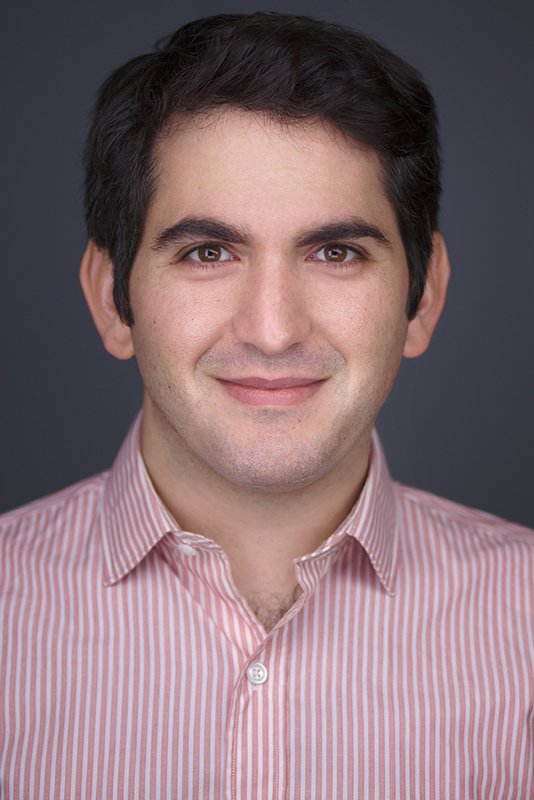
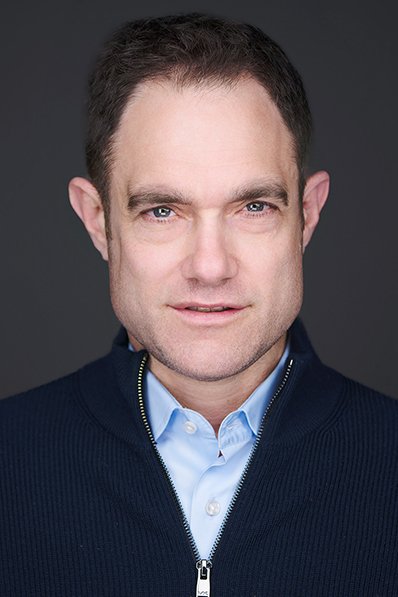
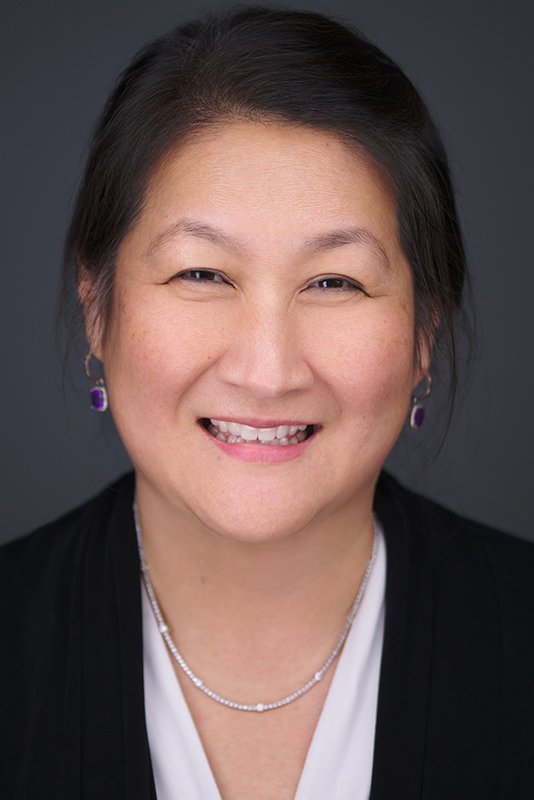
Prime Medicine was founded in 2019 by Andrew Anzalone and David Liu.





Investors · 11

How we know: ARCH Venture Partners's portfolio page · the company's own site · the S-1 prospectus · research · pharmaceutical-technology.com · open dataset · 5k.vc investor directory · Not right? Tell us

How we know: GV (Google Ventures)'s portfolio page · the company's own site · the S-1 prospectus · a partner's Signal profile · research · pharmaceutical-technology.com · open dataset · 5k.vc investor directory · Not right? Tell us
How we know: the company's own site · the S-1 prospectus · the VCSheet dataset · research · pharmaceutical-technology.com · Not right? Tell us

How we know: F-Prime Capital's portfolio page · a partner's Signal profile · research · pharmaceutical-technology.com · open dataset · 5k.vc investor directory · Not right? Tell us

How we know: OUP (Osage University Partners)'s portfolio page · Not right? Tell us
How we know: Samsara BioCapital's portfolio page · Not right? Tell us
How we know: a partner's Signal profile · Not right? Tell us
Also in the syndicate · 3
Valuation · disclosed
Disclosed eventsSource: SEC prospectus filings, and round valuations the company or its investors disclosed — follow each entry's link for the claim.
Company profile
researched Aug 2026Prime Medicine, Inc. is a Cambridge, Massachusetts-based biotechnology company incorporated in 2019 that develops genetic medicines using Prime Editing, a gene-editing approach that searches for a precise location in the genome and replaces a faulty DNA segment with a corrected sequence without causing double-strand DNA breaks. The company describes the technology as functioning like a "DNA word processor" and states it could theoretically address roughly 90% of known disease-causing mutations across organisms, organs and cell types, working across most mutation types at the natural genomic location while minimizing unwanted DNA modifications.
The pipeline is organized around four core areas: hematology, immunology & oncology; liver; and lung. Programs include PM359, an autologous hematopoietic stem cell therapy edited ex vivo with an all-RNA Prime Editor by electroporation for the p47phox variant of chronic granulomatous disease (evaluated in the Phase 1/2 Prime-0101 study; granted rare pediatric disease and orphan drug designations by the FDA); PM577/PM577a, an LNP-delivered program for Wilson disease; PM647 for alpha-1 antitrypsin deficiency caused by SERPINA1 mutations producing misfolded Z-AAT protein; and cystic fibrosis programs using LNP/AAV delivery, including the PASSIGE gene-insertion technology. An ex vivo CAR-T program using PASSIGE is also listed. The company has stated it is identifying opportunities to advance additional programs in neurological diseases, cell therapy, ocular diseases and hearing loss, either in partnership or internally.
As of the most recent public quote data, Prime Medicine trades on Nasdaq as PRME with roughly $625M market capitalization, 146 full-time employees, trailing twelve-month revenue of about $4.07M, a TTM net loss of about $187.9M, and about $95.1M in cash at the most recent quarter end.
Founding story
Prime Editing was developed in the laboratory of Dr. David R. Liu at the Broad Institute of MIT and Harvard and published in Nature in December 2019, where it was recognized as a major advance capable of overcoming limitations of existing gene-editing approaches. The publication drew together academics, company builders, investors and advisors to form Prime Medicine and translate the technology into therapeutics; Andrew Anzalone, MD, PhD, and David Liu, PhD, are the scientific co-founders. A third-party profile states the company was formed in 2019-2020 in Cambridge, MA, with an early 2019 investment from F-Prime Capital and operations launching in summer 2020.
Business model
Prime Medicine is a clinical-stage therapeutics developer rather than a product-revenue business: it invests in discovery and clinical development of Prime Editing-based candidates intended as one-time treatments, funded by equity capital markets and supplemented by collaboration and non-dilutive partner funding. Reported revenue is small relative to operating losses (TTM revenue of about $4.07M against a TTM net loss of about $187.9M), consistent with collaboration-derived rather than commercial revenue.
Revenue to date appears to derive from research collaboration and license agreements, including agreements with Bristol Myers Squibb, the Cystic Fibrosis Foundation, the Broad Institute and Beam, rather than from approved products; no Prime Medicine therapy has been approved by the FDA or any other regulator.
Traction
PM359 entered the Phase 1/2 Prime-0101 trial in p47phox CGD and generated clinical data published in the New England Journal of Medicine; the company reported the results as positive and stated the study is not currently enrolling new participants while it works with regulators on next steps. A pre-screening study (Prime-0211) is running in Wilson disease, and the FDA cleared an IND for PM577a in H1069Q-mutated Wilson disease in July 2026. Corporate traction includes partnerships with Bristol Myers Squibb and the Cystic Fibrosis Foundation, and a Nasdaq listing.
Latest developments
In 2026 the company reported a positive resolution to its arbitration with Beam Therapeutics (announced July 8, 2026), which press coverage linked to its AATD candidate PM647 and the path toward human trials; received FDA clearance of the IND for PM577a in H1069Q-mutated Wilson disease (July 23, 2026); and reported second quarter 2026 financial results on August 6, 2026 showing $1.15M in quarterly revenue and a roughly $42.1M quarterly loss. BMO Capital initiated coverage with an Outperform rating and a $9 price target on August 19, 2026.
▸Full profile — market position, technology, go-to-market, geography, history, risks & controversies
Market position
Prime Medicine positions Prime Editing as a next-generation alternative to earlier gene-editing approaches such as CRISPR-Cas9, emphasizing versatility, precision and avoidance of double-strand breaks. Public-market comparables listed alongside it include Beam Therapeutics, Intellia Therapeutics, Caribou Biosciences, Editas Medicine and Sangamo Therapeutics; its market capitalization of roughly $625M is smaller than Beam's (~$3.1B) and Intellia's (~$1.8B) and closer to Editas (~$486M).
The company's stated differentiation is the breadth and precision of Prime Editing: the ability to perform targeted search-and-replace edits without double-strand DNA breaks, applicability to most mutation types, and, by the company's estimate, theoretical relevance to about 90% of known disease-causing mutations. The platform's modularity is presented as enabling rapid expansion into new indications, and it is exclusively licensed for human therapeutic use from the Broad Institute, where the technology was invented in David R. Liu's lab and published in Nature in December 2019.
Technology
Prime Editing combines a programmable DNA-binding domain (typically a Cas domain modified so it does not create a double-strand break) with a reverse transcriptase domain that copies an edited DNA sequence directly into the target genomic site, guided by a pegRNA whose search sequence (spacer) specifies the genomic address. This enables precise, predictable search-and-replace edits at the natural genomic location across multiple mutation classes. Extensions of the platform include PASSIGE for insertion of gene-sized sequences and Dual Flap for broader edits. Delivery modalities in the pipeline span lipid nanoparticles, AAV, and ex vivo electroporation of hematopoietic stem cells.
Go-to-market
As a therapeutics developer, the company advances candidates through IND-enabling work, FDA interactions and clinical trials, and supplements internal development with partnerships that provide funding and commercialization scope (Bristol Myers Squibb for ex vivo T-cell Prime Editor products; the Cystic Fibrosis Foundation for cystic fibrosis editors). It engages patient communities and advocacy organizations directly and recruits trial participants through registries and pre-screening studies such as Prime-0211 for Wilson disease (NCT07226622).
Patients with rare inherited genetic diseases and their treating clinicians, initially in chronic granulomatous disease (notably the p47phox subtype, estimated at one in 100,000 to 200,000 US births), Wilson disease (about 1 in 30,000 people), and alpha-1 antitrypsin deficiency (about 100,000 people affected in the United States), with stated longer-term intent to address additional genetic, immunological, oncologic and infectious diseases.
Geography
Headquartered in Cambridge, Massachusetts, United States, with operations and clinical activity described in the United States.
History
Following its 2019 incorporation and the December 2019 Nature publication of Prime Editing, the company raised a $115M Series A from ARCH Venture Partners, F-Prime Capital, GV and Newpath Partners, then a $200M Series B about nine months after commencing operations, publicly launching with $315M and a license from the Broad Institute. It later listed on Nasdaq as PRME. Keith Gottesdiener, MD, served as CEO at launch; Allan Reine, MD, joined in January 2024 as CFO and now serves as CEO. Milestones since include the January 2024 Cystic Fibrosis Foundation agreement, the September 2024 Bristol Myers Squibb collaboration, publication of PM359 clinical data in the New England Journal of Medicine, a $24M equity round in July 2025, a July 2026 resolution of arbitration with Beam Therapeutics, and July 2026 FDA IND clearance for PM577a.
Risks & controversies
The company had a legal dispute with Beam Therapeutics that proceeded to arbitration and was resolved in July 2026; press coverage framed the outcome as affecting competitive positioning in alpha-1 antitrypsin deficiency. Financially, the company is loss-making, with a TTM net loss of about $187.9M against roughly $95.1M in cash at the most recent quarter end and negative levered free cash flow of about $75.8M, and its shares are down approximately 82% over five years. Clinically, the Prime-0101 CGD study is not currently enrolling new participants, and none of the company's therapies are approved by the FDA or any other regulator; the company does not offer expanded access outside clinical trials.
Compiled by commissioned research from 8 cited public sources — announcements, filings, and press listed under research sources below.
Key figures
latest reportedCompany-reported or press-reported figures, each dated to when it was claimed — not independently audited.
Founder mafia
2 people who came through Prime Medicine went on to found or lead other companies.
Timeline · 10
launches, deals, and filingsPrime Medicine reported Q2 2026 financial results, with revenue of $1.15M and a quarterly loss of approximately $42.1M.
Prime Medicine announced U.S. FDA clearance of its Investigational New Drug application for PM577a in H1069Q-mutated Wilson disease.
Prime Medicine announced a positive resolution to its arbitration with Beam Therapeutics; coverage noted the outcome related to its AATD program PM647 and the path to human trials.
Clinical data for PM359 in chronic granulomatous disease were published in the New England Journal of Medicine.
$24M source ↗
Prime Medicine entered a strategic license and broad collaboration agreement with Bristol Myers Squibb to develop and commercialize ex vivo T-cell Prime Editor products.
Allan Reine, MD, joined Prime Medicine in January 2024 as Chief Financial Officer and currently serves as Chief Executive Officer. He previously held CFO roles at Foghorn Therapeutics and Pieris Pharmaceuticals.
Agreement with the Cystic Fibrosis Foundation providing up to $15 million to support development of Prime Editors for cystic fibrosis.
$15M source ↗
Prime Medicine publicly launched having raised $115M in Series A (ARCH Venture Partners, F-Prime Capital, GV, Newpath Partners) and $200M in Series B roughly nine months after commencing operations, with Casdin Capital, Cormorant Asset Management, Moore Strategic Ventures and PSP Investments joining existing investors. Proceeds were earmarked for platform build-out and advancing preclinical programs toward the clinic.
$315M source ↗
Prime Medicine obtained a license from the Broad Institute of MIT and Harvard to use Prime Editing for human therapeutic applications.
Dated company events from announcements, filings, and press; legal rows summarize public dockets and regulator releases.
In the news
▸Research sources · 8
primary sources listed
- Prime Medicineprimemedicine.com · web
8 public sources were cited for this profile; the first-party ones are listed here.
Frequently asked questions
- What does Prime Medicine do?
- Nasdaq-listed biotech developing one-time genetic therapies based on Prime Editing gene-editing technology.
- Who founded Prime Medicine?
- Prime Medicine was founded by Andrew Anzalone, David Liu in 2019.
- Who are Prime Medicine's investors?
- Prime Medicine's investors include ARCH Venture Partners, GV (Google Ventures), Newpath Partners, F-Prime Capital, OUP (Osage University Partners), Samsara BioCapital, Arrive, Casdin Capital.
- Is Prime Medicine publicly traded?
- Yes — Prime Medicine trades on NASDAQ under the ticker PRME.