 Fundraising Fox
Glassdoor
Unicorn exit · $1BAcquiredMill Valley, US · Founded 2007 · Delaware corporation · 1,675 employees on LinkedIn · 10 known investors
Find your way into Glassdoor
Sign up to see every warm intro you have to Glassdoor
- Paths you didn't know you had: your email and LinkedIn already hold routes to the Glassdoor team. We find them for you
- 2nd- and 3rd-degree connections: the friend-of-a-friend routes that take hours to manually find through your inbox or LinkedIn
- Answers now, not in days: momentum is everything in a raise. Skip asking around whether someone knows someone
Days of research, done the moment you sign in, with every route ranked by how warm it is.
Glassdoor is a community platform that provides job seekers with access to company reviews, salary information, and job listings, while helping employers post jobs and manage their reputation. The platform serves job seekers, employees, and employers by facilitating workplace transparency and job matching.
Also known as Glassdoor, Inc.
Founders & leadership
Glassdoor was founded in 2007 by Robert Hohman.

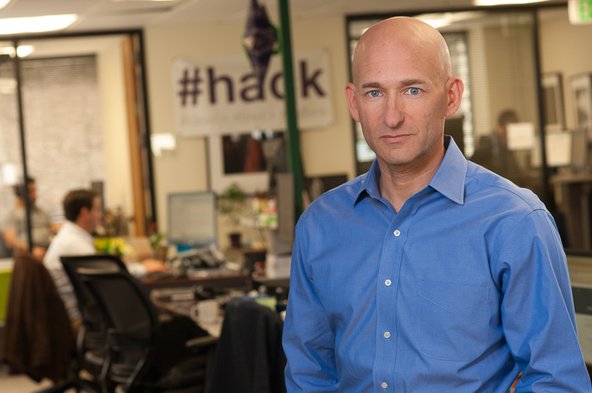

Board




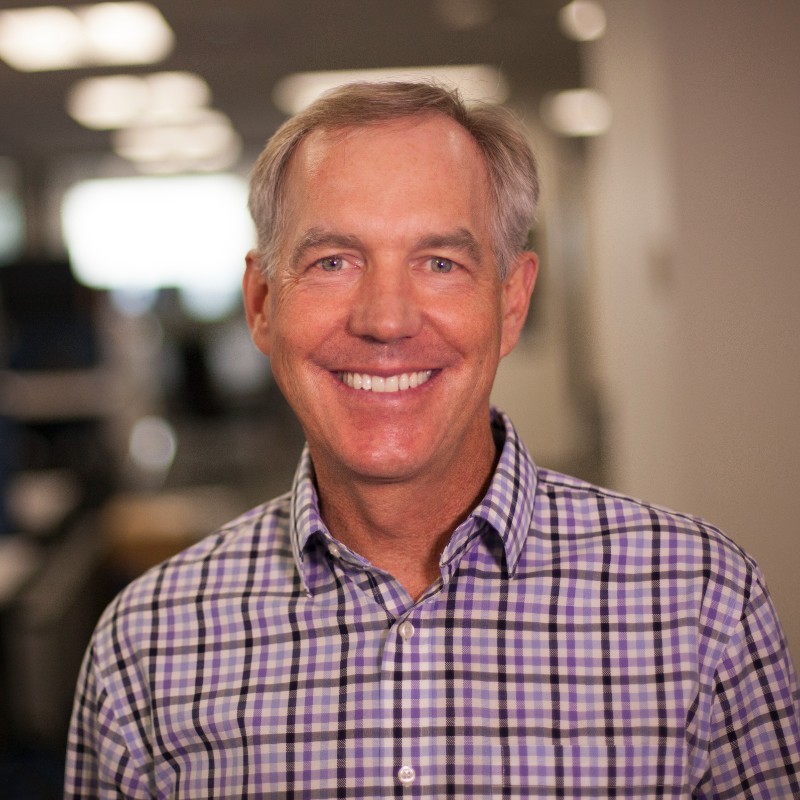

Investors · 10

How we know: the VCSheet dataset · open dataset · 5k.vc investor directory · Not right? Tell us

How we know: Battery Ventures's portfolio page · funding news · research · techcrunch.com · open dataset · 5k.vc investor directory · Not right? Tell us

How we know: Dag Ventures's portfolio page · Not right? Tell us

How we know: Felicis Ventures's portfolio page · Not right? Tell us

How we know: techcrunch.com · research · businessmodelcanvastemplate.com · Not right? Tell us
How we know: funding news · Not right? Tell us
How we know: funding news · techcrunch.com · research · techcrunch.com · Not right? Tell us

How we know: board seat on SEC Form D · funding news · research · techcrunch.com · Not right? Tell us
Funding
SEC filings, press & company announcements$110.1M disclosed across 4 of 7 rounds · 2007–2016
- Undisclosed amountSeries BOct 2008
Sutter Hill Ventures (lead), Benchmark Capital
Source ↗
▶$40MraisedJun 2016 · 36 investors · Other TechnologyRule 506(c)
- Adam SpiegelExecutive Officer
- Richard BartonDirector
- James WhiteDirector
- Rusty RueffDirector
- Robert HohmanExecutive Officer, Director
- Lee FixelDirector
- Erik BlachfordDirector
- Kristina LeslieDirector
- Brad SerwinExecutive Officer
- Neeraj AgrawalDirector
- Stephen KauferDirector
- Offering amount
- $40M
- Amount sold
- $40M
- First sale
- Apr 2016
- Incorporated
- Corporation, Delaware
- Federal exemptions
- 06c
▶$12KraisedJan 2016 · 1 investors · Other TechnologyRule 506(c)
- Rusty RueffDirector
- Erik BlachfordDirector
- Adam SpiegelExecutive Officer
- Richard BartonDirector
- Brad SerwinExecutive Officer
- Stephen KauferDirector
- Robert HohmanExecutive Officer, Director
- James WhiteDirector
- Neeraj AgrawalDirector
- Kristina LeslieDirector
- Lee FixelDirector
- Offering amount
- $12K
- Amount sold
- $12K
- First sale
- Aug 2012
- Incorporated
- Corporation, Delaware
- Federal exemptions
- 06c
▶$100KraisedJan 2016 · 1 investors · Other TechnologyRule 506(c)
- Richard BartonDirector
- Brad SerwinExecutive Officer
- Stephen KauferDirector
- Rusty RueffDirector
- Erik BlachfordDirector
- Kristina LeslieDirector
- Adam SpiegelExecutive Officer
- Lee FixelDirector
- Neeraj AgrawalDirector
- Robert HohmanExecutive Officer, Director
- James WhiteDirector
- Offering amount
- $100K
- Amount sold
- $100K
- First sale
- Jul 2013
- Incorporated
- Corporation, Delaware
- Federal exemptions
- 06c
▶$70MraisedJan 2015 · 29 investors · Other TechnologyRule 506(c)
- Richard BartonDirector
- Erik BlachfordDirector
- Robert HohmanExecutive Officer, Director
- James WhiteDirector
- Adam SpiegelExecutive Officer
- Stephen KauferDirector
- Rusty RueffDirector
- Neeraj AgrawalDirector
- Lee FixelDirector
- Offering amount
- $70M
- Amount sold
- $70M
- First sale
- Dec 2014
- Incorporated
- Corporation, Delaware
- Federal exemptions
- 06c
Source: SEC EDGAR Form D. Amounts as filed; amended filings shown once at their latest values.
Valuation · disclosed
Disclosed eventsSource: SEC prospectus filings, and round valuations the company or its investors disclosed — follow each entry's link for the claim.
Company profile
researched Aug 2026Glassdoor operates a career and job-search platform that pairs anonymous, user-generated workplace content with job listings. Its consumer-facing product areas are a Community feature for anonymous professional conversation about work, pay and careers; a job search covering "millions of jobs"; company reviews covering more than 600,000 companies worldwide; and salary comparison tools that generate personalized salary estimates [0][1][5]. Job seekers pay nothing: job matching, company reviews, salary information and the anonymous community are described as free to users [4].
On the employer side, Glassdoor offers free employer profiles, an employer center for managing company profiles, viewing analytics and responding to reviews, and enhanced/branded profiles sold through an employer brand sales team [0][1]. The company positions employer branding as a recruiting advantage and publishes editorial and research content, including a "Work in Progress" blog, research, guides and awards such as Best Places to Work [0][4][5]. Glassdoor also maintains trust-focused programs covering fake-review detection, content removal and user anonymity [4].
Glassdoor is now part of Indeed, drawing on Indeed's job listings to populate its matching product and routing employer connections to candidates through Indeed [3][4]. Its own Glassdoor company profile lists it as a private company headquartered in San Francisco, founded 2007, with 501–1,000 employees, and Owen Humphries identified as CEO [3]. A secondary history source states the company was incorporated in June 2007 in Mill Valley and acquired by Recruit Holdings in 2018 [7].
Founding story
According to a secondary history source, Glassdoor was incorporated in June 2007 and launched in beta in June 2008, co-founded by Robert Hohman, Rich Barton and Tim Besse, all veterans of Expedia; the idea is attributed to an incident in which an Expedia executive left salary data on a shared printer, revealing employee demand for internal company information. The founders' stated aim was to address information asymmetry in the labor market, and the name "Glassdoor" was chosen to signal visibility into company interiors [7]. TechCrunch similarly reports that Hohman founded the company with Zillow co-founder Rich Barton and former Expedia colleague Tim Besse, and that the "glass" in the name references transparency in job hunting and recruitment [6].
Business model
Glassdoor is free for job seekers and monetizes through employers. TechCrunch describes the model as employers paying for better access to update and tweak their company profiles, noting that at the time Glassdoor had profiles of roughly 500,000 businesses but only about 4,000 companies globally were paying [6]. The current site offers free employer profiles plus paid enhanced profiles and employer branding services sold via an Employer Brand Specialist sales motion [0][1]. A secondary source characterizes the model as employer-branding subscriptions combined with high-intent lead generation for recruiters [7].
Employer-paid products: enhanced/branded company profiles, employer branding and recruitment-oriented services, with job seeker access remaining free [0][1][4]. Historically, revenue came from employers paying for greater control of their profiles [6]. Glassdoor's own company profile lists its revenue as "Unknown / Non-Applicable" [3].
Traction
Glassdoor states it hosts anonymous reviews on over 600,000 companies worldwide and millions of jobs and salaries [0][1]. In 2016 TechCrunch reported profiles of roughly 500,000 businesses with about 4,000 paying employers, localized websites and mobile apps in 11 markets outside the U.S., and a valuation of around $1 billion [6]. Glassdoor's own employer profile reports 501–1,000 employees and 1,125–1,145 employee reviews with a 3.7/5 rating [3].
Latest developments
Glassdoor's About Us page describes the company as operating in combination with Indeed: it taps Indeed's job listings for matching and connects employers with candidates through Indeed, and its Glassdoor company profile is labeled "Part of Indeed" [3][4]. Owen Humphries is listed as CEO on that profile [3]. The site promotes a Best Places to Work 2026 list and 2025 worklife-trends research [5], and lists open roles including Lead Data Scientist, Product Designer and Lead Product Manager [3]. A secondary source describes a 2023 acquisition of Fishbowl, 2024 integration of social feeds and conversational UX, and a 2025 revenue model blending employer-branding subscriptions with recruiter lead generation [7].
▸Full profile — market position, technology, go-to-market, geography, history, risks & controversies
Market position
Glassdoor positions itself as a transparency-focused alternative to pure job aggregators, differentiating on user-generated company reviews and salary data alongside listings [6]. TechCrunch noted a crowded job-site market including LinkedIn, Recruit Holdings (owner of Indeed) and Monster.com, and quoted CEO Robert Hohman contrasting Glassdoor with LinkedIn as a place to research companies rather than people [6]. Its current positioning combines its workplace-transparency content with Indeed's job platform scale [4].
Glassdoor combines aggregated job openings with a large corpus of anonymous, employee-contributed reviews, salary reports and interview experiences, making it a company-research destination as well as a job board [0][6]. Additional differentiators cited include machine-learning matching and fraud/fake-posting detection [6], trust programs covering fake reviews, content removal and anonymity [4], and, per a secondary source, the Know Your Worth salary estimator and Diversity & Inclusion ratings [7].
Technology
TechCrunch reports investment in machine learning used both to detect bogus postings that attempt to game the system and to improve matching between candidates and jobs [6]. The current product provides personalized salary estimates and personalized job recommendations, and pairs stated career preferences with reviews, salary data and open roles to produce job matches [0][4][5]. A secondary source describes AI-driven fraud detection and a machine-learning salary estimator [7].
Go-to-market
Consumer acquisition is driven by free, SEO-oriented content surfaces — company review pages, salary pages by role and company, interview experience pages and job listings organized by city and search intent — plus a registration flow encouraging users to join the community and upload resumes [0][1][2][5]. Employers are acquired through self-serve free profile claiming and an inside sales motion ("Talk to sales" with an Employer Brand Specialist) for enhanced profiles [0][1]. Editorial assets such as the Work in Progress blog, research reports, guides and Best Places to Work lists support demand generation [0][4][5]. Since becoming part of Indeed, employer connections to candidates run through Indeed [4].
Two sides: job seekers and employees who search jobs, read company reviews, compare salaries and participate in anonymous community discussion; and employers, hiring teams and recruiters seeking employer-brand visibility, profile management, analytics and candidate sourcing [0][1][4].
Geography
Headquarters listed as San Francisco, US on Glassdoor's own company profile [3]; a secondary source states the company was founded in Mill Valley [7]. As of 2016 Glassdoor operated localized websites and mobile apps in 11 markets outside the United States [6]. A secondary source describes expansion into the UK, Canada and Australia from 2012 and later Germany, France and Brazil, plus a Chicago office [7]. Current job listings on its profile are for the United States and remote roles [3].
History
A secondary history source describes the following sequence: incorporation in June 2007, beta launch June 2008 following a "give-to-get" pre-launch model that collected roughly 250,000 reviews across about 3,000 companies, an initial $3 million Series A led by Benchmark Capital, one million reviews by 2010, Enhanced Employer Profiles in 2010, job listings and matching algorithms in 2011, a $20M Series D in 2012 alongside expansion into the UK, Canada and Australia, later expansion into Germany, France and Brazil, a $70M round led by Google Capital in 2015 that funded a Chicago office, the 2016 launch of the Know Your Worth salary estimator, and a $1.2B cash acquisition by Recruit Holdings in 2018. The same source describes deeper integration with Indeed under Recruit Holdings in 2019, Diversity & Inclusion ratings in 2021, the acquisition of Fishbowl in 2023, social/conversational feed integration in 2024, and a 2025 revenue model combining employer-branding subscriptions with lead generation for recruiters [7]. TechCrunch reported a $70 million round in January 2015 and a $40 million Series H in June 2016 that valued the company at around $1 billion, with roughly $200 million raised to date at that point [6].
Risks & controversies
Glassdoor's model depends on anonymous user-generated content, and the company maintains dedicated trust pages on fighting fake reviews, content removal and user anonymity [4]. A secondary source notes that the founders relied on Section 230 protections to defend anonymous employee speech amid corporate legal concerns [7]. TechCrunch notes the need for machine learning to detect postings attempting to game the system, and describes a highly competitive, consolidating job-site market [6]. Employee sentiment on its own platform is mixed: a 3.7/5 rating with 65% recommending to a friend and only 38% reporting a positive business outlook, with reviews ranging from 5.0 to 1.0 [3].
Compiled by commissioned research from 8 cited public sources — announcements, filings, and press listed under research sources below.
Key figures
latest reportedCompany-reported or press-reported figures, each dated to when it was claimed — not independently audited.
Founder mafia
8 people who came through Glassdoor went on to found or lead other companies.

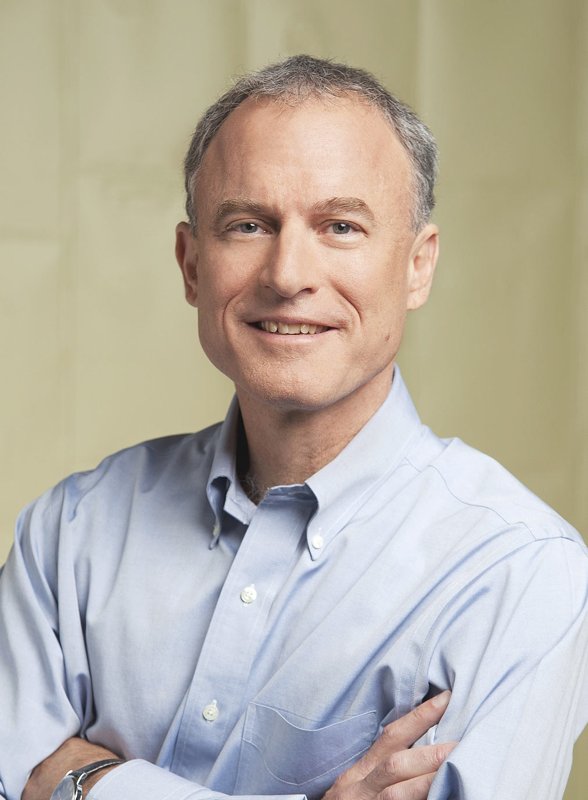





Related companies · 1
Companies working in the same space as Glassdoor.
Timeline · 13
launches, deals, and filingsListed among awards and accolades on Glassdoor's own company profile.
Secondary history source states Glassdoor pivoted to a community-led model with the acquisition of Fishbowl, adding real-time professional conversation features.
Secondary source states the ratings were introduced in response to a 65% surge in workplace-equity searches after 2020 social movements.
Secondary source states Glassdoor integrated services more deeply with Indeed under Recruit Holdings to create a combined offering for job seekers and employers.
Secondary history source states Recruit Holdings acquired Glassdoor for $1.2 billion in cash in 2018.
$1.2B source ↗
Series H led by Henry Ellenbogen and T. Rowe Price with participation from existing investors Battery Ventures, Google Capital, Sutter Hill Ventures and Tiger Global; CEO Robert Hohman described the round as opportunistic and a slight up-round versus the January 2015 raise. Roughly $200M raised to date at that point.
$40M source ↗
Machine-learning salary estimator delivering personalized market-value insights; secondary source reports it lifted engagement roughly 40%.
TechCrunch references a prior $70 million fundraise in January 2015; a secondary history source attributes the lead to Google Capital and states it pushed valuation toward $1B and funded a Chicago office.
$70M source ↗
Secondary source states international expansion followed the $20M Series D, later extending to Germany, France and Brazil by the mid-2010s.
Secondary source states Glassdoor rolled out job listings with proprietary matching algorithms leveraging review-derived cultural signals.
Secondary source describes Enhanced Employer Profiles as the company's first major revenue stream, letting employers respond to reviews and showcase branded content.
Secondary source states Glassdoor launched in beta in June 2008 after a pre-launch 'give-to-get' collection of roughly 250,000 reviews across about 3,000 companies.
Dated company events from announcements, filings, and press; legal rows summarize public dockets and regulator releases.
Legal entities · 1
corporate structureIn the news
▸Research sources · 8
primary sources listed
- Glassdoorglassdoor.com · web
8 public sources were cited for this profile; the first-party ones are listed here.
Frequently asked questions
- What does Glassdoor do?
- Glassdoor is a job search and career community site combining anonymous company reviews, salary data and job listings; now part of Indeed.
- Who founded Glassdoor?
- Glassdoor was founded by Robert Hohman in 2007.
- Who are Glassdoor's investors?
- Glassdoor's investors include Ansa Capital, Battery Ventures, CapitalG, Dag Ventures, Felicis Ventures, Benchmark, Dragoneer Investment Group, Sutter Hill Ventures and 2 more.
- How much funding has Glassdoor raised?
- Glassdoor has disclosed $110.1M raised across 4 of its 7 known rounds.
- Where is Glassdoor headquartered?
- Glassdoor is headquartered in Mill Valley, US.