 Fundraising Fox
Fantex Holdings
DefunctSan Francisco, US · Founded 2012 · Delaware corporation · 30 employees on LinkedIn · 3 known investors
Find your way into Fantex Holdings
Sign up to find every way you can get introduced to Fantex Holdings
- Your email: who you already know at Fantex Holdings, and who your contacts know
- 2nd- and 3rd-degree connections: people you know who worked, studied or invested with the Fantex Holdings team
- Your LinkedIn: the connections who can make the intro for you
We rank every route by how warm it is, so you raise on warm intros instead of cold emails.
Defunct financial-technology holding company that bought percentages of professional athletes' future earnings and financed them through SEC-registered tracking stocks and a private multi-athlete portfolio security.
Founders & leadership
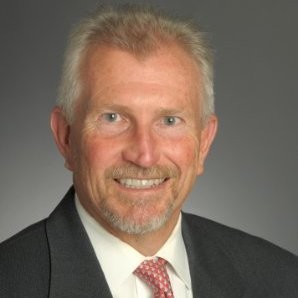
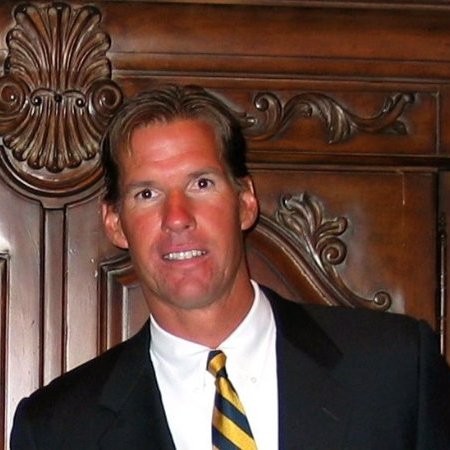
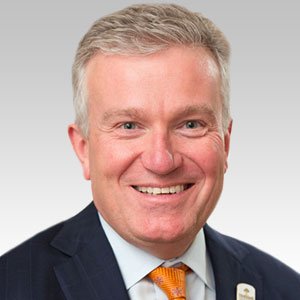
Fantex Holdings was founded in 2012 by David Mullin, Cornell 'Buck' French, and David M. Beirne.
Board
Investors · 3

Also in the syndicate · 1
Reported raises · per SEC filings
Form D private placements$58.7M disclosed across 3 rounds · 2013–2015
▶$20.8MraisedAug 2016 · 73 investors · OtherRule 506(b)
- Cornell FrenchExecutive Officer, Director
- Bruce DunlevieDirector
- Duncan NiederauerDirector
- Joshua LevineDirector
- David BeirneDirector
- John ElwayDirector
- Offering amount
- $25M
- Amount sold
- $20.8M
- First sale
- Jul 2015
- Incorporated
- Corporation, Delaware, 2012
- Federal exemptions
- 06b
▶$17.9MraisedDec 2014 · 80 investors · OtherRule 506(b)
- David MullinExecutive Officer
- John ElwayDirector
- Cornell FrenchExecutive Officer, Director
- Bruce DunlevieDirector
- Joshua LevineDirector
- David BeirneDirector
- Offering amount
- $25M
- Amount sold
- $17.9M
- First sale
- Aug 2014
- Incorporated
- Corporation, Delaware, 2012
- Federal exemptions
- 06b
▶$20MraisedFeb 2014 · 53 investors · OtherRule 506(b)
- Bruce DunlevieDirector
- David BeirneDirector
- Joshua LevineDirector
- David MullinExecutive Officer
- Cornell FrenchExecutive Officer, Director
- John ElwayDirector
- Offering amount
- $20M
- Amount sold
- $20M
- First sale
- Dec 2013
- Incorporated
- Corporation, Delaware, 2012
- Federal exemptions
- 06b
Source: SEC EDGAR Form D. Amounts as filed; amended filings shown once at their latest values.
Company profile
researched Aug 2026Fantex Holdings, Inc. was founded in San Francisco in September 2012 by Cornell 'Buck' French, former Benchmark general partner David Beirne and veteran technology CFO David Mullin. The idea was to turn an athlete's future 'brand income'—salary, bonuses, endorsements, appearances, broadcasting/coaching and other defined income—into an investable cash-flow asset. An athlete received a large upfront payment in exchange for a fixed percentage of future covered earnings. Wholly owned Fantex, Inc. held the brand contracts and issued a separate class of convertible tracking stock intended to follow each contract, while Fantex Brokerage Services, LLC (FBS), a FINRA-registered broker-dealer and alternative trading system, offered and traded the securities. Investors did not own the athlete or even a direct interest in the contract: they owned stock of Fantex, Inc. as a whole, with accounting attribution to a series. That structure created issuer-credit, cross-series, governance and tax risks in addition to injury and career risk. Fantex expected to monetize acquisition/brand-development economics, retain a portion of contract cash flow and offering economics, and charge as much as roughly 1% per secondary trade. Fantex Holdings supplied operating capital and provided standby commitments to buy unsold series shares, creating related-party support and inventory risk. French was the original CEO. A West Point economics/engineering graduate and former Army captain with an Harvard MBA, he had founded OnLink (sold to Siebel), built Siebel's e-commerce unit and led Securify to a sale to Secure Computing. Beirne chaired the company after a career co-founding technology executive-search firm Ramsey/Beirne and as a Benchmark general partner associated with companies including eBay. Mullin was CFO, a California CPA and former finance executive at Securify, Borland, SMART Modular, OnLink, Terawave and other technology businesses; public records later identify him as Fantex Holdings CEO after the founders' 2017 transition. The board/advisory network was unusually prominent: Benchmark's Bruce Dunlevie, former NYSE CEO Duncan Niederauer, E-Trade veteran Josh Levine, John Elway and sports figures including Jack Nicklaus. Fantex Holdings raised more than $70 million according to 2017 reporting and SEC filings, although three visible Form D offering floors total $58.65 million and named equity allocations are private. Benchmark is the clearest disclosed institutional backer; many directors/high-net-worth investors participated. Communitas Capital appears in legacy data but was founded by Niederauer in 2017 and should not be treated as an original financing investor without round evidence. This profile uses $70 million as a conservative reported floor and preserves the underlying Form D amounts as separate parent financings. Fantex announced its first athlete, Houston Texans running back Arian Foster, in October 2013: $10 million for 20% of future brand income, financed by a planned $10.6 million series offering. A season-ending back injury caused the deal/offering to be postponed, immediately illustrating adverse selection, medical disclosure and concentration risk. The first completed public offering was Vernon Davis in April 2014: 421,100 shares at $10, raising $4.211 million against a $4 million payment for 10% of covered income. E.J. Manuel followed at $5.2 million; Mohamed Sanu at approximately $1.64 million; Alshon Jeffery at $8.4 million for 13%; Michael Brockers at approximately $3.6 million; and Jack Mewhort at approximately $2.68 million. Fantex also signed athletes including Kendall Wright and later expanded from NFL players to MLB pitcher Andrew Heaney and golfer Scott Langley. By 2016 sources reported eleven signed athletes, six completed individual offerings totaling about $25.8 million and roughly $664,510 of dividends paid. Individual shares traded only through FBS accounts/ATS, used limit orders, were not NYSE/Nasdaq listed and could be extremely illiquid; the prospectus warned that investors could lose everything, spreads/commissions could overwhelm returns, Fantex could stop market-making and tax treatment lacked direct authority. Fantex then pivoted from retail single-athlete stocks to diversified institutional portfolios. It filed in 2015 to list a bundled athlete portfolio on Nasdaq but did not complete that public offering. In July 2016 it closed a $59.336 million private placement of Fantex Sports Portfolio I (FXSP I), 5,933,658 units at $10 linked to 20 athletes across football, baseball and golf, with UBS Investment Bank as placement agent and mostly high-net-worth investors. This $59.3 million was asset/portfolio financing passed into brand contracts, not ordinary corporate venture funding and is recorded separately. The company closed its retail platform to individual investors in August 2016. FBS staff registrations largely ended by November and the firm's BrokerCheck status is now 'previously registered.' In early 2017 Fantex spent about $130,000 buying out small retail holders, terminated public registration/listing of the common/tracking stock and founder/CEO Buck French and chair David Beirne departed by March/April. The public exchange model had failed: thin liquidity, expensive repeated SEC registrations, high customer-acquisition/compliance cost, athlete/injury uncertainty, confusing ownership, an extremely small retail asset pool and the need to pre-fund contracts undermined scale. A material later legal outcome further challenged the model. A JAMS arbitrator found Fantex violated California's Miller-Ayala Athlete Agents Act in its relationship with NFL receiver Mohamed Sanu and awarded approximately $1.148 million in restitution and attorneys' fees; the finding treats at least some brand-contract activity as regulated athlete-agent conduct, contradicting an assumption that pure financial structuring avoided agent regulation. No current website, active broker-dealer, product sales, SEC operating filings or meaningful employee footprint was found. Some databases incorrectly mark Fantex active because historical company/entity records and a former executive's profile remain online; operationally it is defunct/closed, with any residual brand-contract receivables, investor obligations or corporate existence not publicly resolved. Investors had exposure to athletes' injuries, termination, retirement, poor performance, endorsements, personal conduct, contract enforceability, bankruptcy/creditors and reporting cooperation; to Fantex's solvency, capital allocation, internal series accounting, dilution, market-making and conflicts; and to tax, securities, broker-dealer, privacy, gambling/consumer-protection and athlete-agent rules. Athletes traded a potentially very valuable lifetime percentage for upfront liquidity and marketing assistance, creating valuation and information-asymmetry risk. Comparable models include David Bowie-style celebrity bonds, royalty/IP finance, income-share agreements and later sports platforms such as Rally/Collectable fractional assets, Mojo prediction contracts and athlete-finance firms, but few attempted SEC-registered public equity tracking a living person's earnings. Fantex remains a useful case study in technically compliant product design that did not produce a liquid, economical market.
Founding story
French, Beirne and Mullin combined startup/VC/finance experience with the insight that an athlete could exchange a percentage of volatile future earnings for cash today and investors might buy a diversified, sports-linked return. They built a separate issuer, broker-dealer and ATS to make that contract investable.
Business model
Buy contractual percentages of athletes' future covered income for upfront cash, finance/attribute them through tracking-stock or portfolio securities, develop athlete brands and operate an affiliated regulated brokerage/ATS.
Retained economics in brand contracts and offering spreads/structuring; brand-development value; up to roughly 1% commissions on secondary trades; possible portfolio/management economics. Repeated filings, athlete acquisition and broker-dealer operations made the model expensive.
Traction
Historical: >$70m parent financing reported; six individual offerings totaling roughly $25.8m; 11 signed athletes and $664,510 reported dividends by 2016; FXSP I sold 5,933,658 units at $10, linked to 20 athletes. Retail platform closed August 2016 and public holders were bought out in 2017.
Latest developments
No current operations or product developments found through August 2026. FINRA BrokerCheck labels FBS previously registered; current internet presence is archival. A Mohamed Sanu arbitration award provides the latest material public legal evidence.
▸Full profile — market position, technology, go-to-market, geography, history, ownership, risks & controversies
Market position
Defunct first mover and historical case study in human-capital securitization; achieved six individual athlete offerings and a $59.3m 20-athlete private placement but never created sustainable retail liquidity.
First U.S. platform to issue SEC-registered tracking stocks linked to specific professional-athlete earnings and pair them with a captive broker-dealer/ATS and athlete-brand services.
Technology
Consumer online brokerage/mobile experience; account opening/clearing through Apex; proprietary alternative trading system and book-entry transfer records; series accounting to attribute each athlete contract; SEC reporting and brand-income collection workflows.
Go-to-market
Athlete publicity and fan affinity, SEC-registered $10-per-share offerings, proprietary mobile/web brokerage accounts, FBS ATS secondary trading, PR/content around athlete brands; later UBS-led institutional private placement.
Retail sports fans and alternative-asset investors initially; later accredited/high-net-worth and institutional investors seeking diversified, supposedly uncorrelated athlete-income exposure; professional athletes seeking upfront liquidity and brand development.
Retail brokerage clients; high-net-worth/private-placement investors; athletes in NFL/MLB/PGA; wealth managers; sports/brand advisers; underwriters/placement agents.
Geography
San Francisco headquarters; U.S. SEC/FINRA-regulated securities and U.S. professional athletes. Secondary availability depended on state qualification/permissions.
History
Founded Sep 2012; $13m+ early parent equity and Arian Foster filing 2013; first Vernon Davis offering Apr 2014 and five more athlete IPOs through 2015; proposed Nasdaq athlete-portfolio IPO 2015; $59.3m private FXSP I placement/retail closure 2016; small-holder buyout, reporting termination and founder departures 2017; brokerage registration lapsed; later Sanu athlete-agent arbitration award; no current operations.
Ownership
Residual private ownership, if the Delaware entity remains, is held by founders/former employees and parent investors including Benchmark/director-led and high-net-worth participants. Operating platform is closed; exact liquidation, remaining contracts, cap table and creditor/investor distributions are not public.
Risks & controversies
Athlete injury, illness, retirement, team cuts/trades, performance, conduct, endorsement loss, secured creditors and reporting noncooperation; adverse selection and hard-to-model career tails; contract enforceability/agent registration, union and state athlete-agent laws; investors owned issuer tracking stock rather than the athlete/contract and bore company-wide credit, cross-series, dilution and governance risk; no exchange listing, captive ATS, limit-only orders, tiny float, up-to-1% commissions and market-making discretion; uncertain tax classification; repeated SEC/FINRA/state compliance and possible gambling/consumer characterization; Fantex standby purchases/conflicts; privacy of athlete financial/medical data. Arian Foster offering was postponed after injury, retail platform failed, small holders were bought out, founders left and Sanu won a $1.148m award for Athlete Agents Act violation.
Compiled by commissioned research from 18 cited public sources — announcements, filings, and press listed under research sources below.
Key figures
latest reportedCompany-reported or press-reported figures, each dated to when it was claimed — not independently audited.
Timeline · 11
launches, deals, and filingsArbitrator awarded approximately $1.148m restitution/fees after finding Fantex violated California athlete-agent law; exact award date not published in retrieved notice.
$1.1M source ↗
Fantex acted in violation of California athlete-agent law in connection with Sanu's brand/income contract.
$1.1M · JAMS / California Miller-Ayala Athlete Agents Act · Arbitrator Jay Gandhi awarded Sanu $1,147,593.60 in restitution and attorneys' fees; exact decision date and any post-award proceedings require docket confirmation. source ↗
Founding CEO/chair left after retail-market failure; David Mullin later identified as CEO.
Company spent about $130k buying out small holders and ended public tracking-stock reporting/trading.
Not an enforcement matter; thin retail market and strategic shift led to termination.
U.S. Securities and Exchange Commission · Approximately $130k reportedly paid to cash out small holders; public common/tracking-stock registration/listing ended. source ↗
Not presented as an enforcement action; firm ceased customer/ATS operations after retail platform closure.
FINRA / U.S. SEC · BrokerCheck lists FBS as previously registered; customer accounts/assets had been carried by Apex Clearing from 2015. source ↗
Fantex stopped offering platform to individual investors and broker registrations wound down.
421,100 shares at $10; $4m paid for 10% covered future income.
$4.2M source ↗
Planned $10m payment for 20% future earnings/$10.6m offering; postponed after injury.
French, Beirne and Mullin establish holding company, issuer and brokerage concept.
Dated company events from announcements, filings, and press; legal rows summarize public dockets and regulator releases.
Legal entities · 5
corporate structure▸Research sources · 18
primary sources listed
- Fantex Brokerage Services firm summaryFINRA BrokerCheck · regulatory registry
- $1.1m arbitration award for Mohamed SanuPutterman Yu Wang LLP · law firm result notice
- Buck French biographyConcussion Legacy Foundation · founder biography
- David Mullin profileLinkedIn · founder self report
- David Beirne profileBryant University · founder biography
- Fantex Brokerage Services detailed reportFINRA · regulatory report
- Fantex Sports Portfolio I closing announcementU.S. SEC / Fantex, Inc. · regulatory filing release
- Fantex Series Jack Mewhort prospectusU.S. SEC / Fantex, Inc. · regulatory filing
- Fantex Series Vernon Davis prospectusU.S. SEC / Fantex, Inc. · regulatory filing
- Fantex Series Arian Foster Form S-1U.S. SEC / Fantex, Inc. · regulatory filing
18 public sources were cited for this profile; the first-party ones are listed here.
Frequently asked questions
- What does Fantex Holdings do?
- Defunct financial-technology holding company that bought percentages of professional athletes' future earnings and financed them through SEC-registered tracking stocks and a private multi-athlete portfolio security.
- Who founded Fantex Holdings?
- Fantex Holdings was founded by David Mullin, Cornell 'Buck' French, David M. Beirne in 2012.
- Who are Fantex Holdings's investors?
- Fantex Holdings's investors include Benchmark, Communitas Capital Partners.
- How much funding has Fantex Holdings raised?
- Fantex Holdings has disclosed $58.7M raised across 3 rounds.
- Where is Fantex Holdings headquartered?
- Fantex Holdings is headquartered in San Francisco, US.