 Fundraising Fox
Bioptimus
Paris, FR · Founded 2024 · 44 employees on LinkedIn · 19 known investors
Find your way into Bioptimus
Sign up to see every warm intro you have to Bioptimus
- Paths you didn't know you had: your email and LinkedIn already hold routes to the Bioptimus team. We find them for you
- 2nd- and 3rd-degree connections: the friend-of-a-friend routes that take hours to manually find through your inbox or LinkedIn
- Answers now, not in days: momentum is everything in a raise. Skip asking around whether someone knows someone
Days of research, done the moment you sign in, with every route ranked by how warm it is.
Bioptimus is an AI-first biotech company developing a universal AI foundation model that connects biology across scales, from molecules and cells to tissues and whole organisms, to support biomedical research and innovation. It applies machine learning to areas such as computational pathology, genomics, and drug discovery.
Also known as Bioptimus SAS
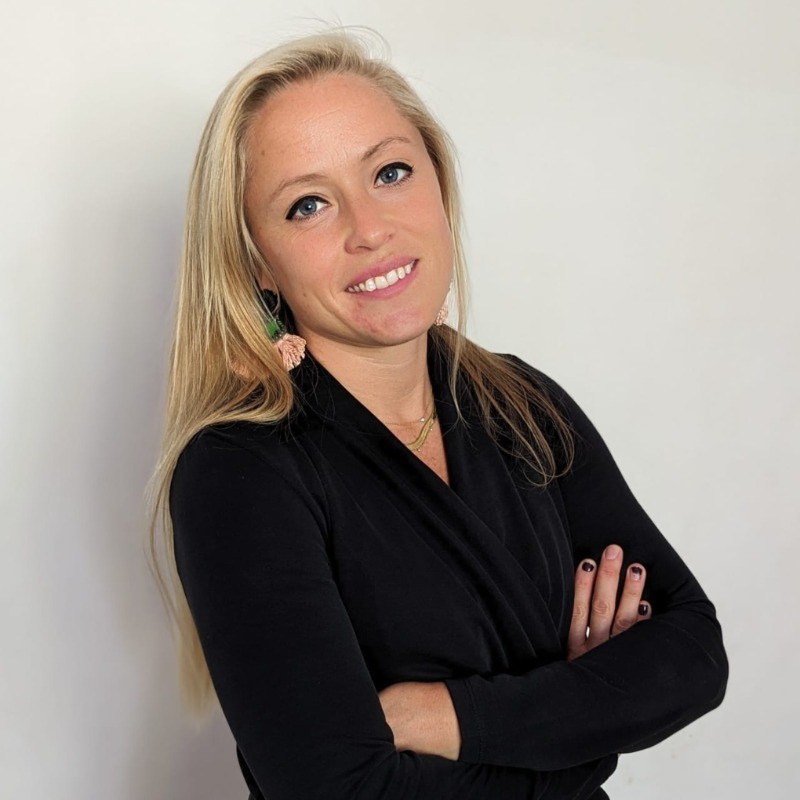
Founders & leadership


Investors · 19

How we know: research · bioptimus.com · Not right? Tell us

How we know: Cathay Innovation's portfolio page · funding news · techcrunch.com · the VCSheet dataset · open dataset · 5k.vc investor directory · Not right? Tell us

How we know: FELIX CAPITAL's portfolio page · open dataset · 5k.vc investor directory · Not right? Tell us
How we know: Frst's portfolio page · funding news · techcrunch.com · the VCSheet dataset · open dataset · 5k.vc investor directory · Not right? Tell us

How we know: Headline's portfolio page · techcrunch.com · open dataset · 5k.vc investor directory · Not right? Tell us

How we know: Headline Growth Management, LLC's portfolio page · Not right? Tell us

How we know: the VCSheet dataset · research · bioptimus.com · open dataset · 5k.vc investor directory · Not right? Tell us
How we know: Sofinnova Partners's portfolio page · funding news · techcrunch.com · open dataset · 5k.vc investor directory · Not right? Tell us

How we know: research · bioptimus.com · Not right? Tell us
How we know: research · bioptimus.com · Not right? Tell us

How we know: techcrunch.com · open dataset · 5k.vc investor directory · Not right? Tell us
How we know: techcrunch.com · open dataset · investor-profiles · Not right? Tell us
Also in the syndicate · 4
Funding
SEC filings, press & company announcements- Undisclosed amountSeries AJul 2025Source ↗
- Undisclosed amountseed roundFeb 2024
Sofinnova Partners (lead), Bpifrance's Large Venture fund, Cathay Innovation, Frst, Headline, Hummingbird, NJF Capital, Owkin, Top Harvest Capital
Source ↗
Source: company announcements and press reports — follow each round's link for the claim.
Company profile
researched Aug 2026Bioptimus is an AI-first biotech company building foundation models intended to represent human biology across modalities and scales, from cells and tissues to organs and patients. Its first released model, H-Optimus, is a foundation model for histology (H-Optimus-0, described as a 1.1 billion parameter model for histology images, followed by H-Optimus-1). In December 2025 the company unveiled M-Optimus, which integrates pathology, spatial transcriptomics and genomics into a single architecture and is positioned as a "world model of biology" producing a unified embedding space across tissue, molecular and clinical levels.
Applications marketed by the company include drug target and biomarker discovery from routine H&E histology slides (for example predicting the spatial distribution of ADC targets, immune microenvironment and stromal architecture), indication expansion by scoring archival trial cohorts, diagnostics and spatial biology pipelines combining histology, spatial transcriptomics and genomics, and treatment-response prediction and clinical trial design, including in-silico readouts such as objective response rate and progression-free survival and synthetic trial arms. The company states its models can be fine-tuned to predict gene expression from multimodal embeddings of slides, routine sequencing and spatial transcriptomics.
Alongside models, Bioptimus runs STELA (Spatial Tissue Embedding Learning Atlas), a multi-institutional data-generation initiative assembling deeply profiled, clinically linked multimodal patient data. STELA aims to profile up to 100,000 patient specimens across a global research network, described by the company as roughly a 20x increase over existing available data, and is built through partnerships with data holders and technology providers.
Founding story
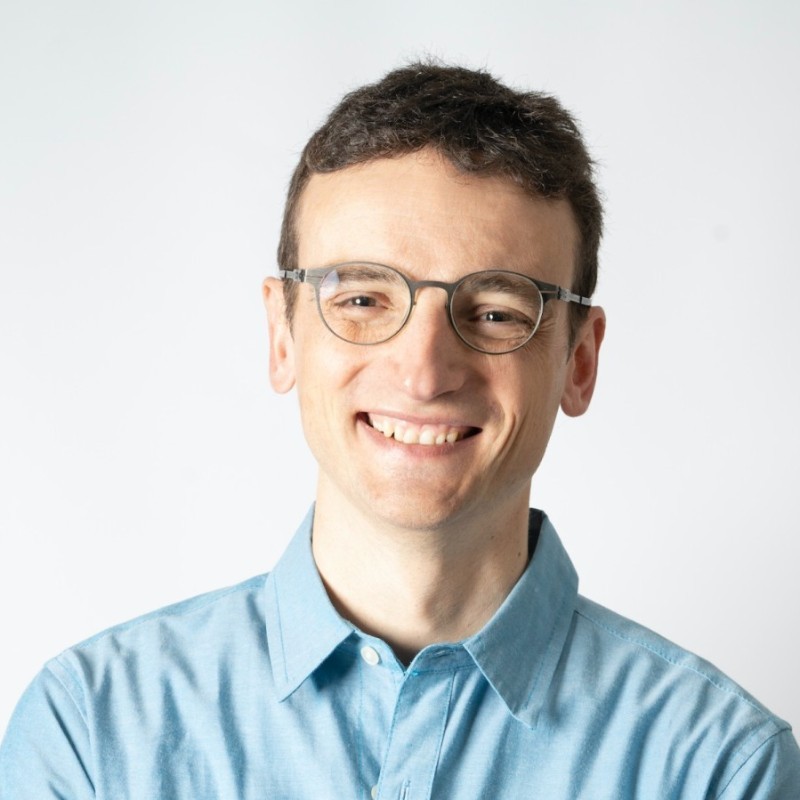
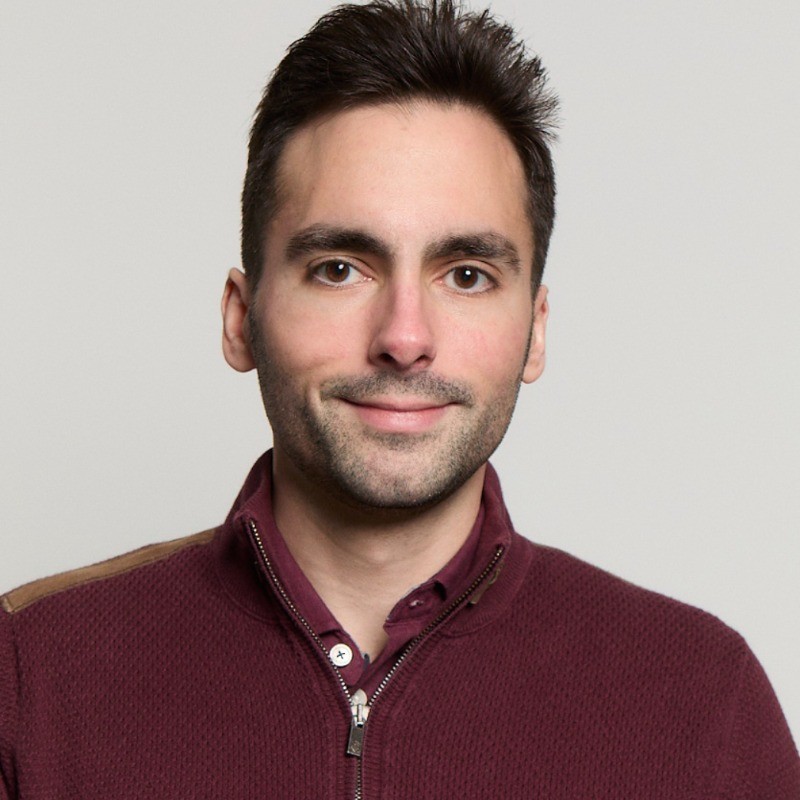
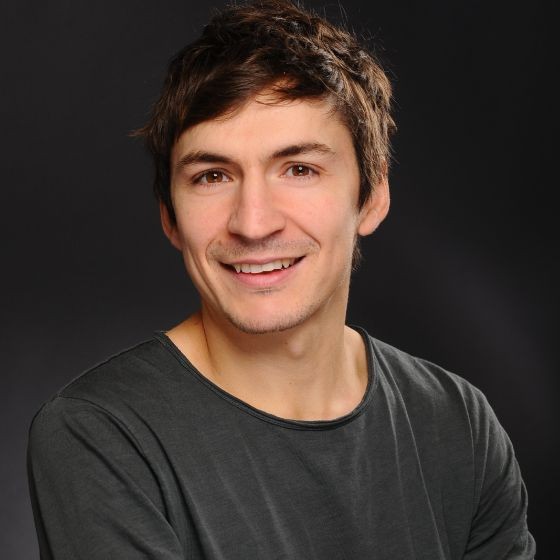
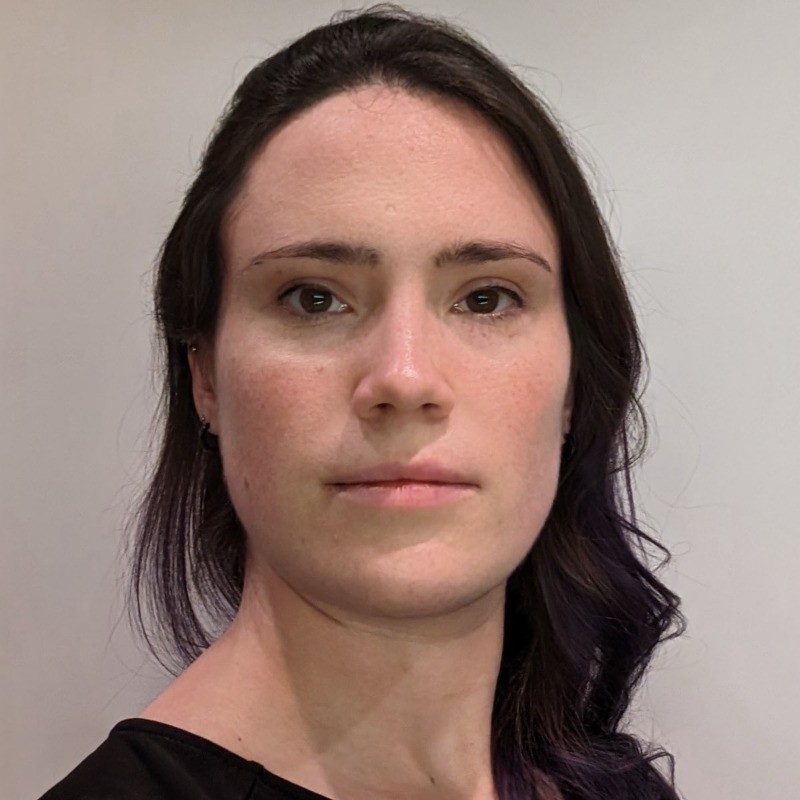
Bioptimus was founded in 2024 by six co-founders, several of whom came from Owkin and from large-scale machine learning research groups. CEO Jean-Philippe Vert was previously Chief R&D Officer at Owkin and a research lead at Google Brain; CTO Rodolphe Jenatton was a senior research scientist at Google Brain after five years at Amazon; VP of Research Zelda Mariet worked at Google DeepMind after a PhD at MIT; VP of AI Felipe Llinares-López worked on protein and DNA language models at Google DeepMind. According to Vert, building biology foundation models was not part of Owkin's roadmap, and a separate entity was better placed to assemble the data volume, compute and modality breadth required, with Owkin supporting and partnering with the new company and its multimodal patient data used in training.
Business model
Bioptimus develops foundation models and licenses or provides access to them for biomedical research and pharmaceutical development. Models are made available directly (early/pioneer access programmes for M-Optimus, access requests, open release of H-Optimus-0) and via cloud distribution, including a partnership with Amazon SageMaker AI for H-Optimus-1. In parallel it operates STELA, a collaborative data engine in which partner institutions contribute clinically linked multimodal patient data and in return benefit from the resulting atlas.
The company offers commercial access to its foundation models for pharmaceutical and biotech development pipelines, with tiered availability including open/benchmark pathology models and limited early access to M-Optimus; specific pricing terms are not disclosed.
Traction
As of the company website: over 1,184,533 total model downloads, more than 100 papers published using its models, use by 16 of the top 20 pharma companies and more than 1,000 clinical practices/institutions. Published case studies cover breast cancer recurrence risk prediction with H-Optimus-1 and STAMP, pathology report generation by ICGI researchers, spatial transcriptomics workflows in IBD research, and a clinical cancer prediction study with MIT. STELA data partnerships include 10x Genomics and Broad Clinical Labs, FFCD (clinical trial data from over 3,000 gastrointestinal cancer patients) and Cancer Research Horizons' S:CORT colorectal cancer dataset (over 1,750 patient profiles, the first UK cohort in STELA).
Latest developments
In August 2026 Bioptimus announced a partnership with Cancer Research Horizons for access to the S:CORT colorectal cancer dataset, adding over 1,750 patient profiles and the first UK cohort to STELA. Earlier in 2026 it signed a partnership with FFCD covering data from more than 3,000 gastrointestinal cancer patients (June 2026) and launched STELA with 10x Genomics and Broad Clinical Labs (March 2026), targeting up to 100,000 profiled specimens. In December 2025 it unveiled M-Optimus and expanded access to H-Optimus-1 through Amazon SageMaker AI.
▸Full profile — market position, technology, go-to-market, geography, history, risks & controversies
Market position
The company reports its pathology models rank first on industry-standard public benchmarks, citing PathBench overall ranks of 6.06 for H-Optimus-1 and 6.86 for H-Optimus-0 versus 6.34 for Virchow2, 7.10 for UNI2 and 7.65 for mSTAR (lower is better), and cites independent evaluations by Harvard Medical School's HEST program and the University of Leeds in which H-Optimus-0 outperformed other pathology models on gene-expression prediction from morphology and ovarian cancer subtyping.
Bioptimus positions its models as multimodal and multi-scale from the outset rather than confined to a single data type, with M-Optimus described as the first foundation model integrating pathology, spatial transcriptomics and genomics in one architecture. It also controls a proprietary data-generation engine (STELA) providing clinically linked multimodal cohorts, and cites top rankings on independent pathology benchmarks. It reports that 60% of its team hold PhDs, with backgrounds spanning Google Brain, Google DeepMind, Meta, Owkin, MIT, ETH Zürich, Cambridge and Helmholtz.
Technology
Self-supervised foundation models trained natively across biological modalities and scales. H-Optimus-0 is a 1.1 billion parameter foundation model trained on millions of pathology images; H-Optimus-1 is the later histology model. M-Optimus uses a proprietary neural architecture that maps disparate biological modalities (omics, imaging, clinical records) into a unified embedding space, supporting downstream task-specific models trained with limited data, as well as counterfactual simulation of interventions in silico.
Go-to-market
Direct engagement with pharmaceutical and biotech R&D organisations through model access programmes (request access, early access for pioneer clients), open release of pathology models that drive downloads and academic publications, cloud marketplace distribution via Amazon SageMaker AI, published case studies with research institutions, and institutional data partnerships under the STELA initiative.
Pharmaceutical and biotech R&D and clinical development teams, academic and hospital research groups, clinical practices and diagnostics laboratories. The company states it is used by 16 of the top 20 pharmaceutical companies and by more than 1,000 institutions/clinical practices worldwide.
Geography
Headquartered in Paris, France, with data and research partnerships spanning France (FFCD), the United Kingdom (Cancer Research Horizons / S:CORT, the first UK cohort in STELA) and the United States (10x Genomics, Broad Clinical Labs, MIT), and a stated user base of institutions worldwide.
History
The company was founded in 2024 and raised a $35 million seed round at inception. It released H-Optimus-0, an open-source pathology foundation model, in July 2024, and announced a $41 million round led by Cathay Innovation in January 2025, bringing total funding to $76 million. In December 2025 it unveiled M-Optimus and a distribution partnership for H-Optimus-1 via Amazon SageMaker AI. In March 2026 it announced the STELA atlas with 10x Genomics and Broad Clinical Labs, followed by data partnerships with FFCD (June 2026) and Cancer Research Horizons (August 2026).
Risks & controversies
The company notes that development depends on access to sensitive clinical training data that is often not publicly available, and that the biological data needed at scale does not yet exist and must be generated, making the model roadmap dependent on institutional data partnerships and on adherence to regulatory privacy and ethical data standards.
Compiled by commissioned research from 8 cited public sources — announcements, filings, and press listed under research sources below.
Key figures
latest reportedCompany-reported or press-reported figures, each dated to when it was claimed — not independently audited.
Founder mafia
4 people who came through Bioptimus went on to found or lead other companies.
Timeline · 8
launches, deals, and filingsBioptimus partnered with Cancer Research Horizons to access S:CORT, a multimodal colorectal cancer dataset, bringing the first UK cohort into STELA and adding over 1,750 patient profiles.
Bioptimus signed a partnership with the Fédération Francophone de Cancérologie Digestive granting access to clinical trial data from over 3,000 gastrointestinal cancer patients, incorporating spatial transcriptomics and omics data into M-Optimus.
Bioptimus announced STELA, described as the world's largest clinically linked spatial biology atlas, with key partners 10x Genomics and Broad Clinical Labs; the initiative aims to profile up to 100,000 patient specimens to scale M-Optimus, a roughly 20x increase over existing available data.
Alongside the M-Optimus unveiling, Bioptimus announced enhanced access to its pathology model H-Optimus-1 through a partnership and limited-time offer with Amazon SageMaker AI.
The company announced M-Optimus, described as the first model combining multiple biological modalities to simulate biology in its full complexity, offering early access to a limited number of pioneer clients.
Case study published describing a partnership with MIT on a clinical cancer prediction study.
Bioptimus announced reaching $76 million in total funding, including a $41 million injection led by Cathay Innovation with Sofinnova Partners, Bpifrance Large Venture, Andera Partners, Hitachi Ventures, Boom Capital Ventures, Sunrise and angel investors, less than 12 months after its initial seed round.
$41M source ↗
Bioptimus released H-Optimus-0, described as the world's largest open-source foundation model for pathology, trained on millions of histology images; it outperformed other pathology models in independent benchmarks by Harvard Medical School's HEST program and the University of Leeds.
Dated company events from announcements, filings, and press; legal rows summarize public dockets and regulator releases.
In the news
▸Research sources · 8
primary sources listed
- Bioptimusbioptimus.com · web
8 public sources were cited for this profile; the first-party ones are listed here.
Frequently asked questions
- What does Bioptimus do?
- Paris-based AI biotech building multimodal, multi-scale foundation models of biology for pathology, genomics and drug development.
- Who founded Bioptimus?
- Bioptimus was founded by Eric Durand, Felipe Llinares-López, Rodolphe Jenatton, Zelda Mariet, Jean-Philippe Vert, David Cahané, Charlie Saillard, Mathilda Strom in 2024.
- Who are Bioptimus's investors?
- Bioptimus's investors include Andera Partners, Cathay Innovation, FELIX CAPITAL, Frst, Headline, Headline Growth Management, LLC, Hitachi Ventures, Sofinnova Partners and 7 more.
- Where is Bioptimus headquartered?
- Bioptimus is headquartered in Paris, FR.