 Fundraising Fox
Transcenta Holding
Suzhou, CN · Founded 2012 · Public · 16 known investors
Find your way into Transcenta Holding
Sign up to see every warm intro you have to Transcenta Holding
- Paths you didn't know you had: your email and LinkedIn already hold routes to the Transcenta Holding team. We find them for you
- 2nd- and 3rd-degree connections: the friend-of-a-friend routes that take hours to manually find through your inbox or LinkedIn
- Answers now, not in days: momentum is everything in a raise. Skip asking around whether someone knows someone
Days of research, done the moment you sign in, with every route ranked by how warm it is.
Hong Kong-listed, Suzhou-headquartered biopharmaceutical company developing antibody therapeutics with in-house biomanufacturing.
Also known as 06628.HK · HKEX: 6628 · Transcenta · Transcenta Holding Limited · Transcenta Holding Ltd.
Founders & leadership
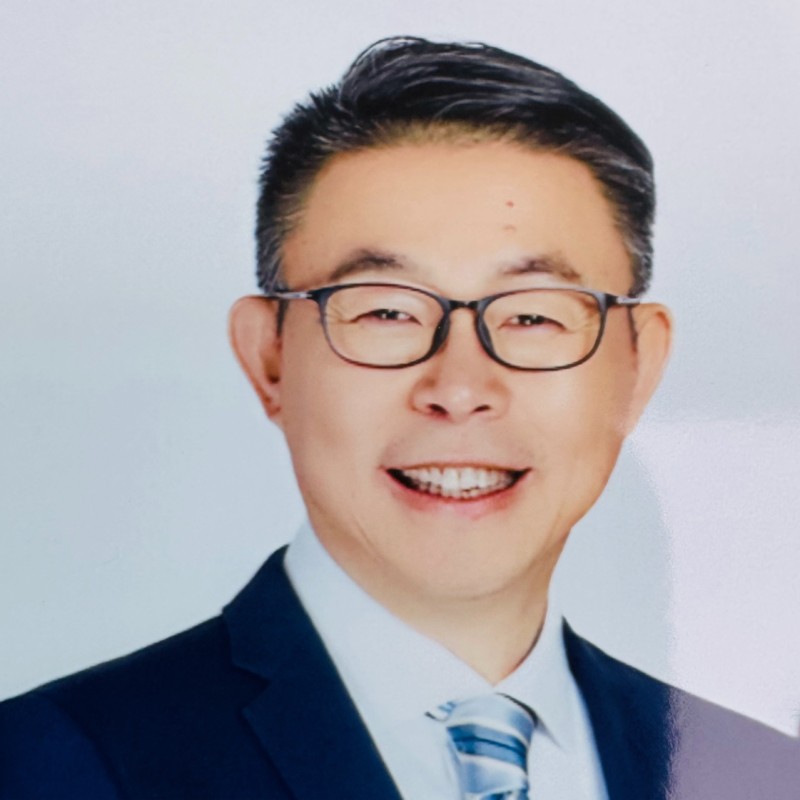
Transcenta Holding was founded in 2012 by Xueming Qian.
Investors · 16

How we know: ARCH Venture Partners's portfolio page · the VCSheet dataset · research · prnewswire.com · open dataset · 5k.vc investor directory · Not right? Tell us
How we know: funding news · research · prnewswire.com · Not right? Tell us
How we know: the VCSheet dataset · Not right? Tell us


Also in the syndicate · 9
Company profile
researched Aug 2026Transcenta Holding (HKEX: 6628) is a clinical-stage biopharmaceutical company with integrated capabilities spanning biologics discovery, translational research, process development, clinical development and manufacturing. Headquartered in Suzhou, China, it describes itself as a global fully integrated biotherapeutics company and reports a pipeline of more than ten (site figures cite 16 pipeline programs) therapeutic antibody candidates across oncology and selected non-oncology indications, principally bone and kidney disorders.
The oncology portfolio is led by Osemitamab (TST001), a Claudin 18.2-targeting monoclonal antibody in development for gastric/gastroesophageal junction cancer and other solid tumors, studied both in combination with PD-1 inhibitors plus chemotherapy and with chemotherapy alone. Other oncology assets include TST005 (PD-L1 x TGF-beta bispecific antibody), TST003 (Gremlin-1 mAb for colorectal and prostate cancers), TST013 (LIV-1 ADC), TST105 (FGFR2b-X bispecific ADC), TST106 (Claudin 18.2-X bispecific ADC), TST198 (Claudin 18.2 radioconjugate), TST786 (PD1-VEGF and Gremlin-1 trispecific), MSB2311 (pH-dependent PD-L1 antibody) and Ozekibart, a DR5 agonist antibody licensed for Greater China from Inhibrx. Non-oncology programs include Blosozumab (TST002), a sclerostin antibody in-licensed from Eli Lilly for Greater China for osteoporosis; TST004 (MASP-2 mAb for IgAN and TMA, co-developed with Alebund in Greater China); and preclinical BAFF/APRIL-directed candidates TST801, TST808 and TST008 for autoimmune disease and IgAN.
The company's discovery engine is its proprietary Immune Tolerance Breaking Technology (IMTB) antibody generation platform, complemented by a next-generation continuous/perfusion bioprocessing platform (HiCB) intended to raise productivity and lower cost of goods. Transcenta also reports CDMO business activity and out-licensing of its HiCB platform.
Founding story
Transcenta was formed in January 2019 through the merger of MabSpace Biosciences and HJB. MabSpace, founded in 2013 (the company's own milestone timeline dates the establishment of Mabspace Biosciences (Suzhou), now Suzhou Transcenta Therapeutics, to 2012), was a Hong Kong-headquartered, Suzhou-based clinical-stage antibody discovery and development company with a roughly 60-person team and a 50,000 sq ft facility in Biobay, Suzhou Industrial Park; it developed the Immune Tolerance Breaking Technology platform. HJB, founded in 2016 with sites in Shanghai, Hangzhou and Boston and over 100 staff, focused on innovative bioprocessing and operated a 140,000 sq ft POD-based manufacturing facility using continuous processing technology. Co-founders Xueming Qian (former MabSpace founder, chairman and CEO) and Jonathan Yining Zhao (HJB co-founder and CEO) had previously worked together at Amgen; Qian became CEO of the combined company and Zhao executive chairman. Qian has said the merger was motivated by MabSpace's lack of in-house CMC control and HJB's lack of discovery capability, and that the name reflects an intent to 'transcend' what other companies had accomplished.
Business model
Transcenta develops proprietary antibody-based therapeutics for global markets while operating its own process development and GMP manufacturing capacity. It combines in-house discovery with in-licensing of external assets (for example Blosozumab from Eli Lilly for Greater China and Ozekibart from Inhibrx for Greater China) and partnering/co-development arrangements. It also makes its manufacturing platform available to third parties, reporting CDMO business and out-licensing milestone payments for the HiCB platform.
Sources indicate revenue-generating activity from CDMO services and out-licensing of the HiCB manufacturing platform, including a reported HiCB out-licensing milestone payment; no revenue figures are disclosed in the sources.
Traction
The company reports 16 pipeline programs and 139 issued and pending patents. Clinical progress includes multiple IND clearances from FDA and NMPA, two FDA orphan drug designations for Osemitamab (G/GEJ cancer in 2021 and pancreatic cancer in 2023), and repeated data presentations at AACR, ASCO, ESMO, ESMO Asia and SABCS covering Osemitamab combination trials (including the Phase I/II Transtar102 trial with nivolumab and CAPOX), TST003, TST013 (LIV-1 ADC) and an FGFR2b-targeting ADC. Prior to the December 2020 crossover round the company reported having raised over $347 million cumulatively.
Latest developments
The company's milestone timeline lists 2024 items including an Agilent collaboration on a Claudin 18.2 companion diagnostic supporting a global Phase III trial of Osemitamab, AACR 2024 data for Osemitamab and TST003, Phase II first-line triple-combination data for Osemitamab in G/GEJ cancer at ASCO 2024 and updated data at ESMO 2024, and LIV-1 ADC preclinical data at SABCS 2024. For 2025 it lists preclinical FGFR2b ADC data at AACR 2025, overall survival data from the first-line triple combination trial at ASCO 2025, and updated Transtar102 data at ESMO Asia. Entries listed under 2026 include the appointment of Dr. Christopher Hwang as Head of Global Partnerships for the HiCB platform, reported progress for Osemitamab in pancreatic cancer and updated TST013 data at AACR, receipt of a HiCB out-licensing milestone payment alongside CDMO business growth, and a strategic collaboration with WuXi Biologics.
▸Full profile — market position, technology, go-to-market, geography, history, risks & controversies
Market position
The company positions itself as a fully integrated biotherapeutics developer combining discovery through manufacturing, with an emphasis on differentiated, affordable biologics. Its lead asset targets Claudin 18.2 in gastric/gastroesophageal junction cancer; CEO Xueming Qian has described the pH-dependent PD-L1 antibody as a differentiator in a crowded Chinese oncology market where speed to market is a decisive competitive factor.
Stated differentiators are the IMTB antibody discovery platform designed to reach novel epitopes with freedom to operate, integration of discovery with in-house continuous bioprocessing to shorten IND timelines (the CEO cited reducing typical 18-24 month, $5-6 million IND filing efforts to 12-15 months with over 40 percent cost reduction), and manufacturing cost reduction intended to make biologics more affordable.
Technology
Core technologies are the Immune Tolerance Breaking Technology (IMTB) antibody generation platform, used to produce candidates with differentiated biological profiles and improved druggability; translational research platforms generating PK, PD, toxicology and immunogenicity data to model clinical response; and process development using both classical fed-batch and perfusion-based continuous bioprocessing, marketed as the next-generation HiCB platform to increase capacity and lower manufacturing cost. By late 2020 the company reported perfusion productivity above 4 g/L per day for multiple cell lines and scale-up of a perfusion process to 200L for GMP production of an in-house bispecific antibody. Modalities in the pipeline span monoclonal antibodies, bispecific antibodies, antibody-drug conjugates, bispecific ADCs, trispecific antibodies and a radioconjugate.
Go-to-market
Development is advanced through clinical trials in China and the US and through strategic collaborations with pharmaceutical and equipment partners, including BMS (Opdivo combination), Merck KGaA (continuous manufacturing technology), Agilent (Claudin 18.2 companion diagnostic), Alebund (TST004 co-development in Greater China), and WuXi Biologics (strategic collaboration on pipeline development). Regional rights deals (Eli Lilly, Inhibrx) supplement in-house global-rights programs.
Patients with oncology indications (notably gastric/gastroesophageal junction, colorectal, prostate and other solid tumors) and non-oncology indications including osteoporosis, IgA nephropathy, thrombotic microangiopathy and autoimmune disease; also biopharmaceutical partners for CDMO services and manufacturing platform licensing.
Geography
Headquartered in Suzhou, China, with what the company describes as seven global footprints: a discovery and translational research center in Suzhou, a process and product development center and manufacturing facility in Hangzhou, clinical development centers in Beijing, Shanghai, Guangzhou and Princeton (US), and an external partnering center in Boston (US). Corporate announcements have also been issued from Hong Kong.
History
Per the company's milestone timeline: Mabspace Biosciences (Suzhou) was established in 2012 and the IMTB platform developed in 2013; HJB (Hangzhou) was established in 2016. In 2018 HJB launched its Hangzhou process/product development center and manufacturing facility and MSB2311 received IND clearance from FDA and NMPA. The two companies merged to form Transcenta in 2019, the year Blosozumab (TST002) was in-licensed and MSB0254 received NMPA IND clearance. In 2020 Osemitamab (TST001) obtained NMPA and FDA IND clearance and was first dosed in a US Phase I trial, a collaboration with Merck on continuous downstream manufacturing was formed, and a JV with Alebund was created for TST004. In 2021 the company obtained FDA and NMPA IND clearances for TST005, received FDA orphan drug designation for Osemitamab in G/GEJ cancer, and listed on HKEX on 29 September under stock code 6628. In 2022 it entered a global clinical collaboration with BMS to evaluate Osemitamab with Opdivo, dosed first patients in several trials, and obtained FDA IND clearances for TST003 and TST004. In 2023 it obtained NMPA IND clearance for TST003, dosed the first US Phase I patient for TST003, and received FDA orphan drug designation for Osemitamab in pancreatic cancer.
Risks & controversies
The CEO has publicly noted business risk from antibody and epitope patent litigation in the sector, citing Amgen's suit against Sanofi and Regeneron, and the need to design around existing patents to preserve global freedom to operate. Intense competition and the importance of speed to market in China are also cited. No other controversies appear in the sources.
Compiled by commissioned research from 8 cited public sources — announcements, filings, and press listed under research sources below.
Key figures
latest reportedCompany-reported or press-reported figures, each dated to when it was claimed — not independently audited.
Timeline · 18
launches, deals, and filingsCompanion diagnostic to support the global Phase III trial of Osemitamab (TST001).
Led by China Structural Reform Fund with participation from Country Garden Venture Capital, Qatar Investment Authority and existing investors.
$105M source ↗
Co-led by CR-CP Life Science Fund and Fortune Capital, with China Renaissance as exclusive financial advisor.
$100M source ↗
Definitive merger agreement creating Transcenta Holding Ltd.; Xueming Qian became CEO and Jonathan Yining Zhao executive chairman.
Exclusive Greater China license for a portfolio of novel antibodies for bone diseases, including phase 2-completed Blosozumab for osteoporosis.
Predecessor entity established, later renamed Suzhou Transcenta Therapeutics Co., Ltd.
Dated company events from announcements, filings, and press; legal rows summarize public dockets and regulator releases.
▸Research sources · 8
primary sources listed
- TRANSCENTA HOLDING - A Global Fully Integrated Biotherapeutics Companytranscenta.com · web
8 public sources were cited for this profile; the first-party ones are listed here.
Frequently asked questions
- What does Transcenta Holding do?
- Hong Kong-listed, Suzhou-headquartered biopharmaceutical company developing antibody therapeutics with in-house biomanufacturing.
- Who founded Transcenta Holding?
- Transcenta Holding was founded by Xueming Qian in 2012.
- Who are Transcenta Holding's investors?
- Transcenta Holding's investors include ARCH Venture Partners, China Structural Reform Fund, Fortune Venture Capital, Hillhouse Capital, Lilly Asia Ventures, Qatar Investment Authority, Temasek.
- Where is Transcenta Holding headquartered?
- Transcenta Holding is headquartered in Suzhou, CN.