
Miist Therapeutics
Entrepreneur First '21Alameda, US · Founded 2021 · 5 known investors
Find your way into Miist Therapeutics
174 people in our graph share verified history with the Miist Therapeutics team — schools, employers, funds. One of them is your warm intro.
Miist develops inhaled microparticle therapies designed to deliver systemic medication to the bloodstream within about 30 seconds, targeting conditions such as migraine, pain, and nausea. Its lead product, MST-02, is a migraine inhaler being advanced into a Phase 1/2 clinical trial.
Also known as Miist · MIIST Therapeutics
Founders & leadership
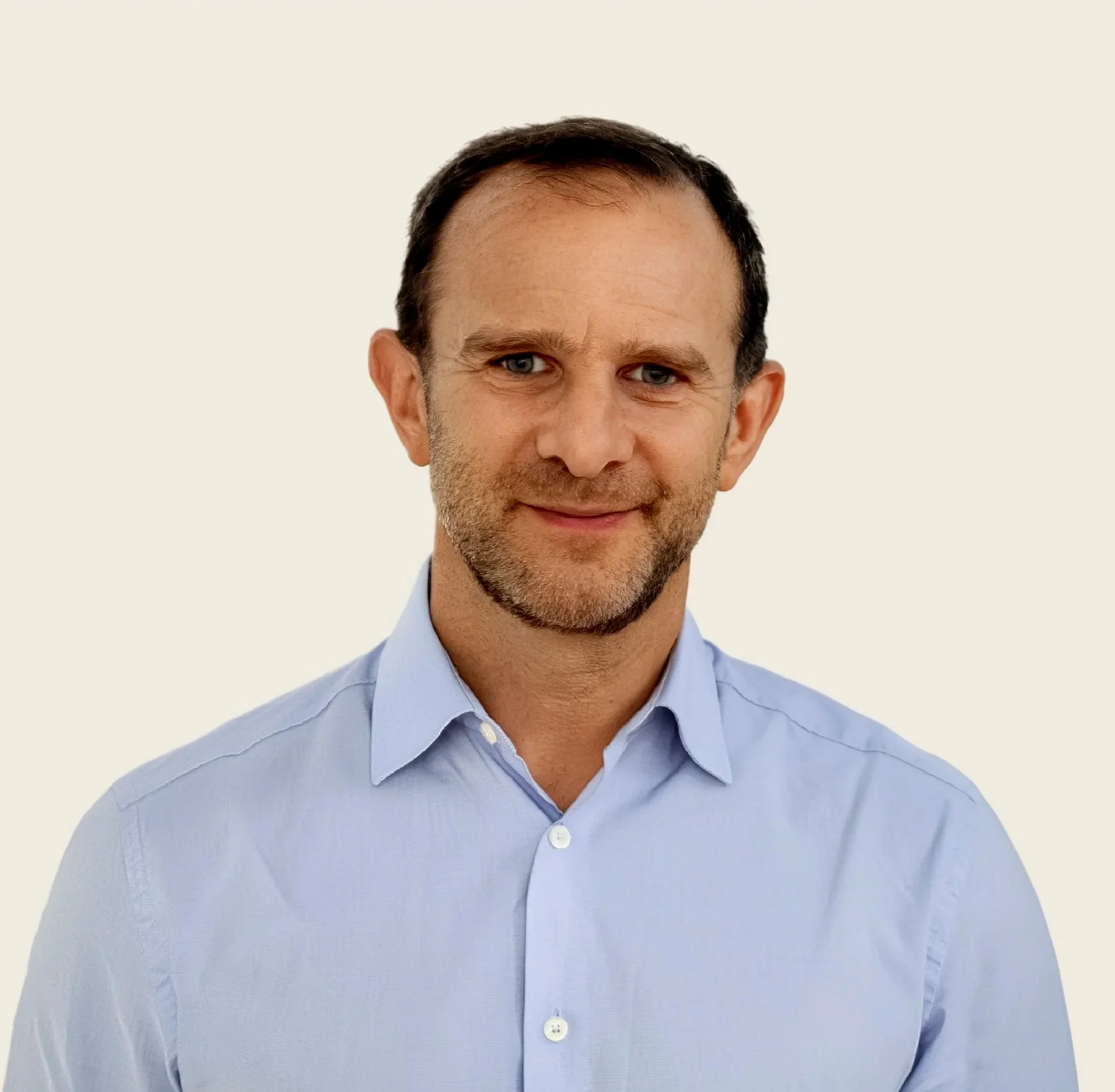
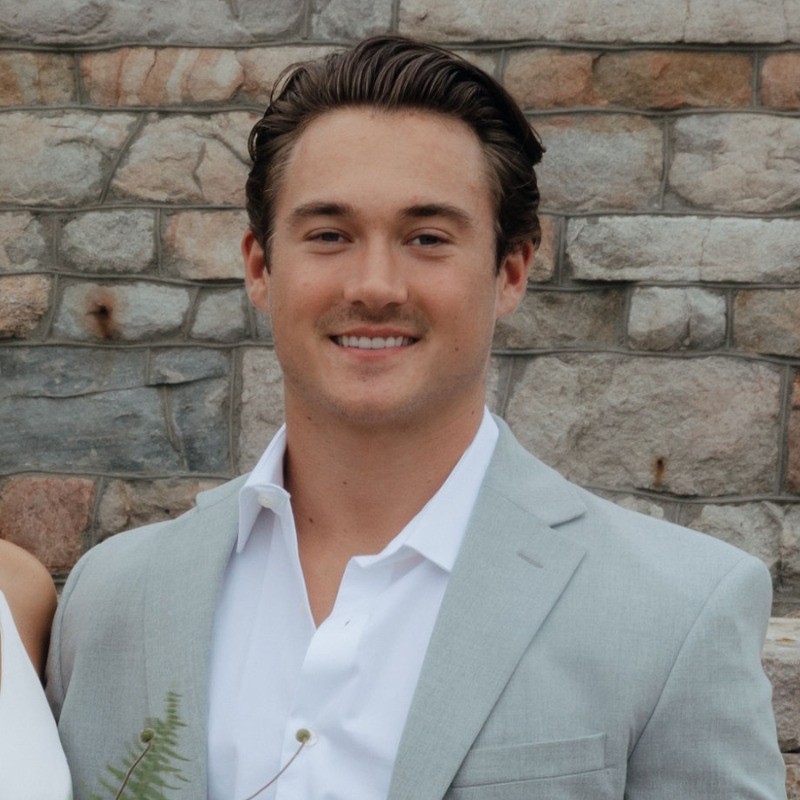
Miist Therapeutics was founded in 2021 by Eric Ezerins and Dalton Signor.

Investors · 5

Also in the syndicate · 3
Company profile
researched Aug 2026Miist Therapeutics is an Alameda, California-based developer of inhaled medicines built on a physics-based aerosol drug delivery platform. Its inhaler uses ultrasonic vibration, rather than heat, to generate sterile aqueous drug particles of roughly 2 microns that deposit in the peripheral lung, where the company says they are absorbed directly into the bloodstream. The company positions this against oral therapies, which it describes as taking one to four hours to act, and against conventional inhaled medicines, whose larger particles it says become trapped in the lung and are therefore unsuitable for systemic conditions.
The platform is intended to support a portfolio of instant-acting therapies across migraine, pain, anxiety, insomnia and nausea. Miist reports that in a 10-patient clinical trial using a reference molecule, its microparticles reached Cmax within 30 seconds and patients achieved 92% symptom relief within two minutes. Two assets have been described publicly: MST-01 for smoking addiction, for which Phase 1 results were reported, and MST-02, an inhaled migraine therapy. MST-02 has been tested in two canine studies with reported rapid onset and a favorable safety profile, and the company states it is advancing the program into a Phase 1/2 clinical trial. A February 2025 $7M financing was described as funding acceleration of both the migraine and smoking cessation programs.
Founding story
Sources describe the company as founded by Eric Ezerins, who serves as Head of Technology, and Dalton Signor, who serves as CEO; the two are described as long-time friends who took Miist from an idea to a clinical-stage therapeutics company in under two years [0][1][3]. One aggregator profile gives a founding year of 2019 and additionally names Jeff Schuster, a Berkeley physics PhD focused on aerosol drug delivery, as a co-founder, and states that Signor left university to pursue the company; this conflicts with other records and the source is of uncertain reliability [3].
Business model
Miist is a clinical-stage therapeutics developer. It advances proprietary drug-device candidates (an inhaler plus formulation) through preclinical and clinical development toward FDA approval; an earlier company profile described the smoking cessation product as intended to be an FDA-approved prescription treatment delivering an already-approved smoking cessation medication [2][4].
Traction
The company reports clinical validation of its microparticle platform in a 10-patient trial (Cmax within 30 seconds; 92% symptom relief within two minutes), Phase 1 results for MST-01 in smoking cessation, and two canine studies for MST-02 ahead of a planned Phase 1/2 trial. It operates a 2,000 sq ft aerosol lab in Alameda, California, and raised $7M in February 2025 [0][1][3][4].
Latest developments
In February 2025 Miist announced $7M in funding to accelerate its migraine and smoking cessation programs. Its website describes MST-02 as being advanced into a Phase 1/2 clinical trial following two canine studies, and lists press coverage of the raise including a TechCrunch article on the company taking on smoking cessation and migraine [0][1][3][4][5].
▸Full profile — market position, technology, go-to-market, geography, risks & controversies
Market position
Miist frames its opportunity around acute conditions that are poorly served by slow-acting oral drugs. For migraine it cites 40 million Americans living with migraine, about 4 million with 15 or more attacks per month, roughly $3.5 billion in annual spend on migraine pills, and a stated ~70% failure rate for severe attacks, arguing that migraines become unresponsive 30-60 minutes after onset while pills take two to four hours for full effect. An earlier profile of the smoking cessation program cited a $14B US smoking cessation market with a forecast CAGR of 14.37% through 2027 and roughly 90% failure rates for existing therapeutics [0][1][2].
Stated differentiators include particle size roughly half that of conventional inhalers enabling peripheral-lung deposition, peak plasma levels in under 30 seconds (described as comparable to intravenous administration but non-invasive), production of sterile aqueous particles by vibration rather than heat, automated software-controlled dosing, and platform extensibility across multiple therapeutic areas [0][1][3][4].
Technology
The core technology is an inhaler that uses ultrasonic vibration to generate sterile aqueous drug particles approximately 2 microns in diameter, roughly half the size the company attributes to traditional inhalers, enabling deposition in the peripheral lung and rapid systemic absorption. The company reports peak plasma levels in under 30 seconds, describes the approach as avoiding heat, and cites software-controlled, automated delivery intended to standardize dosing and inhalation technique. The company has published a white paper titled "Physics Meets Pharma: Modifying Aerosol Drug Particles for Rapid Lung Absorption." [0][1][3][4]
Go-to-market
Patients with acute conditions requiring rapid symptomatic relief, initially migraine sufferers and smokers attempting cessation; products are positioned as prescription therapies [0][1][2][3].
Geography
Headquartered in Alameda, California, with a 2,000 sq ft aerosol laboratory there; market discussion focuses on the United States [0][1][2][4].
Risks & controversies
Public sources are inconsistent on basic company facts: one aggregator lists a 2019 founding date, 201-500 employees and a different co-founder set (including Jeff Schuster) than the company website, and its investor list (Ahren Innovation Capital, Alumni Ventures, Khosla Ventures, Moonstone Venture Capital, Refactor Capital, The Longevity Fund) differs from the investor list in the funding coverage (Refactor Capital, 1517 Fund, Freeflow Ventures, Entrepreneur First, California Innovation Fund) [3][4]. Efficacy and pharmacokinetic claims originate largely from the company itself and describe early-stage studies; the lead migraine asset has not yet completed a Phase 1/2 trial [0][1][3][4].
Compiled by commissioned research from 8 cited public sources — announcements, filings, and press listed under research sources below.
Key figures
latest reportedCompany-reported or press-reported figures, each dated to when it was claimed — not independently audited.
Timeline · 2
launches, deals, and filingsMiist Therapeutics raised $7M in funding, reported as a seed round, with backers including Refactor Capital, 1517 Fund, Freeflow Ventures, Entrepreneur First and California Innovation Fund. The company said it would use the proceeds to accelerate its two active programs in migraine and smoking cessation.
$7M source ↗
Phase 1 results for MST-01 reported patients achieving 92% symptom relief within two minutes post-dosing.
Dated company events from announcements, filings, and press; legal rows summarize public dockets and regulator releases.
▸Research sources · 8
primary sources listed
- Miist Therapeuticsmymiist.com · web
8 public sources were cited for this profile; the first-party ones are listed here.
Frequently asked questions
- What does Miist Therapeutics do?
- Miist Therapeutics develops inhaled microparticle drugs that reach peak plasma levels in under 30 seconds.
- Who founded Miist Therapeutics?
- Miist Therapeutics was founded by Eric Ezerins, Dalton Signor in 2021.
- Who are Miist Therapeutics's investors?
- Miist Therapeutics's investors include Entrepreneur First, Refactor Capital.
- Where is Miist Therapeutics headquartered?
- Miist Therapeutics is headquartered in Alameda, US.