Juno Therapeutics
AcquiredSeattle, US · Founded 2013 · Delaware corporation · 5 known investors
Find your way into Juno Therapeutics
Seattle CAR-T and TCR cancer immunotherapy company founded in 2013 and acquired by Celgene for $9 billion in 2018.
Also known as JUNO · Juno Therapeutics, Inc.
Founders & leadership
Juno Therapeutics was founded in 2013 by Hans Bishop and Richard Klausner.
Board

Investors · 5

Also in the syndicate · 3
Reported raises · per SEC filings
Form D private placements$1B disclosed across 4 of 8 rounds · 2013–2017
▶$31.1MraisedOct 2017 · 1 investors · BiotechnologyRule 506(c)
- Mary Agnes WilderotterDirector
- Hal BarronDirector
- Richard KlausnerDirector, Promoter
- Anthony EvninDirector
- Robert NelsenDirector, Promoter
- Sunil AgarwalExecutive Officer
- Steven HarrExecutive Officer
- Robert AzelbyExecutive Officer
- Thomas DanielDirector
- Howard PienDirector
- Hans BishopExecutive Officer, Director, Promoter
- Bernard J. CassidyExecutive Officer
- Rupert VesseyDirector
- Jay FlatleyDirector
- Offering amount
- $31.1M
- Amount sold
- $31.1M
- First sale
- Sep 2017
- Incorporated
- Corporation, Delaware, 2013
- Federal exemptions
- 06c
▶$898.5MraisedJun 2017 · 2 investors · BiotechnologyRule 506(c)
- Howard PienDirector
- Hal BarronDirector
- Hans BishopExecutive Officer, Director, Promoter
- Bernard J. CassidyExecutive Officer
- Rupert VesseyDirector
- Robert AzelbyExecutive Officer
- Richard KlausnerDirector, Promoter
- Anthony EvninDirector
- Mary Agnes WilderotterDirector
- Thomas DanielDirector
- Robert NelsenDirector, Promoter
- Sunil AgarwalExecutive Officer
- Jay FlatleyDirector
- Steven HarrExecutive Officer
- Amount sold
- $898.5M
- First sale
- Jun 2015
- Incorporated
- Corporation, Delaware, 2013
- Federal exemptions
- 06c
▶$85.5MraisedAug 2014 · 22 investors · BiotechnologyRule 506(b)
- Steven HarrExecutive Officer
- Robert NelsenDirector, Promoter
- Marc Tessier-LavigneDirector
- Hans BishopExecutive Officer, Director, Promoter
- Mark FrohlichExecutive Officer
- Bernard CassidyExecutive Officer
- Richard KlausnerDirector, Promoter
- Anthony EvninDirector
- Howard PienDirector
- Offering amount
- $133.7M
- Amount sold
- $85.5M
- First sale
- Aug 2014
- Incorporated
- Corporation, Delaware, 2013
- Federal exemptions
- 06b
▶$28.4MraisedMay 2014 · 34 investors · BiotechnologyRule 506(b)
- Anthony EvninDirector
- Hans BishopExecutive Officer, Director, Promoter
- Howard PienDirector
- Marc Tessier-LavigneDirector
- Rick KlausnerDirector, Promoter
- Robert NelsenDirector, Promoter
- Offering amount
- $97M
- Amount sold
- $28.4M
- First sale
- Apr 2014
- Incorporated
- Corporation, Delaware, 2013
- Federal exemptions
- 06b
Source: SEC EDGAR Form D. Amounts as filed; amended filings shown once at their latest values.
Company profile
researched Aug 2026Juno Therapeutics, Inc. was an American biopharmaceutical company headquartered in Seattle, Washington, founded in 2013 through a collaboration among Fred Hutchinson Cancer Research Center, Memorial Sloan-Kettering Cancer Center and Seattle Children's Research Institute. The company developed adoptive T-cell therapies for cancer, building two complementary engineered-cell platforms: chimeric antigen receptors (CARs), which target antigens expressed on the surface of cancer cells, and high-affinity T-cell receptors (TCRs), which can detect alterations in intracellular proteins in tumor cells. In its approach, T cells are collected from a patient's blood, genetically modified to recognize and bind cancer cells, and infused back into the patient.
Juno initially focused on blood cancers, including leukemia, acute and aggressive lymphomas and B-cell lymphomas, targeting patients with advanced disease who had not responded to chemotherapy, radiation or transplant, with a stated intention to expand into solid tumors. Its lead candidate, JCAR017 (lisocabtagene maraleucel, liso-cel), is an autologous anti-CD19 CAR T-cell immunotherapy with a defined composition of purified CD8+ and CD4+ CAR T cells; it entered pivotal trials for relapsed and/or refractory diffuse large B-cell lymphoma and was approved by the U.S. FDA on February 5, 2021 as Breyanzi for adults with certain types of large B-cell lymphoma after at least two prior lines of systemic treatment.
The company listed on Nasdaq under the ticker JUNO. Celgene completed its acquisition of Juno on March 6, 2018, and Juno subsequently became part of Bristol-Myers Squibb following BMS's completion of its Celgene acquisition in November 2019.
Founding story
Juno was formed by three cancer research institutions — Fred Hutchinson Cancer Research Center, Memorial Sloan-Kettering Cancer Center and Seattle Children's Research Institute — that combined their intellectual property in cell-based immunotherapy rather than licensing it separately, with the stated rationale that a commercially funded enterprise could advance T-cell therapies faster than a grant-dependent model. It launched publicly in early December 2013 with $120 million in initial private investment, described at the time as one of the largest Series A rounds in biotechnology history, backed by ARCH Venture Partners and the Alaska Permanent Fund through a partnership managed by Crestline Investors. Hans Bishop, a biotech industry veteran, was named chief executive officer. Founding scientists and founders included Michel Sadelain, Renier Brentjens and Isabelle Rivière of Memorial Sloan Kettering; Larry Corey, Philip Greenberg and Stanley Riddell of Fred Hutchinson; Michael Jensen of Seattle Children's Research Institute; Richard Klausner, former director of the National Cancer Institute; and Robert Nelsen of ARCH Venture Partners.
Business model
Juno operated as a clinical-stage biopharmaceutical developer, funding drug development through venture capital, a public listing and partnerships, and seeking FDA licensure for multiple engineered T-cell product candidates in hematologic and solid tumor cancers. It supplemented internal research with in-licensing, acquisitions of enabling technology companies and large pharmaceutical collaborations, notably a 10-year partnership with Celgene valued at $1 billion under which Celgene gained rights to sell Juno's therapies internationally.
Sources describe upfront and collaboration payments from partners (for example, a $150 million payment from Celgene under the 2015 partnership) and the commercialization pathway for approved cell therapies, but do not detail product revenue figures.
Traction
By the December 2013 launch, roughly two dozen patients across the three founding institutions had been treated with cell-based immunotherapies in clinical trials, with a majority reported in remission, including complete remission in ten of twelve patients with relapsed or refractory leukemia reported by Memorial Sloan Kettering researchers. CD19-directed CAR T-cell therapies were in phase 1/2 trials by August 2014, and JCAR017 was in pivotal DLBCL trials at the time of the Celgene acquisition, with Celgene citing potential global peak sales of approximately $3 billion. Liso-cel was approved by the FDA as Breyanzi in February 2021.
Latest developments
Celgene completed its acquisition of Juno on March 6, 2018 and Juno was delisted from Nasdaq; Bristol-Myers Squibb completed its acquisition of Celgene in November 2019, making Juno a BMS subsidiary. The FDA approved liso-cel (Breyanzi) on February 5, 2021. A 2022 retrospective describes Juno's continuing influence on the Seattle biotechnology cluster through alumni-founded companies.
▸Full profile — market position, technology, go-to-market, geography, history
Market position
Juno was among the first clinical-stage cell therapy companies and was regarded as a leader in CAR-T development; its acquisition was framed by Celgene as positioning the acquirer as a leading cellular immunotherapy company. Commentators credit Juno with validating Seattle as a hub for cell and gene therapy and for immuno-oncology, and with seeding a generation of successor companies staffed by former employees, including Sana Biotechnology, Lyell Immunopharma, Umoja Biopharma, Shape Therapeutics, GentiBio, Century Therapeutics, Affini-T Therapeutics and others.
Juno combined intellectual property and clinical expertise from three leading cancer research institutions in a single company, pursued both CAR and TCR platforms rather than one, and developed a defined-composition CD8+/CD4+ CAR T product. Its financings were unusually large for the period, drawing sovereign wealth (Alaska Permanent Fund) and public mutual fund investors into private rounds.
Technology
Two complementary engineered T-cell platforms: chimeric antigen receptors (CARs) directed at cell-surface antigens such as CD19, CD22 and BCMA, and high-affinity T-cell receptors (TCRs) able to detect altered intracellular proteins in tumor cells. Patient T cells are harvested, genetically modified and reinfused. Capabilities were extended through acquisitions and licenses covering next-generation single-cell sequencing (AbVitro), antibody discovery (X-Body), cell manufacturing/processing (Stage Cell Therapeutics), gene editing (Editas collaboration) and a small-molecule adenosine A2a receptor antagonist, vipadenant (RedoxTherapies). Lead product JCAR017/liso-cel uses a defined composition of purified CD8+ and CD4+ CAR T cells.
Go-to-market
Development was pursued via clinical trials run with its founding academic institutions, followed by regulatory approval pathways; commercialization and global distribution rights were placed with Celgene under the 2015 partnership and later through outright acquisition. International expansion used a joint venture model, exemplified by the co-founding of JW Therapeutics in China in 2016.
Patients with advanced hematologic cancers — including leukemia, acute and aggressive lymphomas and B-cell lymphomas — who had not responded to chemotherapy, radiation or transplant, with planned expansion into solid tumors; therapies are delivered through cancer treatment centers.
Geography
Headquartered in Seattle, Washington, with founding research partners in Seattle and New York; international reach extended through JW Therapeutics, a Chinese company Juno co-founded in 2016.
History
Following its December 2013 launch, Juno closed a $176 million Series A in April 2014 and a $134 million Series B of new investment in August 2014, having raised more than $300 million in under twelve months, and went public within a year of launch, raising a further $265 million in its IPO. In December 2014 it signed an agreement with Opus Bio for a CD22-targeting CAR-T candidate. In 2015 it entered a cancer combination-therapy collaboration with MedImmune (AstraZeneca), announced its intention to acquire Stage Cell Therapeutics for up to $223 million, launched a gene-editing collaboration with Editas Medicine worth potentially more than $737 million to Editas, acquired X-Body for more than $44 million, and struck a 10-year, $1 billion partnership with Celgene that included a $150 million payment and Celgene's purchase of 9.1 million new Juno shares. In 2016 Juno acquired AbVitro for single-cell sequencing capability, agreed to acquire RedoxTherapies for $10 million (gaining an exclusive license to the adenosine A2a receptor antagonist vipadenant), licensed a fully human BCMA-targeting binding domain from Memorial Sloan Kettering and Eureka Therapeutics, and co-founded the Chinese cell therapy company JW Therapeutics. Celgene announced the $9 billion acquisition in January 2018 and completed it on March 6, 2018; Bristol-Myers Squibb completed its acquisition of Celgene in November 2019.
Compiled by commissioned research from 8 cited public sources — announcements, filings, and press listed under research sources below.
Key figures
latest reportedCompany-reported or press-reported figures, each dated to when it was claimed — not independently audited.
Timeline · 16
launches, deals, and filingsThe U.S. FDA approved the cell-based gene therapy for adults with certain types of large B-cell lymphoma who have not responded to, or relapsed after, at least two other systemic treatments.
BMS completed its acquisition of Celgene, Juno's parent company.
Acquisition completed; Juno common stock delisted from the NASDAQ Global Select Market. Celgene gained full global rights to JCAR017 (liso-cel).
$9B source ↗
Provided an exclusive license to vipadenant, a small molecule adenosine A2a receptor antagonist.
$10M source ↗
Added next-generation single-cell sequencing platforms to Juno's T-cell engineering capabilities.
Juno co-founded JW Therapeutics, a Chinese cell therapy company, to help globalize its therapies.
$44M source ↗
Celgene agreed to pay Juno $150 million and acquire 9.1 million new Juno shares valued at $93 each, gaining rights to sell Juno's therapies worldwide.
$1B source ↗
$223M source ↗
Collaboration to create CAR-T and high-affinity T-cell receptor therapies, with the potential to generate more than $737 million for Editas.
$737M source ↗
Collaboration with MedImmune, a subsidiary of AstraZeneca, to assess combinations of MEDI4736 with one of Juno's CD19-directed CAR T-cell candidates.
Series B round of $134 million in new investment including ten public mutual funds and healthcare-focused funds, with all major prior investors participating; Leerink Partners acted as exclusive financial advisor.
$134M source ↗
Three cancer research institutions combined their cell-based immunotherapy technology to form Juno Therapeutics in Seattle, launching with $120 million in private investment and Hans Bishop as CEO.
Dated company events from announcements, filings, and press; legal rows summarize public dockets and regulator releases.
Legal entities · 1
corporate structureIn the news
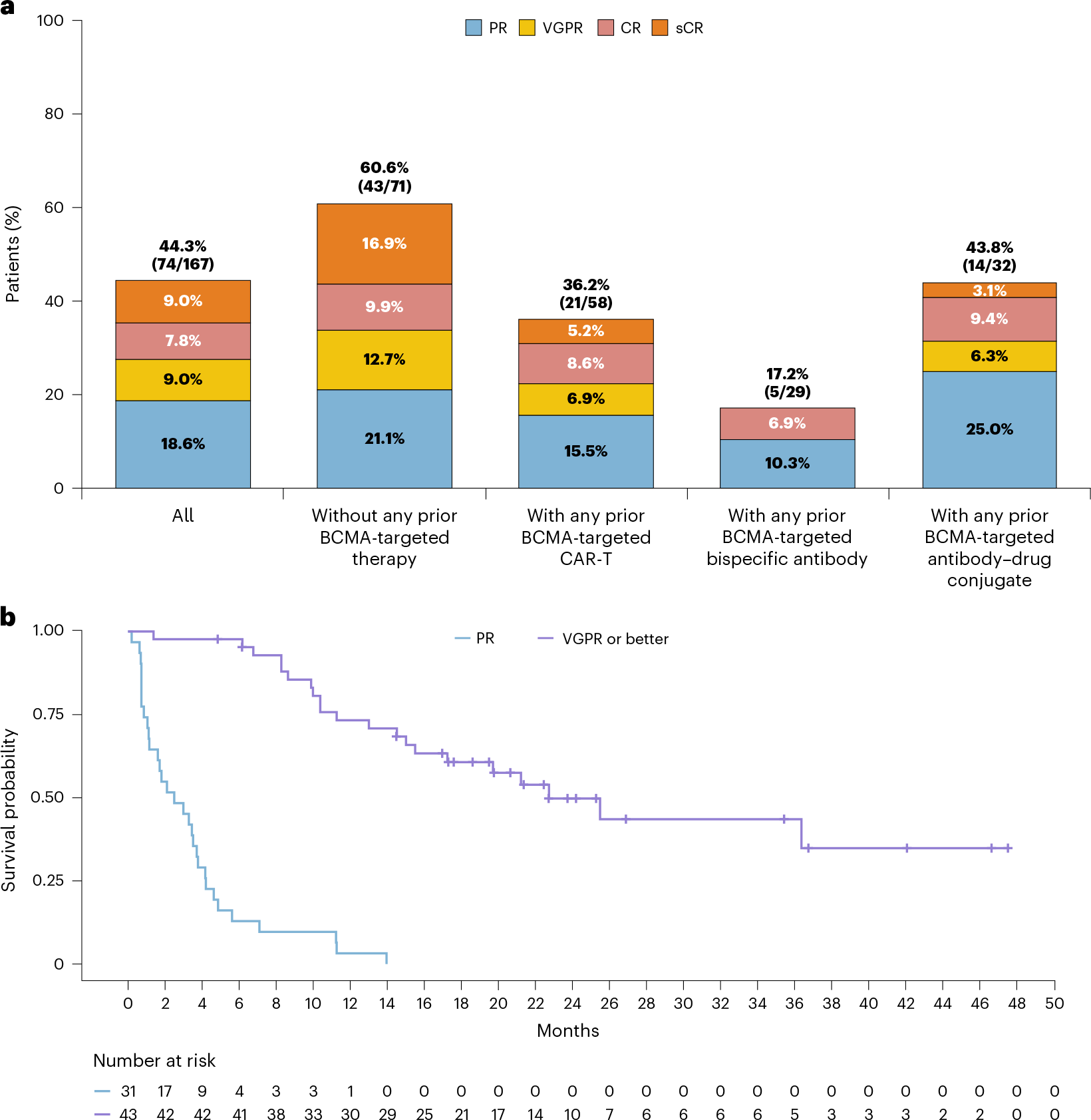 FcRH5×CD3 bispecific antibody cevostamab in relapsed or refractory multiple myeloma: a phase 1 trial | Nature Medicinenature.com · Jul 2026
▸Research sources · 8
primary sources listed
- Juno Closes $134M Series B Roundprnewswire.com · web
8 public sources were cited for this profile; the first-party ones are listed here.
Frequently asked questions
- What does Juno Therapeutics do?
- Seattle CAR-T and TCR cancer immunotherapy company founded in 2013 and acquired by Celgene for $9 billion in 2018.
- Who founded Juno Therapeutics?
- Juno Therapeutics was founded by Hans Bishop, Richard Klausner in 2013.
- Who are Juno Therapeutics's investors?
- Juno Therapeutics's investors include ARCH Venture Partners, Alaska Permanent Fund Corporation.
- How much funding has Juno Therapeutics raised?
- Juno Therapeutics has disclosed $1B raised across 4 of its 8 known rounds.
- Where is Juno Therapeutics headquartered?
- Juno Therapeutics is headquartered in Seattle, US.