 Fundraising Fox
Cellino Bio
Cambridge, US · Founded 2017 · Delaware corporation · 108 employees on LinkedIn · 9 known investors
Find your way into Cellino Bio
995 people in our graph can introduce you to the Cellino Bio team.
Sign up to see every warm intro you have to Cellino Bio
- Paths you didn't know you had: your email and LinkedIn already hold routes to the Cellino Bio team. We find them
- 2nd- and 3rd-degree connections: the friend-of-a-friend routes you can't see from your own inbox or LinkedIn
- Answers now, not in days: momentum is everything in a raise. Skip asking around whether someone knows someone
Days of research, done the moment you sign in, with every route ranked by how warm it is.
Cellineobio develops cell engineering and bioprocess technology platforms. The company serves biotech and pharmaceutical research and manufacturing customers.
Also known as Cellino · Cellino Biotech
Founders & leadership
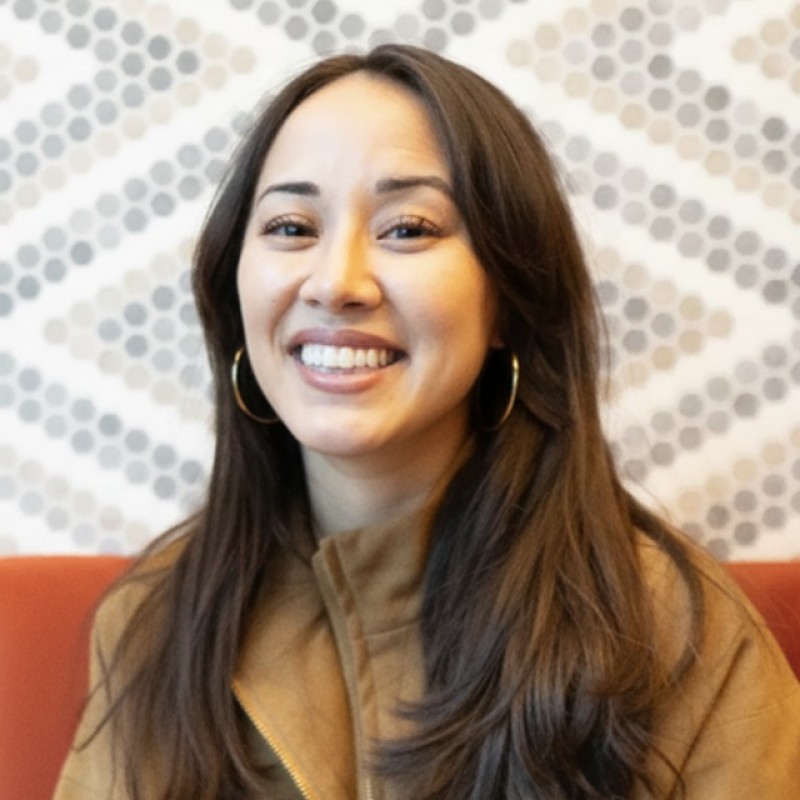
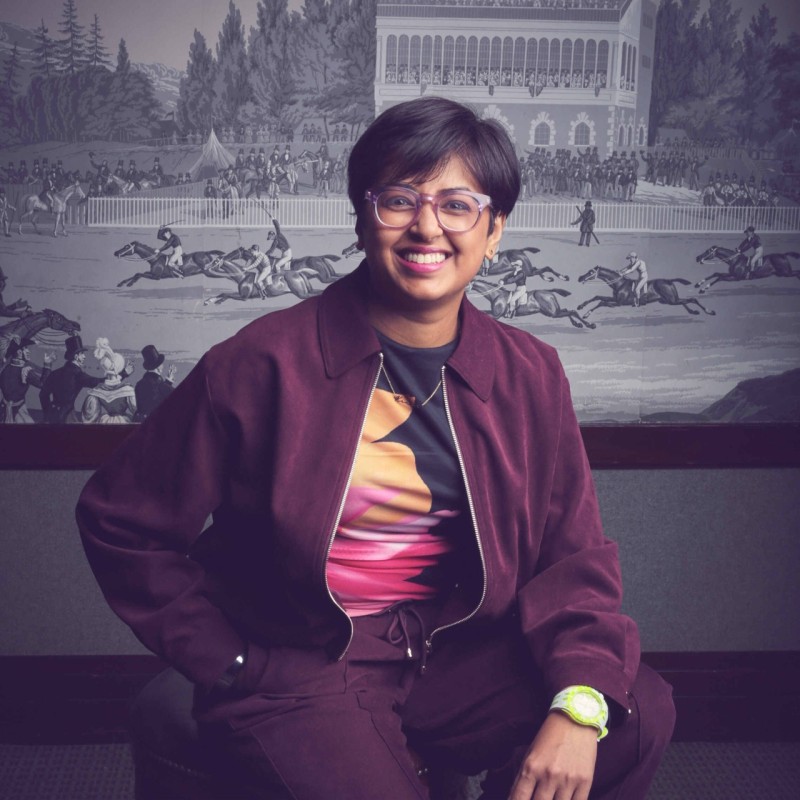
Cellino Bio was founded in 2017 by Nabiha Saklayen, PhD, Marinna Madrid, PhD, Nabiha Saklayen, and Matthias Wagner.
Board
Investors · 9

How we know: 8VC's portfolio page · the VCSheet dataset · open dataset · 5k.vc investor directory · Not right? Tell us
How we know: Cota Capital's portfolio page · Not right? Tell us

How we know: Felicis Ventures's portfolio page · Not right? Tell us

How we know: Khosla Ventures's portfolio page · the VCSheet dataset · research · fiercepharma.com · open dataset · 5k.vc investor directory · Not right? Tell us
How we know: The Engine Ventures's portfolio page · the VCSheet dataset · open dataset · 5k.vc investor directory · Not right? Tell us

How we know: the VCSheet dataset · Not right? Tell us

Also in the syndicate · 1
Reported raises · per SEC filings
Form D private placements$4M disclosed across 2 of 4 rounds · 2017–2022
▶$1.5MraisedAug 2019 · 1 investors · BiotechnologyRule 506(b)
- Katie RaeDirector
- Nabiha SaklayenExecutive Officer, Director
- Matthias WagnerExecutive Officer, Director
- Offering amount
- $1.5M
- Amount sold
- $1.5M
- First sale
- Dec 2017
- Incorporated
- Corporation, Delaware, 2017
- Federal exemptions
- 06b
▶$2.5MraisedAug 2019 · 2 investors · BiotechnologyRule 506(b)
- Nabiha SaklayenExecutive Officer, Director
- Matthias WagnerExecutive Officer, Director
- Katie RaeDirector
- Offering amount
- $2.5M
- Amount sold
- $2.5M
- First sale
- May 2019
- Incorporated
- Corporation, Delaware, 2017
- Federal exemptions
- 06b
Source: SEC EDGAR Form D. Amounts as filed; amended filings shown once at their latest values.
Company profile
researched Aug 2026Cellino Biotech (Cellino Bio) is a Cambridge, Massachusetts biotechnology company developing an automated biomanufacturing platform for personalized regenerative medicines derived from a patient's own induced pluripotent stem cells (iPSCs). Its technology combines machine learning, laser physics and stem cell biology: AI-guided image analysis identifies cells in culture and laser-generated bubbles remove unwanted or low-quality cells, replacing what has traditionally been a manual, high-variability process of reprogramming, expanding and differentiating cells [3][4][5][6].
The company's flagship system, NEBULA, is a closed, fluidic cassette-based platform that can be scaled by adding modules, enabling parallel processing of thousands of patient samples in a single facility. Cellino describes the platform as compressing conventional manufacturing infrastructure into modular systems that can be deployed either in large distributed foundries or locally within hospitals [0][3]. Supporting elements described on the company's site include deep learning models for reproducible biomanufacturing, a simulation environment called Cellinoverse, and a closed-loop, image-guided optical bioprocess [0].
Cellino targets cell, tissue and organ replacement therapies for degenerative and chronic conditions, including Parkinson's disease, diabetes, age-related macular degeneration, spinal cord injury, heart disease, kidney disease and others [0][3]. Because the therapies are autologous (self-sourced), the company states they avoid the need for a matched donor and for immunosuppression [0][3].
Founding story
Nabiha Saklayen founded the company at the end of her physics PhD at Harvard, where she worked in a laser physics and nanotechnology group developing bio-photonics applications. After biologists including George Church, Derek Rossi and David Scadden encouraged her to commercialize the laser cell-engineering technology, she conducted more than 100 customer interviews over three months and met The Engine, an MIT-affiliated venture fund, which wrote the company's first check. The original application was intracellular delivery of payloads such as CRISPR/Cas9 for gene editing; after a mentor, then-Semma Therapeutics CEO Bastiano Sanna, described the industry need to remove low-quality cells from cell therapy products, the company refocused on AI-guided laser editing to produce high-quality stem cells for autologous cell therapies, and paused the gene-editing work [5]. The company was founded in 2017 by three Harvard graduates; co-founders named in coverage are Nabiha Saklayen, Marinna Madrid and Stan Wang [6].
Business model
Cellino develops a proprietary biomanufacturing technology platform for cell and tissue therapies rather than selling a marketed drug; sources describe platform capabilities being commercialized for autologous cell therapy production and systems that could be deployed in distributed foundries or in hospitals [0][5][6]. Funding to date has come from venture capital and a federal (ARPA-H) award [3][4][6].
Traction
Total capital raised reached $96 million as of September 2024, plus a federal award of up to $25 million [3][4]. The company has an ongoing collaboration with the NIH tied to the first U.S. autologous iPSC-derived clinical trial [6]. In April 2026 the company and Polyphron reported results indicating tissue manufacturing works across patient backgrounds, and in 2026 Cellino was recognized on Fast Company's Most Innovative Companies list and invited to speak at a Keystone Symposia conference marking the 20th anniversary of iPSC discovery in Kyoto, Japan [0][1].
Latest developments
Company news listings dated 2026 report: a joint result with Polyphron showing tissue manufacturing across any patient background (April 2026); inclusion on Fast Company's World's Most Innovative Companies of 2026 (March 2026); appointment of Ed Tekeian as Chief Operating Officer (March 2026); and co-founder Marinna Madrid expanding her role to Chief Product and Regulatory Officer and joining the board of directors (January 2026) [0][1].
▸Full profile — market position, technology, go-to-market, geography, history, risks & controversies
Market position
Cellino is positioned in automated manufacturing for stem-cell-derived therapies, an area constrained by manual labor, variability and high overhead costs; its lead investor at Leaps by Bayer described the company as poised to become a leader in the field [6]. It was the first recipient of funding under ARPA-H's Scalable Solutions mission office [3] and was named to Fast Company's 2026 list of the World's Most Innovative Companies [0][1].
Sources cite the combination of AI-guided image analysis with laser-based, contact-free removal of unwanted cells inside a closed, cassette-based system, which automates steps normally done by hand and supports massively parallel, patient-specific production; the autologous approach is stated to remove the need for a matched donor and for immunosuppression [0][3][4][6].
Technology
Cellino's platform applies deep learning to microscopy images of cell cultures and uses laser-generated bubbles to precisely remove unwanted cells and control cell density, forming a closed-loop, image-guided "optical bioprocess" intended to reduce human variability [0]. The NEBULA system is a patient-specific, fluidic cassette-based, closed platform that automates cell reprogramming, expansion and differentiation using AI and laser technologies, and is scaled by adding modules so that thousands of patient samples can be processed in parallel in one facility [3][4]. The company also cites Cellinoverse, an in-silico environment simulating biomanufacturing behavior [0]. Its stated disciplinary mix spans machine learning, laser optics, physics, semiconductors, bioengineering, genomics, bioinformatics, mechatronics and cell therapy [0][5]. The company's approach was described as inspired by the semiconductor industry, with a stated plan to build the first autonomous human cell foundry by 2025 [6].
Go-to-market
The company pursues collaborations with clinical and industry partners and non-dilutive government funding to validate and scale its platform. It is developing a long-term collaboration with the NIH, where senior investigator Kapil Bharti leads the first autologous iPSC-derived clinical trial in the U.S., to validate Cellino's manufacturing approach, and planned to build early-stage GMP capabilities to support clinical trials [6]. The ARPA-H program is aimed at reducing the cost of personalized regenerative medicines so that hospitals across the U.S. could routinely generate patient-derived cells and tissues [3].
Cell and gene therapy developers and biopharmaceutical manufacturers needing scalable stem cell manufacturing, clinical research institutions such as the NIH, and ultimately hospitals that would produce patient-specific cells and tissues on site for patients with degenerative and chronic diseases [3][6].
Geography
Headquartered in Cambridge, Massachusetts, United States, with the ARPA-H-funded effort aimed at enabling deployment in hospitals across the U.S. [3][4].
History
Founded in 2017 [4][6]. The company raised $16 million in financing in April 2021, in a seed round led by The Engine and Khosla Ventures [4][5][6]. In January 2022 it closed an $80 million Series A led by Leaps by Bayer, Bayer's investment arm, bringing total capital raised to $96 million as of 2024 [3][6]. In September 2024 it received an award of up to $25 million from ARPA-H, part of the U.S. Department of Health and Human Services, to develop the NEBULA system; it was the first project funded by ARPA-H's Scalable Solutions mission office [3][4]. In 2026 the company announced leadership changes, including an expanded role and board seat for co-founder Marinna Madrid (January 2026) and the appointment of Ed Tekeian as Chief Operating Officer (March 2026), and was named to Fast Company's list of the World's Most Innovative Companies of 2026 [0][1].
Risks & controversies
The sources do not report controversies. Noted execution risks are inherent to the field: cell therapies are labor-intensive, hard to scale and costly, which is the problem the platform aims to address [6]; the company's earlier laser gene-editing program was paused to focus resources [5]; and the ARPA-H award is milestone-style federal funding of "up to" $25 million [4].
Compiled by commissioned research from 8 cited public sources — announcements, filings, and press listed under research sources below.
Key figures
latest reportedCompany-reported or press-reported figures, each dated to when it was claimed — not independently audited.
Timeline · 7
launches, deals, and filingsCellino received a federal award worth up to $25 million from the Advanced Research Projects Agency for Health (ARPA-H), part of HHS, to develop the NEBULA biomanufacturing system; it was the first project funded by ARPA-H's Scalable Solutions mission office.
$25M source ↗
Leaps by Bayer led an $80 million Series A financing to expand Cellino's software, machine learning and hardware capabilities for end-to-end manufacturing of autologous and allogeneic cell-based therapies.
$80M source ↗
Cellino is developing a long-term collaboration with the NIH, where senior investigator Kapil Bharti leads the first autologous iPSC-derived clinical trial in the U.S., to validate Cellino's manufacturing approach.
Dated company events from announcements, filings, and press; legal rows summarize public dockets and regulator releases.
Legal entities · 1
corporate structure▸Research sources · 8
primary sources listed
- Cellino Biocellinobio.com · web
8 public sources were cited for this profile; the first-party ones are listed here.
Frequently asked questions
- What does Cellino Bio do?
- Cellino Bio builds an AI- and laser-guided automated platform for manufacturing patient-derived stem cell therapies.
- Who founded Cellino Bio?
- Cellino Bio was founded by Nabiha Saklayen, PhD, Marinna Madrid, PhD, Nabiha Saklayen, Matthias Wagner in 2017.
- Who are Cellino Bio's investors?
- Cellino Bio's investors include 8VC, Cota Capital, Felicis Ventures, HAWKTAIL, Khosla Ventures, The Engine Ventures, Humboldt, Leaps by Bayer.
- How much funding has Cellino Bio raised?
- Cellino Bio has disclosed $4M raised across 2 of its 4 known rounds.
- Where is Cellino Bio headquartered?
- Cellino Bio is headquartered in Cambridge, US.