 Fundraising Fox
Nyungu Afrika
Techstars '22Nairobi, KE · Founded 2019 · 4 employees on LinkedIn · 1 known investors
Find your way into Nyungu Afrika
2,310 people in our graph share verified history with the Nyungu Afrika team — schools, employers, funds. One of them is your warm intro.

Nyungu manufactures sustainable, plant-based menstrual products using pineapple leaves and corn husk fibers for women and girls, with a social mission to donate products to those who cannot afford them. The company operates in Kenya with a focus on climate-positive production and menstrual health equity.
Also known as Nyungu · XETU
Founders & leadership
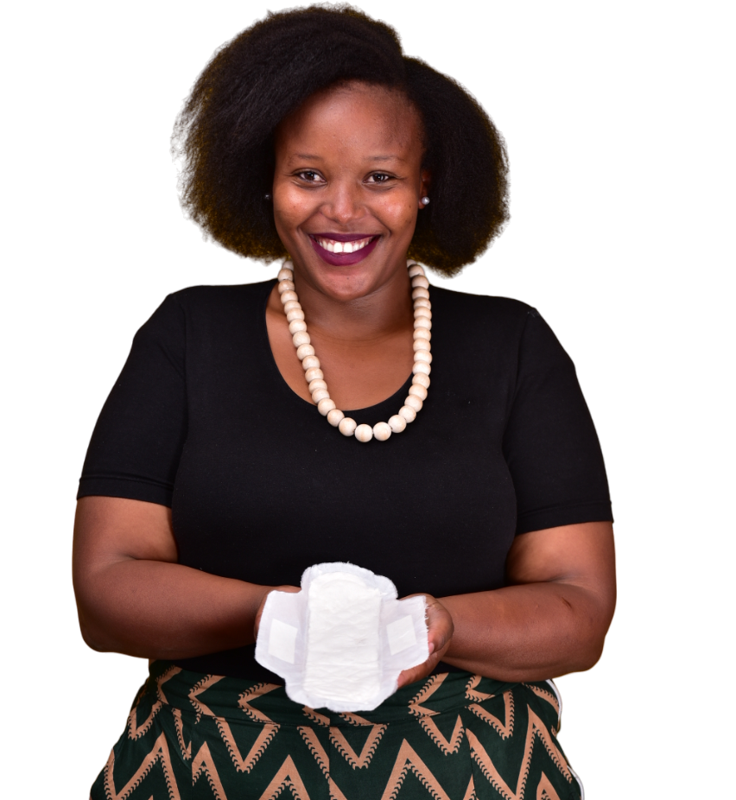
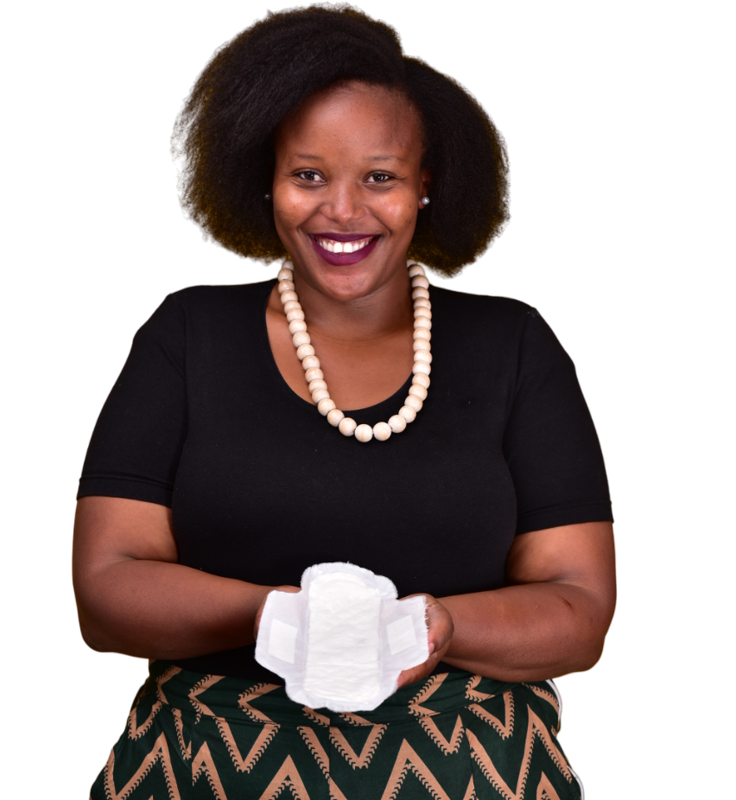
Nyungu Afrika was founded in 2019 by Mary Muriithi and Mary Nyaruai.
Investors · 1

How we know: the Techstars portfolio · open dataset · Top 3000 Accelerator Startups (no YC) 2026-08 · Not right? Tell us
Company profile
researched Sep 2026Nyungu Afrika is a Kenyan material-science company developing a tree-free absorbent pulp made from agricultural waste — pineapple leaves and maize husks — intended as a drop-in replacement for imported wood pulp in the absorbent core of sanitary pads and diapers. The company is based in Thika, Kenya, where it collects feedstock locally and co-locates production with its raw-material source. Its stated positioning frames period poverty and deforestation as linked problems that converge in the pad core: the company cites figures that 65% of women and girls in Kenya cannot afford period products (attributed to FSG), that 1.5 billion trees are felled annually for wood-pulp cellulose, and that conventional pads can be up to 90% plastic with 500+ year breakdown times.
Alongside the B2B pulp material, the company is developing its own biodegradable pad brand, XETU, positioned as a consumer proof point rather than its primary business. As of the company's own description it is pre-market at technology readiness level 6, preparing a pilot, with none of its planned revenue streams live; it is recruiting beta testers ahead of launch. Founder and CEO Mary Nyaruai is described as the inventor of the process and a member of the Kenya Bureau of Standards technical committee (TC 069) working on Kenya's biodegradable-hygiene standards.
Founding story
The company's name, Nyungu, is Swahili for clay pot, used as a symbol of the womb. Founder Mary Nyaruai grew up in Thika, described as Kenya's pineapple capital, where she observed both large volumes of pineapple waste from local farms and girls missing school because they could not afford sanitary pads. The company was framed around the question of whether that agricultural waste could be turned into affordable period-care material, which led to the development of a patent-pending process for converting it into absorbent pulp.
Business model
The company plans three sequenced streams, none of which it describes as live: B2B supply of tree-free absorbent pulp to pad and diaper manufacturers as the first and core business; licensing of its patent-pending process to pulp mills worldwide as an asset-light scale channel from year 2 onward; and XETU, its own biodegradable consumer pad brand, distributed through retail and NGO/business-to-government channels as a pilot-stage proof point.
Planned revenue is to come from selling absorbent pulp to hygiene-product manufacturers, from licensing fees for its process technology, and from sales of its own XETU pad brand through retail and NGO/B2G channels. The company states none of these streams are operating yet.
Traction
Self-reported figures from micro-scale operations to date include more than 30,000 kg of agricultural waste processed, over 5,000 students reached with menstrual-health education, and more than 50 green jobs created in its value chain; the company also says it advances six UN Sustainable Development Goals. Its material has been independently lab-tested in five countries and its process published under the PCT. No products are available for sale.
Latest developments
The company reports its process patent has been published under the PCT, that its material was independently validated in five countries at TRL 6, and that it is preparing a pilot while recruiting beta testers for its XETU pad brand. Recognition listed includes TotalEnergies Best Female Entrepreneur in Africa 2022 and a Deep Tech Summit Most Promising African Startup award in 2025, alongside participation in Techstars Sustainability Paris, the Circular Valley accelerator, the What Design Can Do No Waste Challenge and USADF.
▸Full profile — market position, technology, go-to-market, geography, risks & controversies
Market position
The company describes itself as pre-market and preparing its first pilot, positioning itself as an upstream material supplier to the hygiene industry rather than a competitor to established pad brands. It cites tightening EU deforestation and single-use-plastic rules through 2026–27, FemTech market projections toward $246 billion by 2035, and the absence of a scalable, cost-competitive non-wood absorbent core as the conditions underpinning its opportunity.
Rather than competing as another retail pad brand, the company positions itself upstream as a supplier of the core material, so that pad and diaper manufacturers are customers rather than competitors. It states its crop-waste feedstock requires no trees or new land, is available at near-zero cost locally, is designed to cut manufacturers' raw-material costs by up to 40% versus imported wood pulp, and falls outside the scope of EU deforestation rules because it is not tree-based.
Technology
A patent-pending process, published under the Patent Cooperation Treaty, strips fibre from pineapple leaves and maize husks into a pulp described as high-performance and very low in lignin, which the company says reduces the chemical processing needed for purification. The resulting pulp is intended to run on manufacturers' existing lines as a substitute for wood pulp and is said to biodegrade in months. The company reports independent laboratory testing in five countries (UK, Germany, India, Japan and Kenya) measuring 850% absorption, and places the technology at TRL 6.
Go-to-market
The company plans to begin with a pilot, then B2B pulp supply to manufacturers, followed by technology licensing. It invites manufacturers to pilot the pulp, organisations to partner on menstrual-health distribution, and individuals to join a beta-tester list ahead of the XETU launch, and maintains an investor contact channel on its website.
Primary intended customers are sanitary pad and diaper manufacturers buying absorbent pulp, and pulp mills licensing the process. End consumers are women and girls reached through retail and NGO/business-to-government distribution of the XETU pad brand.
Geography
Operations and feedstock sourcing are based in Thika, Kenya, with the company registered in Kenya. Material testing has been carried out in the UK, Germany, India, Japan and Kenya, and the planned licensing business targets pulp mills internationally.
Risks & controversies
The company is pre-market with no revenue streams live, and its planned B2B pulp supply, licensing and consumer brand businesses all remain to be commercialised. Performance, cost-saving and impact figures published by the company are self-reported or drawn from testing it commissioned. Its patent is pending rather than granted.
Compiled by commissioned research from 6 cited public sources — announcements, filings, and press listed under research sources below.
Key figures
latest reportedCompany-reported or press-reported figures, each dated to when it was claimed — not independently audited.
Timeline · 4
launches, deals, and filingsFounder and CEO Mary Nyaruai sits on the Kenya Bureau of Standards technical committee (TC 069) developing Kenya's biodegradable-hygiene standards.
The company states its tree-free pulp process is patent-pending with the application published under the PCT.
Company lists recognition as Most Promising African Startup at the Deep Tech Summit in 2025.
Company lists a TotalEnergies award for Best Female Entrepreneur in Africa in 2022.
Dated company events from announcements, filings, and press; legal rows summarize public dockets and regulator releases.
▸Research sources · 6
primary sources listed
- Nyungu Afrikanyungu.care · web
6 public sources were cited for this profile; the first-party ones are listed here.
Frequently asked questions
- What does Nyungu Afrika do?
- Kenyan material-science company making tree-free absorbent pulp from pineapple leaves and maize husks for period care.
- Who founded Nyungu Afrika?
- Nyungu Afrika was founded by Mary Muriithi, Mary Nyaruai in 2019.
- Who are Nyungu Afrika's investors?
- Nyungu Afrika's investors include Techstars.
- Where is Nyungu Afrika headquartered?
- Nyungu Afrika is headquartered in Nairobi, KE.