 Fundraising Fox
Latimer Controls
Techstars '22Boulder, US · Founded 2021 · 4 employees on LinkedIn · 1 known investors
Find your way into Latimer Controls
Sign up to see every warm intro you have to Latimer Controls
- Paths you didn't know you had: your email and LinkedIn already hold routes to the Latimer Controls team. We find them for you
- 2nd- and 3rd-degree connections: the friend-of-a-friend routes that take hours to manually find through your inbox or LinkedIn
- Answers now, not in days: momentum is everything in a raise. Skip asking around whether someone knows someone
Days of research, done the moment you sign in, with every route ranked by how warm it is.
Latimer Controls develops control systems for solar energy integration on power grids. The company was founded to optimize solar energy flexibility and reliability to accelerate the transition to sustainable energy.
Also known as Latimer Controls Inc.
Founders & leadership
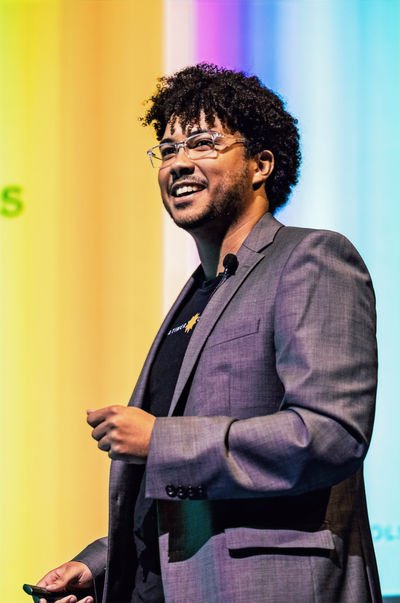
Latimer Controls was founded in 2021 by Simon Julien, Zachary Jacobs, and Tristan Liu.

Investors · 1

How we know: the Techstars portfolio · open dataset · Top 3000 Accelerator Startups (no YC) 2026-08 · Not right? Tell us
Company profile
researched Sep 2026Latimer Controls develops machine-learning-driven control and telemetry software for utility-scale photovoltaic plants. Its flagship product, the Latimer Flexible Solar Management System (FSMS), calculates high sustainable limit (HSL), potential high limit (PHL) and real-time potential power (RTPP) values, estimating the available power at each inverter in real time. The company states the estimates remain accurate during curtailment, intermittent cloud shading and low-irradiance shoulder periods, and that the software runs on existing SCADA and plant control infrastructure without additional hardware.
For developers and independent power producers, the software is positioned around HSL/RTPP telemetry accuracy, which the company describes as a compliance requirement in high-PV-growth regions such as ERCOT and Georgia Power territory, and around analytics use cases including quantifying curtailed energy for financial reporting and settlement validation and back-validating generation forecasts. For utilities and grid operators, the company targets integration of PV assets with automatic generation control for frequency regulation, provision of synchronous reserves from solar headroom in the context of PJM's 2026 reserve obligations, and reduced reliance on fossil-fuel peaking plants. A public demonstration using data from a partially cloudy day at a Texas PV site compares Latimer HSL against a legacy HSL method and measured AC power.
Founding story
The company is named after inventor Lewis Latimer, whose carbon filament contributed to the commercialization of the incandescent lightbulb. It grew out of graduate research conducted from 2019 to 2022 at CU Boulder and the National Renewable Energy Laboratory. CU Boulder's Venture Partners states the company was founded in 2022 by Simon Julien (Applied Mathematics, '22) and Zachary Jacobs (Chemical and Biological Engineering, '21) to commercialize a solar energy control system addressing intermittent renewable power; the technology was co-invented by Julien with Bri-Mathias Hodge, Amirhossein Sajadi and NREL. Other listings give a 2021 founding date.
Business model
Latimer Controls licenses software to utility-scale solar plant owners, developers, independent power producers, utilities and grid operators. The product integrates with existing SCADA and plant control systems without requiring new hardware, and aVenture characterizes the company's revenue as recurring software sold to enterprise customers.
Software sold to enterprise customers, classified as recurring revenue.
Traction
The company describes FSMS as field-proven and available for deployment across the United States, cites a real-plant demonstration at a Texas PV site, and reports a customers and partners list. It signed its first pilot with Kaua'i Island Utility Cooperative and won the DOE American-Made Solar Prize. aVenture records 4 employees as of February 2024.
▸Full profile — market position, technology, go-to-market, geography, history
Market position
An early-stage venture-backed software provider in the utility-scale solar controls and grid-services segment, compared by aVenture to companies including Leaptran, PowerMarket, SmartHelio and Enurgen.
The company positions FSMS against legacy HSL estimation methods, citing 17.9% HSL error using traditional methods versus under 1% error using FSMS, inverter-level rather than plant-level calculation, accuracy that is maintained during curtailment and variable cloud shading, and deployment on existing SCADA and plant controls without new hardware.
Technology
Machine learning models that estimate available power at every inverter in real time to produce HSL, PHL and RTPP values, including during curtailment, variable shading and low-irradiance periods, plus inverter-level setpoints and response to automatic generation control signals. The software integrates with existing SCADA and plant controller systems.
Go-to-market
Direct engagement with utility-scale PV operators, developers, IPPs, utilities and grid operators via inbound contact on the company site, offering custom machine learning models, case studies, integration timelines and pricing discussions. Early traction has come through accelerator programs, a federal prize competition and a utility pilot.
Utility-scale solar developers and independent power producers, plus utilities and grid/system operators seeking frequency regulation, reserves and curtailment analytics from PV fleets.
Geography
United States. The company reports its software is available for deployment by utility-scale PV operators nationwide, with product positioning tied to ERCOT, Georgia Power and PJM market requirements, a demonstration site in Texas and a pilot with Kaua'i Island Utility Cooperative in Hawaii. aVenture lists headquarters in Denver, Colorado, and the company is part of the CU Boulder startup portfolio.
History
The underlying technology originated in graduate research carried out between 2019 and 2022 at CU Boulder and the National Renewable Energy Laboratory. The company graduated from the Techstars Alabama EnergyTech Accelerator class of 2022, was named a winner of the U.S. Department of Energy's American-Made Solar Prize in 2023, and signed its first pilot with Kaua'i Island Utility Cooperative. It has appeared in CU Boulder Venture Partners programming including the Ascent Deep Tech Accelerator (2022) and Destination Startup (2025), and is pursuing patent protection internationally. The flagship FSMS product is described as field-proven and available for deployment across the United States.
Compiled by commissioned research from 5 cited public sources — announcements, filings, and press listed under research sources below.
Key figures
latest reportedCompany-reported or press-reported figures, each dated to when it was claimed — not independently audited.
Timeline · 3
launches, deals, and filingsLatimer Controls signed its first pilot agreement with Kaua'i Island Utility Cooperative.
The DOE announced Latimer Controls as a winner of the American-Made Solar Prize.
The company completed the Techstars Alabama EnergyTech Accelerator Class of 2022.
Dated company events from announcements, filings, and press; legal rows summarize public dockets and regulator releases.
In the news
▸Research sources · 5
primary sources listed
- Latimer Controlslatimercontrols.com · web
5 public sources were cited for this profile; the first-party ones are listed here.
Frequently asked questions
- What does Latimer Controls do?
- Machine-learning software that calculates inverter-level HSL, PHL and RTPP telemetry for utility-scale solar plants.
- Who founded Latimer Controls?
- Latimer Controls was founded by Simon Julien, Zachary Jacobs, Tristan Liu in 2021.
- Who are Latimer Controls's investors?
- Latimer Controls's investors include Techstars.
- Where is Latimer Controls headquartered?
- Latimer Controls is headquartered in Boulder, US.