 Fundraising Fox
Heylo
San Francisco, US · Founded 2019 · 6 employees on LinkedIn · 1 known investors
Find your way into Heylo
1,983 people in our graph can introduce you to the Heylo team.
Sign up to see every warm intro you have to Heylo
- Paths you didn't know you had: your email and LinkedIn already hold routes to the Heylo team. We find them
- 2nd- and 3rd-degree connections: the friend-of-a-friend routes you can't see from your own inbox or LinkedIn
- Answers now, not in days: momentum is everything in a raise. Skip asking around whether someone knows someone
Days of research, done the moment you sign in, with every route ranked by how warm it is.
Heylo is an all-in-one platform for group and community leaders to organize events, communicate with members, collect payments, and grow their communities. It serves leaders of groups such as run crews, book clubs, parent groups, and volunteer teams.
Also known as heylo.co · heylo.com · Piccup
Founders & leadership
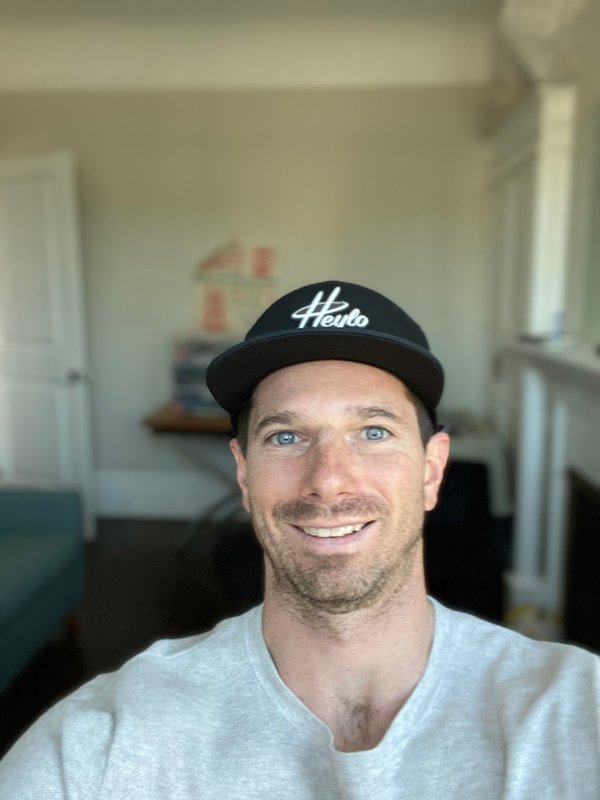
Heylo was founded in 2019 by Brandon Pearcy and Eric Winters.

Investors · 1

How we know: Worklife Ventures's portfolio page · the VCSheet dataset · Not right? Tell us
Reported raises · per SEC filings
Form D private placements$100K disclosed across 1 round · 2026
▶$100KraisedOct 2026 · 1 investors · Other TechnologyRule 506(b)
- Brian HartExecutive Officer, Director
- William ZellDirector
- Offering amount
- $2M
- Amount sold
- $100K
- First sale
- Sep 2026
- Incorporated
- Corporation, Delaware, 2025
- Federal exemptions
- 06b
Source: SEC EDGAR Form D. Amounts as filed; amended filings shown once at their latest values.
Company profile
researched Aug 2026Heylo operates a platform for leaders of in-person groups and communities, combining event management, member communication and payment collection in a single product. Leaders can create events, collect RSVPs, take attendance, cap capacity with waitlists, and onboard new members through a single link that handles registration, waivers and payments. Member-facing features include profiles, icebreakers, attendee lists, topic- and event-based chats, and post-event photo sharing.
On the money side, groups can collect membership dues, event fees and donations, set up one-time or recurring payments, offer free trials, gate perks and sponsor content behind a membership paywall, and view dashboards covering attendance, payments and engagement. Distribution features include shareable event flyers and discoverability through Heylo's own search directory as well as external search surfaces. The product runs in any web browser, with iOS and Android apps for on-the-go event management. Group categories listed on Heylo's directory include running, social, women's, outdoors, fitness, professional, wellness, spiritual and reading groups.
Founding story
Co-founders Eric Winters and Brandon Pearcy met at Google, where both organized communities outside of work — Eric helped start a running group in San Francisco and later founded several groups including a volleyball club, while Brandon organized breakdancing, Muay Thai and beach volleyball groups. Eric joined Google in 2013 in corporate development after working on Wall Street from 2008 to 2013, and describes pursuing solo hobbies before concluding that what he lacked was community. Seeing how difficult it was for group leaders to run events, communicate with members and stay organized, the two built Heylo. The first version of the product was called Piccup; the founders renamed it after early testers said the name sounded like a dating app.
Business model
Core functionality — events, communications and payments — is offered free to groups. Heylo takes a service fee on payments processed through the platform, and sells paid plans that add features such as email blasts and forms for larger groups. A "For Brands" offering is listed on the site, and groups can showcase sponsors within their communities.
Service fee charged on payments collected by groups through the platform, plus subscription revenue from paid plans with additional features such as email blasts and forms.
Traction
Groups cited on Heylo's site include Rivian Clubs of America (35 U.S. city chapters, 900 active members), Midnight Runners (18 global chapters, 20,000 runners at events monthly), BLK Hiking Club in Atlanta (1,900 active members), Harlem Run in New York City (250 paid members), Mamma Swim in London (150 donating members) and Vibe Ride in Los Angeles (78% repeat attendees). Heylo reports a 4.9 average App Store rating. In a 2022 interview the founders described a profitable business built without outside capital.
Latest developments
The current site markets free events, communications and payments with paid tiers for email blasts and forms, a "For Brands" offering, a public group and event search directory, and headline metrics for event attendees, App Store rating and payments made to group leaders.
▸Full profile — market position, technology, go-to-market, geography, history
Market position
Positions itself as an all-in-one alternative to leaders piecing together spreadsheets, group text threads, WhatsApp groups and Venmo; a customer quote describes it as "half-a-dozen apps in one."
Consolidates event operations, member communication and payment collection in one product rather than requiring multiple tools; core features are free with monetization on payments; emphasis on member-to-member connection features (profiles, icebreakers, visible attendee lists, event chats) rather than event listings alone.
Technology
Web application usable in any browser, with companion iOS and Android apps for event management. Features include RSVP and attendance tracking, waitlists, single-link onboarding with registration, waivers and payments, topic- and event-scoped chat, member profiles and icebreakers, recurring and one-time payment collection, membership paywalls, and analytics dashboards linking attendance, payment and engagement charts to individual members.
Go-to-market
Self-serve group creation from the website, growth via word-of-mouth referrals between group leaders, shareable event flyers, and a public group and event search directory on Heylo that also aims for discoverability through external search engines and AI assistants. A separate "For Brands" track addresses brand-affiliated communities.
Leaders and organizers of in-person groups: run clubs, cycling groups, hiking clubs, social clubs, churches and other spiritual groups, pickleball leagues, book clubs, parent groups, volunteer teams and brand-affiliated owner clubs, along with the members of those groups.
Geography
Headquartered in San Francisco, with customer groups across U.S. cities including San Francisco, New York, Atlanta, Los Angeles, Pittsburgh, Richmond and the Twin Cities, and internationally in London and among Midnight Runners' global chapters.
History
The product launched initially as Piccup and was later renamed Heylo. Early focus was on sports and fitness groups, and the beta spread largely by word of mouth as group leaders referred other leaders; usage later broadened to social, religious and other group types. By the time of an August 2022 interview, both founders had left Google to work on the company full-time.
Compiled by commissioned research from 6 cited public sources — announcements, filings, and press listed under research sources below.
Key figures
latest reportedCompany-reported or press-reported figures, each dated to when it was claimed — not independently audited.
Timeline · 1
launches, deals, and filingsAn interview published by Bootstrappers.com describes Eric Winters and Brandon Pearcy meeting at Google, building an app originally called Piccup, renaming it Heylo after beta-tester feedback, expanding beyond sports groups, leaving Google, and running the business profitably without outside capital.
Dated company events from announcements, filings, and press; legal rows summarize public dockets and regulator releases.
▸Research sources · 6
primary sources listed
- Heyloheylo.co · web
6 public sources were cited for this profile; the first-party ones are listed here.
Frequently asked questions
- What does Heylo do?
- Heylo is a platform for group leaders to run events, member communications and payments in one place.
- Who founded Heylo?
- Heylo was founded by Brandon Pearcy, Eric Winters in 2019.
- Who are Heylo's investors?
- Heylo's investors include Worklife Ventures.
- How much funding has Heylo raised?
- Heylo has disclosed $100K raised across 1 round.
- Where is Heylo headquartered?
- Heylo is headquartered in San Francisco, US.