 Fundraising Fox
Halo Neuro
San Francisco, US · Founded 2013 · Delaware corporation · 7 known investors
Find your way into Halo Neuro
Sign up to see every warm intro you have to Halo Neuro
- Paths you didn't know you had: your email and LinkedIn already hold routes to the Halo Neuro team. We find them for you
- 2nd- and 3rd-degree connections: the friend-of-a-friend routes that take hours to manually find through your inbox or LinkedIn
- Answers now, not in days: momentum is everything in a raise. Skip asking around whether someone knows someone
Days of research, done the moment you sign in, with every route ranked by how warm it is.
Acquired. Uses brain stimulation to improve physical performance.
Also known as Halo · Halo Neuroscience
Founders & leadership
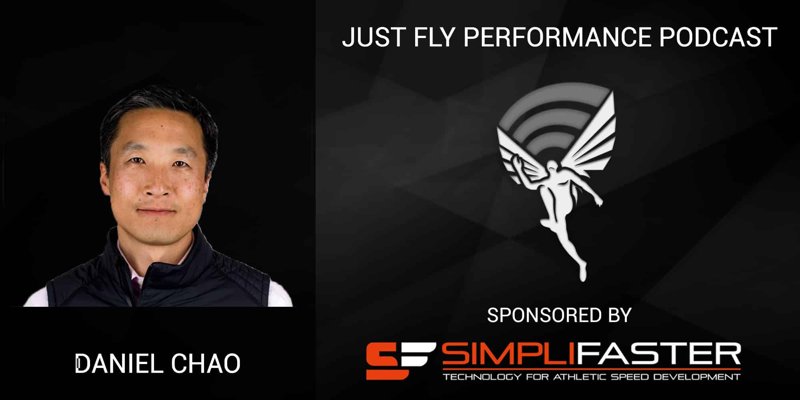
Halo Neuro was founded in 2013 by Daniel Chao, M.D., M.S. and Daniel Chao.
Board
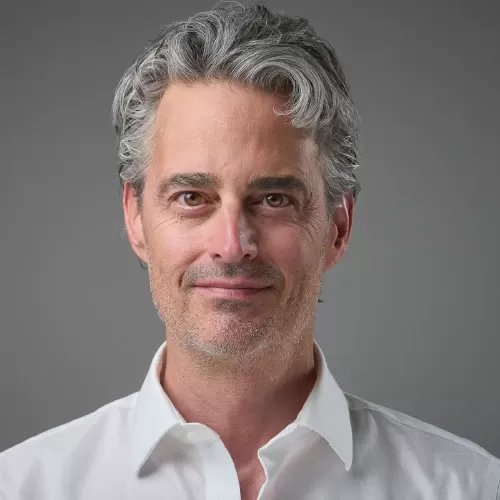
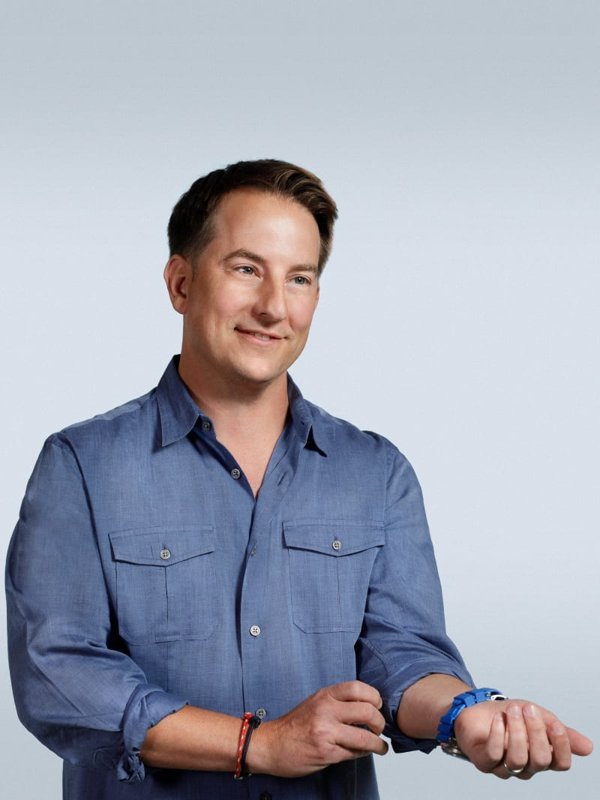
Investors · 7

How we know: JAZZ Venture Partners's portfolio page · board seat on SEC Form D · research · massdevice.com · Not right? Tell us
How we know: KDDI Open Innovation Fund's portfolio page · Not right? Tell us

How we know: Lux Capital's portfolio page · research · massdevice.com · Not right? Tell us

How we know: StartX's portfolio page · Not right? Tell us
How we know: board seat on SEC Form D · Not right? Tell us


How we know: a partner's Signal profile · research · massdevice.com · Not right? Tell us
Reported raises · per SEC filings
Form D private placements$27.9M disclosed across 3 of 4 rounds · 2013–2017
▶$17.9MraisedMay 2018 · 28 investors · Other TechnologyRule 506(b)
- Peter HebertDirector
- Andrew FirlikDirector
- Daniel Chao, M.D., M.S.Executive Officer, Director
- Heath LukatchDirector
- Peter GotcherDirector
- Offering amount
- $19.8M
- Amount sold
- $17.9M
- First sale
- Nov 2017
- Incorporated
- Corporation, Delaware, 2013
- Federal exemptions
- 06b
▶$9.2MraisedMar 2016 · 24 investors · Other TechnologyRule 506(b)
- Andrew FirlikDirector
- Daniel Chao, M.D., M.S.Executive Officer, Director
- Peter HebertDirector
- Amol SarvaDirector
- Offering amount
- $11M
- Amount sold
- $9.2M
- First sale
- Sep 2015
- Incorporated
- Corporation, Delaware, 2013
- Federal exemptions
- 06b
▶$767KraisedFeb 2014 · 14 investors · OtherRule 506(b)
- Daniel ChaoExecutive Officer, Director
- Amol SarvaDirector
- Offering amount
- $5M
- Amount sold
- $767K
- Minimum investment
- $1K
- First sale
- Jul 2013
- Incorporated
- Corporation, Delaware, 2013
- Federal exemptions
- 06b
Source: SEC EDGAR Form D. Amounts as filed; amended filings shown once at their latest values.
Company profile
researched Aug 2026Halo Neuroscience is a San Francisco-based neurostimulation device company founded in 2013 by a team of neuroscientists focused on transcranial direct current stimulation (tDCS). Its original flagship product, Halo Sport, is a headset that delivers stimulation to the motor cortex in a 20-minute "neuropriming" session, which the company says induces a temporary state of hyperplasticity so that neural pathways between the motor cortex and muscles can be strengthened during strength and skill training.
The company's current consumer offering, marketed under the Halo Neuroscience brand, is a tDCS headset positioned for mood, sleep and focus rather than athletic training. The product targets the prefrontal cortex with low-intensity electrical stimulation, with claimed effects including calming activity in emotional centers associated with stress, stabilizing attention networks and supporting transitions to sleep. The device is sold direct-to-consumer with a 60-day money-back guarantee and prepaid return shipping; at the time of review it was listed as sold out with a waitlist, while replacement electrode pads remained available to existing users.
Business model
Direct-to-consumer sale of a hardware stimulation headset, with recurring sales of consumable replacement pads to existing users. Purchases are covered by a 60-day money-back guarantee with prepaid return shipping.
Product sales of the headset and replacement pads.
Traction
Investor materials describe adoption of Halo Sport by teams and athletes across the NBA, MLB and NFL as well as elite military training programs, and by the San Francisco Giants, the US Olympic Ski Team and US Special Operations Forces. The consumer site states that the underlying stimulation technology is trusted by more than 50,000 users. The company has been reported at 11-50 employees.
Latest developments
The Halo consumer tDCS headset was listed as sold out, with a waitlist for restock notifications and replacement pads still available to order. The money-back guarantee period was extended to 60 days.
▸Full profile — market position, technology, go-to-market, geography, history
Market position
Positioned in consumer neuromodulation and neurotechnology; the company describes itself as an early mover in bringing neurostimulation to consumers and its technology is explicitly compared with that of Flow Neuroscience.
Combination of a consumer-grade wearable form factor with tDCS technology described as clinically tested and shared with a medically certified European at-home device, supported by a patent portfolio of more than 28 filed patents and a track record of use by professional sports and military organizations.
Technology
Transcranial direct current stimulation (tDCS), a non-invasive, low-intensity, drug-free electrical stimulation method. The consumer headset targets the prefrontal cortex and is described as using the same stimulation technology developed by Flow Neuroscience, whose at-home tDCS device the site describes as Europe's first medically certified device of its type. The earlier Halo Sport product applied stimulation to the motor cortex in 20-minute sessions. The company's positioning cites decades of tDCS research and more than 100 peer-reviewed studies, including publications on attention enhancement (Yadollahpour, 2017), prefrontal stimulation and negative affect from daily stressors (Austin et al., 2016), and multisession prefrontal tDCS effects on stress and sleep quality (Reis et al.). The company reported more than 28 filed patents.
Go-to-market
Online direct sales through the company website with a waitlist during stock-outs, supported by scientific-evidence content, customer reviews on Trustpilot, a YouTube channel, and, in the Halo Sport era, adoption by high-profile sports and military organizations plus media coverage in outlets such as Sports Illustrated.
Originally elite athletes, professional and Olympic teams, and military training programs; the current consumer product is aimed at individuals seeking improvements in mood, sleep and focus, including both high performers and users recovering from stress or fatigue.
Geography
Headquartered in San Francisco, United States, with a consumer product sold online; the underlying stimulation technology originates with Flow Neuroscience in Europe.
History
Founded in 2013 as a team of neuroscientists working on neurostimulation, the company developed and commercialized the Halo Sport headset for athletic training. It raised a $13 million Series B in a round led by TPG with participation from existing investors Lux Capital, JAZZ Venture Partners and XFund, with TPG's Heath Lukatch joining the board; co-founder Dr. Daniel Chao said the funding would support two new products. The brand later shifted to a consumer tDCS headset for mood, sleep and focus built on Flow Neuroscience's stimulation technology.
Compiled by commissioned research from 5 cited public sources — announcements, filings, and press listed under research sources below.
Key figures
latest reportedCompany-reported or press-reported figures, each dated to when it was claimed — not independently audited.
Founder mafia
2 people who came through Halo Neuro went on to found or lead other companies.


Timeline · 1
launches, deals, and filingsHalo's flagship device, Halo Sport, delivers neurostimulation to the motor cortex in a 20-minute "neuropriming" session intended to induce temporary hyperplasticity. The company said the device was in use by organizations including the San Francisco Giants, the US Olympic Ski Team and US Special Operations Forces.
Dated company events from announcements, filings, and press; legal rows summarize public dockets and regulator releases.
Legal entities · 1
corporate structure▸Research sources · 5
primary sources listed
- Halo Neurohaloneuroscience.com · web
5 public sources were cited for this profile; the first-party ones are listed here.
Frequently asked questions
- What does Halo Neuro do?
- Halo Neuroscience makes wearable transcranial direct current stimulation headsets for athletic performance and mood, sleep and focus.
- Who founded Halo Neuro?
- Halo Neuro was founded by Daniel Chao, M.D., M.S., Daniel Chao in 2013.
- Who are Halo Neuro's investors?
- Halo Neuro's investors include JAZZ Venture Partners, KDDI Open Innovation Fund, Lux Capital, StartX, Red Tree Venture, TPG, Xfund.
- How much funding has Halo Neuro raised?
- Halo Neuro has disclosed $27.9M raised across 3 of its 4 known rounds.
- Where is Halo Neuro headquartered?
- Halo Neuro is headquartered in San Francisco, US.