 Fundraising Fox
Fuzionaire
1 known investors
Find your way into Fuzionaire
Sign up to see every warm intro you have to Fuzionaire
- Paths you didn't know you had: your email and LinkedIn already hold routes to the Fuzionaire team. We find them for you
- 2nd- and 3rd-degree connections: the friend-of-a-friend routes that take hours to manually find through your inbox or LinkedIn
- Answers now, not in days: momentum is everything in a raise. Skip asking around whether someone knows someone
Days of research, done the moment you sign in, with every route ranked by how warm it is.
Fuzionaire develops chemistry technology based on Earth-abundant alkali metal catalysts and reagents (its ionic alkali metal / IAM platform) for applications in medicine, energy, and materials. The platform originated from discoveries at Caltech, UCLA, and other institutions and targets molecular-level innovation across pharmaceuticals, clean energy, and advanced materials.
Also known as Fuzionaire Inc.
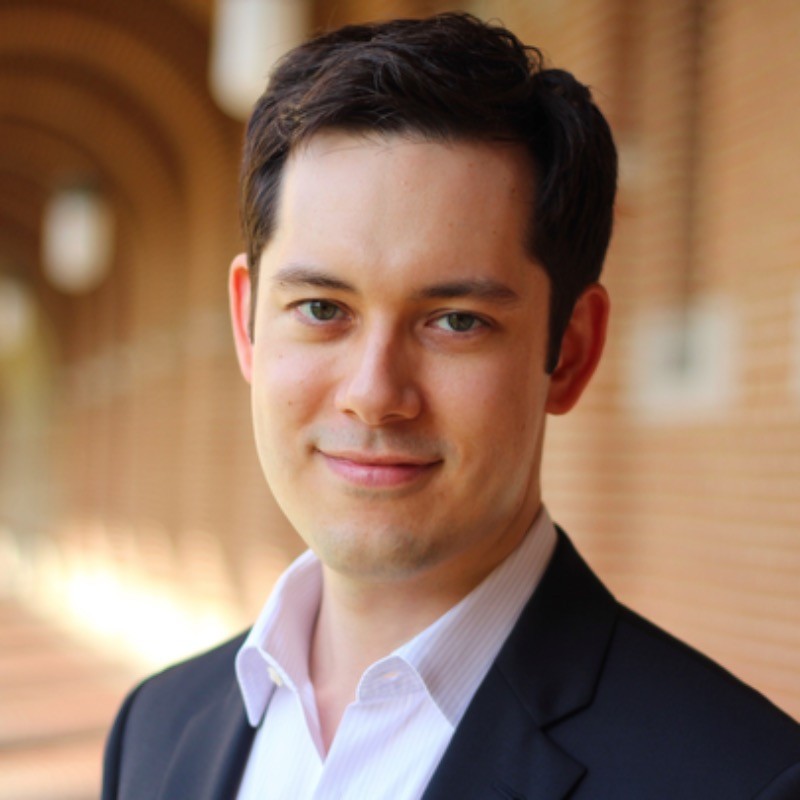
Founders & leadership
Investors · 1
How we know: Emles Venture Partners's portfolio page · the VCSheet dataset · Not right? Tell us
Company profile
researched Aug 2026Fuzionaire is a molecular science company applying chemistry discoveries to medicine, energy, and materials. Its core technology is an ionic alkali metal (IAM) platform based on newly described abilities of Earth-abundant alkali salts to act as catalysts and reagents, which the company says drives new chemical transformations and amplifies existing chemical processes. The company positions the platform's bond-making and bond-breaking chemistry as applicable across otherwise unrelated industries, with stated target applications in new medicines and diagnostic tracers, clean fuels and energy efficiency, and materials science.
The company's core intellectual property derives from a series of discoveries made at Caltech in the laboratory of Nobel laureate Robert H. Grubbs, together with scientists at UCLA and other institutions. Fuzionaire operates alongside affiliated entities, including Fuzionaire Theranostics (Fuzionaire Tx), a chemistry-led radiopharmaceutical company that applies Fuzionaire's silicon chemistry to develop the HetSiFA platform and other SiFA radiopharmaceutical platforms. A separate affiliate, Fuzionaire Diagnostics, has been described as developing customized molecular imaging agents for non-invasive detection and localization of cancer and other diseases.
Fuzionaire Theranostics develops chemically matched diagnostic and therapeutic pairs from disease-targeting peptides and other ligands, linking fluorine-18 PET imaging with radioligand therapy to support patient selection, biodistribution assessment, and prospective dosimetry. HetSiFAs enable PET diagnostics with fluorine-18 or gallium-68, while HetSiFA-based therapeutics are developed for lutetium-177 radioligand therapy, with selective evaluation of terbium-161 and lead-212. Its lead program, FTX-426, targets GRPR-expressing solid tumors including prostate and breast cancer and is designed as a matched fluorine-18/lutetium-177 theranostic pair; the company is also exploring endocyclic SiFA architectures and undisclosed additional oncology programs.
Founding story
Fuzionaire was formed to address challenges in medicine, energy, and materials at a molecular level, building on a series of chemistry discoveries at Caltech in the laboratory of Nobel laureate Robert H. Grubbs together with scientists at UCLA and other institutions. It was co-founded by Nick Slavin, a former Skadden Arps and Norton Rose Fulbright corporate attorney and Yale and Harvard Law School graduate who serves as CEO, and by serial entrepreneur Nova Spivack. The affiliated Fuzionaire Theranostics was founded to translate silicon chemistry from the Grubbs lab into radiopharmaceutical development; its HetSiFA technology was invented by Christopher Waldmann while a postdoc at UCLA's Crump Institute for Molecular Imaging in collaboration with the Grubbs laboratory.
Business model
Fuzionaire operates as an applied research and molecular science lab that develops platform chemistry and commercializes it through affiliated operating companies, including Fuzionaire Theranostics in radiopharmaceuticals and Fuzionaire Diagnostics in molecular imaging agents. Fuzionaire Theranostics states that its oncology development paths are designed to support strategic collaboration and invites inquiries regarding platform, pipeline, and collaboration opportunities.
Traction
Fuzionaire Theranostics has a lead development program, FTX-426, a matched fluorine-18/lutetium-177 theranostic targeting GRPR-expressing solid tumors, plus undisclosed additional oncology programs enabled by the HetSiFA platform. The company reports working with academic, clinical, and industrial collaborators, and its team includes inventors with peer-reviewed publications in journals including Theranostics, PNAS, and Nature.
Latest developments
Fuzionaire Theranostics is advancing its HetSiFA platform toward matched PET and radioligand therapy programs, with FTX-426 as the lead candidate for GRPR-expressing solid tumors, selective evaluation of terbium-161 and lead-212 as therapeutic radionuclides, and exploration of endocyclic SiFA architectures.
▸Full profile — market position, technology, go-to-market, geography, history
Market position
Fuzionaire presents itself as an early-stage, platform-chemistry company whose affiliate Fuzionaire Theranostics is developing a focused pipeline of oncology radiotheranostics led by the preclinical-stage FTX-426 program.
Fuzionaire bases its approach on Earth-abundant alkali metal catalysts and reagents rather than scarce precious metals, and on Caltech-derived intellectual property from the Grubbs laboratory. In radiotheranostics, its HetSiFA chemistry is designed to create chemically matched diagnostic and therapeutic companions from a common molecular architecture, with fluorine-18 compatibility intended to enable centralized production and wider distribution relative to alternative isotope logistics, plus flexibility in therapeutic radiometals.
Technology
Fuzionaire's ionic alkali metal (IAM) platform uses Earth-abundant alkali metal salts as catalysts and reagents to drive new chemical transformations and amplify existing chemical processes, which the company characterizes as powerful, efficient, and clean. Related silicon chemistry underpins the HetSiFA platform at Fuzionaire Theranostics, a next-generation silicon-fluoride acceptor (SiFA) chemistry originally developed to enable fluorine-18 PET radiopharmaceuticals and now used to build chemically matched diagnostic and therapeutic companions. HetSiFAs support PET imaging with fluorine-18 or gallium-68 and therapeutics based on lutetium-177, with selective evaluation of terbium-161 and lead-212; endocyclic SiFA architectures are under exploration.
Go-to-market
The company works with academic, clinical, and industrial collaborators across radiochemistry, nuclear medicine, oncology, and translational development, and describes its programs as built for strategic collaboration. Fuzionaire Theranostics' fluorine-18 focus is framed as a scalability strategy enabling centralized manufacturing, regional distribution, and standardized quantitative imaging across broader care networks.
Applications are aimed at pharmaceutical and diagnostic development (medicines and diagnostic tracers), energy (clean fuels and energy efficiency), and materials science. In radiotheranostics, the intended end use is oncology care, including patients with GRPR-expressing solid tumors such as prostate and breast cancer, delivered through nuclear medicine and imaging networks and via strategic collaborations with industry partners.
Geography
Team affiliations span the United States (Caltech, UCLA's Crump Institute for Molecular Imaging), Canada (Montreal Neurological Institute), and Germany (University Medical Center Mainz).
History
The company's technology traces to academic discoveries at Caltech in the Grubbs laboratory and at UCLA. Its green chemistry catalyst work was featured in the short film Element 19. Over time the organization expanded into affiliated ventures: Fuzionaire Diagnostics, focused on customized molecular imaging agents for cancer and other diseases, and Fuzionaire Theranostics, focused on HetSiFA-based matched PET and radioligand therapy programs, with a lead candidate FTX-426.
Compiled by commissioned research from 8 cited public sources — announcements, filings, and press listed under research sources below.
Timeline · 1
launches, deals, and filingsFuzionaire Theranostics identifies FTX-426, a chemically matched fluorine-18/lutetium-177 theranostic pair built on the HetSiFA platform, as its lead development program for GRPR-expressing solid tumors including prostate and breast cancer.
Dated company events from announcements, filings, and press; legal rows summarize public dockets and regulator releases.
▸Research sources · 8
primary sources listed
- Fuzionairefuzionaire.com · web
8 public sources were cited for this profile; the first-party ones are listed here.
Frequently asked questions
- What does Fuzionaire do?
- Molecular science lab commercializing Caltech-derived alkali metal and silicon chemistry for medicine, energy, and materials.
- Who founded Fuzionaire?
- Fuzionaire was founded by Nick Slavin.
- Who are Fuzionaire's investors?
- Fuzionaire's investors include Emles Venture Partners.