 Fundraising Fox
Buser
Founded 2017 · 309 employees on LinkedIn · 11 known investors
Find your way into Buser
1,854 people in our graph share verified history with the Buser team — schools, employers, funds. One of them is your warm intro.

Buser is a Brazilian app-based platform for booking intercity bus travel, offering chartered bus trips and conventional bus tickets at reduced fares. It connects travelers with certified bus operators and provides features such as free cancellation, real-time boarding tracking, and 24-hour customer support.
Also known as Buser Brasil Tecnologia LTDA
Founders & leadership
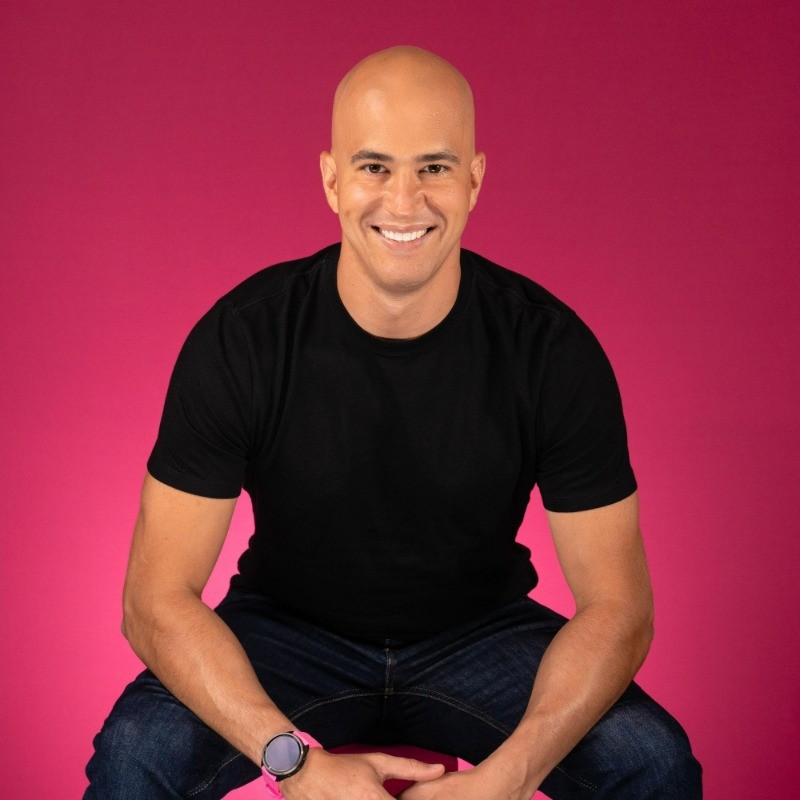
Buser was founded in 2017 by Marcelo Abritta.

Investors · 11
How we know: Grupo Globo - Mídia e Conteúdo's portfolio page · Not right? Tell us

How we know: MONASHEES's portfolio page · funding news · Not right? Tell us

How we know: Norte Ventures's portfolio page · Not right? Tell us

How we know: the VCSheet dataset · Not right? Tell us

How we know: Yellow Ventures's portfolio page · Not right? Tell us

How we know: funding news · reuters.com · Not right? Tell us
Also in the syndicate · 2
Funding
SEC filings, press & company announcements$138M disclosed across 1 of 4 rounds · 2017–2022
Source: company announcements and press reports — follow each round's link for the claim.
Company profile
researched Aug 2026Buser operates a Brazilian city-to-city bus mobility platform. Its core product, "Fretamento Buser" (collaborative chartering), aggregates travelers heading to the same destination into a group and charters an executive charter bus on their behalf, splitting the cost among passengers. Alongside chartering, Buser runs a ticket marketplace reselling conventional intercity bus tickets ("Revenda Rodoviária"). Bookings are made through the website, the Android/iOS app and WhatsApp, with features including seat selection, free cancellation (up to one hour before departure for charter trips and 72 hours for bus-station tickets), free rebooking, trip sharing, an in-app S.O.S. emergency button, travel insurance, a wallet and credits system, gift cards and a referral program ("Viajou, Ganhou!").
The company positions itself around price and convenience, advertising fares up to less than half the price of bus-station tickets, and around safety: partner operators and drivers are described as ANTT-trained and certified, with buses equipped with facial-recognition fatigue-detection cameras and GPS telemetry, plus 24/7 customer support. Buser maintains its own decentralized boarding and drop-off points across cities — around 40 in São Paulo alone, including Faria Lima Avenue. Its network covers major domestic corridors (São Paulo, Rio de Janeiro, Belo Horizonte, Campinas, Brasília, Vitória, Ribeirão Preto and others) and it also sells international routes to Argentina, Chile and Peru. A "super premium" segment offers buses with beds, larger screens and onboard attendants, with tickets reaching R$500.
Buser Brasil Tecnologia LTDA (CNPJ 29.365.880/0001-81) is based at Rua Dr. Guilherme Bannitz 126, Itaim Bibi, São Paulo/SP.
Founding story
The concept originated in November 2016 when Marcelo Abritta needed to organize travel for 30 relatives from Minas Gerais to Arraial da Ajuda, Bahia, for his wedding, and found that chartering a 48-seat bus — including four idle days plus driver costs — was cheaper than buying 30 round-trip tickets from the single operator serving the route. Abritta, who travelled regularly between São Paulo and Belo Horizonte, reasoned that grouping strangers making the same trip could reproduce those savings. In January 2017 he discussed the idea with Marcelo Vasconcellos; after quoting charter prices across operators and routes they found potential savings of up to 60% and decided to invest in the project. Buser launched on 2 June 2017 as a Facebook page intended to test the concept, reaching 10,000 followers in under 30 days with no marketing spend. According to a later founder interview, the team spent roughly $50 on a domain, a Wix page and a Gmail account, collecting 1,000 signups overnight from a landing page shared over WhatsApp and about 50,000 within a month.
Business model
Buser is an intermediary between passengers and licensed charter bus operators rather than a bus owner: it aggregates demand, forms passenger groups, contracts charter companies and manages reservations digitally. It also acts as a reseller of conventional bus-station tickets, on which it charges a service fee. Higher network utilization is central to the economics — Buser reports average annual occupancy of about 80% versus roughly 60% for traditional operators — allowing lower fares while preserving margins.
Revenue derives from intercity trip sales, split between charter trips arranged with partner operators and commissions/service fees on resold conventional bus-station tickets, plus premium-tier fares. Ancillary offerings include travel insurance, gift cards and wallet credits.
Traction
About 12 million active passengers served across more than 250 cities with the charter service, plus additional volume through the ticket marketplace. Annual revenue exceeded US$100 million with an operating profit of R$100 million after roughly 20% growth in 2024, and the company had been cash-generating for 18 months as of February 2025; 2025 guidance was 50% top-line growth to US$150 million. Buser expected to carry up to 1.5 million passengers during the December 2024-Carnival high season, a 10% increase. The Android app has more than 5 million downloads.
Latest developments
In February 2025 Buser disclosed its first profit and said it had begun exploring M&A and new business verticals, hiring Rodolfo Juliani as Director of Strategy and New Business to build an acquisition pipeline that includes targets of comparable size as well as smaller operators; it guided to US$150 million revenue in 2025. Company communications in 2025 covered a new route from São Paulo to the Hopi Hari amusement park (17 July 2025) and continued investment in convenience and safety (21 May 2025). The Android app was updated in July 2026 and the help center references an "Aniversário Buser 2026" promotion.
▸Full profile — market position, technology, go-to-market, geography, history, risks & controversies
Market position
Buser describes itself as the largest player in Brazil's city-to-city bus mobility industry and a digital-native challenger in a fragmented sector of state and regional operators. Its revenue is characterized as comparable to traditional intercity operators such as Águia Branca. The Brazilian road transportation market is estimated at about R$15 billion per year, or R$30 billion including adjacent services such as cargo, financial solutions and insurance; a separate founder interview frames the bus industry at around $10 billion with 300-400 million tickets sold annually.
Fares advertised at up to less than half of bus-station prices (savings of up to 60% cited for its charter model), app-based purchasing without queues, free cancellation and rebooking, decentralized boarding points closer to passengers' origins and destinations, 24/7 support, real-time boarding tracking, and an AI-planned network with dynamic pricing that yields roughly 80% occupancy versus about 60% for incumbents.
Technology
The platform runs a fully digital reservation management system with dynamic networks and dynamic pricing matching supply and demand. Machine learning and AI models, trained on data from millions of trips, plan nearly the entire network autonomously and set ticket prices, departure times, stop locations and demand estimates. Buser also deploys an AI chatbot for customer service, recognized at the Prêmio ClienteSA 2024. Safety technology on partner buses includes facial-recognition fatigue cameras and GPS telemetry, with real-time boarding tracking for charter trips.
Go-to-market
Direct-to-consumer via app, website and WhatsApp, with app distribution through Google Play (5M+ downloads, 4.2 rating from about 49.7K reviews). Early adoption was driven by social media, word of mouth and press coverage of launches; growth today comes from adding frequency on existing routes, entering new cities, promotions and coupons, referral programs, and route launches tied to events and destinations (for example a São Paulo–Hopi Hari route in July 2025). Historically the company also used heavy online and offline marketing and discounting during its Series C expansion phase.
Price-sensitive Brazilian intercity travellers — including students, families and workers — on routes often served by a single incumbent operator, plus a growing higher-income segment shifting from air travel to premium bus services, identified by the use of premium credit cards such as BTG Black and XP Infinite.
Geography
Headquartered in São Paulo (Itaim Bibi), with charter operations in more than 250 Brazilian cities and coverage of major corridors including São Paulo, Rio de Janeiro, Belo Horizonte, Campinas, Brasília, Vitória, Ribeirão Preto, Goiânia and Montes Claros. São Paulo alone has roughly 40 decentralized boarding points. The help center also lists international trips to Argentina, Chile and Peru.
History
The first trip was scheduled for 7 July 2017 but was blocked by a court injunction; Buser refunded passengers and ensured they still travelled, and the two founders increased their commitment to the project. In September 2017 the company closed its first seed round with Canary, Yellow Ventures and Fundação Estudar Alumni partners, using the proceeds to hire regulatory counsel to establish the legality of its cost-sharing charter model and to build a technology team. When Buser launched its first route the founders invited the press, generating national coverage that labelled it the "Uber of buses." During the period of abundant venture capital the company raised R$700 million in a Series C led by LGT Lightrock, spending largely on online and offline marketing and promotional discounts to enter new cities. Rising global interest rates from 2022 created financial pressure; Buser cut costs and reduced headcount from 550 direct employees to 240 while operating a larger business, and exited cities where economics did not work. Results appeared by early 2023 and cash flow turned positive in the second half of that year. By early 2024 management judged the company financially stable and refocused on growth, and in 2025 it began exploring M&A and new business verticals, hiring Rodolfo Juliani (formerly of Lightrock) as Director of Strategy and New Business to build an acquisition pipeline.
Risks & controversies
Buser's model has faced legal and regulatory challenge in Brazil: its first scheduled trip in July 2017 was blocked by a court injunction, requiring refunds, and the company hired specialist regulatory counsel to defend the legality of its cost-sharing charter structure; management has described a long-term approach to influencing policy while operating within charter rules. The company also went through a financial squeeze after global interest rates rose in 2022, cutting direct headcount from 550 to 240, withdrawing from cities and acknowledging prior overspending. Competitive pressure is increasing from international entrants such as Germany's FlixBus and from Uber, which launched a chartered Shuttle service between São Paulo and Guarulhos. User reviews on Google Play include complaints about late-notice trip cancellations, significant bus delays, coupon/discount errors and support responsiveness.
Compiled by commissioned research from 8 cited public sources — announcements, filings, and press listed under research sources below.
Key figures
latest reportedCompany-reported or press-reported figures, each dated to when it was claimed — not independently audited.
Timeline · 10
launches, deals, and filingsCEO Marcelo Abritta said the company had reached annual revenue above US$100 million and R$100 million operating profit and had begun exploring M&A and new business verticals.
Formerly of Lightrock, Juliani was hired to lead M&A target identification and built an acquisition pipeline.
Buser was highlighted at the Prêmio ClienteSA 2024 for an AI-based chatbot case serving its users.
Raised during a period of abundant venture capital; funds were largely spent on online and offline marketing and promotional discounts to attract passengers in new cities.
After global interest rates rose, Buser shifted from growth to efficiency, cutting direct employees from 550 to 240 and halting service in unprofitable cities; cash flow turned positive in the second half of 2023.
Seed capital of undisclosed value from Canary, Yellow Ventures and Fundação Estudar Alumni partners; proceeds funded regulatory counsel and the initial technology team.
Buser's first trip was prevented by a judicial restriction; the company refunded passengers and arranged for them to travel.
The company began as a Facebook page publicizing the collaborative chartering concept, reaching 10,000 followers in under 30 days without marketing spend.
Marcelo Abritta found that chartering a bus for 30 wedding guests from Minas Gerais to Arraial da Ajuda was cheaper than buying 30 round-trip tickets, prompting the idea of grouping travellers to share charter costs.
Dated company events from announcements, filings, and press; legal rows summarize public dockets and regulator releases.
▸Research sources · 8
primary sources listed
- Buserbuser.com.br · web
8 public sources were cited for this profile; the first-party ones are listed here.
Frequently asked questions
- What does Buser do?
- Brazilian digital platform that groups intercity travelers to charter buses and resells conventional bus tickets at lower fares.
- Who founded Buser?
- Buser was founded by Marcelo Abritta in 2017.
- Who are Buser's investors?
- Buser's investors include Grupo Globo - Mídia e Conteúdo, Lightrock, MONASHEES, Norte Ventures, Softbank Latin America Fund, Valor Capital Group, Yellow Ventures, Canary and 1 more.
- How much funding has Buser raised?
- Buser has disclosed $138M raised across 1 of its 4 known rounds.